
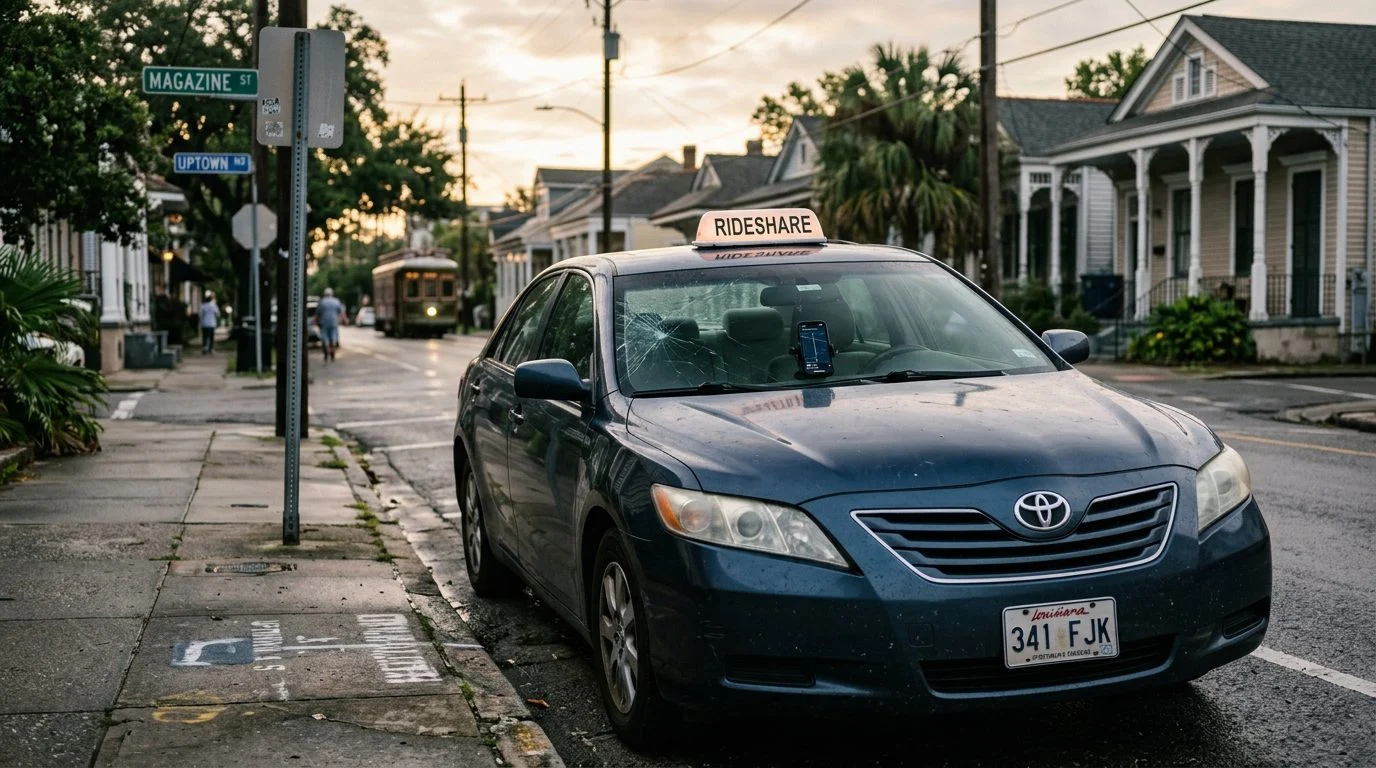
Rideshare Accidents | New Orleans, Louisiana
Can Rideshare Trip Data Prove Who Was at Fault?
A crash involving a rideshare vehicle often leaves behind digital records that most drivers never think about. Here is how that information can fit alongside the police report, the photos and the witness accounts.
Why digital records matter after a rideshare crash
Timestamps
App activity is logged with times, which can help show what was happening before and during a trip.
Location history
Route and location information can help place a vehicle at a particular point in time.
Records kept by the company
Rideshare companies generally keep trip records, but what is kept and for how long depends on the company and the period involved.
Proof in context
Trip data is one piece of the picture. It is reviewed together with the crash report, medical records and other evidence.
By Przemek Lubecki · Published November 20, 2026
After a rideshare crash, many people ask whether the app’s records can show who caused it. Trip data can help tell the story, but it rarely settles fault on its own.
Short Answer: Trip Data Helps, but Fault Rests on All the Facts
Rideshare trip data is one piece of evidence. It can show what the app was doing at specific times, such as when a ride was accepted or in progress. Whether it helps depends on what the records show, when they were made and how they line up with other proof. The records answer a narrower question than fault. They show what the app logged. Fault asks who did what, and whether that conduct was negligent. Louisiana makes a person responsible for damage caused by negligence, imprudence or want of skill (La. Civ. Code art. 2316). Louisiana Civil Code art. 2323 sets out that comparative fault rule. Under it, a person whose own share of fault is 51 percent or more recovers no damages. A person less at fault has damages reduced in proportion to that share. The current text took effect January 1, 2026. No single record decides fault, and the rest of this page explains why. Our rideshare accident claims page covers the wider process.
If a rideshare trip left you or someone you love hurt, the app's records may matter, and our team can talk through what to save now. Talk it through with our team — the first consultation is free, confidential, and carries no obligation.
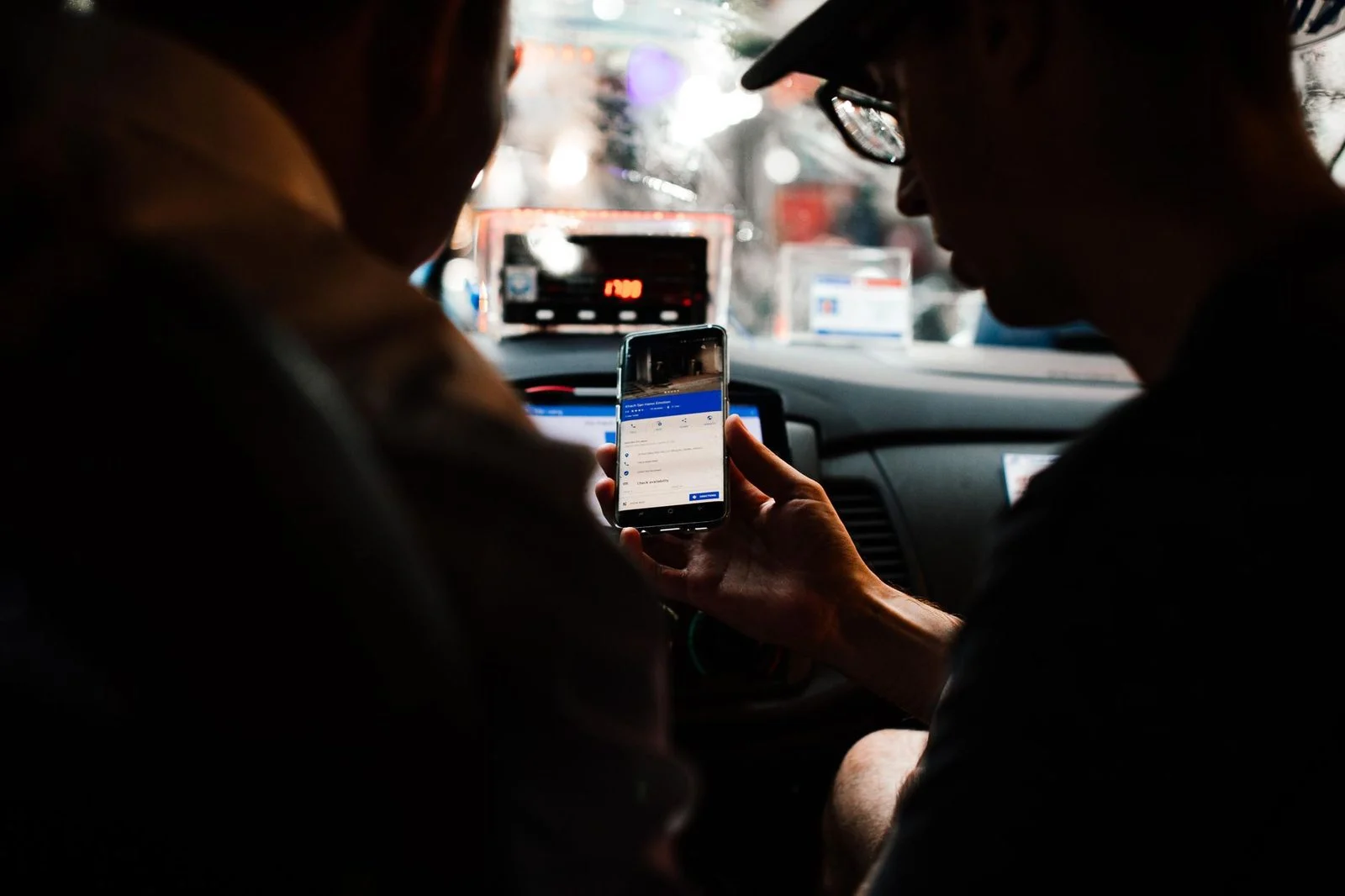
Does Rideshare Software Record Trips? What App Data May Include
Yes, rideshare apps generally keep records of trip activity. The company that runs the app typically holds those records, not the driver or the rider. A driver’s or rider’s phone may hold a partial copy, such as trip confirmations.
The data may include whether the app was on, whether a driver was logged in, and when a ride was requested, accepted, en route or in progress. Each status change may carry a timestamp. Some apps also log location and route information during a trip. That can help place a vehicle at a particular place and time. The app may also show which driver accepted a ride and whether the trip was completed. Those details help build the trip’s timeline. They do not show, by themselves, how the vehicle was driven.
What is kept depends on the company, the app version and the period involved. Older records may look different from recent ones, and some data may never have been stored. Each source holds different pieces of the picture: the company’s servers, the driver’s phone and the rider’s phone. Police crash reports are a separate record, and a later section covers them.
Why the Exact Timing of an App Status Matters
A status such as “trip in progress” can matter because it shows whether a passenger was on board. A driver who was logged out, or not on a trip, may present a different set of facts than one actively carrying a rider. Those differences shape how the claim is built and which questions come next.
Consider a simple example. A record showing a ride in progress may help show a passenger was in the car. It does not, by itself, show how fast the car was moving or what the driver was looking at.
Timing is the hard part. Timestamps must be lined up with the time of the crash, the time on the police report and any phone records. A few minutes of difference can change how the sequence reads. Clocks in apps and phones may not match, so the records need careful review.
People often assume the app shows everything. In reality, it shows only what the app recorded, when it recorded it. A status record alone does not show what the driver was doing with a phone or the vehicle. That question takes other proof, such as phone records, witness accounts and the crash scene. Questions about driver phone use need their own review, and timing data is only one input.
Preserving Rideshare and Phone Records After a Crash
Records can be lost or overwritten as time passes. Companies keep data under their own retention policies, and older records may no longer be available. Early steps matter for that reason.
Steps you can take now include:
- Write down the trip details: pickup and drop-off points, the approximate time and the app’s name.
- Screenshot your trip screen, receipts and any in-app messages before they disappear.
- Save call logs, texts and location history from that day on your own phone.
- Note the crash report number and the investigating agency.
- Photograph the scene, the vehicles and your injuries.
Write your own account of the trip soon after, while details are fresh. Keep it factual: what you saw, heard and felt, and when. Do not guess about things you did not see.
A lawyer can send a preservation demand, a written request that the rideshare company and other parties keep relevant records. Your own phone may also hold trip confirmations, messages and location history that support your account of events. Keep these records even if you are unsure they matter. Clear, dated copies are easier to review than memories pieced together weeks later.
How Trip Data Fits With Other Evidence in a Louisiana Case
Trip data works best as accident evidence beside other proof. A police crash report, photos, video, witness statements and medical records each add to the timeline. No one source tells the full story.
Crash reports have their own rules. Under La. R.S. 32:398, crash reports and the information in them are confidential. They are made available only to listed people, including the parties to the crash and the parties’ attorneys. Upon request, they are made available within seven working days following completion of the crash investigation.
Crash data also flow to the state.
More than one party may share responsibility for an accident.
Rideshare claims can also involve more than one insurance policy.
Deadlines and Next Steps for Rideshare Crash Claims in Louisiana
Time limits apply to rideshare crash claims, and they can differ for injury and wrongful death claims. Acting early keeps records, witness memories and the timeline intact. Rideshare claim deadlines are an important part of planning a case, and the firm can review how these limits may apply to your situation.
If you are a family member, you may also need records for a loved one’s claim. Wrongful death claims follow their own rules, and our wrongful death page covers them.
The firm may associate or refer a rideshare case to other law firms. Przemek Lubecki is the responsible lawyer for this page. Our office is in New Orleans.
Does Uber record drives?
Rideshare apps generally keep records of trip activity, including status changes and timestamps. What is kept depends on the company and the period involved.
Can Uber trip data be used in a Louisiana car accident case?
Trip data can be part of a Louisiana case, alongside the crash report and other proof. It is weighed with all the other evidence.
Who can get a Louisiana crash report?
People listed in the statute can, including the parties to the crash and their attorneys. Upon request, it is made available within seven working days after the investigation is complete.
What if I was partly at fault?
Louisiana reduces recovery in proportion to your share of fault (La. Civ. Code art. 2323). A share of 51 percent or more bars recovery of damages.
Not sure what your next step is?
Talk it through with our team — the first consultation is free, confidential, and carries no obligation.

Talk With Our Team About a Rideshare Crash in New Orleans
If you were in a rideshare vehicle, or your loved one was, the app’s records may be part of what happened. You may be deciding whether to ask for those records to be kept, and what to save from your own phone before it is lost. Our team in New Orleans can talk through those steps with you.
Call 855-LUBECKI or request a free case evaluation through our contact page. The first consultation is free, confidential and without obligation to continue.
Keep your own records and talk with us early
Save your app screenshots, ride receipts, photos of the scene and any messages about the trip. Your case may be associated with or referred to other law firms, and we can explain how that would work.
Questions to bring to your free consultation
What records exist?
Ask which app, phone and vehicle records may still be available and how they can be requested.
How will the evidence fit together?
Discuss how trip data, the crash report and witness statements may support one another.
What happens next?
Learn what steps are typical in a Louisiana rideshare case and what you can expect from the process.