
Car Accidents | New Orleans, Louisiana
Before You Talk to the Other Driver's Insurer
Przemek Lubecki and our team in New Orleans help people hurt in car and truck crashes understand their options, including what to say and when to say it.
By Przemek Lubecki · Published November 19, 2026
You’re hurt, your car may be damaged, and the other driver’s insurance company may already be calling. You may wonder whether you have to call the other person’s insurance if they hit you.
In most cases, you don’t. The steps that matter more are reporting the crash to your own insurer as your policy requires, keeping your facts straight, and handling adjuster calls with care.
The short answer: usually you do not have to call the other driver’s insurer yourself
Many people wonder whether and when to speak with the other driver’s insurance company after a crash, and it is a good question to discuss with a lawyer before giving any statement.
The other driver’s insurer generally handles claims against its own policyholder. That makes it the company that looks at damage to your car and injuries caused by that driver. You may still choose to talk with it.
Louisiana law places duties on the driver of a vehicle involved in a crash resulting in injury to or death of any person or property damage in excess of five hundred dollars. Under La. Civ. Code art. 2315, the person whose fault causes damage must repair it.
Whether you need to take any step, and which insurer pays what, depends on the facts. Who was hurt, whether the vehicle was a commercial or rideshare vehicle, and whether an insurer has already made contact all matter.
The sections below cover what usually matters, so you aren’t left guessing. Getting checked by a medical provider comes first, no matter what the insurance call sounds like.
If you're hurt and fielding insurance calls while you recover, our team can talk through your own facts with you in a free, confidential consultation. Talk it through with our team — the first consultation is free, confidential, and carries no obligation.

What Louisiana law may require after a crash
Under Louisiana law, a driver involved in a crash must immediately notify the police (or, outside a city or town, the nearest sheriff’s office or state police station) and give their name, address, and vehicle registration number to anyone injured or whose vehicle or property was damaged, except that in an area under an evacuation order or a declared state of emergency, the driver has seventy-two hours after the crash to do both. The duty applies when someone is injured or killed, or when property damage is more than five hundred dollars. The rule appears in La. R.S. 32:398.
The driver must also show a license or permit, if one is available, upon request to any person injured in the crash or to the driver or occupant of or person attending any vehicle or other property damaged in the crash.
Police or sheriff’s deputies investigate crashes that must be reported. The officer must tell each driver to report certain information to everyone hurt or whose property was damaged.
At the scene, stay factual. Give your information, note what you saw, and skip guesses about speed or the light. Don’t admit fault or apologize, even out of politeness.
Get checked by a medical provider promptly. That protects your health and creates a record that links your injuries to the crash.
Why notifying your own insurer matters
Your own insurer generally needs to hear about the crash, and your policy’s wording sets how and when you give notice.
Louisiana lets a vehicle operator report a claim to the state commissioner in writing. The report must declare the vehicle’s insurance, including the company name, policy number, and policy dates. The statute says the operator may make this report, or the owner may make it if the operator is physically incapable of doing so. See La. R.S. 32:871.
Your own policy may also help with damage to your car. Collision coverage addresses damage to the insured vehicle, according to an IIHS bulletin on auto coverages.
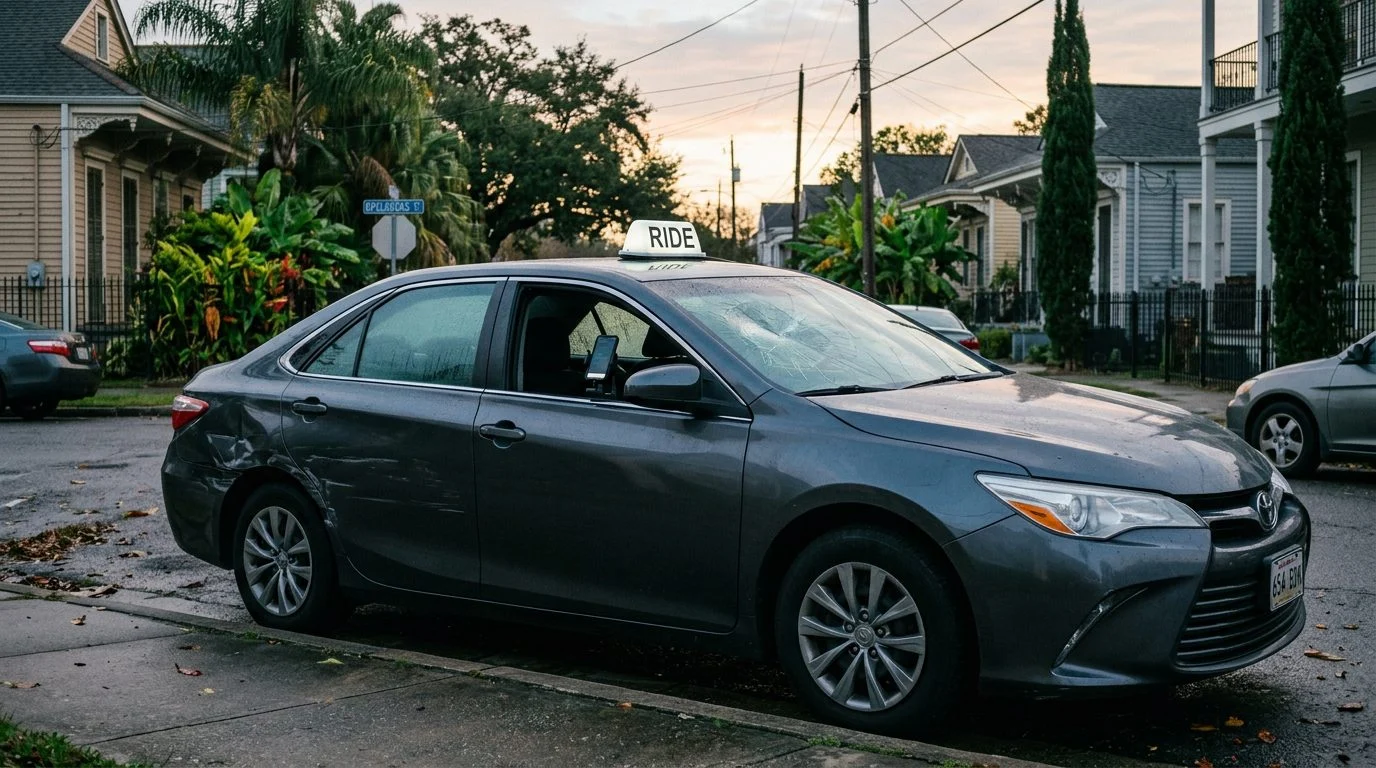
Rideshare crashes need extra care. Under La. R.S. 45:201.7, insurers may exclude any or all coverage afforded under the policy issued to an owner or operator of a personal vehicle for any loss or injury that occurs while a driver is logged on to the app during the pre-trip acceptance period or on a prearranged ride. So the logged-on times and the stage of the trip matter.
Under La. R.S. 45:201.8, in a claims coverage investigation, within ten business days of a request for information, a transportation network company and any insurer potentially providing coverage must cooperate to exchange relevant information, including the precise times a driver logged on and off the digital network in the twelve-hour period immediately preceding and in the twelve-hour period immediately following the accident.
If you were a passenger, you may still have options through the other driver’s policy. Keep copies of every notice, letter, and claim number you receive.
What to expect when the other insurer contacts you
The other driver’s adjuster works for that insurer, so the call is part of the insurer’s own review of the claim.
An adjuster may call, email, or write soon after a crash. The adjuster may ask for a recorded statement, your medical history, and a description of how the crash happened.
You can ask for the adjuster’s name, company, and claim number first. You can also ask for time to gather your facts before answering detailed questions.
Read any release or payment offer carefully before you respond. The terms can affect later claims. Keep a log of every call, including the date, time, and what was said.
Common mistakes that can complicate a claim
Several early mistakes can make a claim harder to prove, so it helps to know them in advance.
- Saying “I’m fine” on a recorded line before your injuries are known. Early statements can be quoted later.
- Guessing about speed, distance, or who had the green light. Stick to what you clearly saw.
- Posting about the crash, your activities, or your injuries online.
- Skipping recommended medical follow-up, which can make it harder to connect injuries to the crash.
- Accepting an early offer before you know the full extent of your injuries.
A person whose share of negligence is 51 percent or more cannot recover damages. A smaller share reduces the damages.
Keep your own notes, photos, and receipts. Write down symptoms as they change.
Deadlines and time limits to keep in mind
Louisiana generally gives two years to file an injury lawsuit, but insurance notice rules run on their own timelines (La. Civ. Code art. 3493.1).
Under La. Civ. Code art. 3493.1, delictual (tort) actions are subject to a two-year liberative prescription (filing deadline). The period starts on the day the injury or damage is sustained.
The article also contains exceptions, so the dates in your case should be reviewed promptly.
If the other driver had no insurance, a claim under your uninsured motorist coverage has its own timing. Under La. R.S. 9:5629, those actions are prescribed by two years from the date of the accident.
Insurance notice requirements are separate from these lawsuit deadlines. Don’t wait for an insurer to finish its review before asking about dates. Missing a filing deadline can limit your legal options.
Keep a calendar of key dates from the day of the crash.
Not sure what your next step is?
Talk it through with our team — the first consultation is free, confidential, and carries no obligation.
Talking with a New Orleans trial lawyer about your crash
A short, confidential conversation about your own facts can show which of these steps apply to you.
American Trial Lawyer, LLC represents people hurt in car, truck, commercial vehicle, rideshare, and motorcycle crashes, and families in wrongful death cases. Przemek Lubecki is the responsible lawyer for this page, and the firm’s office is in New Orleans.
Do I have to call the other driver’s insurance company?
In most cases, no. You can still choose to speak with the adjuster after you know your facts.
Can I request a copy of a recorded statement?
Whether you can obtain a copy depends on the circumstances of your claim, so contact our office to discuss your situation.
If you’re hurt and fielding insurance calls while you recover, you can talk through your own facts with us. Przemek Lubecki and our team can review your crash and answer your questions. Request a free case evaluation or call 855-LUBECKI. The initial consultation is free, confidential, and without obligation to continue. American Trial Lawyer, LLC may associate or refer a case to other law firms.
How we can help
Protecting your position
We can explain how an insurance adjuster may approach your claim and help you decide how to respond.
Clear answers
We take time to explain the process in plain language so you know what to expect at each step.
A confidential first conversation
The initial consultation is free, confidential and without obligation to continue.
Office in New Orleans
Przemek Lubecki leads our New Orleans office. We may associate or refer a case to other law firms, and we will tell you if that happens.
Think before you give a recorded statement
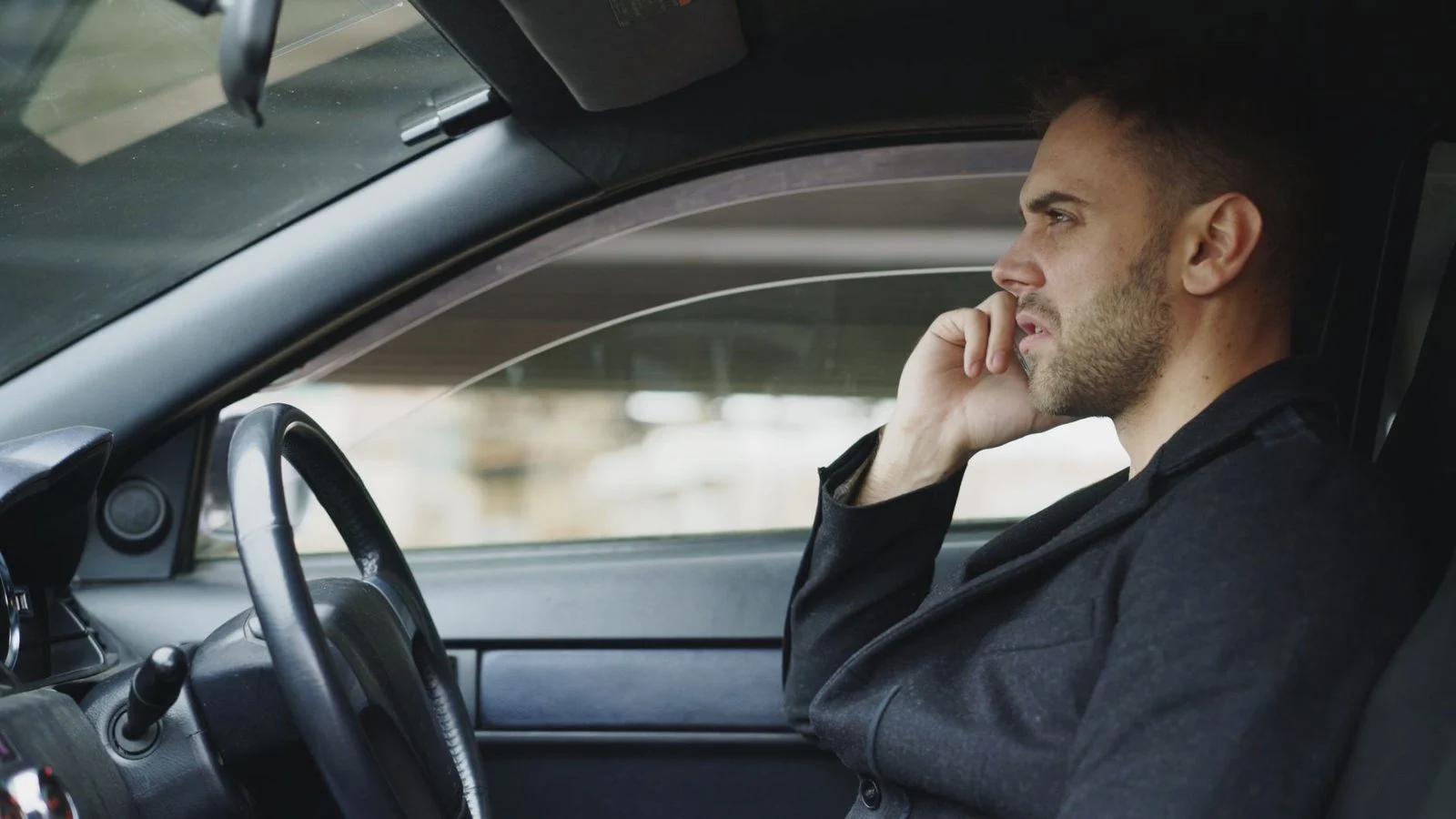
An adjuster may ask you to give a recorded statement soon after a crash, often before you have seen a doctor or understood your injuries. Take a moment before you agree.
Things to consider after a crash
Your health comes first
Get medical attention for any injury, even one that seems minor at first. Some symptoms appear hours or days later.
Write down what you remember
Note the date, time, location, weather and what each driver said while the details are still fresh.
Keep your records
Save photos, repair estimates, medical bills, pay stubs and any letters you receive from insurance companies.
Pause before you sign
Do not sign releases or settlement papers until you understand what they cover. Ask questions first.