
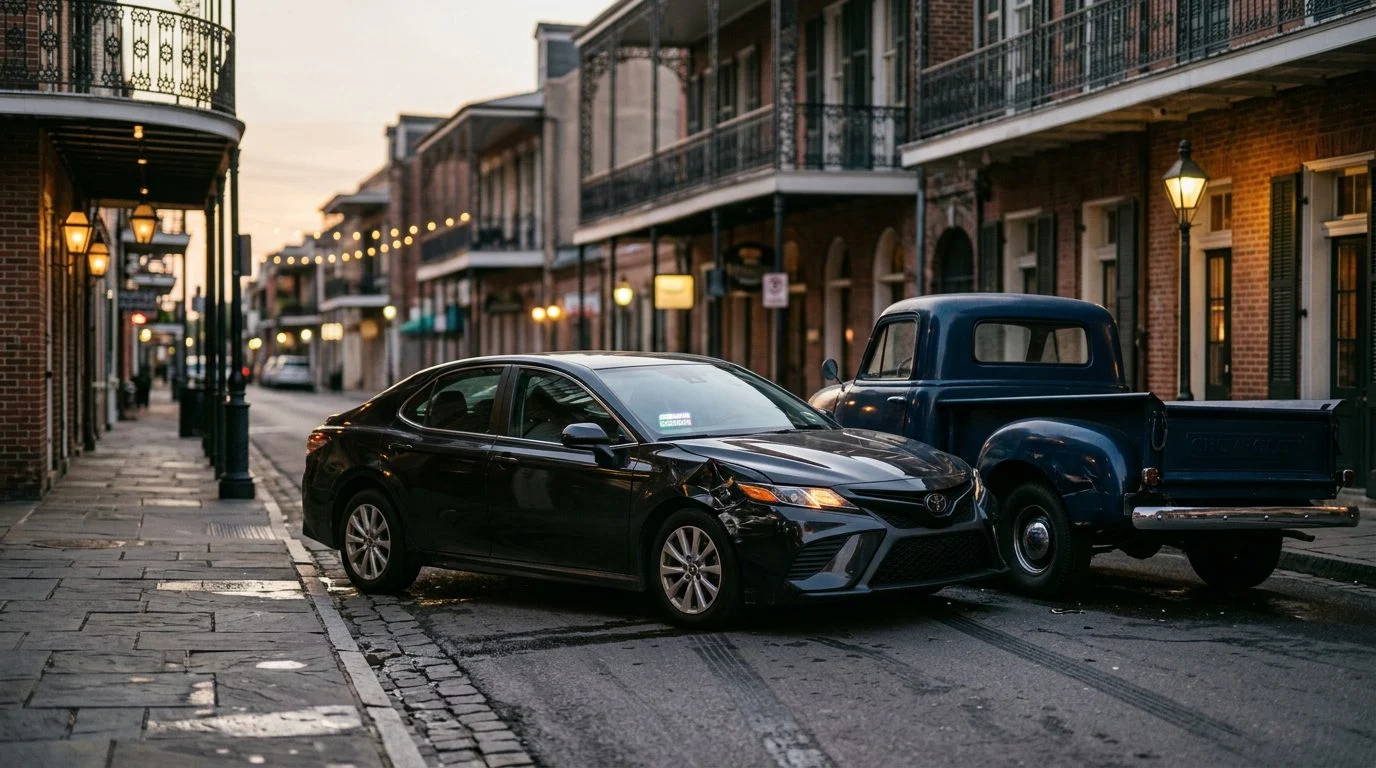
Rideshare Accidents | New Orleans
Hurt in an Uber Crash in New Orleans? Learn Where You Stand
Przemek Lubecki and our team help people injured in rideshare crashes, and families who have lost someone, across Orleans Parish and Louisiana.
By Przemek Lubecki · Published November 9, 2026
Being hurt in a crash you didn’t choose is hard. Bills, missed work and worry about driving or riding again can pile up fast. If you’re asking, “Can I sue Uber if I was in an accident?”, you’re asking the right first question.
In some rideshare crashes, a person may be able to bring a claim against Uber. Whether a claim is possible depends on the facts of the crash, and Louisiana deadlines apply.
The short answer: it may be possible, and the facts decide it
Four questions shape the answer. Who was driving? What was the app doing at the time? Who caused the crash? Which deadlines apply? Each answer can change who may be named and how a claim moves forward.
Louisiana law generally ties liability to fault. Under La. Civ. Code art. 2316, a person is responsible for damage caused by negligence, imprudence or want of skill. Louisiana Civil Code article 2316 makes a person responsible for damage he occasions not merely by his act, but by his negligence, his imprudence, or his want of skill.
That’s why the crash report, the trip timeline and medical records all matter. Together, they help show what happened and who may share responsibility.
A crash involving an Uber vehicle can leave you with pain, bills and hard questions, and we're glad to help you sort out what may apply to you. Talk it through with our team — the first consultation is free, confidential, and carries no obligation.
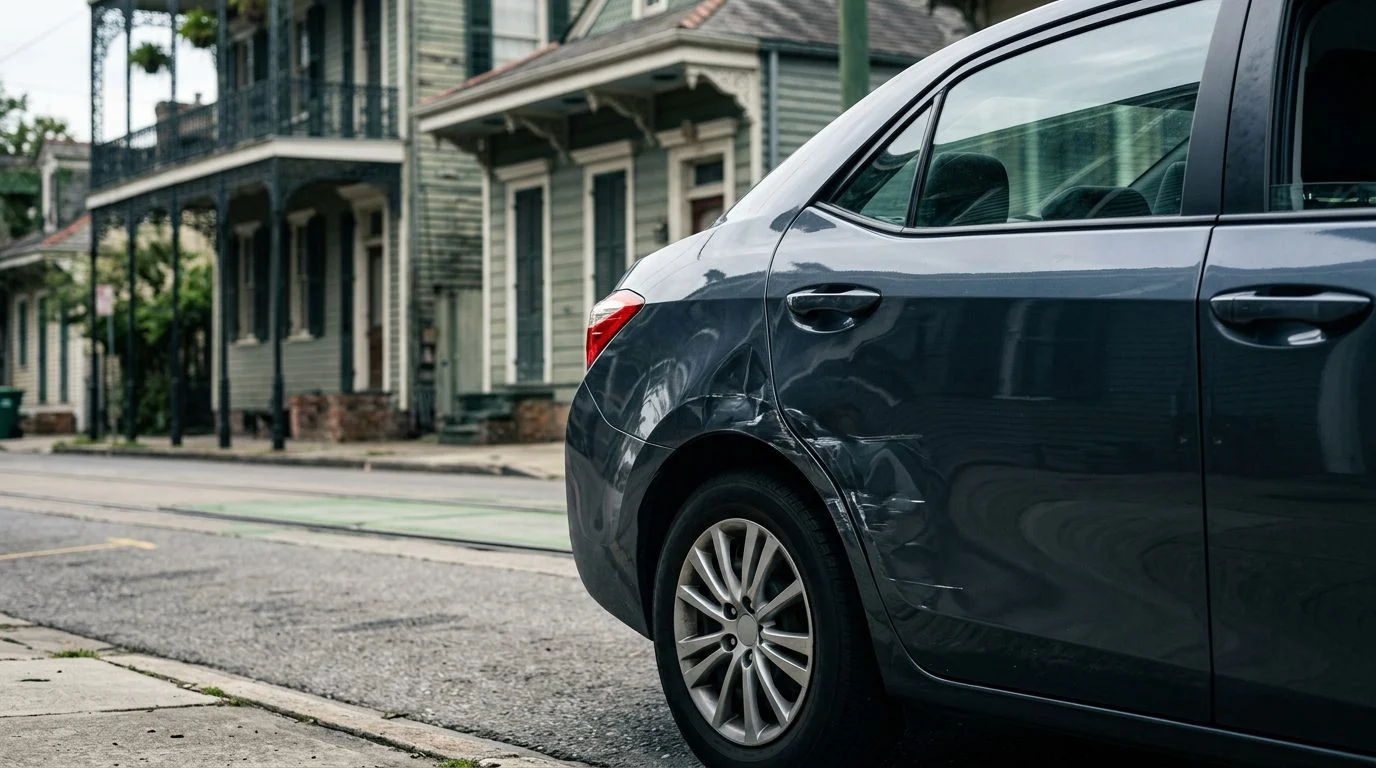
Who can be named in a rideshare accident claim
A claim may name the Uber driver, Uber, another driver, or another party whose fault contributed to the crash. Who belongs on that list turns on how the crash happened.
Under La. Civ. Code art. 2320, an employer may answer for damage caused by an employee while that person is doing the job. The law adds a limit. Responsibility attaches only when the employer might have prevented the act and did not. Whether a driver counts as Uber’s employee is a question for the facts of each case.
Passengers, drivers and people in other cars or on foot each start from different places. For passenger-specific questions, see our rideshare accidents page.
A rideshare case may be associated with or referred to other law firms. American Trial Lawyer may associate or refer a case to other law firms when that is likely.
How app status can change which insurance applies
Insurance for a rideshare trip can depend on what the app was doing when the crash happened. A trip moves through phases. The app may be off, on and waiting for a request, on the way to a pickup, or carrying a passenger.
Each phase can involve different coverage. The driver’s personal auto policy may or may not respond in some phases. Those questions need a review of the actual policies and trip records.
Auto insurance has two parts that matter here. Liability coverage generally pays for injury or damage a policyholder causes to others. Uninsured or underinsured motorist coverage can help when the at-fault driver has too little insurance. A California Department of Insurance rideshare brochure describes these general coverages.
Timing matters. Write down the time of the crash and what the app showed. Screenshots and the trip receipt can help preserve that detail.
Louisiana rules that shape the claim
Louisiana deadlines are strict, so timing matters early. Under La. Civ. Code art. 3493.1, a delictual action, meaning a claim for injury caused by fault, generally prescribes in two years. The period runs from the day the injury was sustained. The statute has an exception: it does not run against minors or interdicts in actions involving permanent disability brought under the Louisiana Products Liability Act or state product liability law.
Wrongful death claims follow a different timeline. Under La. Civ. Code art. 2315.2, the right of action generally prescribes one year from the death or two years from the injury, whichever is longer. Only certain relatives may sue. The surviving spouse and children come first, followed by parents, siblings and grandparents in a set order.
Louisiana also uses comparative fault, or shared fault (La. Civ. Code art. 2323).
When more than one party is at fault, La. Civ. Code art. 2324 generally makes each party answer only for its own degree of fault, but a person who conspires with another to commit an intentional or willful act is answerable in solido with that person for the damage caused by that act.
Evidence that usually matters in a rideshare crash
The most useful evidence is usually a crash report, photos, witness contact details, app records and medical records. Gathering them early helps keep the facts clear.
Under La. R.S. 32:398, crash reports are confidential. Under La. R.S. 32:398(I)(1)(a), crash reports and the information in them are confidential and are made available only to the parties to the crash, their attorneys, and insurers of any party that is the subject of the report, along with certain other listed persons, including a news-gathering organization that requests documents related to a specific crash. Upon request, reports are available within seven working days after the crash investigation is complete. The Louisiana State Police traffic records unit explains how requests work. Ask the officer at the scene for the report number.
Trip data and app records are often held by the rideshare company. A claim may need to request them. Save your receipt, screenshots of the app and any messages with the driver.
Get medical care right away, even if you feel fine at first. Some injuries take time to show symptoms. Keep a simple log of symptoms, appointments, bills and missed work.
Common mistakes include waiting to save screenshots and giving statements to insurers before the facts are reviewed.
Talk through your situation with American Trial Lawyer
If a family member is in the hospital after a crash involving an Uber vehicle, you don’t have to sort it out alone. The same is true if you’re trying to understand your options after your own trip in New Orleans or elsewhere in Louisiana.
Przemek Lubecki is the responsible lawyer for this page. Our office is in New Orleans, Louisiana. Our team can talk through the details of your crash with you.
To start, request a free case evaluation or call 855-LUBECKI (office in New Orleans). The first consultation is free, confidential and without obligation to continue.
Not sure what your next step is?
Talk it through with our team — the first consultation is free, confidential, and carries no obligation.

Frequently Asked Questions
Can I sue Uber if I was a passenger in an Uber that crashed?
Possibly. Passengers injured in a crash during an Uber trip may have claims against the driver, the company, or another driver, depending on how the crash happened and the driver’s app status at the time. Each case depends on its specific facts.
Can I sue Uber if another driver caused the crash?
You may be able to, depending on the facts. Whether the company can be held responsible depends on the circumstances.
How long do I have to file a lawsuit after a rideshare accident in Louisiana?
Because deadlines can be affected by specific facts and legal exceptions, it is important to act promptly.
What if the Uber driver wasn’t logged into the app when the crash happened?
This can change who may be responsible and which insurance applies. Drivers who are not logged into the app or on a trip may be treated differently, so whether a claim exists against Uber depends on the driver’s status and the facts at the time of the crash.
How we approach rideshare cases
Focused representation
Przemek Lubecki leads our work for people seriously hurt in truck, car, commercial vehicle and rideshare crashes, and for families in wrongful death cases.
Plain-language answers
We explain who may be involved, what evidence matters and what the process looks like, so you can make informed decisions.
Free first consultation
The first consultation is free, confidential and without obligation to continue.
Office in New Orleans
Our office is in New Orleans. We serve people across Orleans Parish, the New Orleans metro area and Louisiana.
Questions people ask after a rideshare crash
I was a passenger
Passengers hurt in a crash during a trip often have questions about who may be responsible. Each situation is different, so bring your facts to a consultation.
Another driver caused the crash
Many rideshare crashes involve other vehicles. We can review how the crash happened and talk with you about your options.
I was a driver on the app
Drivers hurt in crashes have their own questions about coverage and claims. We can help you understand the next steps.
My loved one died
Families facing a wrongful death claim after a rideshare crash can speak with us privately, at their own pace, about what comes next.
Your case may be referred or associated with another firm
American Trial Lawyer, LLC may associate or refer a case to other law firms. If that happens, we will tell you. Co-counsel and referring lawyers are not part of American Trial Lawyer, LLC.
Talk with Przemek Lubecki about your rideshare crash. Our office is in New Orleans.
Related practice areas
- Rideshare Accident Lawyer in New Orleans
- Passenger Injured in an Uber or Lyft Crash
- Does Lyft Cover Accidents? A Louisiana Rider Guide