
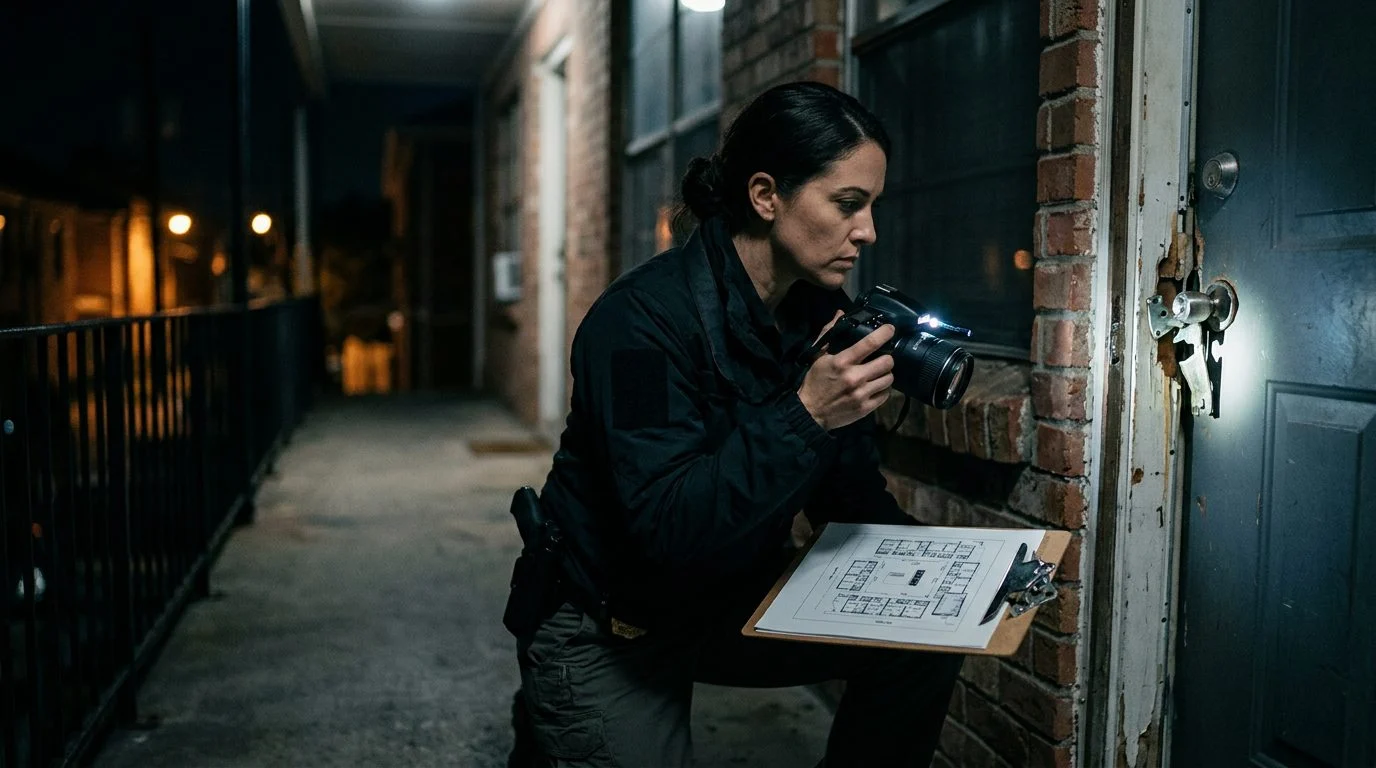
Nightclub Shooting Injury Lawsuit New Orleans
By Przemek Lubecki · Published October 20, 2026
A nightclub shooting injury lawsuit in New Orleans can name more than the shooter. Depending on the facts, a claim may also address the venue, its operator or a security provider. This guide explains how these claims may work under Louisiana law, what evidence matters, and what to expect. It is general information, not a promise of any result.
If you are reading this for an injured friend or a family member who died, you may be dealing with medical care, grief and unfamiliar questions all at once.
What a Nightclub Shooting Injury Claim Is and Who It Is For
A nightclub shooting injury claim is a civil lawsuit for money damages. It is separate from any criminal case against the person who fired the shot.
Louisiana law makes people responsible for damage they cause through their negligence, imprudence or want of skill (Louisiana Civil Code art. 2316). The person who fired the shot is not always the only party a claim may address.
This page is written for:
- Patrons shot or hurt inside a bar, lounge or nightclub
- Staff and bystanders who were hit or injured
- Families of someone killed in a shooting
Our team handles negligent security and wrongful death matters. Przemek Lubecki is the responsible lawyer for this page. Our office is in New Orleans, and we serve Orleans Parish, the New Orleans metro area and Louisiana.
Not sure what your next step is?
Talk it through with our team — the first consultation is free, confidential, and carries no obligation.
Common Shooting Scenarios: Inside, Entrances and Parking Areas
Most of these claims turn on two questions. Where did the shooting happen, and who controlled that space? Common situations include:
- A shooting during a fight or dispute inside a crowded venue
- A leg, hip or other limb injury that needs surgery or ongoing care
- A shooting in a parking lot, entrance line or lot the venue uses for patrons
- Falls, crush injuries or panic during a stampede started by gunfire
Each scenario raises different questions. A lot the venue runs for its customers can raise different issues than a public street nearby. Head injuries may need detailed medical records and follow-up care over time.
When a Venue May Be Responsible for Negligent Security
A venue may be responsible when its own carelessness helped cause the harm. Louisiana law also makes employers answerable for damage their workers cause in the job, when the employer might have prevented it and did not (Louisiana Civil Code art. 2320).
When a claim is reviewed, common issues include:
- Staffing levels and how doors and entrances were controlled
- Security screening, staff training and lighting
- Camera coverage and how staff responded to earlier threats
- Alcohol service, since state law limits liability for certain injuries suffered off the premises (La. R.S. 9:2800.1)
- Prior fights, complaints, police calls or threats at the same location
A security company’s own conduct can be reviewed separately from the venue’s. A shooting alone does not decide liability. The facts of each incident do.
Who Can Be Named and What Damages May Apply
The shooter, the venue owner or operator, a management company or a security provider may each be a possible defendant. Louisiana assigns fault among everyone who contributed, even people who are not parties to the case (Louisiana Civil Code art. 2323).
Comparative fault (shared fault) also applies. Under La. Civ. Code art. 2323(A)(2)(a), if the degree or percentage of negligence attributable to the person suffering injury, death, or loss is equal to or greater than fifty-one percent, that person shall not be entitled to recover damages, except under art. 2323(C), where a claim is not reduced if the injury results partly from that person’s own negligence and partly from the fault of an intentional tortfeasor (Louisiana Civil Code art. 2323). Under La. Civ. Code art. 2323(A)(2)(b), if the degree or percentage of negligence attributable to the person suffering injury, death, or loss is less than fifty-one percent, the amount of damages recoverable shall be reduced in proportion to that degree or percentage, except under art. 2323(C), where a claim is not reduced if the injury results partly from that person’s own negligence and partly from the fault of an intentional tortfeasor (Louisiana Civil Code art. 2323). Generally, a defendant owes no more than its own share of fault, but under La. Civ. Code art. 2324(A), a person who conspires with another to commit an intentional or willful act is answerable in solido with that person for the damage caused by that act (Louisiana Civil Code art. 2324).
Injury claims may address medical care and pain and suffering. Future medical costs are limited unless they relate directly to a manifest physical or mental injury or disease (Louisiana Civil Code art. 2315). When an insurer or Medicare paid a contracted provider, medical recovery is limited to the amount actually paid plus cost sharing, not the amount billed (La. R.S. 9:2800.27).
If someone died, certain surviving family members may sue. The order starts with a surviving spouse and child or children, or either of them, then parents, siblings and grandparents, each class only if no higher class survives, and a father or mother who has abandoned the deceased during his minority is deemed not to have survived him (Louisiana Civil Code art. 2315.2).
Evidence That Often Matters Early
Early evidence can be lost, so it helps to act quickly. Key items include:
- Police report numbers and incident reports.
- Surveillance video from the venue or nearby businesses, along with a written request to keep it.
- Security logs, staffing schedules and prior calls to the location.
- Names and contact details of witnesses, plus any photos or messages from the scene.
- Medical records and bills from every provider, starting with the first emergency visit.
Louisiana’s deadlines are short. Delictual actions which arise due to damages sustained as a result of an act defined as a crime of violence under Chapter 1 of Title 14 of the Louisiana Revised Statutes of 1950, except as provided in Article 3496.2, are subject to a liberative prescription of two years, which commences to run from the day injury or damage is sustained (Louisiana Civil Code art. 3493.3). Wrongful death claims follow the longer of one year from death or two years from the injury, except that medical malpractice wrongful death claims prescribe one year from the death of the deceased (Louisiana Civil Code art. 2315.2). Timing should be reviewed early.
How the Process Works, Step by Step
The process usually starts with a conversation about the facts. It then moves to investigation and a decision on how to pursue the claim. Typical steps include:
- Initial conversation. We review what happened, your injuries and any insurance information you have.
- Deadline check. We look at the time limits that apply to your situation.
- Investigation. We request records, police reports and video, and send preservation requests where needed.
- Claim presentation. We identify potentially responsible parties and their insurers. The firm may associate or refer a case to other law firms when that is appropriate.
- Negotiation or suit. If the claim does not settle, it may proceed to filing suit and preparing for trial.
Timelines vary with the facts, the parties involved and the court schedule.
Have questions about what happened?
Ask our team directly. The first conversation is free, confidential, and there is no obligation to continue.
Why Work With American Trial Lawyer
American Trial Lawyer is led by Przemek Lubecki, a trial lawyer who is responsible for the content of this page. Our New Orleans office handles serious truck, car, commercial vehicle, rideshare and motorcycle crash cases. We also handle wrongful death, brain injury and negligent security matters.
Our team plans case work with the possibility of trial in mind. Our support staff help keep records, scheduling and communication organized.
Every case depends on its own facts. No lawyer can promise a particular outcome.
Frequently Asked Questions
Can I sue a bar if I was shot inside?
Possibly. A claim may be possible when the facts show the venue’s own negligence contributed to the harm.
Do I need the shooter arrested or convicted first?
A civil claim is separate from any criminal case. The two may move on different timelines.
Can a family sue after a fatal nightclub shooting?
Possibly. Louisiana law lets certain surviving family members bring a wrongful death suit, in an order set by statute.
How long do I have to file a nightclub shooting injury lawsuit?
Deadlines are short and depend on the type of claim and the date of the injury or death. Have them reviewed early.
What if I was partly at fault?
Louisiana applies comparative fault (La. Civ. Code art. 2323). Under La. Civ. Code art. 2323, when a person is hurt partly through his own negligence and partly through the fault of others, and the percentage of negligence attributable to him is equal to or greater than fifty-one percent, he is not entitled to recover damages, unless the other fault is that of an intentional tortfeasor, in which case his claim for recovery of damages shall not be reduced. A lower share reduces the recovery.
Can a claim cover a shooting in a parking lot?
It may, depending on who controlled the lot and what security was in place.
Talk With Our Team About Your Situation
If a shooting at a New Orleans nightclub left you or someone you love hurt, you may still be dealing with medical visits, missed work and questions about that night. You do not have to face those questions alone. Request a free case evaluation or call 855-LUBECKI for a free consultation with our New Orleans office. The consultation is free, confidential and comes with no obligation to continue. You may be responsible for case costs and expenses in addition to the fee.