
Wrongful Death | New Orleans, Louisiana
Phone Records Can Be Important Evidence After a Fatal Crash
When a driver's phone use may have played a part in a deadly crash, phone records can help show what happened. Trial lawyer Przemek Lubecki and the American Trial Lawyer team, with an office in New Orleans, help families understand the evidence and their options.
By Przemek Lubecki · Published October 31, 2026
If a loved one died in a crash in Louisiana, phone records may become part of the story. Texts, call logs, app activity and social media posts can show when a phone was in use near the time of a crash. Some of that information isn’t kept forever, so families often need to act early.
Phone records after fatal crash Louisiana wrongful death matters can be a key source of facts. This guide explains what to preserve now, what to avoid, and who may bring a claim. It’s written for family members who are handling this for someone they love, often while grieving. Przemek Lubecki is the responsible lawyer for this page. Our New Orleans office serves families in Orleans Parish, the New Orleans metro and across Louisiana.
Why Phone and Social Media Evidence Can Matter After a Fatal Crash
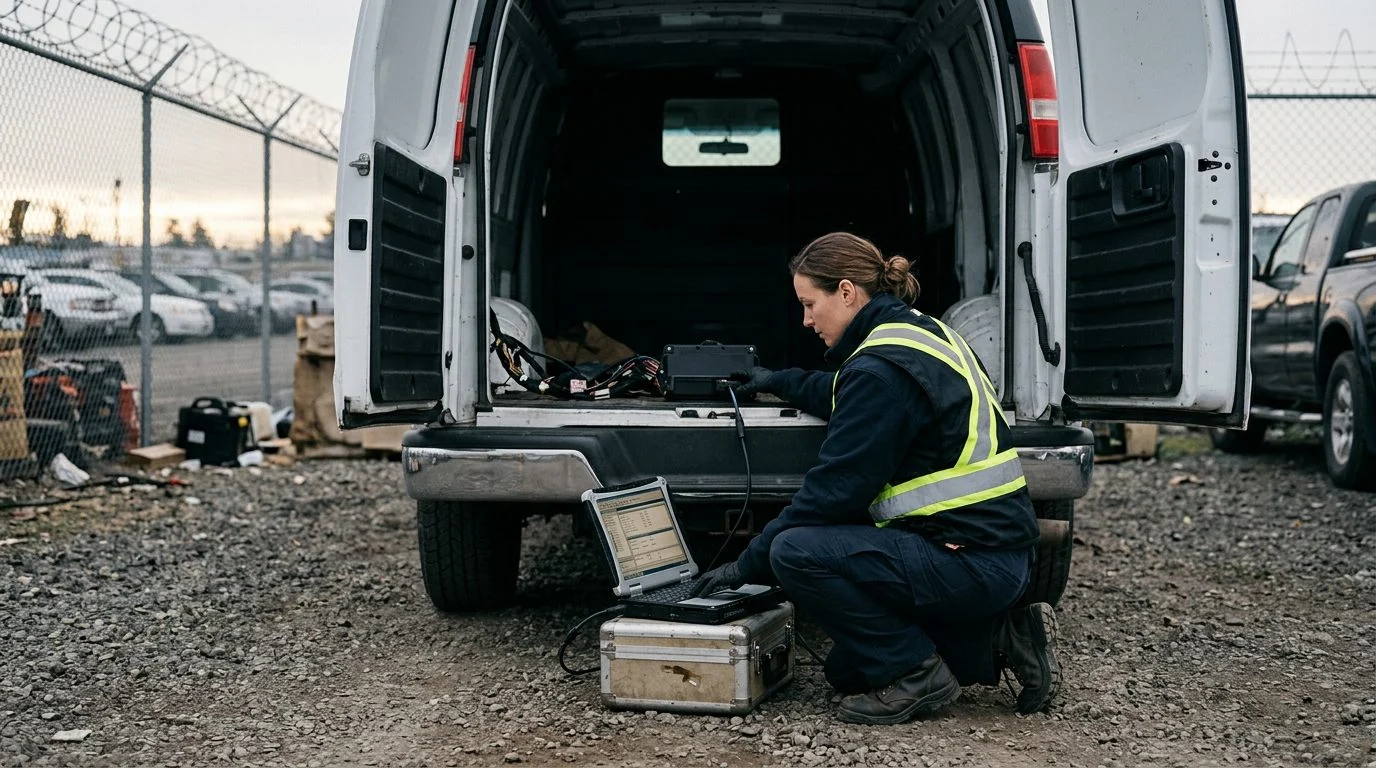
Phones and online accounts can record when messages were sent, when calls were made and what was posted. That timing can matter to what happened in the minutes around a crash. A phone in use while someone was driving tells a different story than one that was silent.
Evidence like this isn’t always kept long. Carriers, platforms and phones handle data differently, and some information is overwritten over time. That’s why it helps to act early, even while you’re still making funeral arrangements.
It’s also normal to feel overwhelmed. Many families are handling work, children, paperwork and grief at the same time. You don’t need to understand every legal step today. You only need to keep what exists in its current state until you can get advice.
If you're protecting a loved one's phone and accounts after a fatal crash, you don't have to face it alone. Our team can talk with you about your family's situation. Talk it through with our team — the first consultation is free, confidential, and carries no obligation.
Who Can Bring a Wrongful Death Claim in Louisiana
Under La. Civ. Code art. 2315.2, certain surviving family members may sue when a person dies due to another’s fault. Who may sue depends on who survived:
- A surviving spouse and child or children, or either of them.
- A surviving father and mother, if the deceased left no spouse or child.
- Surviving brothers and sisters, if the deceased left no spouse, child or parent surviving. A father or mother who abandoned the deceased during his minority is deemed not to have survived him.
- Surviving grandfathers and grandmothers, if the deceased left no spouse, child, parent or sibling surviving. A father or mother who abandoned the deceased during his minority is deemed not to have survived him.
The statute counts family members by adoption in these same terms, and a child, brother or sister given in adoption is also included.
The statute also sets a time limit. Under La. Civ. Code art. 2315.2, the time limit for a wrongful death suit is one year from the deceased’s death or two years from the day that injury or damage is sustained, whichever period is longer. For medical malpractice claims under that article, the period is one year from the death of the deceased. Louisiana’s general two-year rule for tort claims is found in La. Civ. Code art. 3493.1.
Knowing who is eligible helps a family decide who should be involved in preserving evidence. For how a suit is filed in Orleans Parish, see our Louisiana wrongful death lawsuit guide.
Preserve the Deceased Person’s Phone Exactly as It Is
Keep the phone in its current condition. Don’t reset it, repair it, trade it in or let a shop wipe it.
- Store the phone in a safe, dry place, charged if you can.
- Keep the case, SIM card and charger together. If the phone was damaged at the scene, write down where it was found.
- Keep the passcode in a secure place. Don’t share it with an insurance adjuster or anyone else without advice first.
- Avoid scrolling through messages and apps again and again. Handling data can change how it appears. Contact this firm to talk about how to access a phone properly.
- Write down what you already know: the carrier, the phone number and which device was used. Do this while the details are fresh.
Preserve Social Media, Messaging and Cloud Accounts
Don’t delete the deceased person’s posts, messages, photos or accounts. Don’t close accounts without advice first.
- Don’t log in and post, reply or message people in the deceased person’s name. New activity can confuse what the account shows.
- Don’t change privacy settings without advice.
- Save login information for cloud backups tied to the phone or email account. Backups may hold messages or location history.
- Take dated screenshots of relevant posts, messages and status updates. Include the date and time you took each one.
- Save memorial posts and messages from friends too. They can help the family understand what happened.
Keep a simple list of every account that exists. A list keeps anything from being missed.
What Records of the Other Driver’s Phone Can Show
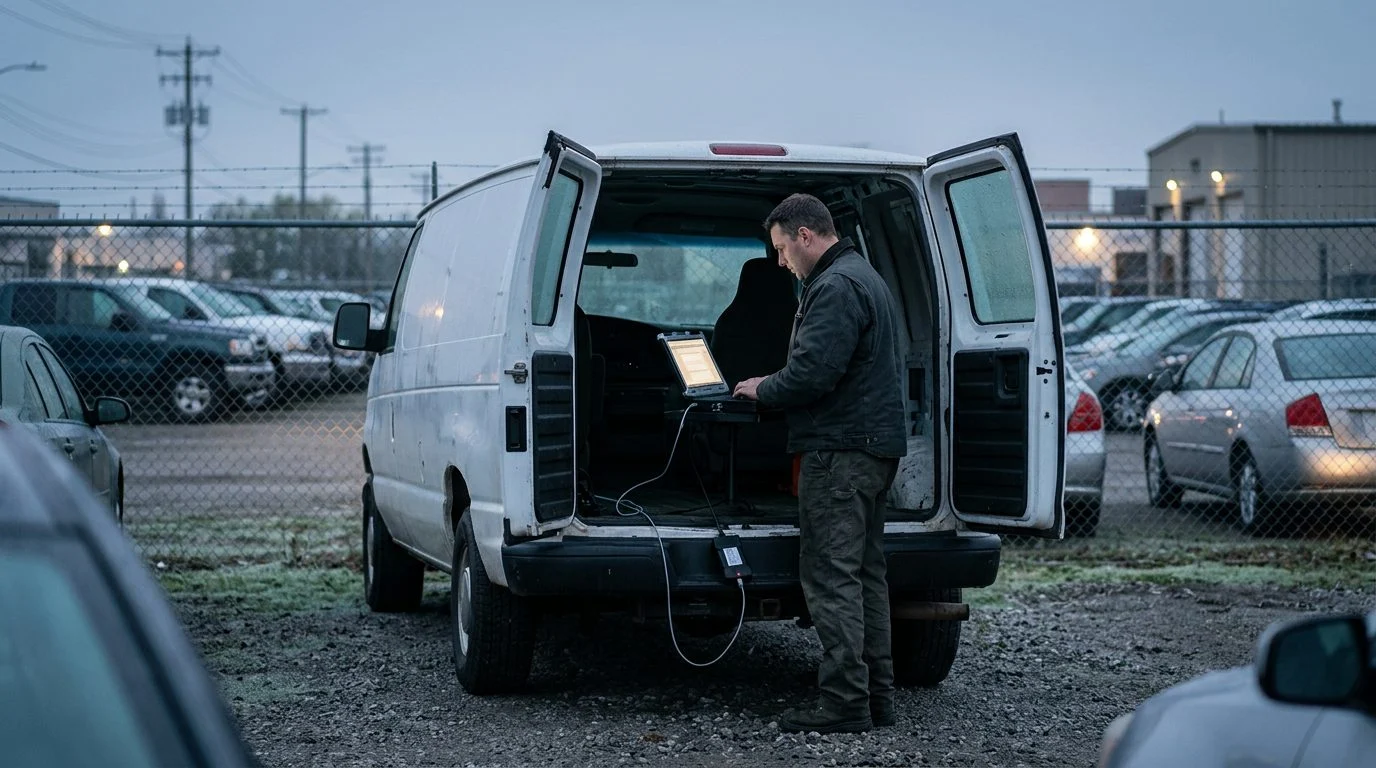
Wireless carrier records can show whether calls or texts were made or received near the time of a crash. They may not show the content of messages.
Carriers keep different kinds of records for different lengths of time. These include call and text logs, data sessions and cell-site information. Those time periods vary, so the sooner a request is made, the better. These records are usually requested through a formal legal process. Don’t assume you can get them directly from the other driver’s carrier.
A crash report is another source. Under La. R.S. 32:398, crash reports and the information in them are confidential. They’re available only to people the statute lists, such as parties to the crash, succession representatives and their attorneys. Upon request, they’re made available within seven working days after the crash investigation is complete.
If the crash involved a rideshare driver, La. R.S. 45:201.8 applies. Within ten business days of a request for information, the transportation network company and any insurer potentially providing coverage must cooperate. They must share the precise times the driver logged on and off the company’s digital network in the twelve hours before and after the accident.
Why Timing Matters: Preservation Requests and Deadlines
Timing matters because evidence can disappear, and filing deadlines keep running while a family gathers information.
A preservation request is a written letter asking the other side to keep relevant evidence. It can go to the other driver, their insurer, their employer or their wireless carrier. These letters are often sent early in a case.
Deadlines come from statute. As noted above, the wrongful death time limit runs from the death or the injury, whichever gives the longer period. Waiting to act on the phone and accounts can leave less time for everything else.
Make a list of who holds each type of evidence. That may include the carrier, the phone platform, a rideshare company, the investigating police agency and the insurers. A clear list can be shared with a lawyer quickly. Evidence that is lost or changed can make a case harder to prove, so a written request sent early matters.
Not sure what your next step is?
Talk it through with our team — the first consultation is free, confidential, and carries no obligation.
Common Mistakes That Can Cost Families Evidence
The most common problems are deleting accounts, handing over phones and posting online.
- Deleting or closing the deceased person’s accounts, or letting content disappear through long inactivity.
- Giving a phone or passwords to an insurance adjuster before getting advice on what to share.
- Posting about the crash, the other driver, fault or the case on social media. Others can see those posts.
- Relying on memory alone for times and dates. Writing down what happened, while it’s fresh, helps.
- Assuming the other side will keep evidence without a written request.

Talk With a Louisiana Trial Lawyer About Your Family’s Evidence
Many families reach this point while planning a funeral and trying to understand what happened. Talking with a lawyer doesn’t mean you’ve decided to file anything. It’s a way to learn which evidence matters and how to protect it.
Quick Answers
Who can bring a wrongful death claim in Louisiana?
Under Louisiana Civil Code article 2315.2, certain surviving spouses, children, parents, siblings or grandparents may sue, depending on who survived.
Can I get a copy of a crash report?
Crash reports are confidential and available only to people listed in La. R.S. 32:398, such as parties to the crash.
Can phone records show what a text said?
Carrier records may show whether a call or text happened near the time of a crash, but they may not show message content.
Przemek Lubecki is the responsible lawyer for this page. The first consultation is free, confidential and without obligation. To talk about your family’s situation, call 855-LUBECKI (Office in New Orleans) or request a free case evaluation. The firm may associate or refer a case to other law firms, where appropriate.
How We Approach These Cases
Early Evidence Review
Phone and cellular data can change over time. We look at what may still be available and help families think about preserving it early.
Careful, Respectful Handling
Losing someone in a crash is painful. We handle sensitive records and family questions with patience and discretion.
Focus on Wrongful Death
We represent families in Louisiana wrongful death matters arising from truck, commercial vehicle and car crashes.
Plain-Language Answers
We explain what phone records may show, what they may not show, and what the next steps could look like for your family.
Common Questions Families Ask
What can phone records show?
Depending on the records available, they may show call, text or data activity around the time of a crash. Each case is different, and records must be read in context.
Who can request these records?
Access to phone and crash-related records is often limited. A lawyer can help identify the proper steps for requesting or preserving records in your case.
Why timing matters
Carriers and devices keep data for different periods of time. Talking with a lawyer early can help avoid losing information that may matter.
Do I have to decide right away?
No. Your first consultation is free, confidential and without obligation. You can ask questions and decide what comes next at your own pace.
Important: Case Referrals
American Trial Lawyer may associate or refer a case to other law firms. If a case is referred or associated, we will tell you. Your first consultation is free, confidential and without obligation. Case costs and expenses may apply in some matters, and we will explain them clearly before you decide anything.