
Wrongful Death | New Orleans, Louisiana
When a Fatal Crash Has No Witnesses, the Evidence Still Tells a Story
Families in Orleans Parish and across Louisiana often face the hardest questions after a loss. Here is how fault can be shown when no one saw what happened.
By Przemek Lubecki · Published November 3, 2026
Can you prove fault in a fatal crash with no witnesses? Often, yes. A fatal crash can often be proven without an eyewitness, because fault usually depends on how the crash happened.
Physical evidence, crash records, and vehicle data can often answer that question, even when no one saw the collision. This page explains which records can stand in for an eyewitness, how Louisiana assigns fault when drivers disagree, and what families can do now. It is general information, not a prediction about any particular crash.
The Short Answer: Often Yes, Though the Facts Matter
Often, yes. The real question is not whether someone happened to be watching. It is whether the evidence, taken together, supports a conclusion about what each driver did.
Every crash is different. The vehicles, the road, the time of day, and the records that exist all shape what can be shown. A case that looks thin at first can sometimes be built from several smaller pieces. That is why early, careful gathering of evidence matters.
Louisiana law holds a person responsible for damage caused by negligence, imprudence, or want of skill. La. Civ. Code art. 2316 states that rule. Negligence is the core idea, and proof of it can come from many sources, not only a witness.
If you are trying to understand how a loved one's fatal crash happened, you don't have to sort through the evidence alone, and our team can talk it through with you. Talk it through with our team — the first consultation is free, confidential, and carries no obligation.
Why a Lack of Eyewitnesses Does Not End the Question
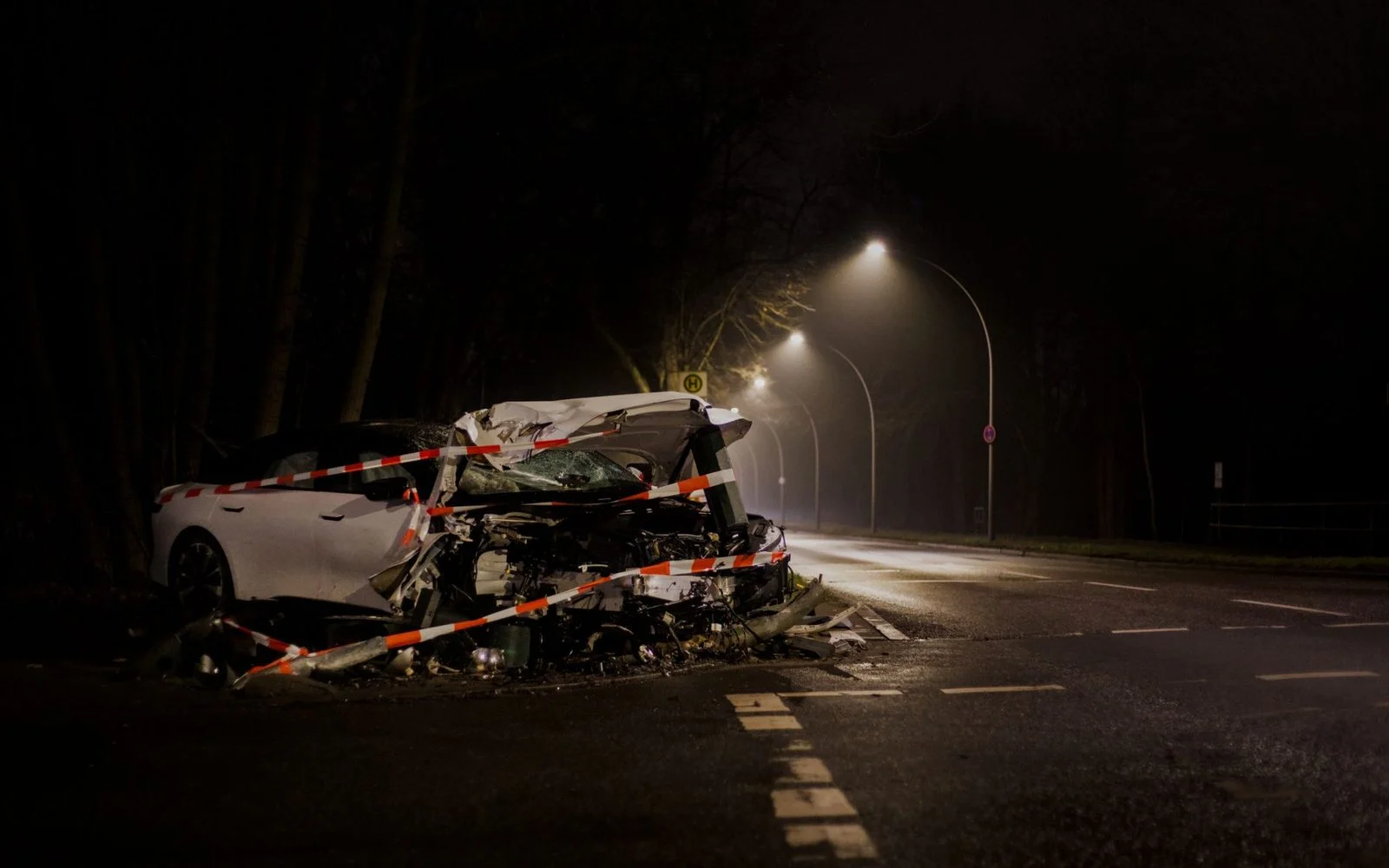
No witness is a common problem. Many fatal crashes happen at night, at busy intersections, or on highways where few people are looking. Nobody nearby may have watched the full sequence of events.
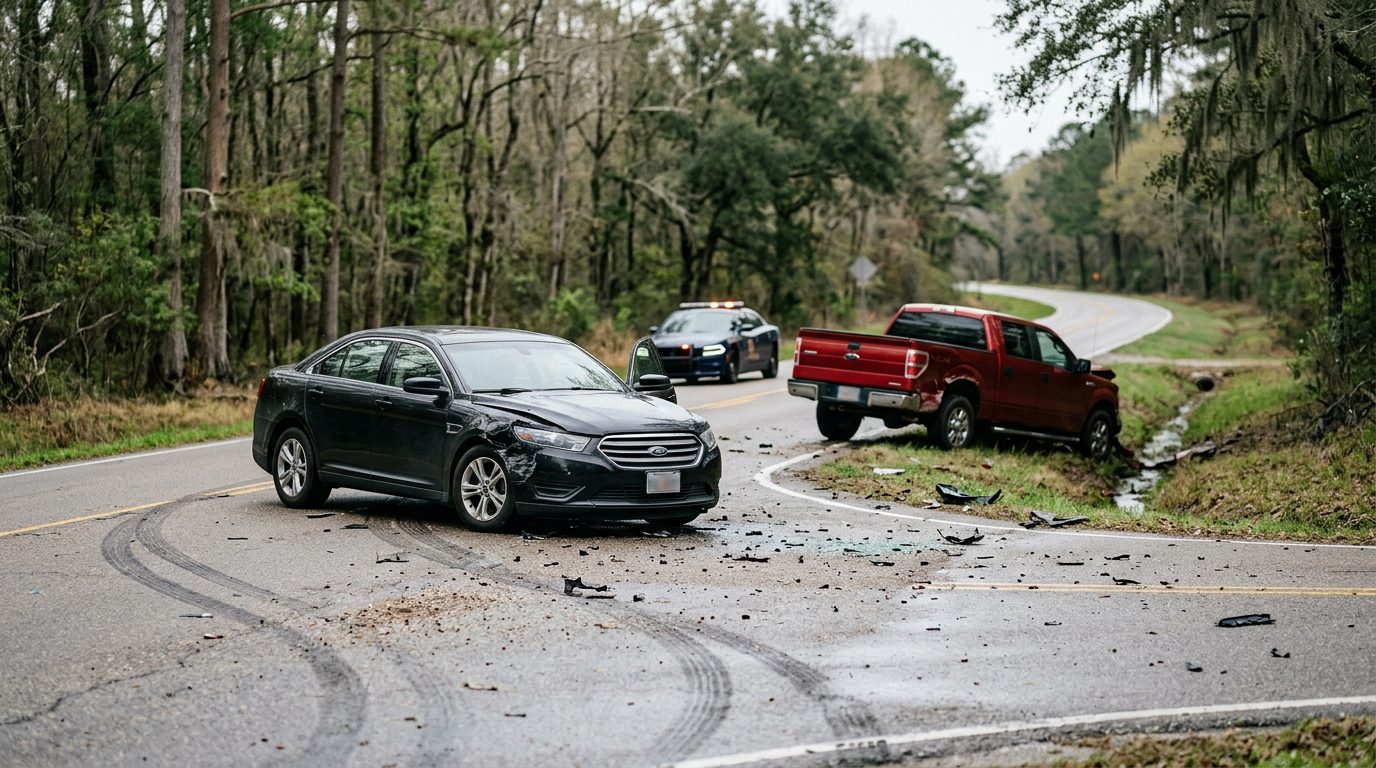
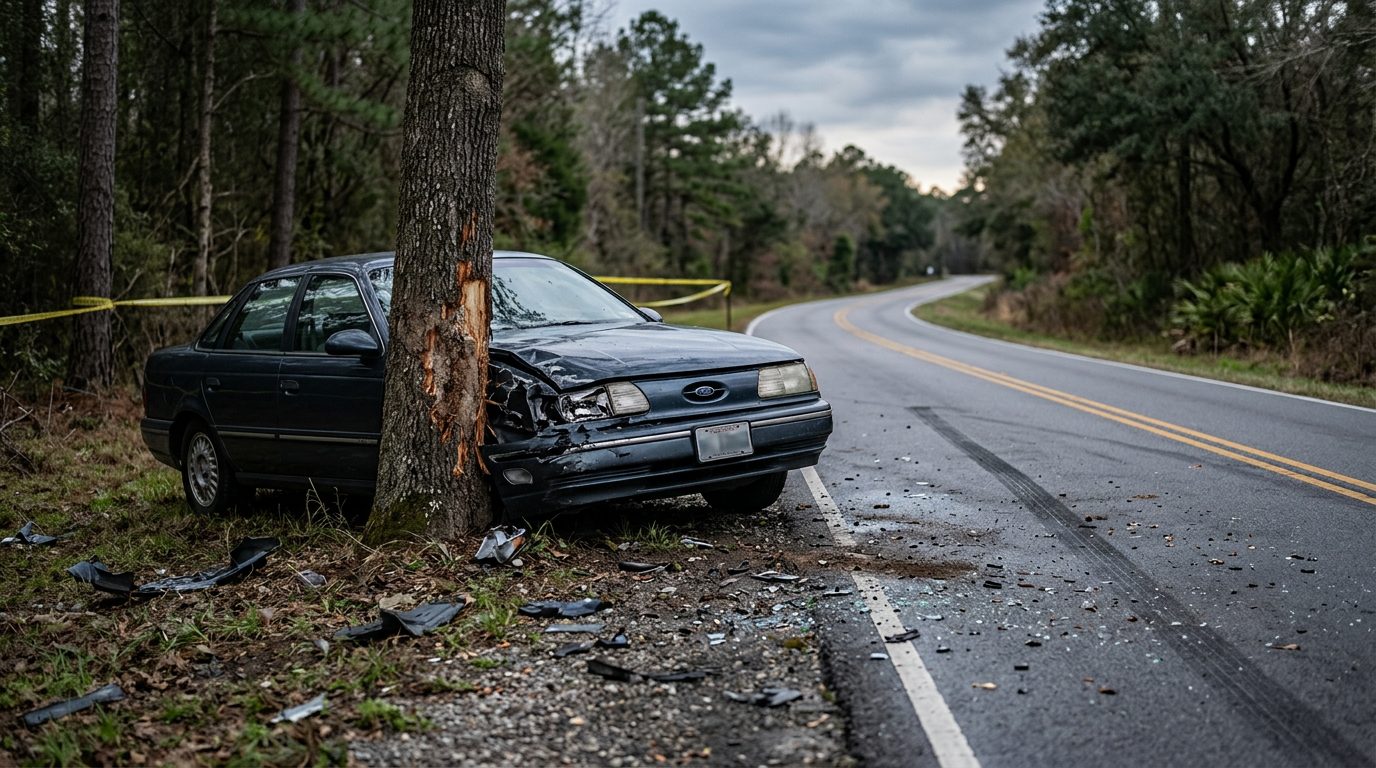
Investigators work from what the scene leaves behind. They look at where vehicles came to rest, where debris landed, what marks are on the pavement, and how each vehicle was damaged. Together, these details can show the direction of travel and where the impact happened.
Human memory changes over time. A bystander who saw part of a crash may remember it differently weeks later. Physical marks and recorded data do not shift in the same way, and they can be checked against one another.
Families face a harder version of this problem. The person who died cannot give their own account. The records have to carry more of the story, so it matters that they are gathered quickly and kept safe.
Evidence That Can Stand In for an Eyewitness
Crash reports, scene marks, vehicle data, and camera footage can each help replace an eyewitness. The strongest cases usually use more than one kind of evidence.
Crash reports. Louisiana’s crash-report law covers crashes that result in injury or death, or property damage in excess of five hundred dollars. Reports are made on approved electronic forms that disclose the cause, the conditions at the time, and the persons and vehicles involved, under La. R.S. 32:398. An officer’s conclusions are evidence to weigh, not the final word.
Access and timing. Reports are confidential. They go only to people the statute names, such as the parties, their insurers, and their attorneys. Upon request, they are made available within seven working days after the investigation is complete. Louisiana law sets the access rules for crash reports (La. R.S. 32:398(I)).
Police agencies must also provide crash photos and video to any interested person on request. They may charge a reasonable fee for photo and video copies; crash reports may be charged a fee not to exceed five dollars per report that does not exceed two pages, and not to exceed twenty dollars per report that exceeds two pages, inclusive of all service fees and other charges.
Scene evidence. Skid marks, yaw marks, debris fields, fluid trails, and final rest positions can show where things happened. Photos taken soon after a crash capture details that can disappear later.
Damage patterns. The location and shape of impact damage can show the direction and angle of each vehicle.
Camera footage. Traffic cameras, business surveillance, doorbell cameras, and dashcams can record the crash itself. Footage can be overwritten or lost, so early requests matter.
Vehicle data. Many vehicles store data from the airbag control module. It may record speed, braking, and throttle in the seconds before impact. Keeping the vehicle intact helps preserve that information.
Phone and dispatch records. 911 call records and dispatch times can show when and where a crash was reported. Phone records, where lawfully obtained, can show whether a driver was using a device.
Commercial Truck and Vehicle Records in Fatal Crashes
Commercial vehicles usually create more records than a passenger car does. Those records can show whether a driver’s account of speed, rest, or route matches the company’s own data.
Federal rules require many motor carriers to record each driver’s duty status. An electronic logging device (ELD) records data elements that include time, date, vehicle location, engine hours, vehicle miles, driver identification, vehicle identification, and motor carrier identification, under federal ELD data rules. It also adds an entry when a moving truck has gone an hour without another one.
Federal duty-status record rules require carriers to keep these records and supporting documents for at least six months from the date of receipt. Six months is a minimum, so early action matters.
Driver qualification file rules direct each motor carrier to keep those files for as long as the driver is employed by that carrier and for three years after, subject to an exception for certain records that may be removed three years after execution.
Maintenance problems can also matter. Our page on fatal truck crash brake failure and maintenance liability covers that issue.
How Louisiana Decides Fault When Drivers Disagree
Louisiana uses modified comparative fault. Under La. Civ. Code art. 2323, if the degree or percentage of negligence attributable to the person suffering injury, death, or loss is equal to or greater than fifty-one percent, that person shall not be entitled to recover damages. When a person suffers injury, death, or loss partly as the result of his own negligence, La. Civ. Code art. 2323 bars recovery if that person’s share of negligence is equal to or greater than fifty-one percent, and reduces recoverable damages in proportion to that percentage if it is less than fifty-one percent, except that where the other party is an intentional tortfeasor, the claim is not reduced. La. Civ. Code art. 2323 sets this rule, and its 2025 amendment took effect January 1, 2026.
Fault is weighed across everyone whose conduct contributed. Under the same article, that includes a nonparty. It applies even when that person’s identity is not known or reasonably ascertainable. The question is not limited to the two drivers an investigator meets first.
Insurers also make early fault decisions from reports, photos, statements, and records. An insurer’s early view is not a court ruling. Fault in a lawsuit is decided under the law, based on the evidence presented.
When the Other Driver’s Account Conflicts With the Evidence
When each driver tells a different story, the question becomes which account the physical and digital evidence supports. One driver’s word does not settle it on its own.
Test each account against the scene. Do the skid marks, rest positions, and damage fit what the driver describes? Does the vehicle data match the speed or braking the driver recalls? Gaps like these show how reliable an account is.
Statements matter too. Under La. R.S. 13:3732, a person who takes, or has possession of, a written, recorded, or transcribed statement from an injured person must give the person who made it a true and complete copy within twenty days after a written demand. A statement by an injured person is not admissible in evidence or otherwise usable in any civil action relating to its subject matter if, after a request by the person who made the statement or his personal representatives, the person holding it refused to provide a true and complete copy.
If a statement is false, other evidence is often what shows the gap. A court or jury can weigh that inconsistency against the rest of the record.
A driver who is blamed can still present evidence about what happened. The process weighs proof. It is not a simple choice between two stories.
Not sure what your next step is?
Talk it through with our team — the first consultation is free, confidential, and carries no obligation.
Wrongful Death Claims When the Person Who Died Cannot Testify
Certain surviving family members may bring a wrongful death claim. La. Civ. Code art. 2315.2 lists who may sue. It starts with the surviving spouse and children; the surviving father and mother may sue if there is no spouse or child, but a father or mother who has abandoned the deceased during his minority is deemed not to have survived him.
Siblings may sue if there is no spouse, child, or parent. Grandparents may sue if there is also no sibling.
The same article sets the time limit. It is one year from the death or two years from the injury, whichever is longer.
Families can take practical steps now:
- Keep the vehicle and any personal items from the crash. If you can, ask that the vehicle not be repaired or sold.
- Save photos, texts, voicemails, and notes made around the time of the crash.
- Be careful about posting crash details online. Public posts can be read by people involved in the case.
Our wrongful death guide for Orleans Parish explains who may bring a claim and the filing deadlines. The time limits are a reason to learn the rules early, not a reason to wait.
Talk With Przemek Lubecki About Your Family’s Situation
The responsible lawyer for the content of this page is Przemek Lubecki, and the office is in New Orleans. You may be handling grief, paperwork, and hard questions about how the crash happened. You may not have decided whether to talk with a lawyer yet, and that is a reasonable place to be.
Evidence is easiest to preserve early. Families in New Orleans can read our New Orleans wrongful death page. Families in Orleans Parish can read our Orleans Parish page.
Common Questions
Can a fatal crash be proven without witnesses in Louisiana?
Often, yes. Crash reports, scene evidence, vehicle data, and camera footage can each help show how a crash happened.
How long do families have to file a wrongful death claim?
Under Louisiana Civil Code article 2315.2, the time limit is one year from the death or two years from the injury, whichever is longer.
How long must trucking companies keep driver records?
Federal rules require at least six months from the date of receipt for records of duty status and supporting documents.
If you want to know what evidence may exist for your family’s situation, call 855-LUBECKI (Office in New Orleans) or request a free case evaluation through this website. The first consultation is free, confidential, and carries no obligation to continue. The firm may associate or refer a case to other law firms.
Evidence that can help show how a crash happened
Crash and police reports
Official reports often record the location, the vehicles involved, road conditions and the initial findings at the scene.
Physical scene evidence
Skid marks, debris patterns, vehicle damage and the final resting positions of vehicles can help show what each driver was doing.
Vehicle and electronic data
Event data recorders, telematics, phone records and commercial vehicle logs may reveal speed, braking and driver activity.
Video and nearby records
Traffic cameras, business surveillance and dash cameras from passing vehicles can sometimes capture the moments before a crash.
How our team approaches these cases
We listen first
Losing someone in a crash is painful. We take time to understand your family's situation before discussing next steps.
We review the record carefully
We examine reports, scene details and available data to build a clear picture of how the crash happened.
We keep you informed
Our team explains each step in plain language so you know what is happening and why.
We are based in New Orleans
Our office is in New Orleans, and we focus on families throughout Orleans Parish, the New Orleans metro area and Louisiana.
Referral notice
American Trial Lawyer, LLC may associate or refer a case to other law firms. Any co-counsel or referring lawyer is a separate firm and is not part of American Trial Lawyer, LLC. Przemek Lubecki is the responsible lawyer for this page.