
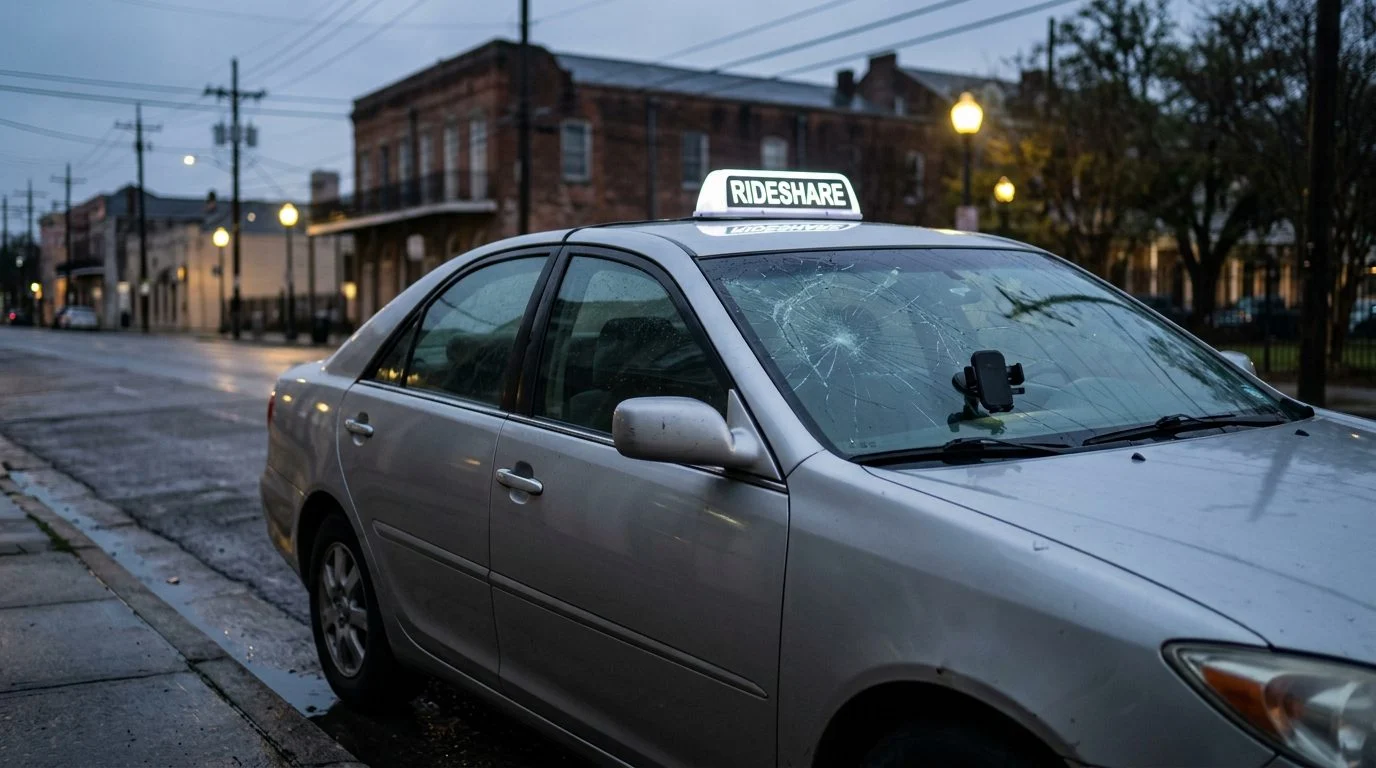
Wrongful Death · New Orleans, Louisiana
Preserve the Phone After a Fatal Crash: First Steps for Louisiana Families
Losing someone in a crash is overwhelming. Here is how to protect the data on a phone from the scene and what to do next. Przemek Lubecki and our team at American Trial Lawyer are ready to talk with you.
By Przemek Lubecki · Published October 28, 2026
Knowing how to preserve a phone after a fatal crash in Louisiana can protect information that may matter later. The short answer is to keep the phone as it is. Don’t delete, reset, update or repair it, and wait before anyone turns it on until you have contacted American Trial Lawyer. This page explains why. It is general information, and the facts of each family’s situation decide which steps matter most.
What to Do First With Your Loved One’s Phone
Keep the phone exactly as it is. Don’t change anything on it.
Don’t delete messages, call logs, photos or apps. Don’t reset the phone, and don’t accept update prompts. Changing settings, even to clear the screen, can alter the record of what the device held.
If the phone is still on, don’t turn it off without advice. If it is off or the battery is dead, leave it off. Don’t open the case or charge it with a cable you don’t know.
Don’t try to guess or change the passcode. Repeated wrong codes can lock the device.
Write down where the phone is, who has it, and the date you received it. Do this while the details are fresh. Ask the police, tow yard or insurer for a written receipt if they keep it.
Keep your own notes in one notebook or file. Dates and names are easy to forget in the first weeks after a death.
If you're holding your loved one's phone and wondering what to do next, Przemek Lubecki and our team can talk with you in a free, confidential consultation with no obligation. Talk it through with our team — the first consultation is free, confidential, and carries no obligation.
Why a Phone and Belongings Can Matter After a Fatal Crash
A phone and personal belongings can hold records of the trip, the time and the people involved. That is why they can matter after a serious or fatal crash.
A phone may store call and text records, app activity, location history and photos. Phone use is a known driving distraction, so these records can become part of how a crash is reviewed.
Other belongings can help too. A bag, wallet, work materials, or a dashcam or GPS unit may hold details about the trip or the people in it. These items also do not stand alone. Police reports, insurer letters and witness accounts can be compared with them.
Evidence can be lost in ordinary ways. Some phones delete data automatically under account or storage settings. Repairs can wipe a device. Cars can be sold, crushed or released from a tow yard. Timing matters.
Under 49 C.F.R. § 395.1(a)(1), the rules in this part apply to all motor carriers and drivers, except as provided in paragraphs (b) through (x) of this section. Under 49 CFR § 395.3, and except as otherwise provided in § 395.1, the driver of a property-carrying commercial motor vehicle must take 10 consecutive off-duty hours before starting to drive. Those rules bar a motor carrier from permitting or requiring a driver to drive a property-carrying commercial motor vehicle unless the driver meets the hours-of-service requirements. Those records can matter in a truck case.
Louisiana Laws on Cell Phones and Driving
A phone violation can be one piece of evidence in a crash case.
It is not the whole story. A crash often has more than one contributing cause, and each driver’s share of fault can matter.
Louisiana uses a comparative fault rule, also called shared fault. Under it, a person whose own negligence is fifty-one percent or more is not entitled to recover damages, except where the person suffers injury, death, or loss as a result partly of his own negligence and partly as a result of the fault of an intentional tortfeasor, in which case his claim for recovery of damages shall not be reduced. A smaller share reduces the damages that can be recovered, under La. Civ. Code art. 2323. The current text took effect January 1, 2026.
Keep the focus on what happened on the road. Phone records and the crash report are separate sources, and they can be compared.
Phone records are one way to test who did what. Each source can show a different part of the story, so keeping them intact matters. The records that matter most depend on the driver, the phone and the crash.
If the Phone Was Damaged or Run Over in the Crash
A crash-damaged phone should not be repaired, opened or powered up by a shop or family member. Repairs can change or erase data.
Can a phone that was run over be fixed? Some data may still be recoverable, but that takes careful handling by a data recovery service. A family member or repair shop should not attempt it on their own.
Until you have contacted American Trial Lawyer, keep the device dry. Place it in a sealed bag or box. Label the container with the date and where it came from. Keep the case and charger with it.
Don’t try to dry it with heat, shake it, or press buttons to see if it works. Each try can cause more damage.
Tell any shop or tow yard in writing that the phone is evidence in a case. A clear written note helps prevent it from being handled as a routine repair. Ask that the bag holding the phone stay sealed too, and note what else was inside.
Preserving the Vehicle, Belongings and Records From the Crash
Ask for a written inventory of everything removed from the vehicle, and keep your copy. The list should include the phone, bags, electronics, any dashcam or GPS unit, and personal papers.
Ask the tow yard, police agency and insurer in writing not to crush, sell, salvage or release the vehicle without notice to the family or its lawyer. Keep a log of every call and letter, with dates and names.
Don’t sign releases, repair authorizations or salvage forms before you have contacted American Trial Lawyer. Those papers can end your access to the car and what is inside it.
Louisiana’s crash report law makes these reports confidential. The statute limits who can get them, including parties, succession representatives and their attorneys. Upon request, reports are made available within seven working days after the crash investigation is complete, under La. R.S. 32:398. Police may charge a reasonable fee for copies of crash photos and video.
Keep the police report request, crash photos, insurance letters and medical or funeral records together in one place. Avoid posting about the crash, the driver or the case on social media. Posts and messages can be used in a claim.
Preservation Letters and the Time Limits for a Lawsuit
A preservation letter is a written request that a party, insurer or device holder keep relevant evidence and not destroy or change it.
Lawyers often send these letters early, before a phone is wiped, a car is destroyed or cloud data is deleted. Early letters create a clear written record of what was requested.
Timing is the main practical point. A letter sent early can ask that the phone, cloud account and vehicle be kept as they are.
Louisiana sets time limits for wrongful death claims. The period ends one year after the death or two years after the injury, whichever is longer, under La. Civ. Code art. 2315.2.
A survival claim for the deceased’s own damages has the same time frame, under La. Civ. Code art. 2315.1. The wrongful death right belongs first to a surviving spouse and children. Parents may sue only if there is no spouse or child, and a father or mother who has abandoned the deceased during his minority is deemed not to have survived him. Siblings and grandparents have a right only in narrower cases.
Quick answers
Can someone sue months after a crash in Louisiana?
Possibly, if the time limit has not run.
Should I turn on a phone from a fatal crash?
Generally not, before you have contacted American Trial Lawyer. Powering on, updating or charging it can change what it holds.
Who can file a wrongful death claim in Louisiana?
Surviving spouses and children come first. Parents, siblings and grandparents may sue only in the cases the statute describes.
Not sure what your next step is?
Talk it through with our team — the first consultation is free, confidential, and carries no obligation.
Talk With Przemek Lubecki About Your Loved One’s Phone and Belongings
Przemek Lubecki is the responsible lawyer for the content of this page. He is a trial lawyer with American Trial Lawyer, LLC, and the firm’s office is in New Orleans.
American Trial Lawyer, LLC handles truck, car, commercial vehicle, rideshare, motorcycle, wrongful death, brain injury and negligent security cases. The firm may associate or refer a case to other law firms. Our team can talk through these first steps with you, including what to ask the tow yard and insurer.
If you’re holding your loved one’s phone, car keys and bag, and you’re not sure whether to power the phone on or let the tow yard keep the car, you don’t have to sort it out alone. Request a free case evaluation or call 855-LUBECKI (Office in New Orleans). The first consultation is free, confidential and without obligation.
Before anyone powers on the phone
Do not turn the phone on, charge it, update it or try to unlock it until you have talked with a lawyer. These steps can change what the phone holds, and that information may matter later.
First steps to take now
Leave the phone as it is
Keep the phone switched off, unchanged and in a safe place. Do not delete messages, photos or call logs, and do not give the phone to anyone else to examine.
Note where it was
Write down where the phone was during and after the crash, who had access to it, and whether it was damaged. Small details can help explain the sequence of events.
Gather other records
Collect the police report number, photos of the scene, insurance information, medical and hospital records, and any messages about the crash. Keep originals when you can.
Talk with a lawyer first
Before you share the phone or its contents with an insurer or anyone else, speak with a trial lawyer who can explain your options and advise you on preserving evidence.
Why families contact American Trial Lawyer
Focus on wrongful death
We represent families who have lost a loved one in truck, car, commercial vehicle, rideshare and motorcycle crashes, and in other cases involving negligence.
Responsible lawyer
Przemek Lubecki is the responsible lawyer for this page. Our office is in New Orleans, and our support staff can help you with scheduling and documents.
Confidential, no-obligation consultation
The first consultation is free, confidential and without obligation to continue.
Referrals when appropriate
This firm may associate or refer a case to other law firms. We will tell you clearly if that is likely in your matter.