
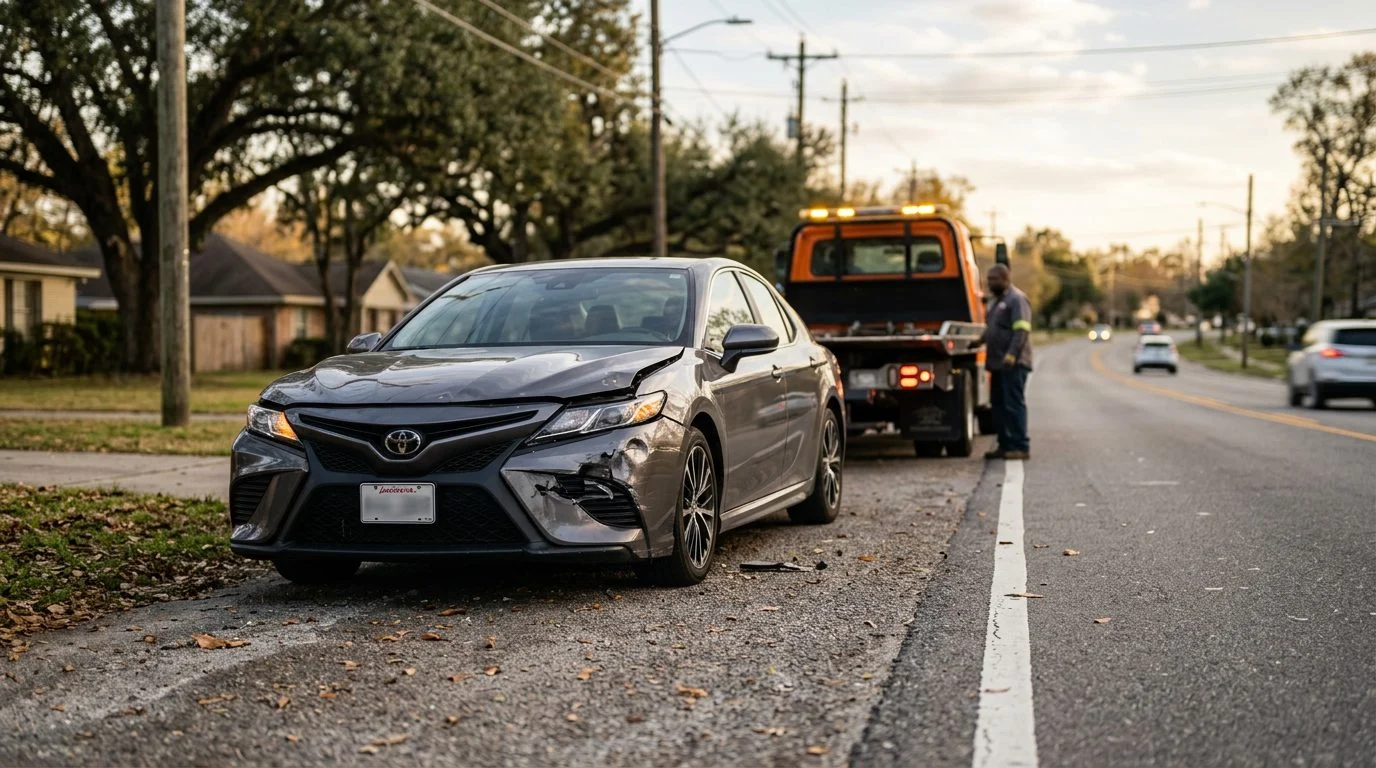
Car Accidents | New Orleans, Louisiana
Hurt in a Car Accident? Understand Your Options Before the Next Step
Przemek Lubecki and the team at American Trial Lawyer help people seriously injured in car crashes across New Orleans and Louisiana. Here is a plain-language look at how the claim process works in Louisiana.
By Przemek Lubecki · Published November 7, 2026
How long do I have to file a car accident claim in Louisiana? For a crash on or after July 1, 2024, the general period is two years from the day of injury, under La. Civ. Code art. 3493.1. Crashes that happened earlier fall under an older, shorter rule. This page explains how the clock works, what can change it, and why an insurance claim is not the same as a court deadline.
If you were hurt, the date can feel far away. Medical visits, paperwork, and calls with insurers can take up the first weeks and months. That is why it helps to know the deadline early.
The Short Answer: Louisiana’s Filing Deadline for Car Accident Injury Claims
For most car accident injury claims, Louisiana sets a two-year time limit for crashes on or after July 1, 2024 (La. Civ. Code art. 3493.1). The rule applies to delictual actions, which are claims for harm caused by another person’s fault. Prescription is the legal term for a time limit. After it runs out, a court can refuse to hear the claim.
Crashes before July 1, 2024 fall under an older, shorter rule. A few months can change which rule applies, so check the crash date early. Many people assume they have more time than they do, especially while they focus on recovering.
This page covers Louisiana law only. Other states set their own deadlines. For a broader view of steps after a crash, read our guide to next steps after a crash.
If a crash left you hurt and you're unsure how much time is left, our team can review the date for your accident. Reach out for a free, confidential first consultation. Talk it through with our team — the first consultation is free, confidential, and carries no obligation.
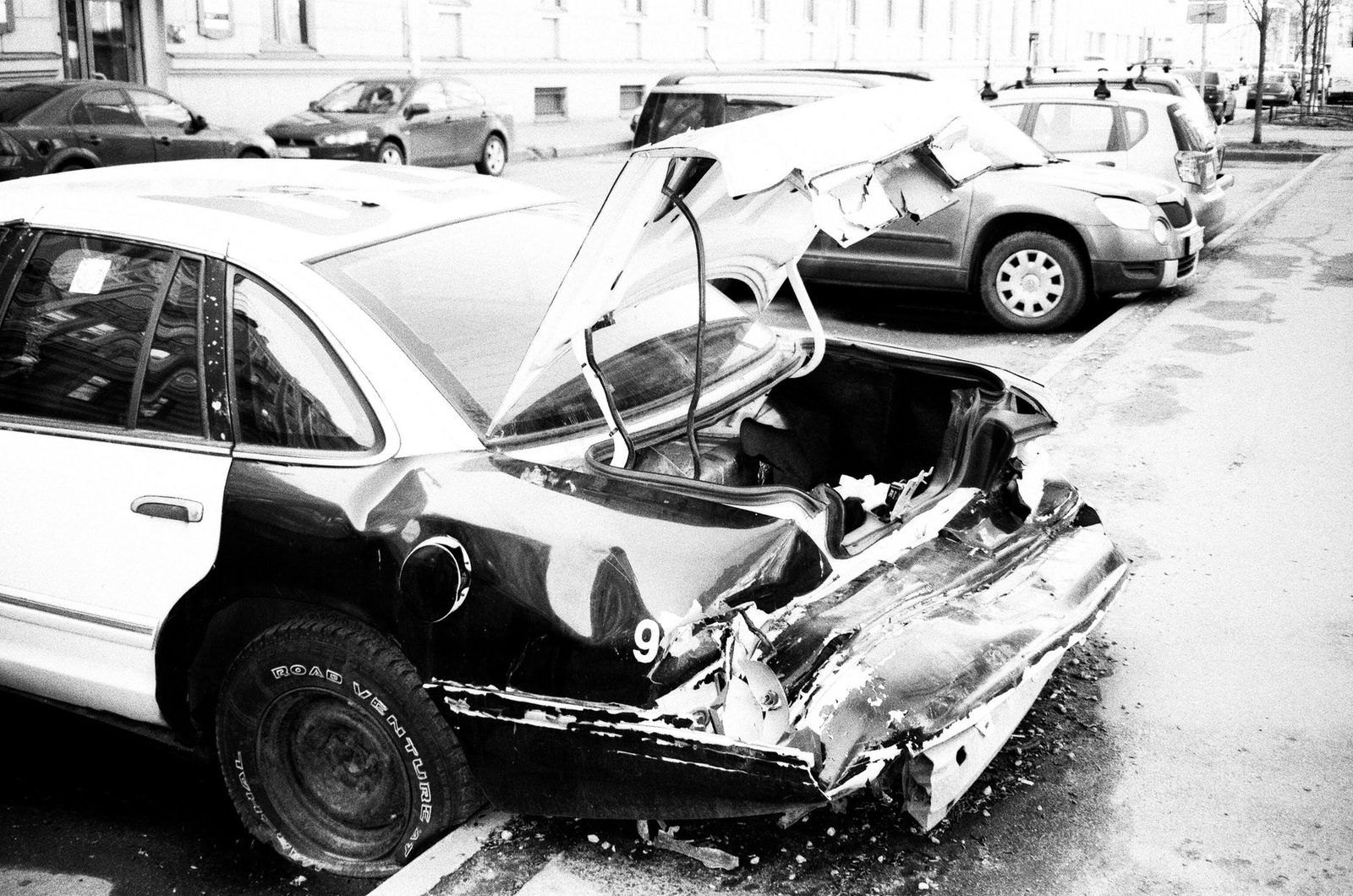
When the Clock Starts Running
For most injuries, the clock starts on the day the injury or damage is sustained. In a car crash, that is usually the day of the wreck. The two-year period in the current text of art. 3493.1 runs from that day.
Filing a lawsuit is what interrupts the period. Under La. Civ. Code art. 3462, prescription is interrupted when the injured person sues the other party in a court with proper jurisdiction and venue. A letter or a claim sent to an insurer does not do that.
An interruption does not last forever. Under La. Civ. Code art. 3463, an interruption resulting from the filing of a suit in a competent court and in the proper venue, or from service of process within the prescriptive period, continues as long as the suit is pending. But it is treated as if it never happened if the plaintiff abandons the suit, voluntarily dismisses it at any time, or fails to prosecute it at trial. The dismissal of a suit pursuant to a compromise does not constitute a voluntary dismissal. A dropped case can leave the clock where it was.
Under La. Civ. Code art. 3466, time that already ran is not counted after an interruption. A new period starts from the last day of the interruption.
Write down the crash date now. If you learned of an injury later, write that date too. Keep both dates with your medical records and photos.
Insurance Claim Timing Versus the Lawsuit Deadline
An insurance claim is a request to an insurer for payment. A lawsuit is a case filed in court.
Because filing a suit is what interrupts the period, a claim that is still open with an insurer does not, by itself, extend the court deadline. Talking with an adjuster is not a court filing.
Insurance claims can also follow policy terms and their own timelines. Those are set by the policy and the insurer.
A common mistake is treating the insurer’s pace as the deadline. An insurance file can stay open for months. The court time limit keeps its own count. For tips on handling insurer contact, read about talking with an insurance adjuster.
Situations That Can Change the Timing
Some claims need a closer look because special rules may apply. A wrongful death claim is one example. Under La. Civ. Code art. 2315.2, a wrongful death right of action prescribes one year from the death or two years from the day the injury was sustained, whichever is longer. Louisiana amended this article in 2025.
Government parties are another example. Under La. R.S. 13:5106, no suit against the state, a state agency, or a political subdivision may be filed in any court other than a Louisiana state court. A crash involving a public vehicle or a public party may follow separate rules.
Minors and some adults with limited legal capacity need special attention too. Under La. Civ. Code art. 3468, prescription runs against minors and interdicts (adults under a court order limiting their legal capacity) unless legislation makes an exception. Do not assume the clock waits for a child.
Some injuries are not known right away. Louisiana law has doctrines that can affect when the clock starts in those cases. Whether one applies to a given crash needs a close review of the facts.
Crashes involving a commercial truck, bus, or rideshare vehicle can involve more than one party. Each party may raise its own timing questions. In truck cases, federal hours-of-service rules limit how long property-carrying truck drivers can drive and require rest breaks.
Reporting the Crash and Why Records Matter for Timing
Under La. R.S. 32:398, the driver of a vehicle involved in a crash resulting in injury to or death of any person, or property damage in excess of five hundred dollars, must give his name, address, and the registration number of the vehicle he was driving, and must give that information and, upon request, exhibit his license or permit to any police officer at the scene of the crash or who is investigating it. La. R.S. 32:398 provides that when the officer investigating such a crash has reason to believe a driver has a medical condition that is cause for license revocation or suspension under R.S. 32:414(E), the officer must notify the medical/conviction unit of the office of motor vehicles, “provided that the law enforcement officer first consults with his superior officer as to his specific observations and his superior officer concurs with the issuing officer’s belief.” Under La. R.S. 32:398(A), the driver of a vehicle involved in a crash resulting in injury, death, or property damage over five hundred dollars must give their name, address, and vehicle registration number to any person injured in the crash or to the driver or occupant of, or person attending, any vehicle or other property damaged in the crash, and must give that information, and show their license or permit on request, to any police officer at the scene or investigating the crash. Under La. R.S. 32:398, the driver must also, on request and if available, show a license or permit to drive to anyone injured in the crash or to the driver or occupant of a damaged vehicle.
Crash reports are confidential. Under the same statute, they are available only to the parties, their attorneys, insurers, and certain others. On request, they must be made available within seven working days after the crash investigation is complete.
The statute also caps copy fees. A report of two pages or fewer may cost no more than five dollars. A longer report may cost no more than twenty dollars, inclusive of all service fees and other charges.
A police report records the date, the location, the drivers, and any witnesses. That record helps set the timeline of your claim. Learn more about the police report after a car accident.
Medical care matters for records too. According to MedlinePlus, spinal cord injuries caused by motor vehicle accidents call for immediate medical attention. Keep every medical record, bill, and photo, and note the crash date on each one.
Damages and Why the Date Is Only One Piece
The deadline answers when a claim must be filed. It does not answer what a claim may include or what it could be worth. No one can predict that from the date alone.
Claims after a crash often involve medical bills, lost income, and pain and suffering. Other losses may apply too. Each category needs its own records and proof. You can read more about types of damages after a crash.
A late filing can put a claim at risk. So the date deserves attention early, even if the injuries are still being treated and the full picture is not yet clear.
Not sure what your next step is?
Talk it through with our team — the first consultation is free, confidential, and carries no obligation.
Frequently Asked Questions
How long do I have to file a car accident claim in Louisiana?
For crashes on or after July 1, 2024, the general period is two years from the injury (La. Civ. Code art. 3493.1). Earlier crashes fall under an older, shorter rule.
Does the deadline start on the day of the crash?
For most injuries, yes. The period runs from the day the injury or damage is sustained, and some situations can change the start date.
Does talking to an insurance company stop the court deadline?
No. Interruption of the period results from filing a suit in a competent court and in the proper venue, or from service of process within the prescriptive period. An insurer conversation is not a court filing. An insurer conversation is not a court filing.
Is there a deadline to report a crash to police?
Under La. R.S. 32:398, a driver involved in a crash resulting in injury to or death of any person, or property damage in excess of five hundred dollars, must give his name, address, and vehicle registration number to any person injured in the crash or to the driver or occupant of any vehicle or other property damaged, and must give that information to any police officer at the scene or investigating the crash. La. R.S. 32:398 provides that when the officer investigating such a crash has reason to believe a driver has a medical condition that is cause for license revocation or suspension under R.S. 32:414(E), the officer must notify the medical/conviction unit of the office of motor vehicles, “provided that the law enforcement officer first consults with his superior officer as to his specific observations and his superior officer concurs with the issuing officer’s belief.” Review the crash reporting requirements that apply to your situation early.
What if I missed the deadline?
Louisiana law has some exceptions, and each one has its own conditions. Whether an exception applies turns on the facts of the case.
Confirm Your Deadline With Przemek Lubecki
If you were hurt in a crash in New Orleans, Metairie, Kenner, or elsewhere in Louisiana, the exact date may still feel unclear. Przemek Lubecki is the responsible lawyer for this page. American Trial Lawyer, LLC has its office in New Orleans. Przemek Lubecki is licensed to practice law in Louisiana.
You can start with a free, confidential first consultation, with no obligation to continue. Call 855-LUBECKI or request a free case evaluation to talk through the date for your own accident.
The firm may associate or refer a case to other law firms.
How We Approach Your Car Accident Case
Focused on Serious Injuries
We represent people who were seriously hurt in car crashes, along with families who have lost a loved one.
Clear Explanations
We explain the process in plain language so you can make informed decisions at every stage.
Careful Case Preparation
We work to gather the records, reports and details that matter to your claim.
Respect for Your Situation
We understand that recovery takes time, and we treat every client with patience and care.
Working With Other Firms
American Trial Lawyer may associate or refer a case to other law firms. We will tell you if that happens.
Don't Wait to Get Answers
Claims can involve important steps and records that become harder to gather over time. If you were injured in a car accident, talking with a lawyer early can help you understand your position.
Steps That Can Help Protect Your Claim
Get Medical Care
Your health comes first. Keep every visit, test and treatment record, even if your injuries seem minor at first.
Document the Scene
If you are able, note the location, weather, vehicles involved and any witness names. Photos can help.
Keep Your Records
Save the police report, insurance correspondence, receipts and records of time missed from work.
Talk to a Lawyer Early
A conversation with our office can help you understand the process before you make decisions about your claim.