
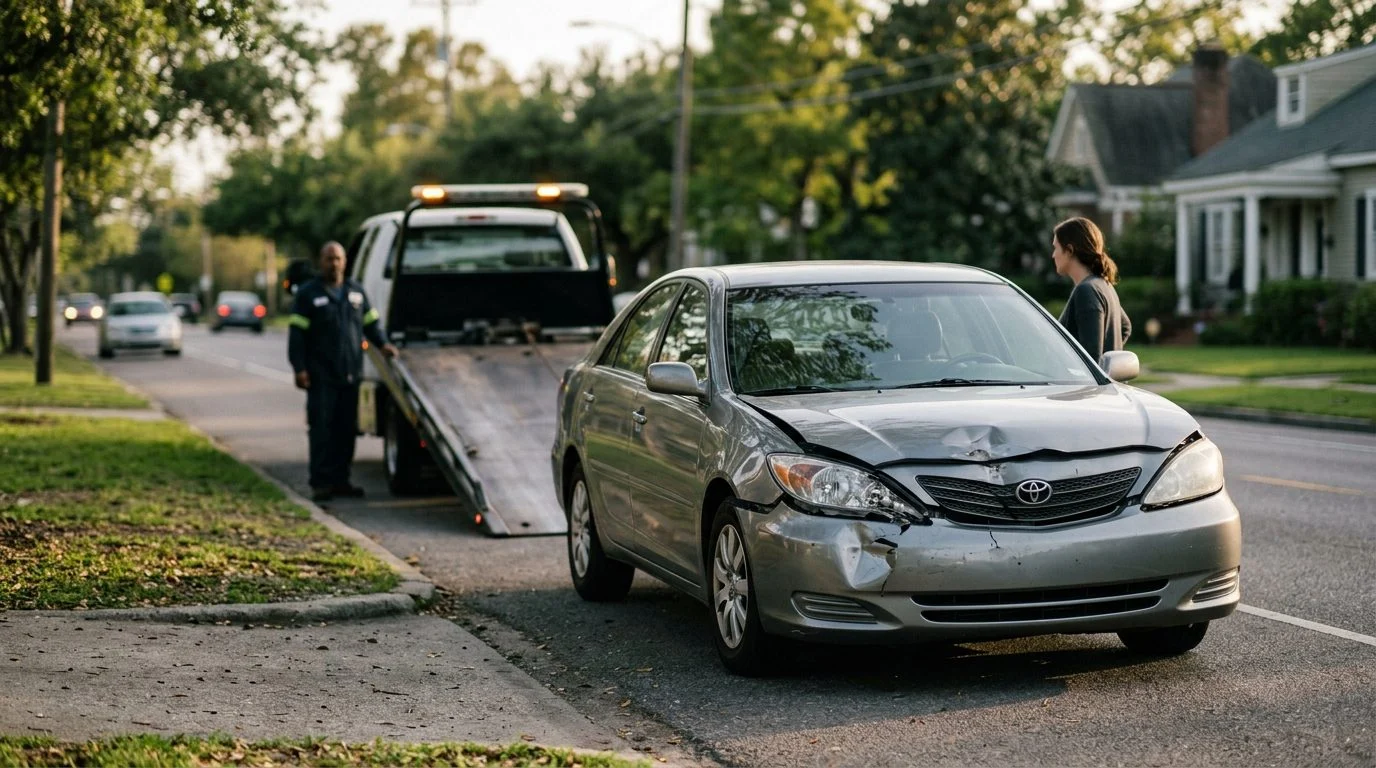
Car Accidents | New Orleans, Louisiana
Hurt in a New Orleans Car Accident? Find Out If You Need a Lawyer
Przemek Lubecki, responsible lawyer, American Trial Lawyer, LLC, New Orleans office. Your first consultation is free, confidential and without obligation. You may be responsible for case costs and expenses in addition to the fee.
By Przemek Lubecki · Published October 16, 2026
Do I Need a Lawyer After a Car Accident in New Orleans? Questions to Answer Before You Call
By Przemek Lubecki, responsible lawyer, American Trial Lawyer, LLC, New Orleans office
Not always. The better question is whether your injuries, a fault dispute, insurance problems or a deadline make outside help worth considering for your case.
If medical bills, adjuster calls or a filing date are already weighing on you after a New Orleans crash, we're glad to review your situation, though you may owe case costs and expenses in addition to any fee.
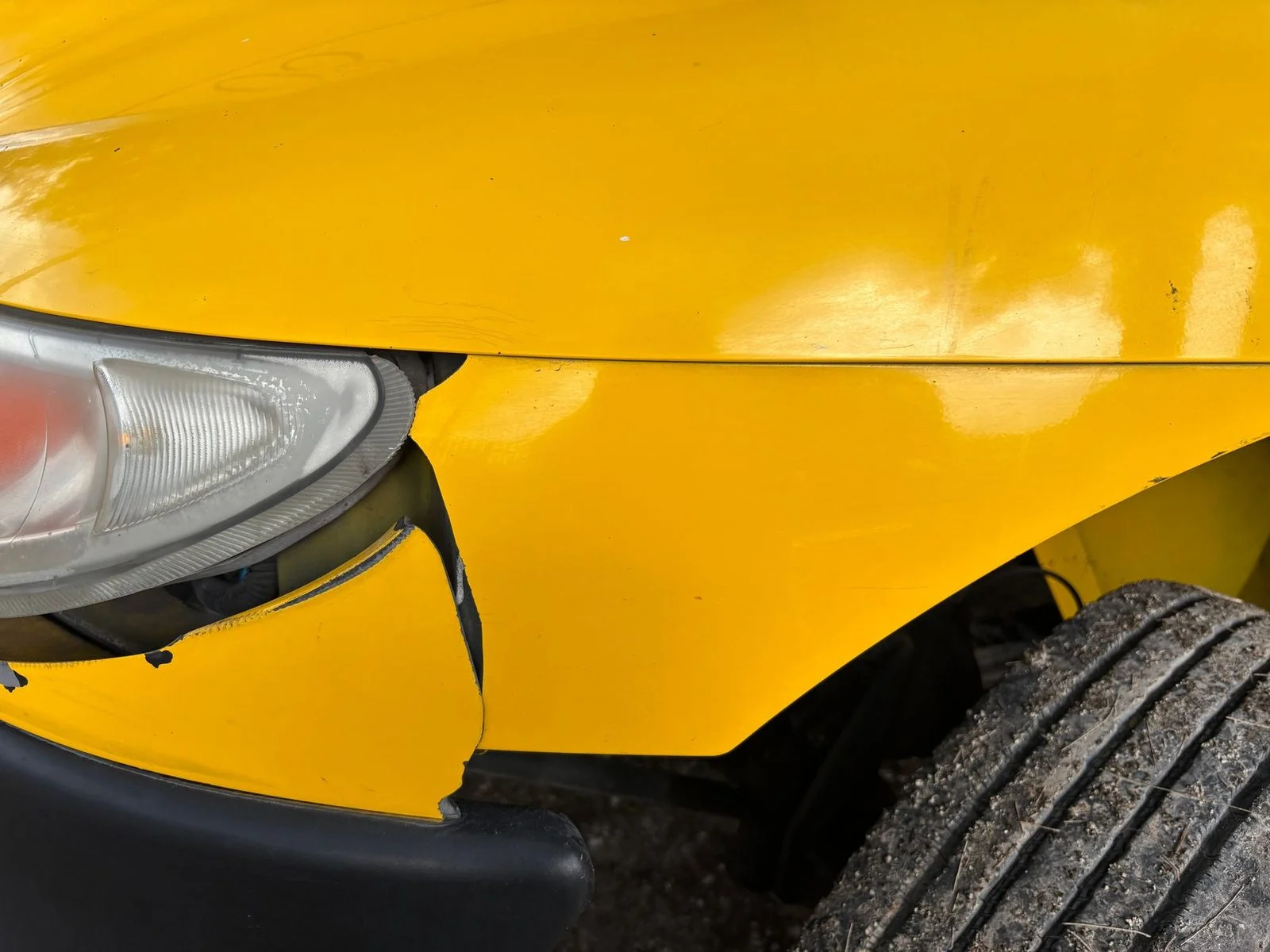
Short Answer: Is a Lawyer Always Required After a Car Accident?
Many people with small property damage and no injuries handle the claim directly with their own insurer and the other driver’s insurer.
The real question is different. Are your injuries serious or still unfolding? Is fault disputed? Is an insurance company asking for statements or pushing a quick payment? Is a deadline getting close? If one or more of these is true, a conversation with a lawyer may help.
This page covers the questions people ask first. It explains insurance, medical bills, fault, uninsured drivers, police reports, time limits and special crash types. Links throughout lead to deeper pages in our library.
Questions to Answer First: What Happened and Who Was Hurt?
The facts of your crash shape how much outside help may matter. Start with the basics: how many vehicles were involved, what kind of road you were on, and whether anyone was killed or badly hurt.
Ask whether a commercial truck, a rideshare vehicle or a motorcycle was involved. Each one can bring different insurance layers and different evidence.
Injuries deserve close attention. Some symptoms, such as headaches, dizziness, neck pain or memory trouble, can start hours or days after a crash. A head injury may not look serious at the scene. Your medical records start the injury timeline, so see a doctor promptly and keep every visit note.
If you are worried about a brain injury, read our brain injury page for more detail. Keep your notes calm and factual. Focus on what you remember, what you feel and what doctors tell you.
Will the Insurance Adjuster Be Working for Me?
No. The other driver’s insurer works for its own insured, not for you. Its adjuster’s job is to limit what it pays.
Adjusters often ask for a recorded statement early. They may also offer a quick check or ask you to sign a release. A release can end your ability to ask for more later, so do not sign one until you understand your injuries.
If you gave a recorded or written statement, Louisiana law gives you a right to a copy. The person who took it must furnish a true and complete copy within twenty days after written demand.
For more on dealing with adjusters, read our page on talking to an insurance adjuster after a car accident. Keep every letter, voicemail and email from the insurer.
Who Pays Medical Bills and When?
Several sources may pay. Your own health plan may cover treatment. Your auto policy may include medical payments coverage. The at-fault driver’s liability insurance may respond to a claim. Your own uninsured or underinsured motorist coverage may apply in some cases.
The amount you can recover for medical bills depends on who paid them. When a health insurer or Medicare paid a contracted provider, recovery of medical expenses is limited to the amount actually paid, plus any cost-sharing amounts you paid or owe. It is not the higher amount billed.
That same statute does not apply to benefits paid through a policy of automobile liability insurance that provides medical payments coverage. Your health plan may also have its own rules for repayment. Ask how your plan handles reimbursement before you settle.
For a step-by-step look, see our page on who pays medical bills after a car accident in Louisiana.
Could I Be Found Partly at Fault?
Yes, fault can be shared. Louisiana uses comparative fault, which means each person’s share of fault is determined. Under the Louisiana Civil Code, if the degree or percentage of negligence attributable to the person suffering injury, death, or loss is equal to or greater than fifty-one percent, that person is not entitled to recover damages. A lower percentage reduces recovery in proportion to that share.
Fault disputes are usually decided with evidence. Photos, witness names, vehicle damage patterns, traffic camera footage and the police report all matter. The first days after a crash often decide what evidence survives.
Do not guess at how a fault dispute will come out. Drivers often believe they were not at fault, and the evidence sometimes shows otherwise. Learn more on our page about partly at fault car accidents in Louisiana.
Not sure what your next step is?
What If the Other Driver Has No Insurance or Not Enough?
Your own policy may matter more than you expect. Louisiana law requires uninsured motorist coverage to be chosen or rejected on a form prescribed by the commissioner. A properly completed, signed form creates a rebuttable presumption about what you chose.
Check your policy now. Look for uninsured and underinsured motorist coverage and the limits you selected. Also check whether a form was signed when the policy started or renewed.
Time limits apply here too. Actions under the uninsured motorist provisions of a policy are prescribed by two years from the date of the accident. Do not wait to review your coverage.
To learn more, read our pages on uninsured motorist claims in Louisiana, what uninsured motorist coverage covers and suing an uninsured driver in Louisiana.
Police Reports, Photos and Other Evidence in New Orleans
A crash report is a key starting point. Under Louisiana law, crash reports are confidential. They are available to parties to the crash, their attorneys, insurers and certain healthcare providers. Upon request, they must be made available within seven working days after the crash investigation is complete.
Read your report carefully. Reports can contain errors, such as wrong lanes, missing witnesses or a wrong direction of travel. If something is wrong, write it down and tell your insurer or lawyer.
Copies of crash photographs and video may carry a reasonable fee under the same statute. Ask the investigating agency what it charges and how to request them.
Preserve evidence yourself. Keep photos of the scene and vehicles, names of witnesses, repair estimates, medical notes and a simple daily log of symptoms and missed work. A lawyer may help gather and preserve evidence, but no one can promise what that evidence will show. For more, see our page on police reports for car accidents in New Orleans.
What Damages Can Be Part of a Car Accident Claim?
Damages are the losses you may seek to recover. In general terms, a claim may include medical expenses, lost wages, property damage and pain and suffering. Louisiana law says every act that causes damage obliges the person at fault to repair it, under Louisiana Civil Code article 2315.
Some future medical costs have limits. Under the same article, future medical costs are not recoverable unless they are directly related to a manifest physical or mental injury or disease. That is why detailed medical records matter.
Every claim is different. No typical amount applies to every crash, and nothing on this page predicts what your claim may be worth. For more on the categories involved, read our page on damages after a car accident in Louisiana.
Deadlines: How Much Time Do I Have?
A two-year deadline applies to many Louisiana injury claims, but only to injuries sustained after July 1, 2024. Injuries sustained before that date remain under the former one-year prescription, and exceptions may apply. Under Louisiana Civil Code article 3493.1, the two-year prescriptive period applies to delictual actions arising after July 1, 2024. Injuries sustained before that date remain under the former one-year period, and exceptions may apply.
Wrongful death claims follow a different timeline. Under Louisiana Civil Code article 2315.2, the right to sue prescribes one year from the death or two years from the day injury was sustained, whichever is longer.
Claims against government entities are different. Under La. R.S. 13:5106, suits against the state, a state agency or a political subdivision must be brought in a Louisiana state court, and total liability for personal injury or wrongful death is limited by statute. If a government vehicle was involved, act quickly.
Do not rely on general summaries for your own deadline. Confirm the dates for your case. Our pages on the two-year statute of limitations in Louisiana and how long to file a car accident claim in Louisiana explain the basics (La. Civ. Code art. 3493.1).
When Special Situations Call for Closer Review
Some crashes need closer review from the start. Truck and commercial vehicle crashes often involve more parties, more insurance and more records. Federal rules limit how long commercial drivers may drive. Under the federal hours-of-service rule for drivers of property-carrying commercial motor vehicles, a driver may drive a total of 11 hours during the period specified in paragraph (a)(2) of that section. Interstate crashes, such as those on I-10, can add more agencies and evidence to the file.
Rideshare and motorcycle crashes also bring their own questions. Insurance for a rideshare trip can depend on what the driver was doing when the crash happened. Motorcycle claims often turn on how the crash happened and how the injuries affect daily life. Read our pages on rideshare accidents and motorcycle accidents for more detail.
Wrongful death is a separate area. Under Louisiana Civil Code article 2315.2, a surviving spouse and children may bring a claim. Depending on who survived, parents, siblings or grandparents may also have that right. Our wrongful death page explains more, and our page on a spouse dying in a car crash in Louisiana covers that situation.
Our firm handles these matters within its practice areas. It may associate or refer a case to other law firms.
If medical bills, adjuster calls or a filing date are already weighing on you after a New Orleans crash, we're glad to review your situation, though you may owe case costs and expenses in addition to any fee.
How a Free Case Evaluation Works and What It Costs
A case evaluation is a review. We look at the facts of the crash, your injuries, your records and your insurance information. Then we explain the options you may have.
The evaluation is offered at no charge. You may still owe case costs and expenses in addition to any fee. If you later hire the firm, a written agreement will set out the fee and the cost terms. Read it before you sign.
The firm may associate or refer a case to other law firms. If that happens, the other firm’s lawyers are not part of American Trial Lawyer, LLC.
Is a free case evaluation really free?
The review itself is offered at no charge. You may owe case costs and expenses in addition to any fee, as your written agreement would state.
Who is the responsible lawyer?
Przemek Lubecki is the responsible lawyer for this page. The office is in New Orleans, Louisiana, and he is licensed to practice law in Louisiana.
What should I bring to a review?
Bring the crash report number, photos, insurance papers, medical records and any letters from insurers you have.
Talk With Przemek Lubecki About Your Crash
If medical bills, adjuster calls or a filing date are already weighing on you after a crash, you do not have to sort it out alone. Our team can review your facts and explain your options. To request a free case evaluation, use our contact page or call 855-LUBECKI (office in New Orleans). You may owe case costs and expenses in addition to any fee.
How We Can Help After a Crash
A Clear Starting Point
We listen to what happened, review your injuries and explain the options in plain language before you decide anything.
Dealing With Insurers
Insurance companies for both drivers may contact you quickly. We can handle those communications so you can focus on your recovery.
Organizing the Evidence
We help gather the police report, photos, medical records, repair estimates and wage information that support your account of the crash.
Families in Wrongful Death Cases
When a crash takes a loved one, we help surviving family members understand their situation and the steps that may follow.
Serving New Orleans and Surrounding Areas
Our New Orleans office serves Orleans Parish, the New Orleans metro area and communities across Louisiana, including Metairie, Kenner, Jefferson Parish, St. Bernard Parish and Slidell.
Referrals and Associated Counsel
American Trial Lawyer, LLC may associate or refer a case to other law firms. If that is the right step for your matter, we will tell you before anything changes.
Protect Your Records Early
Keep photos of the scene and vehicles, the police report number, every medical bill and appointment record, and all letters from insurance companies. Think twice before signing any release or giving a recorded statement until you have talked with a lawyer.
Questions to Think Through
Are your injuries serious?
Pain that continues, ongoing treatment, or injuries that affect work and daily life are worth discussing with a lawyer.
Is fault disputed?
When the other driver or an insurer questions what happened, an independent review of the facts can help you understand your position.
Are insurance offers coming in?
Early offers may not reflect the full impact of an injury. Talk with us before you accept or respond in detail.
Is a commercial vehicle involved?
Crashes involving trucks, delivery vans, rideshare vehicles or other commercial vehicles often involve more parties and more paperwork.
Talk With Przemek Lubecki About Your Car Accident
Related practice areas
- Semi Truck Accident Lawyer in New Orleans, Louisiana
- Truck Accidents in New Orleans: How Injury Claims Work