
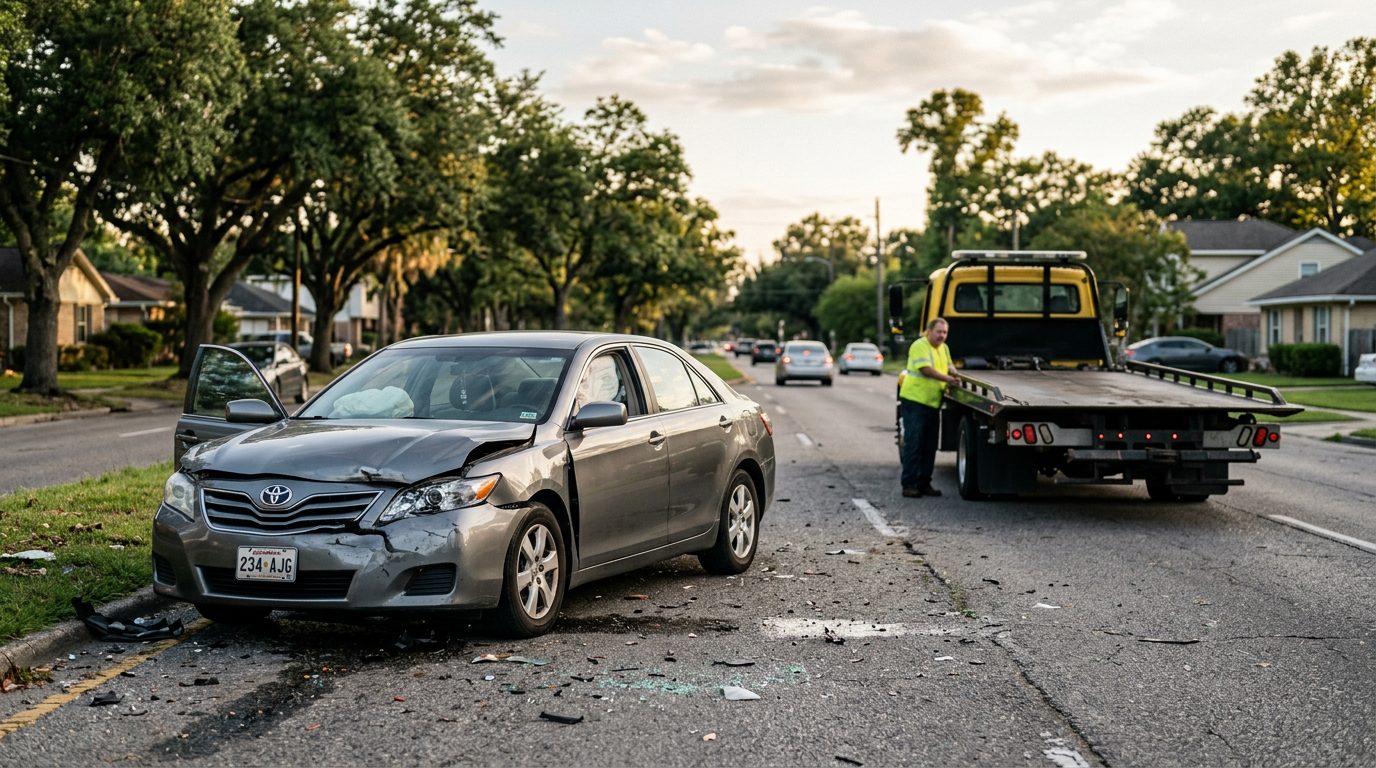
Car Accidents | New Orleans, Louisiana
When Both Drivers Are Blamed, Know Where You Stand
Crashes where fault is shared can be confusing and stressful. Przemek Lubecki, a New Orleans trial lawyer, helps people hurt in car accidents across Orleans Parish, the New Orleans metro and Louisiana understand their options.
By Przemek Lubecki · Published November 6, 2026
If both drivers share blame for a crash, Louisiana does not simply split the claim in half. Each driver’s share of fault is measured as a percentage, and that percentage changes how much a driver can recover. The rule depends on when the crash happened, so the date matters.
This page explains how the rule works, what it means for insurance claims, and what to document and avoid after a crash like this. It is general information, not advice for any one person’s situation.
The short answer: both drivers can be partly at fault
If both drivers share fault, each driver can still have a claim, but that claim is reduced by the driver’s own share. For a crash on or after January 1, 2026, Louisiana uses modified comparative fault. Under Louisiana’s comparative fault article, if the degree or percentage of negligence attributable to the person suffering injury, death, or loss is equal to or greater than fifty-one percent, that person is not entitled to recover damages. Under Louisiana’s comparative fault article, if the degree or percentage of negligence attributable to the person suffering injury, death, or loss is less than fifty-one percent, the amount of damages recoverable is reduced in proportion to that degree or percentage of negligence.
Being partly at fault does not automatically end an injury claim. It changes how much can be recovered. For newer crashes, under the current text of Louisiana’s comparative fault article, it matters whether the person suffering injury, death, or loss has a degree or percentage of negligence equal to or greater than fifty-one percent. Feeling confused or worried after a crash is common, and clear facts can help you think it through.
If a shared-fault crash has left you with injuries, insurance calls, and questions, we invite you to a free, confidential consultation with no obligation to continue. Talk it through with our team — the first consultation is free, confidential, and carries no obligation.
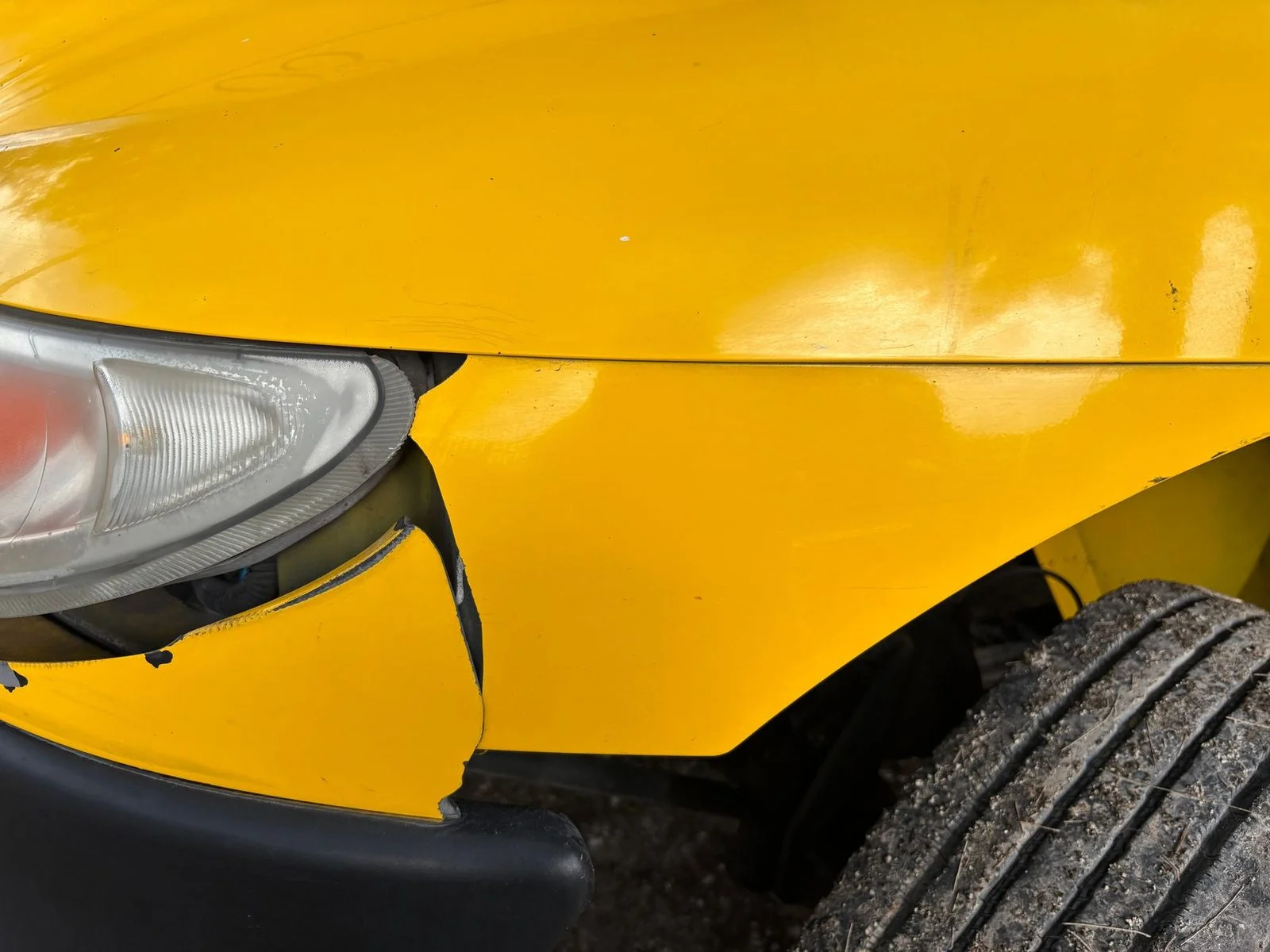
How fault is divided between two drivers in Louisiana
Fault is a percentage, and it is set for every person who contributed to the harm. That includes people who are not parties to the lawsuit. The Louisiana comparative fault article says the fault of all persons causing or contributing to an injury is determined, whether or not they are a party.
Here is an illustration only, not a prediction. Suppose a court or jury found one driver 30 percent at fault. Under the modified rule, that driver’s damages would be reduced by 30 percent. Now suppose a driver was found 60 percent at fault. That driver would not recover damages at all.
That is why each driver’s percentage matters on its own.
The fault split does not set the total value of a claim by itself. The damages matter too. Medical bills, lost income, and other losses the law allows all feed into the total. Two crashes with the same fault split can look very different once injuries and losses are counted.
Why both drivers being at fault changes the insurance claim
When both drivers are at fault, each driver’s insurer looks at its own insured’s share. The two insurers may reach different conclusions. Each side may tell a different story about how the crash happened.
Liability coverage generally pays people injured by the insured driver, up to the policy limits. Auto liability policies may include uninsured motorist coverage, and the policy terms, including any coverage selections, should be reviewed. That coverage can matter when the other driver has no insurance or not enough.
Damage to your own vehicle is a separate question. It may depend on whether you carry collision coverage. Review your own policy declarations page to see which coverages you have.
Louisiana also has a rule about settlements. Under Louisiana’s vehicle policy settlement rule, a settlement of a property damage claim under a vehicle policy is not an admission of liability for other claims from the same crash. Ask before you sign anything that resolves part of your loss.
How insurers and others decide who was at fault
Fault is decided from the evidence of the crash. An insurer’s early position is not always the final one.
Other useful evidence includes photos of the scene and both vehicles, the pattern of vehicle damage, and witness statements. Dash camera or vehicle data can also help. Fault determinations can be disputed. Whether a crash is shared or mostly one driver’s fault depends on the facts of that crash.
Does insurance still pay out if you are at fault?
In many shared-fault crashes, a recovery may still be possible. For crashes on or after January 1, 2026, the main question under the current text of La. Civ. Code art. 2323 is whether your share of fault is less than fifty-one percent. Your recovery is reduced by your own percentage.
Different coverages work differently. The other driver’s liability coverage may respond to claims against that driver. Your own uninsured motorist coverage may matter if the other driver has no insurance or not enough. Your collision coverage applies to your vehicle, if you carry it.
Medical bills are often the first concern. Keep every bill, receipt, and treatment record. Each claim turns on its own facts and its own numbers.
When more than two drivers, vehicle owners or companies are involved
A crash can involve more than two vehicles. Each person with a share of fault can be part of the picture. The Louisiana comparative fault article applies to the fault of all persons causing or contributing to an injury, death, or loss, regardless of whether a person is a party to the action or a nonparty, not only the drivers involved.
Commercial and truck crashes often add more parties. Federal rules also apply to many property-carrying commercial drivers. Under federal hours-of-service rules, a driver may drive a total of 11 hours during the period of 14 consecutive hours that begins after coming on duty following 10 consecutive hours off duty.
This firm may associate or refer a case to other law firms. That is a common step when a crash involves several parties or a commercial vehicle.
Not sure what your next step is?
Talk it through with our team — the first consultation is free, confidential, and carries no obligation.
What to document and what to be careful about saying after a shared-fault crash
Get a medical evaluation and keep records, even when symptoms seem minor at first. Records show what happened and what care you needed. Gather the crash report, photos of the scene and vehicles, and names and phone numbers of any witnesses.
Write a simple timeline of the crash while your memory is fresh. Add a note each time you speak with an insurer, including the date, the person, and what was said.
Be careful with statements.
Avoid written statements that admit fault. Think carefully before giving a recorded statement to any insurer, including your own.
Time limits and getting advice about a shared-fault crash
Louisiana generally sets a two-year period, running from the day the injury or damage is sustained, for filing a delictual (injury) claim. The two-year prescription article sets this period. The rule has limited exceptions, so timing can turn on the facts of a case.
You may be reading this for yourself or for a family member. You may be dealing with pain, time off work, insurance calls, and bills all at once. That is a lot to carry.
Who pays when both drivers are at fault?
Each driver’s share of fault matters under Louisiana law. Each driver’s insurer generally handles claims for its own insured’s share.
Can I recover damages if I was partly at fault?
Yes, for a crash on or after January 1, 2026, under the current text of La. Civ. Code art. 2323, if your share of fault is less than fifty-one percent, you may recover damages reduced in proportion to that share. Your damages are reduced by your share of fault.
How long do I have to file an injury claim in Louisiana?
Generally two years from the day the injury or damage is sustained (La. Civ. Code art. 3493.1). The rule has limited exceptions.
Can I get a copy of the crash report?
Parties to the crash and their attorneys can request it. Upon request, it is made available within seven working days after the investigation is complete.
If a shared-fault crash has left you with questions, you don’t have to sort them out alone. Przemek Lubecki, the responsible lawyer at our New Orleans office, offers a free, confidential consultation with no obligation to continue. Call 855-LUBECKI or request a free case evaluation.
How We Approach a Shared-Fault Crash
A careful review of the facts
We look at the crash report, photos, witness statements and vehicle damage to understand how the collision happened and who may share responsibility.
Clear communication with you
We explain each step in plain language so you know what is happening with your claim and why.
Attention to the insurance process
Insurers for each driver may take different positions. We help you avoid statements or agreements made without a full understanding of your situation.
Rooted in New Orleans
Our office is in New Orleans, and we serve people throughout Orleans Parish, Jefferson Parish, St. Bernard Parish, Slidell and the rest of Louisiana.
Be Careful Before You Accept an Offer
If the other driver's insurance company says the crash was your fault, or offers a quick settlement, talk with a lawyer before you agree to anything or sign a release. Early statements can affect how fault is viewed later.
Steps That Can Help After a Crash
Get medical care
Some injuries, including brain injuries, may not show symptoms right away. A medical evaluation protects your health and creates a record of your injuries.
Document the scene
Take photos of vehicle damage, the roadway, traffic signals and any visible injuries. Write down names and contact details for witnesses.
Keep your records
Save the police report, repair estimates, medical bills, and notes about missed work and daily limitations.
Talk with a lawyer
Our team at American Trial Lawyer can review your situation and answer your questions at a free, confidential consultation with no obligation to continue.