
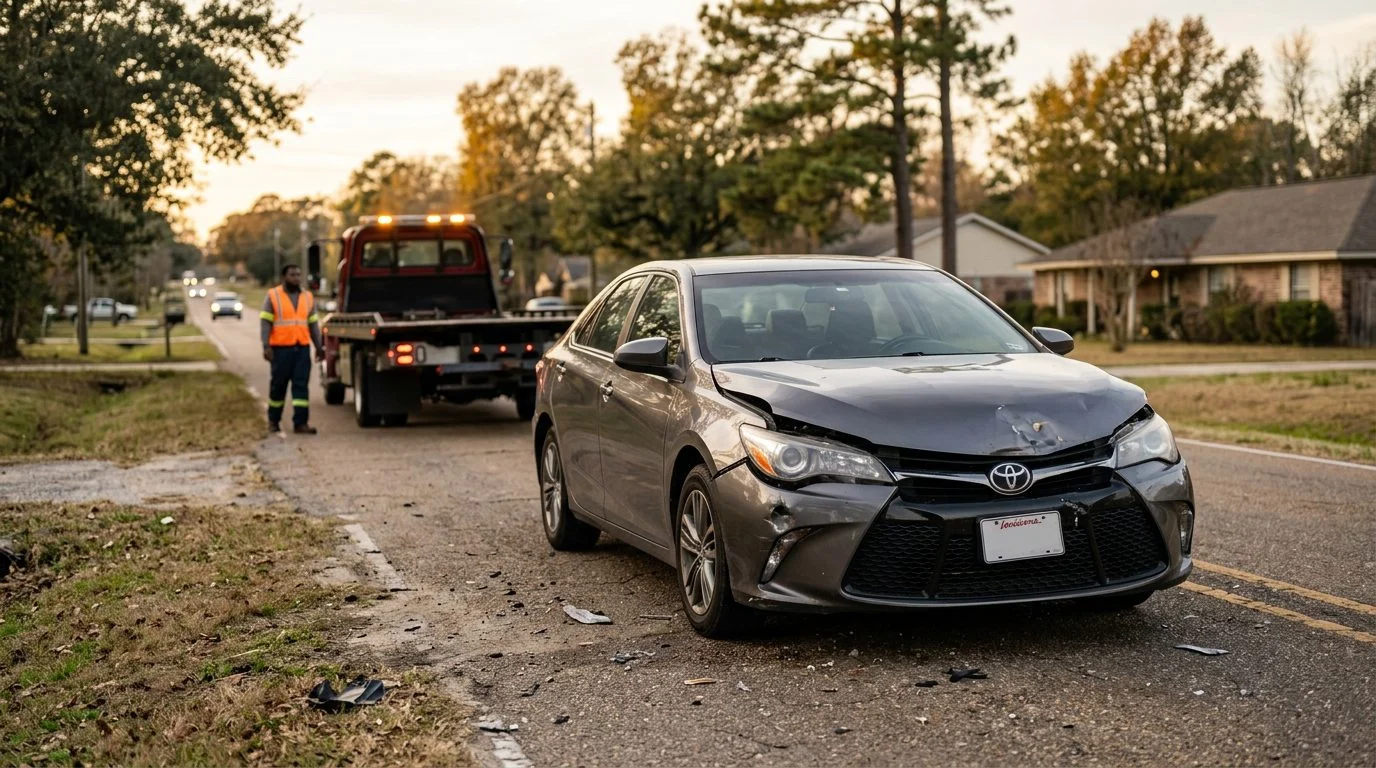
Louisiana Car Accidents | New Orleans
When Both Drivers Share the Blame in a Louisiana Car Accident
Shared-fault crashes raise hard questions about who is responsible and how it affects an injury claim. Przemek Lubecki and the team at American Trial Lawyer, LLC help people in New Orleans and across Louisiana make sense of what happened.
By Przemek Lubecki · Published November 5, 2026
In Louisiana, when both drivers share blame for a crash, each driver’s share of fault is set as a percentage. An injured person’s recovery is reduced by their own share. Under La. Civ. Code art. 2323, if the degree or percentage of negligence attributable to the person suffering injury, death, or loss is equal to or greater than fifty-one percent, that person is not entitled to recover damages. This guide explains how that works and what evidence matters.
What Is Modified Comparative Fault in Louisiana?
Comparative fault is a way to divide responsibility for a crash among everyone whose negligence helped cause it. Negligence means failing to use the care a reasonable person would use. Louisiana law makes a person responsible for damage caused by their negligence, imprudence, or want of skill (La. Civ. Code art. 2316).
Under La. Civ. Code art. 2323, the court determines the fault of everyone who caused or contributed to the injury. That includes people who are not part of the lawsuit. The rule applies whether or not a driver is insolvent or their identity is known. It covers any claim for damages from the crash, under any legal theory.
The timing of the rule matters. La. Civ. Code art. 2323 provides that an injured person whose own share of the negligence is fifty-one percent or more is not entitled to recover damages. When a person’s share of negligence is fifty-one percent or more, La. Civ. Code art. 2323 provides that the person shall not be entitled to recover damages. If a jury decides fault, it must be instructed on this rule. Fault turns on the evidence in each crash, so results depend on the facts.
If you're sorting out a crash where the other driver blames you, you don't have to work through the fault rules alone. Talk with our New Orleans office about your situation. Talk it through with our team — the first consultation is free, confidential, and carries no obligation.
Is Louisiana a No-Fault State?
No. Louisiana is a fault-based state for car accident injury claims, so who caused the crash is central. A person hurt by another driver’s negligence can seek damages from the driver responsible. The comparative fault rules above then decide how much can be recovered (La. Civ. Code art. 2323).
Louisiana requires drivers to carry liability insurance. The Louisiana compulsory insurance requirements are published by the Office of Motor Vehicles. Those limits matter because they shape how much insurance is available to pay a claim.
A driver’s own insurer may still handle property damage or medical coverage under that driver’s policy. Those policy terms can differ from a claim against the other driver. Reading your own policy early helps you see which coverage applies to which part of your loss.
How Fault Percentages Reduce a Recovery
Where an injured person’s own negligence is less than fifty-one percent, La. Civ. Code art. 2323 provides that the damages recoverable are reduced in proportion to the degree or percentage of that negligence. Under art. 2323, a person suffering injury, death, or loss whose own negligence is fifty-one percent or more shall not be entitled to recover damages.
Here is an illustrative example with round numbers. Assume total damages of $100,000 and an injured driver found 30 percent at fault. The 30 percent share reduces the recovery by $30,000, leaving $70,000. The other driver’s share is that driver’s own responsibility. These numbers only show the math. They are not a prediction for any real case.
Fault percentages come from the evidence, and parties often dispute them. Two drivers can see the same crash very differently. A change of a few percentage points changes the math, which is why the evidence matters so much.
There is one important exception. If the injury came partly from the injured person’s own negligence and also from an intentional wrongdoer’s act, the injured person’s claim is not reduced. The same article sets that rule.
Can Both Drivers Be at Fault in the Same Crash?
Yes. Both drivers can be negligent in the same crash. One driver may run a red light while the other speeds or looks at a phone. Each one contributed, so each can carry a share of fault.
Common shared-fault patterns include:
- Following too closely. A driver may not follow another vehicle more closely than is reasonable and prudent (La. R.S. 32:81).
- Careless driving. Any person operating a motor vehicle on Louisiana public roads must drive in a careful and prudent manner (La. R.S. 32:58).
- Failure to yield, unsafe lane changes, and distraction at intersections and on highways.
Shared fault is why each side often blames the other. If your own negligence is less than fifty-one percent, your recovery is reduced in proportion to that negligence rather than barred (La. Civ. Code art. 2323). A common mistake is assuming a traffic ticket decides fault. A ticket is one piece of the picture, not the final answer.
What Evidence Shows Who Was at Fault?
The strongest evidence shows how the crash happened and where each vehicle ended up. Start with the crash report. Louisiana law makes crash reports confidential. They are available to the parties, their insurers, and their attorneys. Upon request, they are made available within seven working days after the investigation is complete (La. R.S. 32:398).
A police report is one piece of evidence. It does not settle fault on its own. Officers record what they see and what drivers say, but the report is not the last word.
Other useful evidence includes:
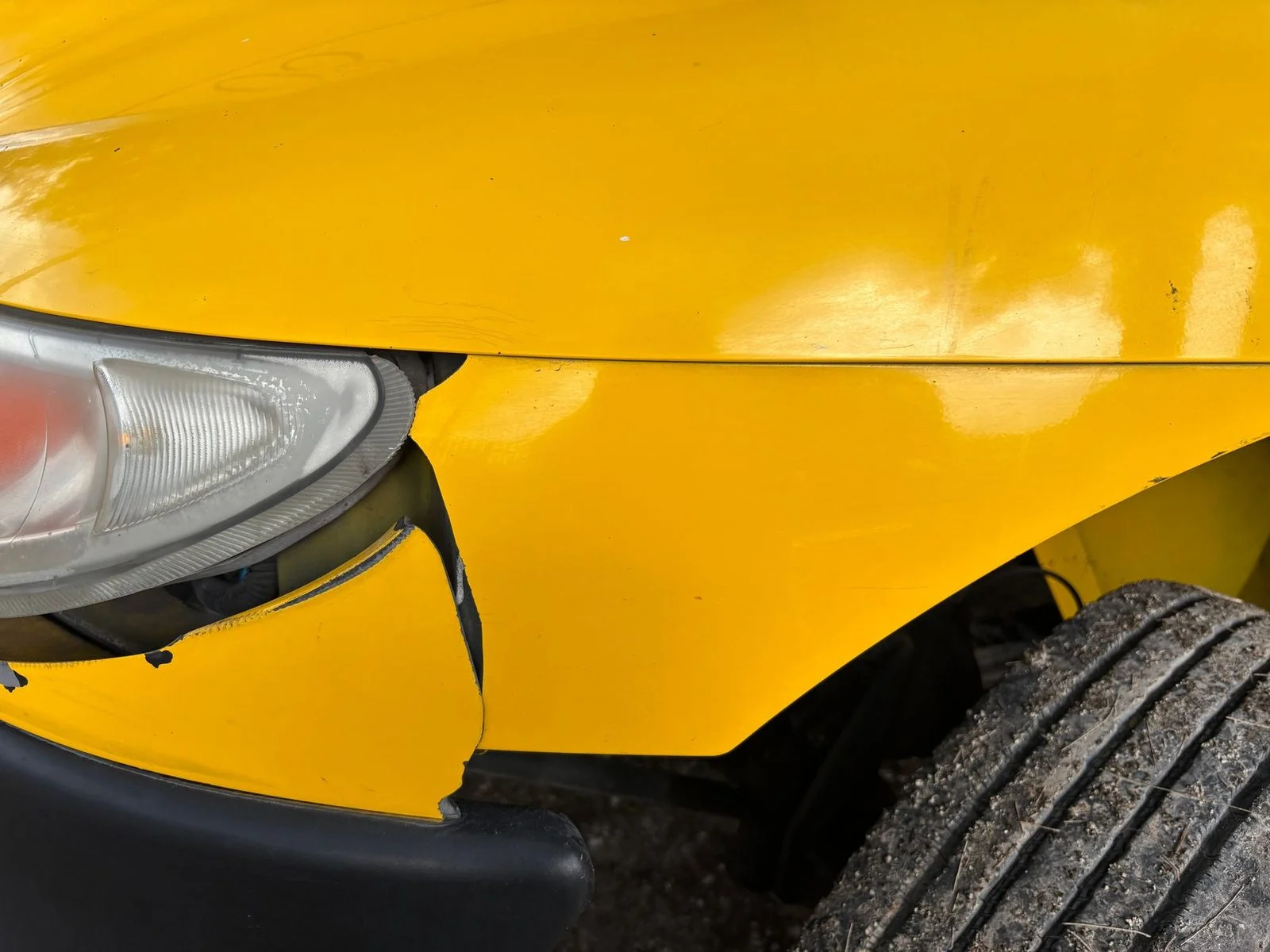
- Photos of vehicle damage, the road, and where the cars came to rest.
- Skid marks, debris patterns, and the location of impact.
- Names and contact details for witnesses.
- Traffic or business camera footage, if it still exists.
- Vehicle data, where available.
Keep your own photos, notes, and medical records. Gather them as early as you safely can. Footage and road marks do not last forever.
Multi-Vehicle Pile-Ups and Shared Blame
In a multi-car crash, several drivers may share fault. The order of impacts often decides a lot. Investigators look at which vehicle hit which, how fast each was going, and how closely each followed the car ahead.
Following distance matters. Under La. R.S. 32:81, the driver of a motor truck traveling on a highway outside a business or residential area shall not follow another motor truck within four hundred feet, though this does not prevent one motor truck from overtaking and passing another. One truck may still overtake and pass another (La. R.S. 32:81).
Louisiana also limits how much one driver owes for another’s share. A joint tortfeasor (someone who shares liability for the same harm) is not liable for more than their own degree of fault. They are not solidarily liable for another person’s fault (La. Civ. Code art. 2324). The article has an exception for people who conspire to commit an intentional act.
Trucks and commercial vehicles can add separate records and rules. Our truck accident and commercial vehicle accident pages cover those details.
Not sure what your next step is?
Talk it through with our team — the first consultation is free, confidential, and carries no obligation.
Talking to Insurers When Both Drivers Blame Each Other
You may choose whether and when to give a recorded statement to the other driver’s insurer. That call often comes before you know the full extent of your injuries. Take a moment before you agree to talk.
Louisiana law gives you a right to a copy. A person who takes a written, recorded, or transcribed statement from an injured person must give that person a true and complete copy. After a written demand, the copy must be provided within twenty days (La. R.S. 13:3732). If the holder refuses a copy after your request, the statement cannot be used in a civil case about the crash.
Stick to what you saw and what you know. Avoid guessing about speed, distance, or who started the chain of events. Keep a written log of adjuster names, claim numbers, phone numbers, and copies of every letter.
Insurance Limits, Government Defendants, and Deadlines
Louisiana generally requires filing most fault-based injury claims within two years of the injury, but exceptions apply. Under La. Civ. Code art. 3493.1, delictual actions carry a two-year prescription. It runs from the day the injury or damage is sustained. The two-year period does not run against minors or interdicts only in actions involving permanent disability brought under the Louisiana Products Liability Act or state product liability law, so the date for your case depends on the facts. Don’t wait to learn your deadline.
Insurance limits also matter. The other driver’s policy limits can affect how much compensation is practically available.
Claims against a government body follow special rules. If a city, parish, or state agency may share fault, no suit can be filed in any court other than a Louisiana state court (La. R.S. 13:5106). That cap of five hundred thousand dollars per person for personal injury excludes property damages, medical care and related benefits, loss of earnings, and loss of future earnings (La. R.S. 13:5106).
Key Takeaways
- Louisiana uses comparative fault (La. Civ. Code art. 2323). La. Civ. Code art. 2323 bars recovery of damages when the injured person’s own negligence is fifty-one percent or more. Below that, recovery is reduced by the injured person’s share.
- Louisiana is a fault-based state for car accident injury claims, not a no-fault state.
- Both drivers can share fault. Reports, photos, witnesses, footage, and physical marks shape how fault is divided.
- Insurer calls, insurance limits, government defendants, and deadlines can all affect a claim. Learn them early.
Common Questions
Can both drivers be at fault in a Louisiana car accident?
Yes. Each driver’s share is set as a percentage; if the injured person’s share is less than fifty-one percent, their recovery is reduced in proportion to that share, and at fifty-one percent or more they cannot recover damages.
How does a fault share of fifty-one percent affect a claim?
If fifty-one percent or more of the negligence is attributable to the injured person, La. Civ. Code art. 2323 provides that the person is not entitled to recover damages.
Is Louisiana a no-fault state?
No. Louisiana is a fault-based state for car accident injury claims.
How long do I have to file?
Louisiana generally allows two years from the day of injury for these claims, but exceptions apply (La. Civ. Code art. 3493.1).
Can I get a copy of my recorded statement?
Yes.
Talk With Przemek Lubecki About Your Crash
If you’re dealing with a crash you didn’t choose, with the other driver blaming you, injuries to manage, and insurance calls coming in, you don’t have to sort it out alone. Przemek Lubecki is the responsible lawyer for this page. Our New Orleans office can talk through your crash with you. The initial consultation is free, confidential, and without obligation. Call 855-LUBECKI to reach the New Orleans office, or request a free case evaluation.
Readers in Metairie, Kenner, Slidell, Jefferson Parish, St. Bernard Parish, and across Louisiana can contact the New Orleans office. The firm may associate or refer a case to other law firms. If that happens, the firm will tell you.
Be careful what you say at the scene
Insurance adjusters may ask you to describe what happened or to agree to a version of fault. Before you give a recorded statement or accept any account of the crash, consider speaking with a lawyer first.
How we approach shared-fault crashes
Careful review of the crash
We look closely at police reports, photographs, vehicle damage and witness accounts to understand how the collision happened.
Focus on the injured person
Shared-fault crashes often involve several drivers, passengers and families. We keep your questions and your recovery at the center of our work.
Plain-language explanations
We explain how fault is shared in Louisiana in clear terms, so you can make decisions with confidence rather than guesswork.
Free, confidential first consultation
Call 855-LUBECKI to speak with Przemek Lubecki. The first consultation is free, confidential and without obligation to continue.
Questions people ask after a shared-fault crash
What does it mean when both drivers are at fault?
Each driver's share of responsibility is described as a percentage. More than one driver can share responsibility for the same crash.
Why does the percentage matter?
The share assigned to each person can affect an injury claim, so it is worth understanding the facts early, before statements are made and records change.
What should I gather after a crash?
Photos of the scene and vehicles, the police report number, medical records and the names of witnesses can all help a lawyer understand what happened.
Who is handling these matters?
Przemek Lubecki, a trial lawyer, is the responsible lawyer for this page. The firm is based in New Orleans, and some cases may be associated with or referred to other law firms.