
Truck, Car & Commercial Vehicle Accidents | New Orleans, Louisiana
Reporting an Accident in Louisiana: Steps That Protect Your Account
A crash is stressful, and the details you record and share in the first hours can shape what comes next. Here is a calm, practical guide to what to do.
By Przemek Lubecki · Published November 19, 2026
What Should You Know About Reporting an Accident?
You were in a crash, or someone you love was. Now you’re sorting out pain, paperwork and phone calls all at once. It’s normal to feel unsure about what has to be reported, and by when.
Here’s the short answer. Louisiana doesn’t use one 10-day rule for everything. Crash reporting, insurance notice and the deadline to file a lawsuit are separate. A late report mostly affects the proof and paperwork around a claim.
If a crash you did not choose has left you unsure what to report, our team can talk it through with you in a free, confidential consultation. Talk it through with our team — the first consultation is free, confidential, and carries no obligation.
The short answer: what the 10-day window means in Louisiana
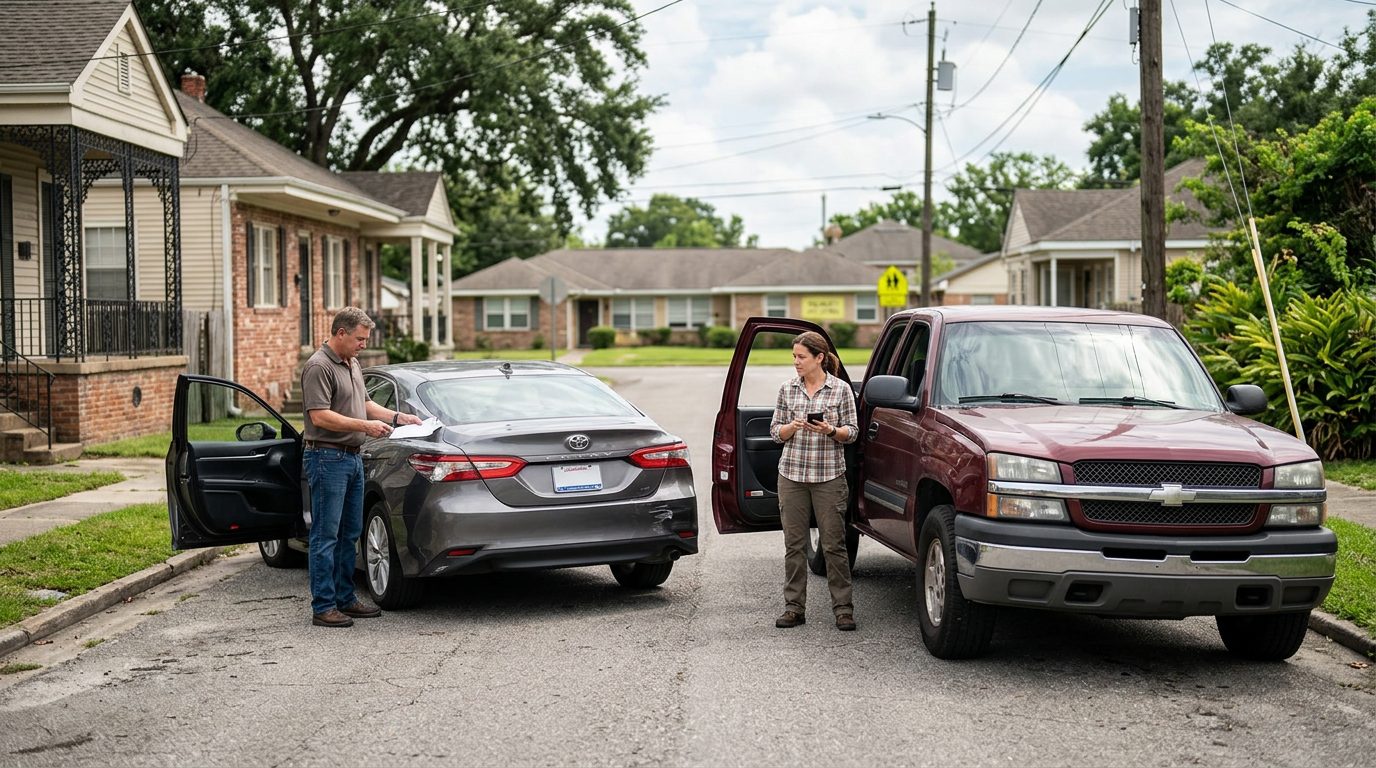
Under La. R.S. 32:398, the driver of a vehicle involved in a crash resulting in injury to or death of any person, or property damage in excess of five hundred dollars, generally must give his name, address, and the registration number of the vehicle he was driving and, upon request and if available, show his license to any person injured in the crash or to the driver or occupant of any vehicle damaged in it. Three different things get called “reporting,” and each runs on its own track.
Information at the scene and the police report. Drivers involved in a crash resulting in injury to or death of any person or property damage in excess of five hundred dollars must give such information and, upon request, exhibit such license or permit to any police officer at the scene of the crash or who is investigating the crash. Police investigate and prepare a crash report. Details follow below.
A written claim report to the state. Under La. R.S. 32:871, an operator “may report, in writing, to the commissioner a claim” for property damage and physical injury. The word “may” makes this step optional.
Notice to your insurer. Insurance policies set their own notice terms. Those terms come from your policy, not from the crash statute.
What Louisiana law asks drivers to do after a crash
Under La. R.S. 32:398, the driver of a vehicle involved in a crash resulting in injury to or death of any person, or property damage in excess of five hundred dollars, must give their name, address and the registration number of the vehicle to any person injured in the crash or to the driver or occupant of other damaged property, subject to the section’s own conditions, including those for crashes in a geographical area under order of evacuation by a competent authority or under a declared state of emergency. On request, and if available, the driver must also show a license or permit to anyone hurt or whose property was damaged.
The statute also sets who investigates. State police or the sheriff’s office handles crashes outside city limits. A city’s police department handles crashes inside them. In New Orleans, the city police department is the investigating agency. Each officer who investigates a crash must instruct drivers to report the following to all parties suffering injury or property damage as an apparent result of the crash: the names and addresses of the owner and driver, the vehicle’s license number, the liability insurer’s name, and the insurance agent’s name, address and telephone number.
Crash reports are confidential. Only listed people can get them, including the parties, their insurers and their attorneys. Upon request, they must be made available within seven working days after the investigation is complete. The City of New Orleans police reports page explains the public-records process. Information about accessing crash reports is available on the Louisiana State Police crash report access page.
Is minor damage considered an accident?
Minor damage can count, but only in some cases. La. R.S. 32:398 applies to a crash resulting in injury to or death of any person, or property damage in excess of five hundred dollars, subject to the section’s own conditions, including those for crashes in a geographical area under order of evacuation by a competent authority or under a declared state of emergency. A small scrape under that line, with no one hurt, falls outside the reporting duty.
That line is hard to judge at the scene. A bumper that looks cheap to fix can hide a cracked bracket or a damaged sensor. The estimate often climbs once a shop opens the panel. Injuries are slow to show, too. Neck, back and head symptoms can take hours or days to appear. A crash that felt minor can turn into an injury claim.
For that reason, it’s wise to exchange information and tell police about any crash, even a small one. Write down what you remember while it’s fresh.
What is the time limit for filing a lawsuit?
For most injury claims, Louisiana’s general filing clock is two years from the day the injury or damage happens. La. Civ. Code art. 3493.1 sets a two-year period for delictual (tort) actions. The period starts when the injury or damage is sustained. The article also has exceptions, so the type of claim matters.
La. Civ. Code art. 3493.1 sets the two-year period for delictual actions. A crash report or an insurance notice is a different step, and it doesn’t file a lawsuit.
What can happen if the report is missed or late?
A missed or late report usually leaves less official proof of when, where and how the crash happened. Without a police crash report, the official account may be thin or missing. That makes later disagreements about fault harder to settle.
Insurers may ask why a crash wasn’t reported sooner. They may also look closely at when an injury first showed up, and whether something else could have caused it. A gap in time gives other parties room to argue.
Evidence fades with time. Witnesses move or forget details. Camera footage from nearby buildings is often kept only for a limited time. Vehicles get moved, and skid marks and debris can change. Early notes and photos help keep the facts clear.
Not sure what your next step is?
Talk it through with our team — the first consultation is free, confidential, and carries no obligation.
Will insurance pay out without a police report?
An insurer can review a claim without a police report, but it will want other proof of what happened. Photos of the scene and vehicles, medical records, repair estimates, witness names and the other driver’s account all help. If someone files a written report under La. R.S. 32:871, it must declare the vehicle’s insurance information, such as the insurer’s name and policy number.
If you gave a written or recorded statement after the crash, you have a right to a copy. Under La. R.S. 13:3732, the person who took it must give you a true and complete copy. If you ask in writing, they must provide it within twenty days.
Whether a claim is paid depends on its facts. No one can promise how an insurer will decide. Keep copies of everything you send and receive.
Extra steps when a truck or commercial vehicle is involved
Commercial carriers have federal duties to keep accident records, and those records can matter to a claim. Under 49 C.F.R. § 390.15, a motor carrier must make all records and information pertaining to an accident available to authorized representatives within such time as the request or investigation may specify. It must also keep an accident register for three years and keep copies of accident reports required by states or insurers.
Retention has limits.
Alcohol testing also has time limits. Under 49 C.F.R. § 382.303, an employer must test certain surviving drivers for alcohol after some crashes, as soon as practicable. If a test isn’t given within two hours, the employer must record why. If it isn’t given within eight hours, the employer must stop trying and keep that record.
Trucks may also carry electronic logs, dashcam video and dispatch messages. The FMCSA summary of hours-of-service regulations describes federal driving-time rules that apply alongside Louisiana law.

Talk with Przemek Lubecki about your situation
If you’re sorting out a crash you did not choose, you don’t have to work out the reporting rules by yourself. Pain and time pressure can blur what matters most, and a clear list of next steps can help.
Quick answers
Does a late crash report affect my lawsuit deadline?
A report and a filing deadline are different questions. Most injury claims in Louisiana run on a two-year clock from the date of injury, with some exceptions.
Can insurance pay a claim without a police report?
An insurer may review a claim using other proof, such as photos, medical records and witness details. Whether it pays depends on the facts.
Can I get a copy of my recorded statement?
Yes. After a written request, the person who took it must give you a copy within twenty days.
Przemek Lubecki is the responsible lawyer for this page, and our office is in New Orleans. The firm may associate or refer a case to other law firms. For background on truck claims in the area, see truck accidents in Orleans Parish.
If you want to talk through what to report and when, call 855-LUBECKI or request a free case evaluation. The first consultation is free, confidential and without obligation to continue.
Why people bring their accident questions to American Trial Lawyer
Focused on injured people
The firm focuses on people seriously hurt in truck, commercial vehicle and car crashes, and on families in wrongful death cases.
Trial-minded advocacy
Przemek Lubecki is a trial lawyer who prepares each case as if it may need to be tried, while keeping clients informed at every step.
Based in New Orleans
Our office is in New Orleans, and we serve people across Orleans Parish, the New Orleans metro area and Louisiana.
Plain-language answers
We explain the reporting process, the paperwork and your options in clear terms, so you can make informed decisions.
Before you speak with an insurance adjuster
Insurers may ask for a recorded statement soon after a crash. Talk with a lawyer before you give one. This firm may associate or refer a case to other law firms, and that will be disclosed to you.
Key steps to take after a crash
Get medical care
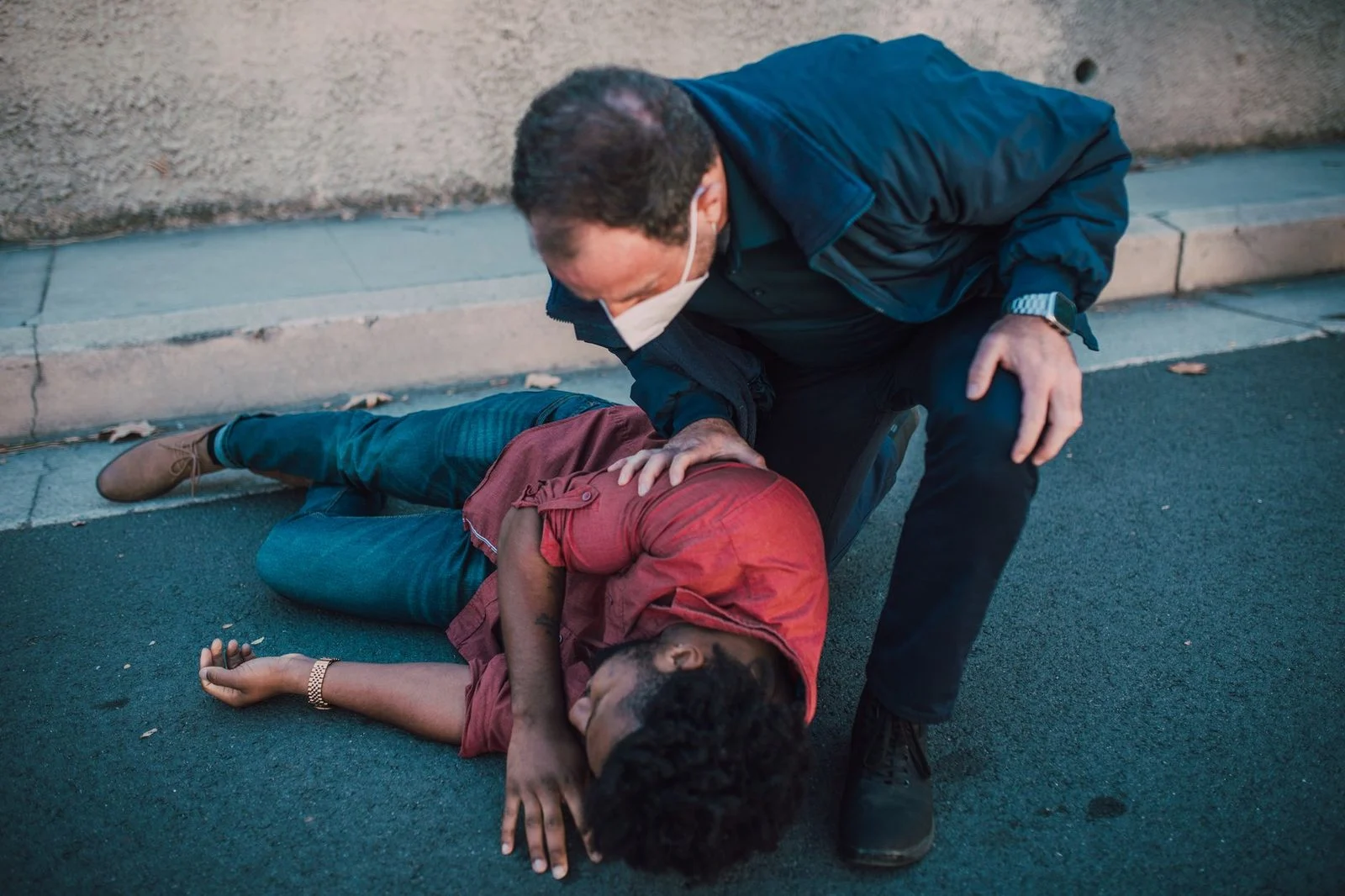
See a doctor or go to an emergency room, even if you feel fine. Some injuries, including brain injuries, may not show symptoms right away.
Document the scene
Photograph vehicles, road conditions, signs and visible injuries. Write down the time, weather and what you remember while it is fresh.
Exchange information
Collect names, contact details, insurance information and license plate numbers. Note any witnesses and how to reach them.
Keep your records
Save the police report number, repair estimates, medical bills and all letters from insurers in one place.