
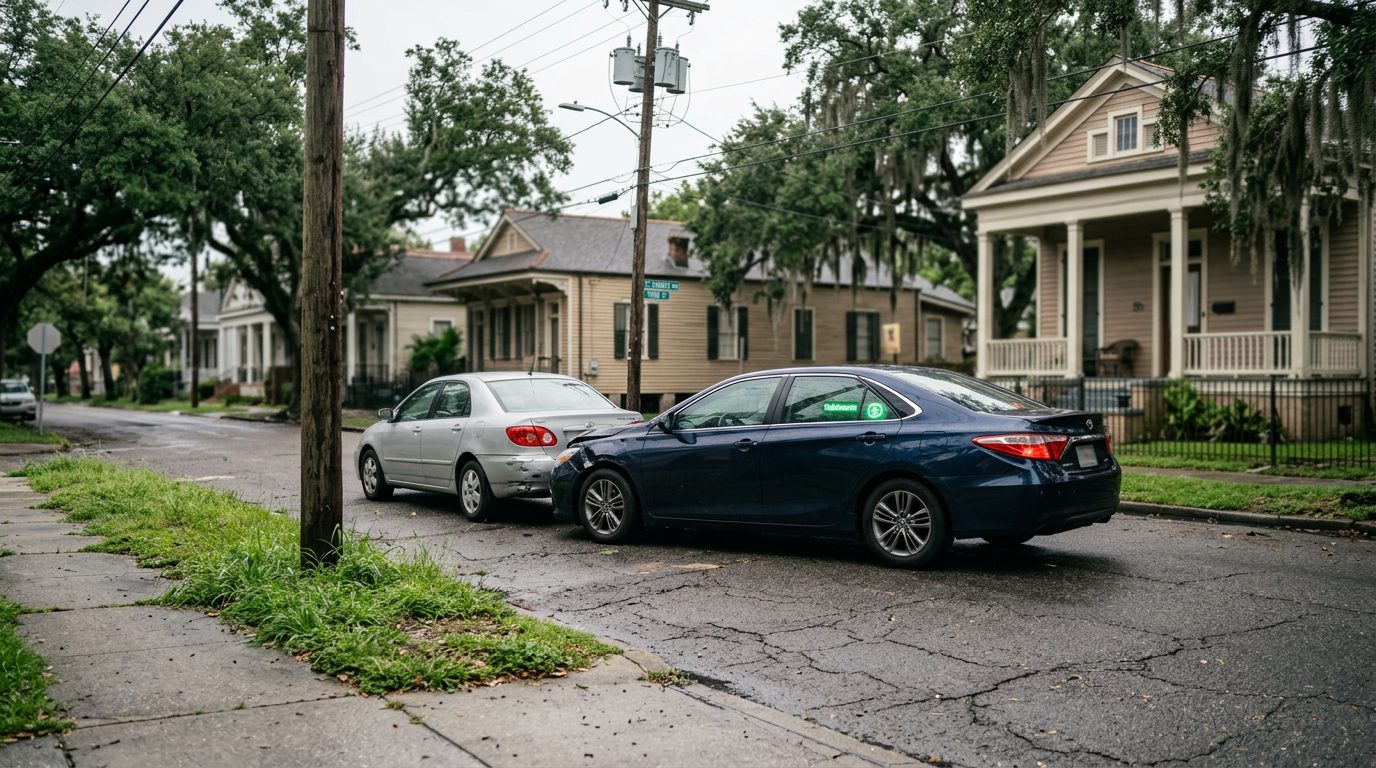
Rideshare Accidents | New Orleans, Louisiana
Hurt in an Uber Accident? Start With Your Questions
Being hurt in a rideshare crash can leave you with medical appointments, insurance calls and a lot of uncertainty. Przemek Lubecki and our team in New Orleans can help you understand your next steps.
By Przemek Lubecki · Published November 20, 2026
If you were hurt as an Uber passenger, or a family member died in an Uber crash, the next weeks can feel overwhelming. The short answer is this: you may be able to seek compensation from the at-fault party, and sometimes from insurance tied to the trip. Louisiana has its own fault rules and time limits, so early steps matter.
This guide explains what usually happens, one step at a time.
What to do first after an Uber crash
Get medical care first, even if your injuries feel minor. Some injuries don’t show up right away. A doctor can check for problems you may not feel yet.
Ask for the police report, and write down the report number and the officers’ names. Under La. R.S. 32:398, crash reports are confidential. Upon request, reports must be made available within seven working days after the investigation is complete.
Take photos of the vehicles, your injuries and the scene. Screenshot your trip details and save the receipt. Write down the driver’s name, the plate number and any witness contact information. Keep a simple log of medical visits, time off work and out-of-pocket costs.
If you were hurt in an Uber crash, or you're worried about someone you love, you don't have to sort this out alone. Call 855-LUBECKI for a free, confidential consultation. Talk it through with our team — the first consultation is free, confidential, and carries no obligation.
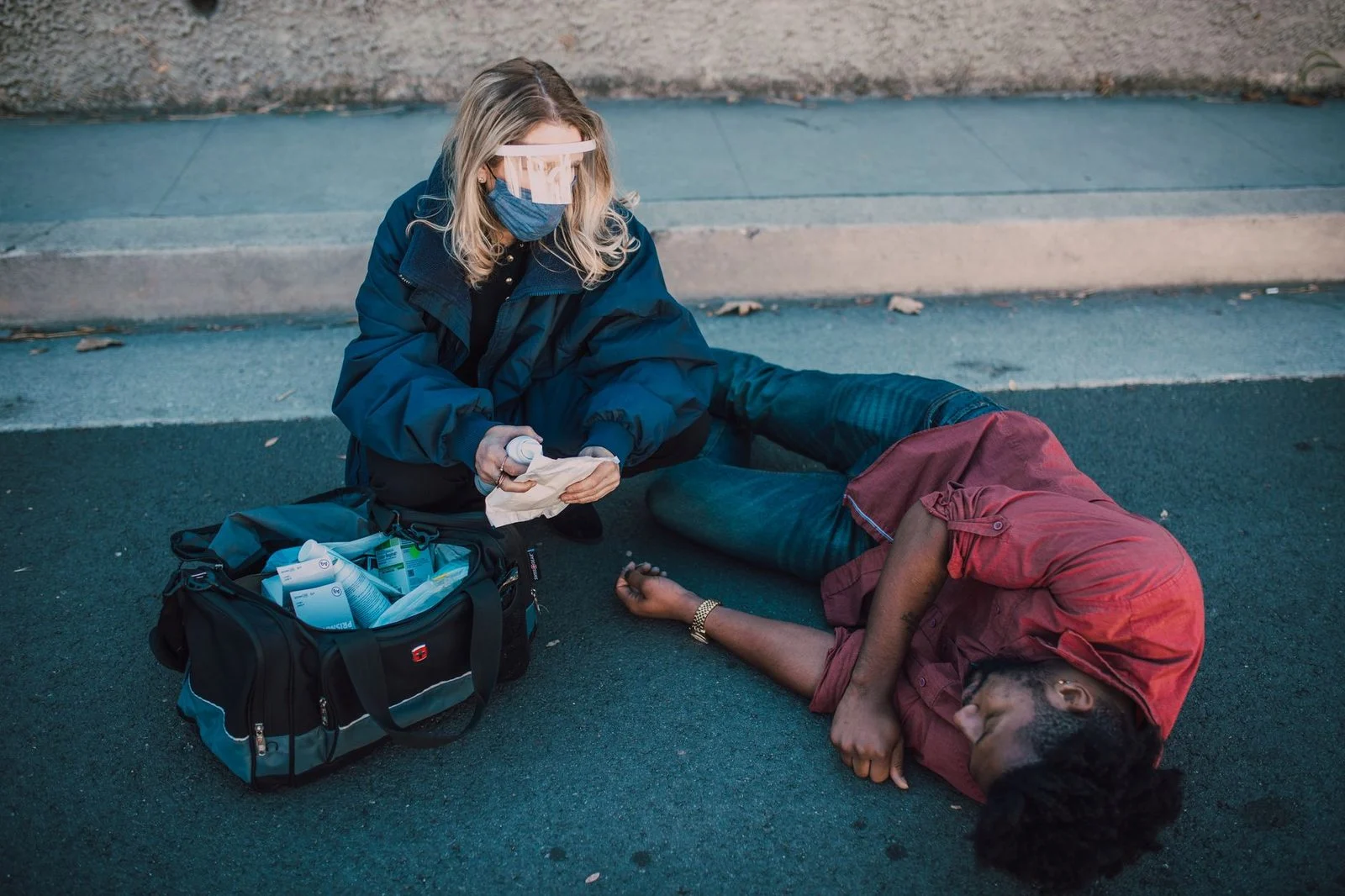
Who may be responsible for your injuries
Responsibility may rest with the other driver, the rideshare driver, or another party. It depends on how the crash happened and what each driver did. Louisiana uses comparative fault, which means each person’s share of blame matters (La. Civ. Code art. 2323).
Under La. Civ. Code art. 2323, a person found 51% or more at fault recovers no damages. A person less than 51% at fault has damages reduced in proportion to their own fault, except where the injury results partly from their own negligence and partly from the fault of an intentional tortfeasor, in which case the claim is not reduced.
Passengers are often not the ones at fault. Still, the facts decide the question.
When more than one party caused the harm, the degree or percentage of fault attributable to all persons causing or contributing to the harm is determined, whether or not they are parties to the action. Under La. Civ. Code art. 2324, a person who conspires with another to commit an intentional or willful act is answerable in solido with that person for the damage caused by that act, and where liability is not solidary, a joint tortfeasor is not liable for more than its degree of fault. Employers can also answer for damage caused by employees in the exercise of the functions in which they are employed under La. Civ. Code art. 2320, but only when the employer might have prevented the act and did not. Whether that rule reaches a specific rideshare driver turns on how that driver is classified.
How rideshare insurance may apply
Insurance for an Uber crash can come from more than one source. Which policies apply may turn on what the driver was doing in the app at the time. A driver waiting for a request, driving to a pickup, or carrying a passenger may fall under different coverage terms.
The at-fault driver’s liability insurance is another possible source. Louisiana law generally requires auto policies to include uninsured motorist coverage unless the insured rejects it, selects lower limits, or selects economic-only coverage. See La. R.S. 22:1295 for those rules. This coverage can matter when the at-fault driver has no insurance or not enough.
Uber injury protection, where it applies, is set by the policy’s terms. Don’t assume it is the only source. Review it alongside any other coverage.
Adjusters may ask you for a recorded statement. Under La. R.S. 13:3732, if you are an injured person and gave a written or recorded statement about an accident or injury, you can ask for a true and complete copy. The holder must provide it within twenty days after written demand. Be careful before you sign any release.
Passenger rights and how a claim is filed
A claim usually starts with notice to the insurer and a demand. That demand is stronger when it’s backed by medical records, bills, the police report and proof of lost income. Claims against different parties can move on different tracks.
Time limits matter most. Under La. Civ. Code art. 3493.1, delictual (tort) actions are subject to a two-year deadline that starts on the day injury is sustained. Missing that deadline can end a claim. Some exceptions exist in specific cases, so it’s wise to act early.
If you have Medicare, extra steps apply. Medicare beneficiaries must notify Medicare when a claim is made against a liability insurer. They can do this by reporting the case in the MSP Recovery Portal or by contacting the Benefits Coordination & Recovery Center, according to CMS reporting guidance. Medicare may also make a conditional payment that must be repaid from a settlement, per the CMS secondary payer overview.
When a family may need to consider a wrongful death claim
When a crash causes a death, certain close family members may be able to bring a wrongful death suit. Under La. Civ. Code art. 2315.2, the surviving spouse and children may sue. If there is no spouse or child, the surviving parents may sue, except a father or mother who abandoned the deceased during his minority, who is deemed not to have survived him. The article also covers siblings and grandparents in narrower situations.
The deadline is one year from the death or two years from the day injury was sustained, whichever is longer. Under La. Civ. Code art. 2315, damages may include loss of consortium, service and society, for the same family members who could sue for wrongful death. La. Civ. Code art. 2315 reads: “Damages do not include costs for future medical treatment, services, surveillance, or procedures of any kind unless such treatment, services, surveillance, or procedures are directly related to a manifest physical or mental injury or disease.”
Grief makes paperwork hard. Keep the police report, any medical examiner findings, and funeral bills in one folder. Brain injuries can affect memory, work and daily life, so keep notes on changes you notice.
Talking with a lawyer about your Uber accident
Pain, paperwork, insurers and family duties can pile up at once. An early conversation with a lawyer can help you sort out which deadlines and insurance sources may apply.
Przemek Lubecki is the responsible lawyer for this page. American Trial Lawyer, LLC has its office in New Orleans. The initial consultation is free, confidential and without obligation to continue. The firm may associate or refer a case to other law firms. If that happens, we will tell you.
Who pays my medical bills after an Uber accident?
Medical bills may be covered by several sources, including the at-fault driver’s insurance and any uninsured motorist coverage that applies.
Can I get a copy of the police report?
Yes, the reports are confidential and are made available only to the parties to the crash, their attorneys and insurers, and others the law names, including parents or guardians of a minor party, healthcare providers who treated a party, succession representatives, and news-gathering organizations requesting a specific crash, under La. R.S. 32:398. If you’re hurt, you can request a free case evaluation or call 855-LUBECKI.
How our team can help after a rideshare crash
Plain-language answers
We explain the process in terms you can follow, without legal jargon, so you know what to expect.
Organizing your records
We help you gather the crash details, medical records and communications that matter most as your case takes shape.
Attention to your family
When a crash affects everyone at home, we listen to the whole picture, including the concerns of loved ones.
Advocacy for fair treatment
We stand up for you with insurers and other parties so your side of the story is heard.
Important: referrals to other firms
Depending on the facts of your case, we may associate with or refer your case to other law firms. If that happens, we will tell you before any referral is made.
Common questions after a rideshare crash
Who should I talk to first?
Your health comes first. Seek medical care, then call us so we can answer your questions and talk through what comes next.
What if the insurance company calls?
You do not have to decide anything on the spot. Our team can help you respond to insurance adjusters in a way that protects your interests.
What about my family?
If a loved one was lost in a crash, our team can talk with your family about the wrongful death process in a calm, respectful way.
Is the first conversation free?
Yes. The initial consultation is free, confidential and without obligation to continue.