
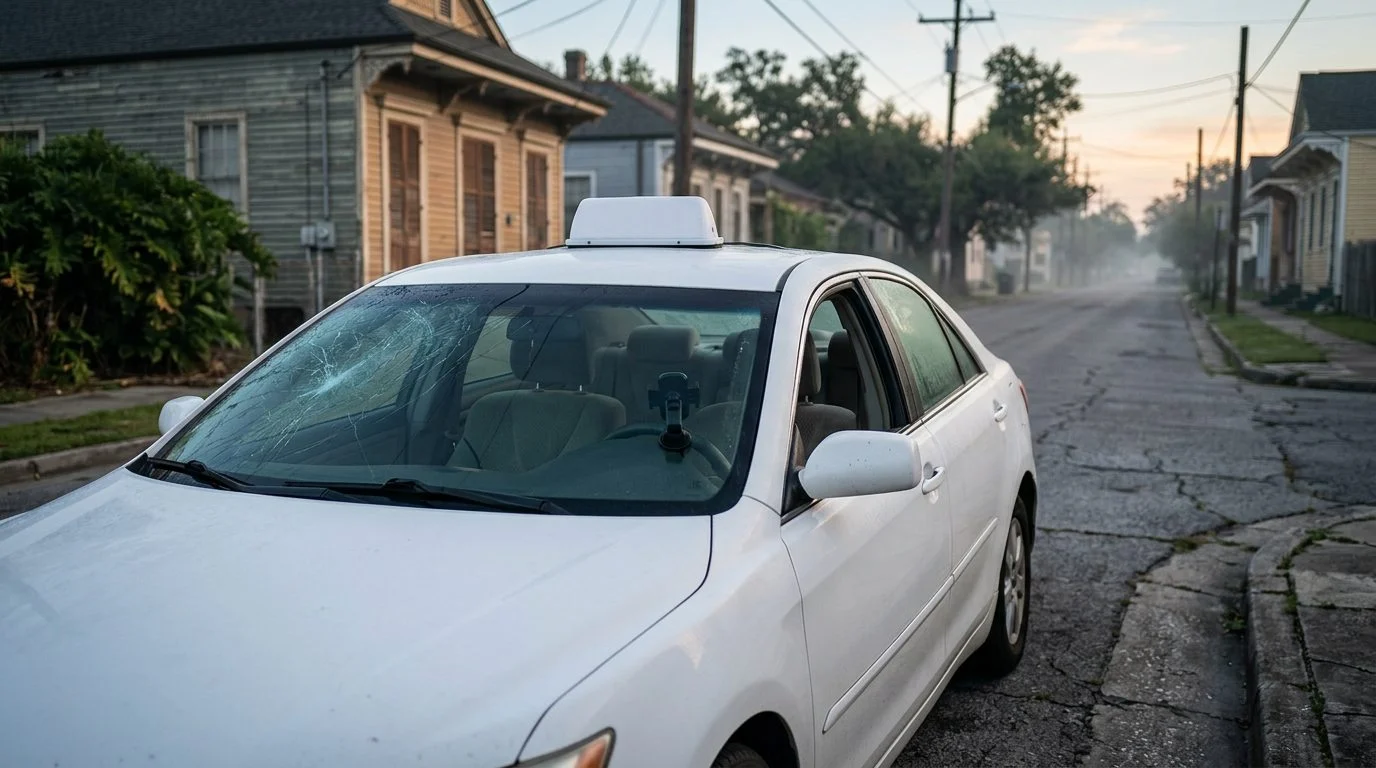
Rideshare Accidents | New Orleans
What If the Rideshare Driver Was on the Phone in a Crash?
Phone use behind the wheel can shape what happened on the road, and some of the most useful evidence comes from the phone itself. Here is what to think about.
By Przemek Lubecki · Published November 20, 2026
If an Uber driver was on the phone when you were hurt, you probably want to know what that means. Phone use can matter to fault, and it can change which evidence needs saving right away.
Short answer: a rideshare driver who looked at a phone instead of the road may share responsibility for a crash under Louisiana’s negligence rules. Proving it takes records, witnesses, and official reports, and each crash is judged on its own facts.
Why Phone Use by a Rideshare Driver Can Matter After a Crash
A driver who is looking at a phone may not be watching the road, the mirrors, or the traffic signals. That is the core of a negligence claim.
Louisiana law makes a person responsible for harm caused by negligence, not only by a deliberate act. La. Civ. Code art. 2316 says a person is responsible for damage caused by negligence, imprudence, or want of skill. La. Civ. Code art. 2315 says the person whose fault caused the damage must repair it.
A rideshare driver is working while driving. The app may be on while the driver waits for a request, or it may be guiding a passenger. Questions about the app, the ride request, and the trip can all be part of the picture.
Phone use is one factor among many. It matters most when it helps explain why a driver missed a stop sign, a lane change, or a red light.
If you were hurt in a crash and think the rideshare driver was looking at a phone, we can review the records with you, and the first consultation is free and confidential. Talk it through with our team — the first consultation is free, confidential, and carries no obligation.
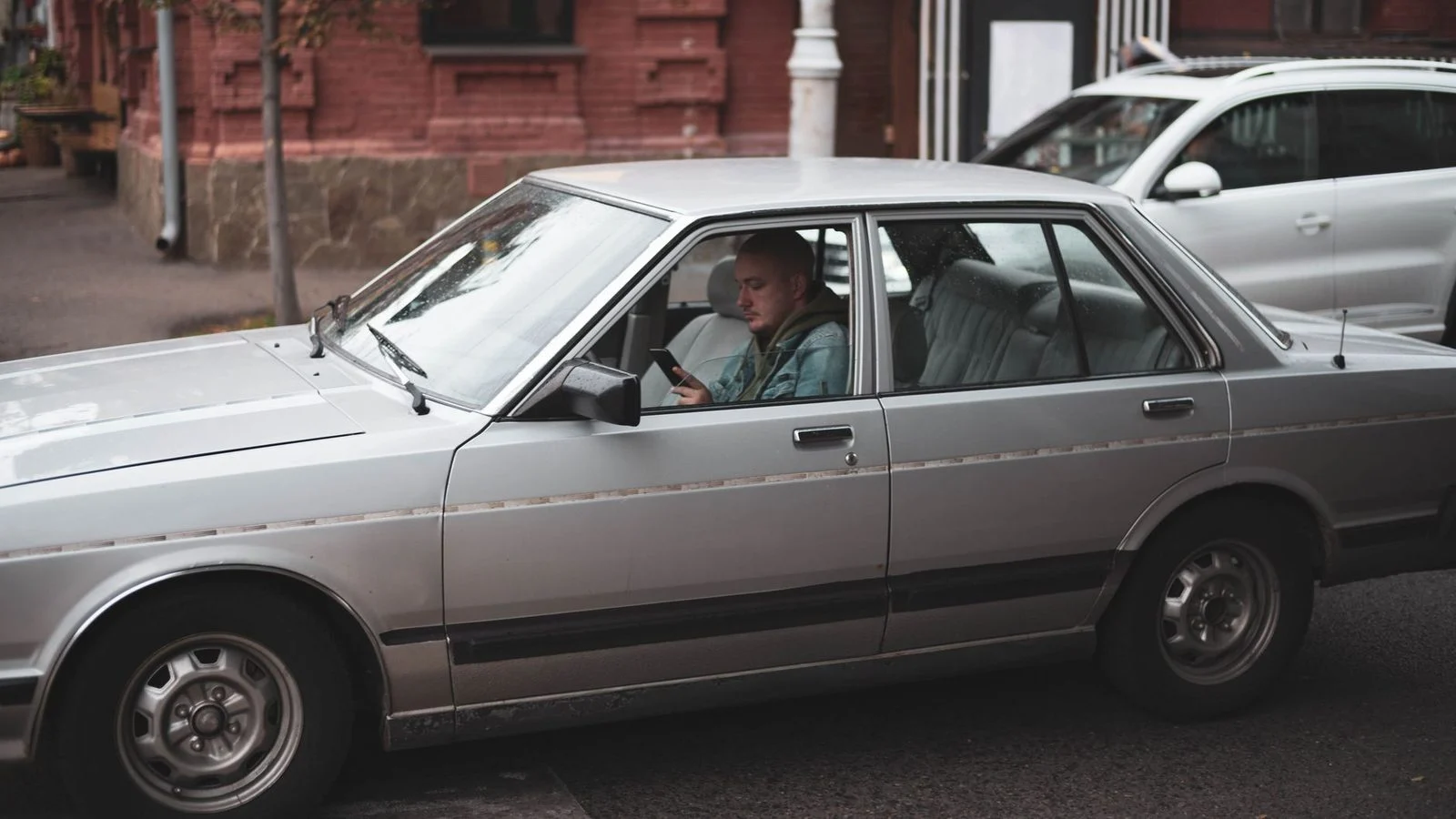
What Evidence Can Show Whether a Driver Was Using a Phone
The strongest proof usually comes from records showing what the phone and app were doing near the time of the crash.
Call and message logs, plus app activity with timestamps, can show that. These records usually come through a formal request made during a claim or lawsuit, not from a quick look at the phone.
Witnesses matter too. Passengers, people in nearby cars, and bystanders may recall whether the driver was looking down. Vehicle data, dashcam footage, and nearby business video can build a timeline, but video is often overwritten quickly.
You can help now. Photograph the scene and both vehicles, including damage and position. Save your own phone records, ride receipts, and app screenshots. Write down the names and numbers of anyone who saw the crash.
Common mistakes hurt claims. People delete texts, post about the crash online, or guess about what the other driver was doing. Stick to what you saw and what you can document.
Calling 911 and Getting the Police Report
A 911 call and a police report are usually the first official records of a crash. A 911 call usually creates a time-stamped record.
The officer’s report records statements, observations, and any citations. Louisiana law requires a driver in a crash resulting in injury to or death of any person, or property damage in excess of five hundred dollars, to give name, address, and registration number. La. R.S. 32:398 makes crash reports confidential and available to listed people, including the parties, their attorneys, and their insurers. Upon request, reports are to be made available to the listed persons within seven working days after the investigation is complete.
The report is a starting point, not the final word on fault. If the driver said they were on the phone, or the officer noted it, that belongs in the report and deserves careful review. Stay truthful, and don’t guess about speed or phone use if you did not see it.
If you gave a recorded or written statement, La. R.S. 13:3732 says the person who took it or has possession of it must give you a true and complete copy within twenty days after written demand, and if they refuse, the statement is not admissible in evidence or otherwise usable in any civil action relating to its subject matter.
How Louisiana Phone-Use Rules Relate to Fault
Louisiana’s careless-driving rule asks every driver to drive carefully, and a phone screen can pull attention from that duty.
La. R.S. 32:58 says a driver must drive in a careful and prudent manner so as not to endanger others. Failing to do so is careless operation.
Louisiana also uses comparative fault, which means shared fault. Under La. Civ. Code art. 2323, when a person suffers injury, death, or loss partly from their own negligence and partly from another’s fault, a person whose own negligence is 51% or more is not entitled to recover damages. A person below 51% recovers damages reduced in proportion to their share of negligence, except that a claim for a loss partly caused by an intentional tortfeasor’s fault is not reduced. Fault is assigned to everyone who contributed, even a nonparty. This text took effect January 1, 2026, so older articles may describe a different rule.
Insurance is a separate question. La. R.S. 45:201.6 sets minimum rideshare coverage. During the pre-trip acceptance period, Louisiana law requires automobile insurance of not less than fifty thousand dollars for death and bodily injury per person and not less than one hundred thousand dollars for death and bodily injury per incident, as set out in La. R.S. 45:201.6. A transportation network company may satisfy this requirement through a policy obtained by a participating driver only if the company verifies that the policy is maintained by the driver and is specifically written to cover the driver’s use of a vehicle related to a transportation network company’s digital network. During a prearranged ride, Louisiana law requires automobile insurance of not less than one million dollars for death, bodily injury, and property damage, as set out in La. R.S. 45:201.6. A transportation network company may meet this requirement through a driver’s policy only if it verifies that the policy is maintained by the driver and is specifically written to cover the driver’s use of a vehicle related to its digital network. That coverage does not wait for a personal insurer to deny a claim first.
If Someone Was Killed in a Crash With a Rideshare Driver
Louisiana law lets certain surviving family members bring a wrongful death claim when another person’s fault causes a death.
La. Civ. Code art. 2315.2 sets the order. The surviving spouse and children come first. If there is no spouse or child, the surviving parents may sue, but a father or mother who has abandoned the deceased during his minority is deemed not to have survived him. Then come siblings, and then grandparents if no closer relative survived. Adoptive relatives count.
The time limit matters. The article says the right of action prescribes one year from the death or two years from the day the injury or damage was sustained, whichever is longer.
La. Civ. Code art. 2315 adds that damages may include loss of consortium, service, and society. La. Civ. Code art. 2315 reads: “Damages do not include costs for future medical treatment, services, surveillance, or procedures of any kind unless such treatment, services, surveillance, or procedures are directly related to a manifest physical or mental injury or disease.” Those damages are recoverable by the same family members who could bring a wrongful death claim.
The same proof questions apply, and they feel more urgent after a death. Phone records and video can disappear. Families who want the time limits reviewed should contact our office soon.
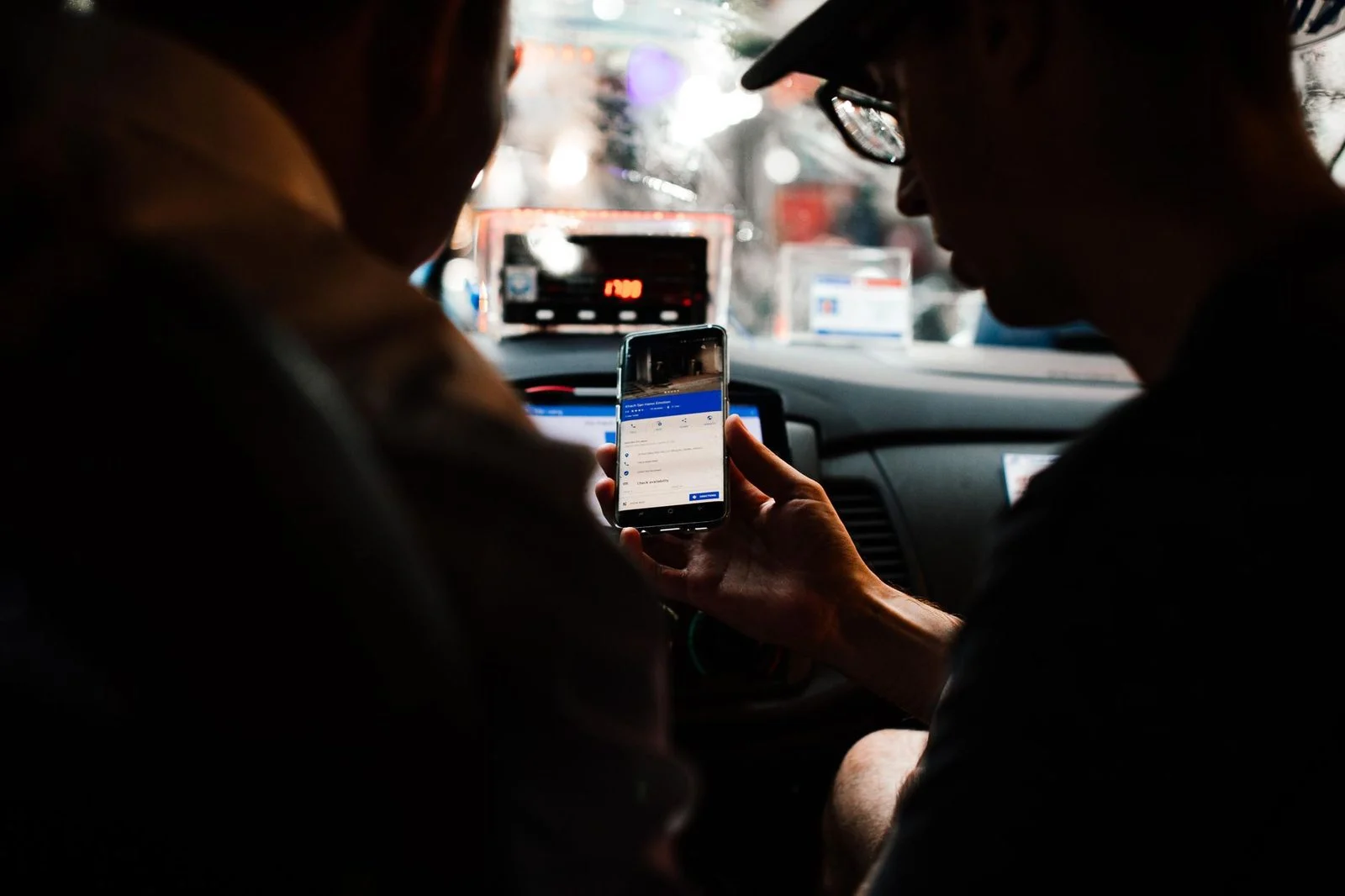
Talk With Przemek Lubecki About a Possible Phone-Use Claim
If you were a passenger or another driver hit by a rideshare vehicle, and you think the driver was on a phone, start by gathering what you already have.
Bring the date and time, app screenshots and receipts, witness names, scene photos, the crash report number, and your medical notes. A complete picture helps a lawyer decide what to request first.
Przemek Lubecki is the responsible lawyer for this page. The office is in New Orleans, Louisiana, and it serves people across Orleans Parish, the New Orleans metro, and Louisiana. Our firm may associate or refer a case to other law firms.
Can I get a copy of the crash report?
Yes, parties to a crash and their attorneys can request the report under La. R.S. 32:398.
What is the wrongful death time limit in Louisiana?
Under La. Civ. Code art. 2315.2, the right of action prescribes one year from the death or two years from the injury, whichever is longer.
If you were hurt, or lost someone, and think the rideshare driver was looking at a phone, you don’t have to sort out the records alone. The first consultation is free, confidential, and carries no obligation to continue. Request a free case evaluation or call 855-LUBECKI.
Why Phone Activity Matters in a Rideshare Crash
Phone records can be important
Call, text and app activity around the time of a crash may help show what the driver was doing and when.
Trip data can add context
Rideshare apps keep records of trip status, timing and driver activity that may help explain the events leading up to a collision.
Evidence can be lost
Phone and app data are not always kept forever, so asking questions early can help protect what may matter later.
More than one party may be involved
A rideshare crash can involve the driver, the vehicle owner, other drivers and insurers, each with different responsibilities to sort out.
Be Careful Before You Speak to Insurers
Insurance adjusters may ask for recorded statements soon after a crash. Before you give one or sign anything, consider talking with a lawyer about your situation.
Questions to Think About After a Rideshare Crash
Was the driver using the app?
Whether the app was open, active or accepting a ride at the time of the crash can matter for the next steps.
Where was the phone?
A phone in a mount, a pocket or a hand can tell a different story, and that detail is worth noting while you still remember it.
Who witnessed the crash?
Names and contact details of passengers, bystanders and other drivers can be useful if questions come up later.
What did you document?
Photos of the scene, vehicle damage, injuries and medical visits help build a clear record of what happened.
Talk With Przemek Lubecki in New Orleans About Your Rideshare Crash. The First Consultation Is Free, Confidential and Without Obligation.
Related practice areas
- How Long Do I Have to File a Rideshare Accident Claim in Louisiana?
- Rideshare Accidents in Orleans Parish
- Can Rideshare Trip Data Prove Who Was at Fault?