
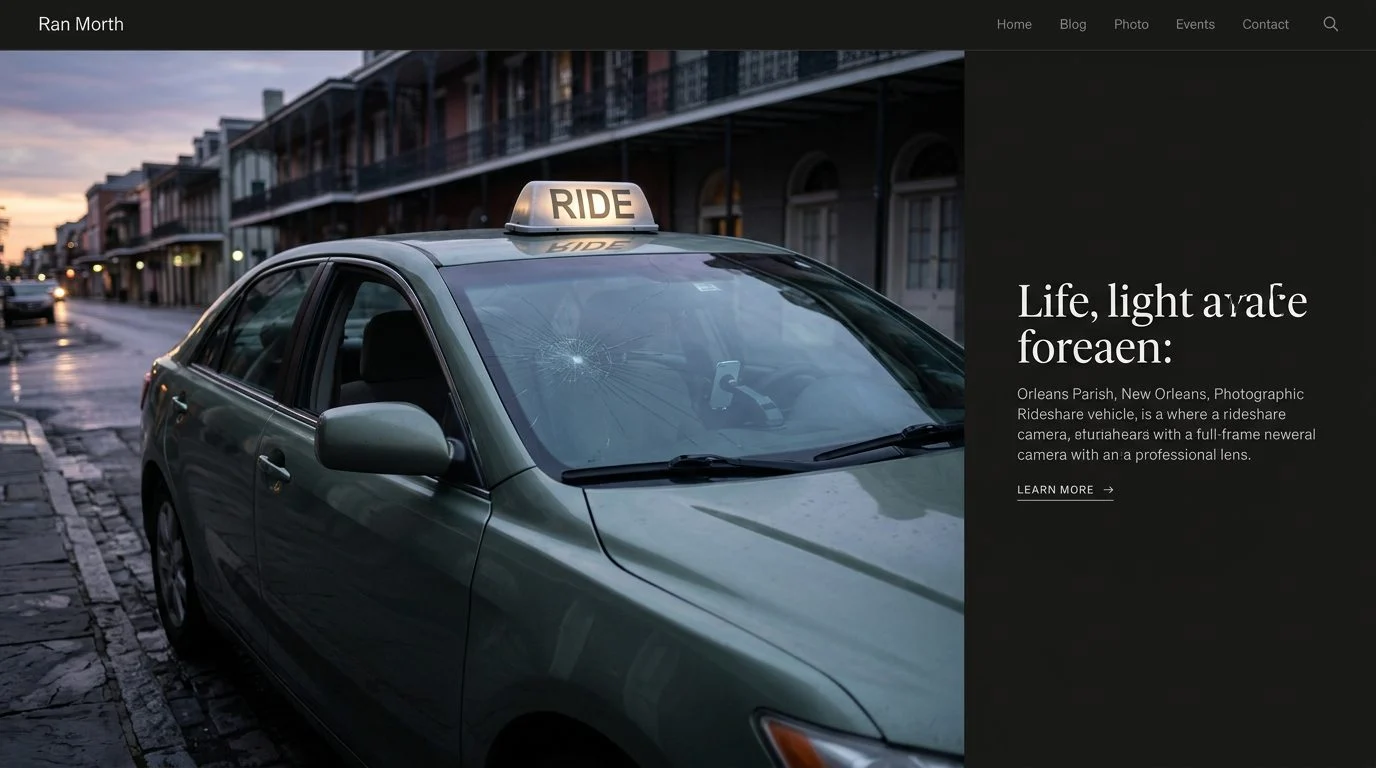
Rideshare Accidents | New Orleans and Orleans Parish
Hurt in a Rideshare Crash? Understand Your Options Before You Decide Anything
Przemek Lubecki, the responsible lawyer for this page, offers plain-language guidance on who may be responsible, why the driver's app status matters, and what steps to take next. Office in New Orleans.
By Przemek Lubecki · Published October 18, 2026
Rideshare accidents Orleans Parish riders and drivers face are often more complex than they look. This page explains who may be responsible, why the driver’s app status matters, and which deadlines to watch. It is general information about Louisiana law, not advice about any one crash. Przemek Lubecki is the responsible lawyer for this page, and the firm’s office is in New Orleans.
Rideshare Accidents in Orleans Parish: Why Local Roads Matter
Rideshare crashes in Orleans Parish often happen on busy streets with heavy traffic, frequent stops and many pedestrians. Drivers pick up and drop off on crowded blocks in the French Quarter, downtown and near large event sites. Some trips cross parish lines, such as rides to Louis Armstrong New Orleans International Airport. Local streets are part of the picture in rideshare accidents Orleans Parish drivers and riders deal with most. Riders are usually in a hurry to reach work, dinner or a flight. They have no say in the route or the driver’s habits. A crash involving a rideshare car can also involve more parties and more insurance than a simple two-car collision. That is why the local details matter from the start.
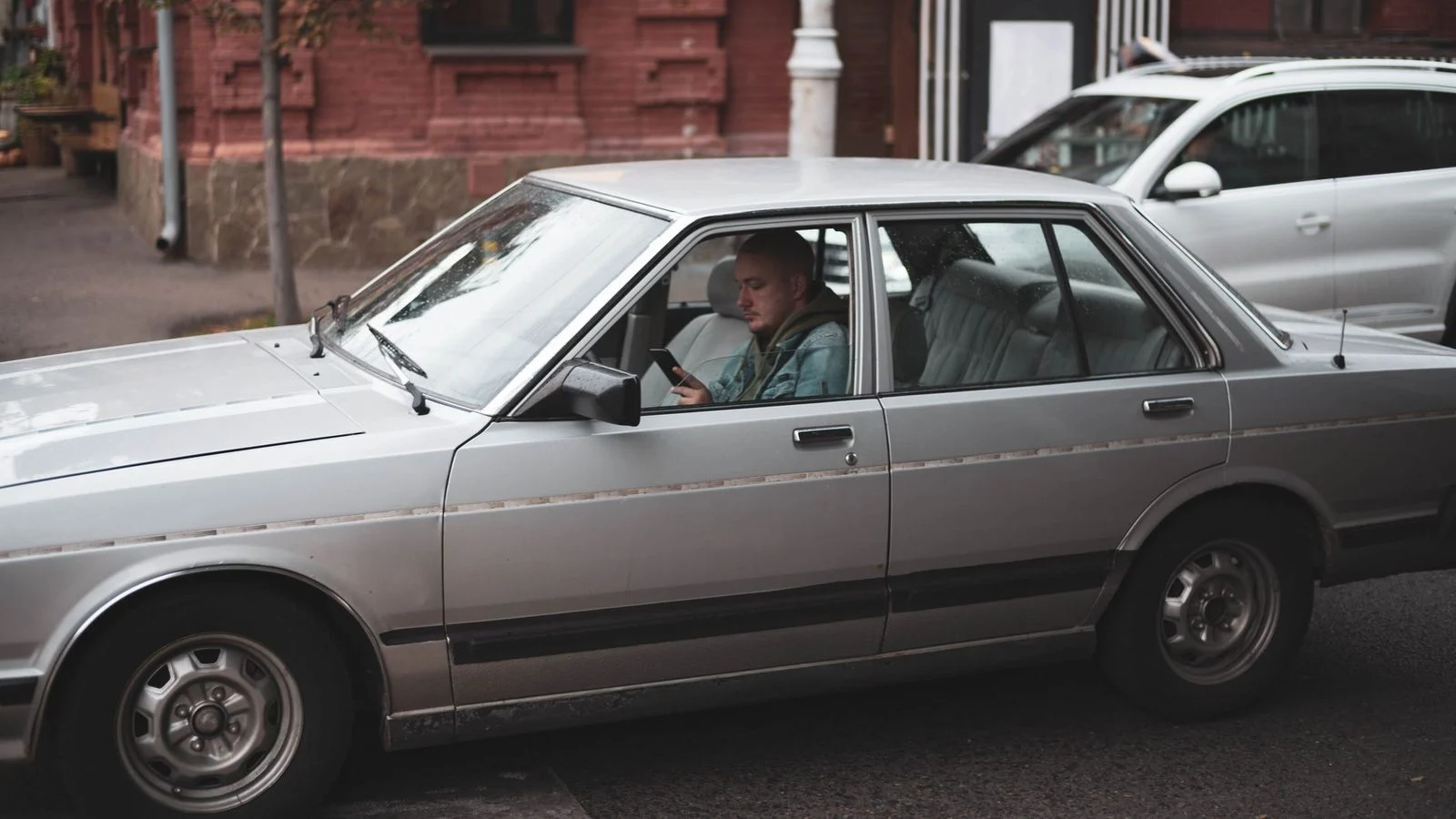
Not sure what your next step is?
Talk it through with our team — the first consultation is free, confidential, and carries no obligation.
Who Can Be Injured in a Rideshare Accident
Passengers, drivers, other motorists, pedestrians and cyclists can all be hurt in a rideshare crash. A passenger may be heading to the airport, a hospital, a job or a family dinner when the crash happens. Passengers cannot control the car, so they often have the least say in what happens next. A rideshare driver can be hurt in a crash with another vehicle while logged into the app. Other drivers, cyclists and pedestrians can be struck by a rideshare vehicle, or by a driver who swerves to avoid one.
When someone dies in a crash, certain family members may have a claim. Under La. Civ. Code art. 2315.2, a surviving spouse and children may sue, or either of them. If there is no spouse or child, a surviving father and mother may sue. Brothers and sisters come next, and then grandparents, in the order the article sets out. Louisiana law also allows certain family members to recover loss of consortium, service and society (La. Civ. Code art. 2315). Family members should not assume they are left out. The article’s rules on who may sue are specific, so the facts of each family matter.
Common Causes of Rideshare Crashes
Most rideshare crashes come from ordinary driving mistakes, such as distraction, fatigue and rushing. Louisiana law makes a person responsible for damage caused by negligence, imprudence or want of skill (La. Civ. Code art. 2316). Distraction is a major concern. A driver may read a trip request, follow a map or answer a call while the car is moving. Fatigue is another risk. Long shifts can slow reaction time, and drivers may feel pressure to finish trips quickly.
Unfamiliar routes, sudden lane changes and congested streets near the French Quarter, downtown and event days can add risk. Impairment is another cause to look into. The goal is to examine the facts of each crash, not to assume a cause. Victims can help by writing down what they remember soon after the crash. Note the time, the lane, the weather and what the driver said. Early notes are often more useful than memories pieced together months later.
How Coverage Changes Based on the Driver’s App Status
Insurance for a rideshare crash can hinge on what the driver was doing in the app at impact. A driver may be logged off, logged on and waiting for a request, headed to pick up a rider, or carrying a passenger. Each stage can involve a different set of policies. Which coverage applies depends on the facts, including app status at impact.
Auto liability insurance generally pays for harm an at-fault driver causes to others, according to the Insurance Information Institute. That is a general description, not a summary of Louisiana rideshare policies. A driver’s policy may treat app use differently, so the policy wording matters. Get the timeline in writing early. App trip summaries, screenshots, receipts and timestamps can help show what the driver was doing before and during the crash.
Who Can Be Liable for Damages in a New Orleans Rideshare Accident
The driver, another driver, or another party whose fault helped cause the crash may be liable for the harm. Under La. Civ. Code art. 2315, every act that causes damage obliges the person whose fault it was to repair it. The text of La. Civ. Code art. 2320 states that masters and employers are answerable for the damage occasioned by their servants and overseers, in the exercise of the functions in which they are employed, and that in these cases responsibility only attaches when the masters or employers might have prevented the act which caused the damage, and have not done it. Whether that rule reaches a particular driver and company is a question for a full review of the facts.
Louisiana also uses comparative fault (shared fault). Under La. Civ. Code art. 2323, if the degree or percentage of negligence attributable to the person suffering injury, death, or loss is equal to or greater than fifty-one percent, that person shall not be entitled to recover damages (La. Civ. Code art. 2323). Under La. Civ. Code art. 2323, if the degree or percentage of negligence attributable to the person suffering injury, death, or loss is less than fifty-one percent, the amount of damages recoverable is reduced in proportion to that person’s degree or percentage of negligence (La. Civ. Code art. 2323). When liability for damages is not solidary, a joint tortfeasor shall not be liable for more than his degree of fault (La. Civ. Code art. 2324).
How Rideshare Cases Differ From Other Commercial Vehicle Crashes
Rideshare claims often involve more parties, more records and earlier insurance contact than a typical two-car crash. A claim may involve the driver, the driver’s insurer, another driver’s insurer and possibly the rideshare company. Each may have its own timeline and questions. Keeping track of who said what, and when, helps.
Records matter. Louisiana law also lets a vehicle operator report a crash in writing and declare insurance information (La. R.S. 32:871).
Statements matter too. If you gave a written, recorded or transcribed statement about the crash as an injured person, whoever took or has it must give you or your personal representative a true and complete copy within twenty days after a written demand (La. R.S. 13:3732).
Have questions about what happened?
Ask our team directly. The first conversation is free, confidential, and there is no obligation to continue.
Injuries and Recoverable Damages After a Rideshare Accident
Serious rideshare crashes can cause brain injuries, spinal injuries, fractures and soft-tissue injuries that need care over time. MedlinePlus reports that motor vehicle accidents can cause spinal cord injuries and that immediate medical attention is needed. Prompt evaluation also creates a medical record that connects an injury to the crash.
Louisiana law sets limits on some damages. Future medical costs are not recoverable unless they are directly related to a manifest physical or mental injury or disease (La. Civ. Code art. 2315). Other categories, such as lost income and pain and suffering, are often part of a claim discussion. Every claim turns on its own facts, so no amount or outcome can be predicted here.
Steps to Take After a Rideshare Crash in Orleans Parish
After a rideshare crash, get medical care, report the crash and track your deadlines. Get checked promptly, even if you feel fine at first, because some injuries show up hours or days later. Keep every appointment, follow the treatment plan and save the records.
Report the crash to police and keep the report number. Note the driver’s name, app details if visible, the other vehicle’s plate and insurer, and any witness contact. Photograph the scene, vehicle damage, injuries and road conditions. Save receipts, app trip summaries and messages. Be careful about posting crash details online.
Watch the clock. Under La. Civ. Code art. 3493.1, a delictual (civil wrong) action is subject to a two-year prescription, which is a time limit. It runs from the day injury or damage is sustained. The current text took effect July 1, 2024. The article has one narrow exception: the time limit does not run against minors or interdicts in product liability actions involving permanent disability. La. Civ. Code art. 2315.2 provides that if a person dies due to the fault of another, the surviving relatives it lists, in order beginning with the surviving spouse and child or children of the deceased, may bring suit to recover damages which they sustained as a result of the death. That right of action prescribes one year from the death of the deceased or two years from the day that injury or damage is sustained, whichever is longer, except that for medical malpractice actions it prescribes one year from the death of the deceased. Write every date down from the day of the crash.
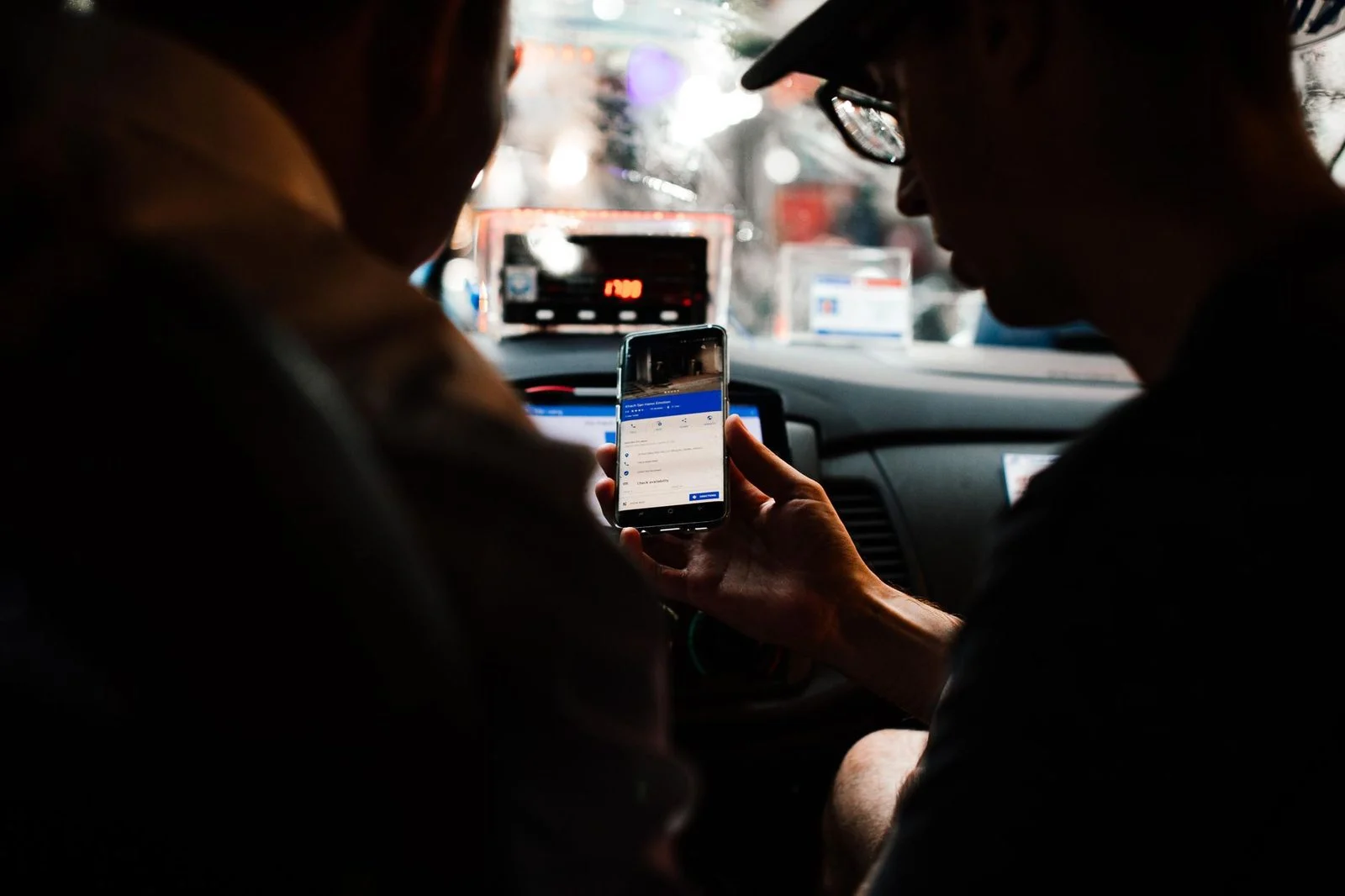
Talk With a New Orleans Trial Lawyer About Your Rideshare Crash
A rideshare claim turns on timing, app status and fault, and a New Orleans trial lawyer can review those facts with you.
Quick Answers
Can a passenger file a claim? A passenger hurt in a rideshare crash may have a claim against the people whose fault caused it.
How long do I have? Louisiana generally uses a two-year time limit for injury claims, starting the day of the injury (La. Civ. Code art. 3493.1).
Can family members sue after a fatal crash? Certain family members may have a wrongful death claim, and the law sets out who may sue and in what order.
The firm may associate or refer a case to other law firms. If a rideshare crash in Orleans Parish left you or a family member hurt, call 855-LUBECKI or request a free case evaluation with Przemek Lubecki in the New Orleans office. The first consultation is free, confidential and comes with no obligation to continue. You may be responsible for case costs and expenses in addition to the fee.
Why Talk With Przemek Lubecki
Trial-focused representation
Przemek Lubecki is a trial lawyer who represents people seriously hurt in truck, commercial vehicle, car and rideshare crashes, and families in wrongful death cases.
Office in New Orleans
The firm's office is in New Orleans. We serve people throughout Orleans Parish, the New Orleans metro area, and Louisiana.
Plain answers, no pressure
Our team explains your situation in clear terms so you can make informed decisions at your own pace.
You may be responsible for case costs and expenses in addition to the fee.
Be Careful With Early Statements
Insurance companies, including rideshare insurers, may contact you soon after a crash. Before you give a recorded statement, sign a release or accept a settlement offer, consider speaking with a lawyer about what you are being asked to do.
Next Steps After a Rideshare Crash
Get medical care
Seek evaluation for any injury, even if symptoms seem minor at first. Some injuries, including brain injuries, may not show up right away.
Record what you can
Note the date, time, location, weather and road conditions. Photograph vehicle damage, injuries and the scene if it is safe to do so.
Keep app and trip records
Save screenshots of the ride request, trip details, receipts and any messages. Driver status in the app can matter to who may be responsible.
Speak with our team
Contact the firm to discuss your situation. Our team can explain the process and answer your questions in plain language.
Want to know where you stand?
Tell us what happened and our team will walk you through the options available to you, at no cost.