
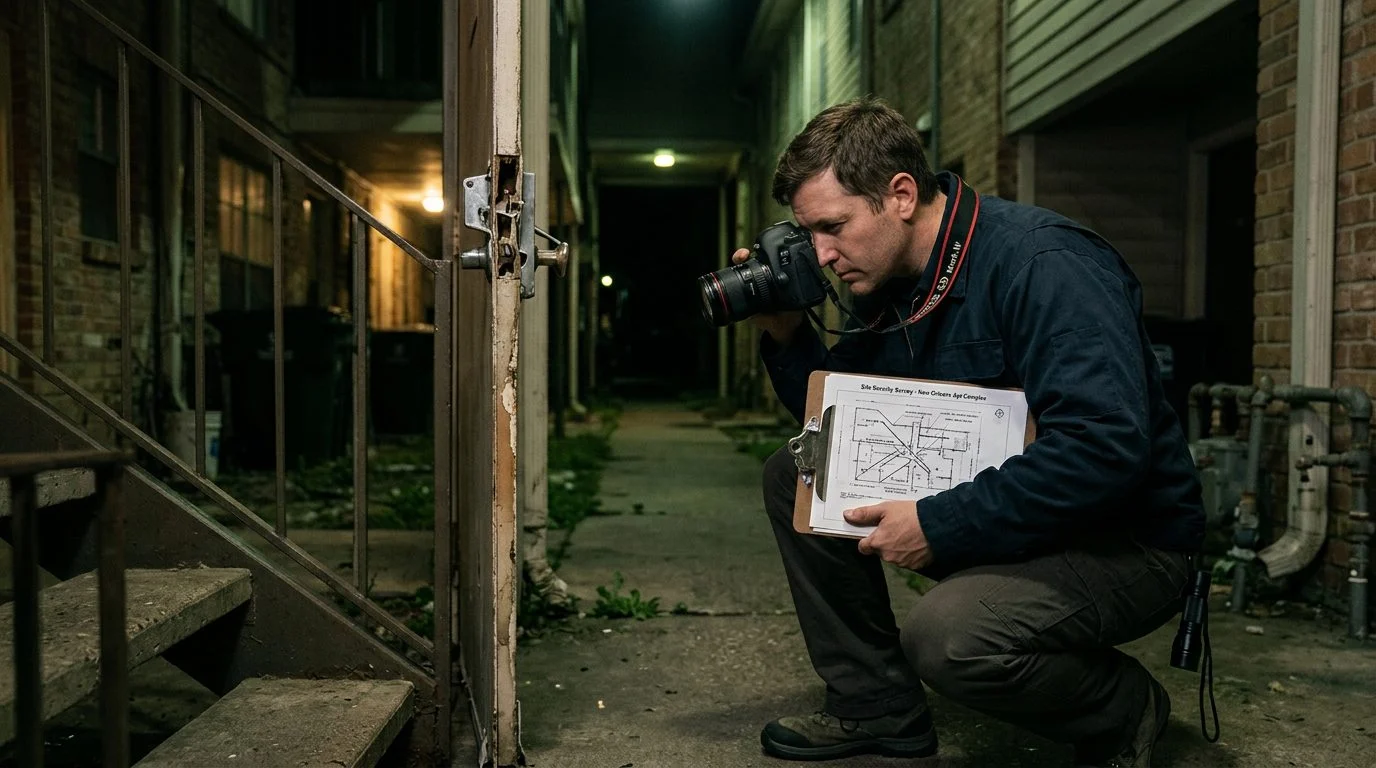
Negligent Security | New Orleans, Louisiana
Hurt in an Apartment Complex? Talk With a New Orleans Trial Lawyer
When an apartment property fails to provide reasonable security, residents and guests can be seriously harmed. Przemek Lubecki represents people injured in assaults on apartment property and families who have lost a loved one. Free, confidential first consultation with no obligation to continue. You may be responsible for case costs and expenses in addition to the fee.
By Przemek Lubecki · Published October 18, 2026
An apartment complex assault lawsuit New Orleans families may consider can seek money for harm caused by a criminal attack on apartment property. The central question is often whether the property side took reasonable steps to protect the people lawfully there. This guide explains what these claims cover, who may be responsible, and the questions to answer after an attack. It is written for people in Orleans Parish, the New Orleans metro area and across Louisiana.
What an Apartment Complex Assault Lawsuit Is and Who It Is For
An apartment complex assault lawsuit seeks money for harm caused by a third party’s criminal act on apartment property. The claim often focuses on whether the owner or manager took reasonable steps to protect residents and guests.
Louisiana’s general rule is that the person whose fault caused damage must repair it (La. Civ. Code art. 2315). There are two separate questions. One is the attacker’s fault. The other is the property’s fault. Louisiana law looks at the fault of everyone who contributed to the injury, whether or not they are a party, and regardless of their ability to pay (La. Civ. Code art. 2323).
These claims may fit residents, guests, visitors and delivery drivers who were lawfully on the property. Families may also pursue a wrongful death claim when an attack causes a death (Louisiana homicide classification).
Przemek Lubecki is the responsible lawyer for this page. The New Orleans office handles these matters for people in Orleans Parish, the New Orleans metro area and across Louisiana. The firm may associate or refer a case to other law firms when that is appropriate, and it will tell you if that happens.
Not sure what your next step is?
Talk it through with our team — the first consultation is free, confidential, and carries no obligation.
What the Claim Can Cover
A claim can seek compensation for medical care, lost income and other harm. The amount depends on the injuries, the proof and the facts.
- Medical bills. If a health insurer or Medicare paid a contracted provider, recovery is generally limited to the amount actually paid plus cost-sharing, not the amount billed (La. R.S. 9:2800.27).
- Future care. Future medical costs are recoverable only when they are directly related to a manifest physical or mental injury or disease (La. Civ. Code art. 2315).
- Lost income. Missed work now, or a reduced ability to earn later, can be part of the claim.
- Pain and daily life. Pain, emotional distress and loss of enjoyment of life matter. Doctor records and family accounts help show them.
- Brain injury. Some brain injuries need care over a long period. Medical records over time help show what care is needed.
- Family losses. Louisiana allows loss of consortium, service and society to be recovered by the same family members who could bring a wrongful death action (La. Civ. Code art. 2315).
No one can promise an amount. Injuries, proof and facts decide what a claim is worth.
Who May Be Responsible for an Apartment Attack
Responsibility can fall on the property side, a security company or the attacker, depending on the facts.
- Owners and managers who control locks, gates, lighting, cameras and staffing.
- Security contractors hired to protect the property.
- The attacker, who may be pursued alongside or apart from a property claim.
Employers answer for their workers. Louisiana law makes employers answerable for damage their employees cause while doing their jobs.
Louisiana uses comparative fault, so each person’s share of fault matters. For accidents and injuries occurring on or after January 1, 2026, Louisiana applies modified comparative fault: a person found 51% or more at fault recovers nothing, while a person less than 51% at fault recovers damages reduced by their own percentage of fault (Louisiana Civil Code on comparative fault). Under La. Civ. Code art. 2323, recoverable damages may be reduced in proportion to the claimant’s own share of fault, except under art. 2323(C), where the claim is not reduced for the victim’s own negligence when the injury results partly from an intentional tortfeasor’s fault (La. Civ. Code art. 2323).
Prior incidents and resident complaints are often important facts to review. They can show what the property knew before the attack.
Questions to Ask After an Attack
The most useful questions cover your health, the police record and what the property knew before the attack.
- Am I safe, and am I getting medical care, including for symptoms that show up later?
- Was the attack reported to police, and do I have the report number? (City of New Orleans police reports)
- What happened in the weeks before, such as break-ins, fights or resident complaints?
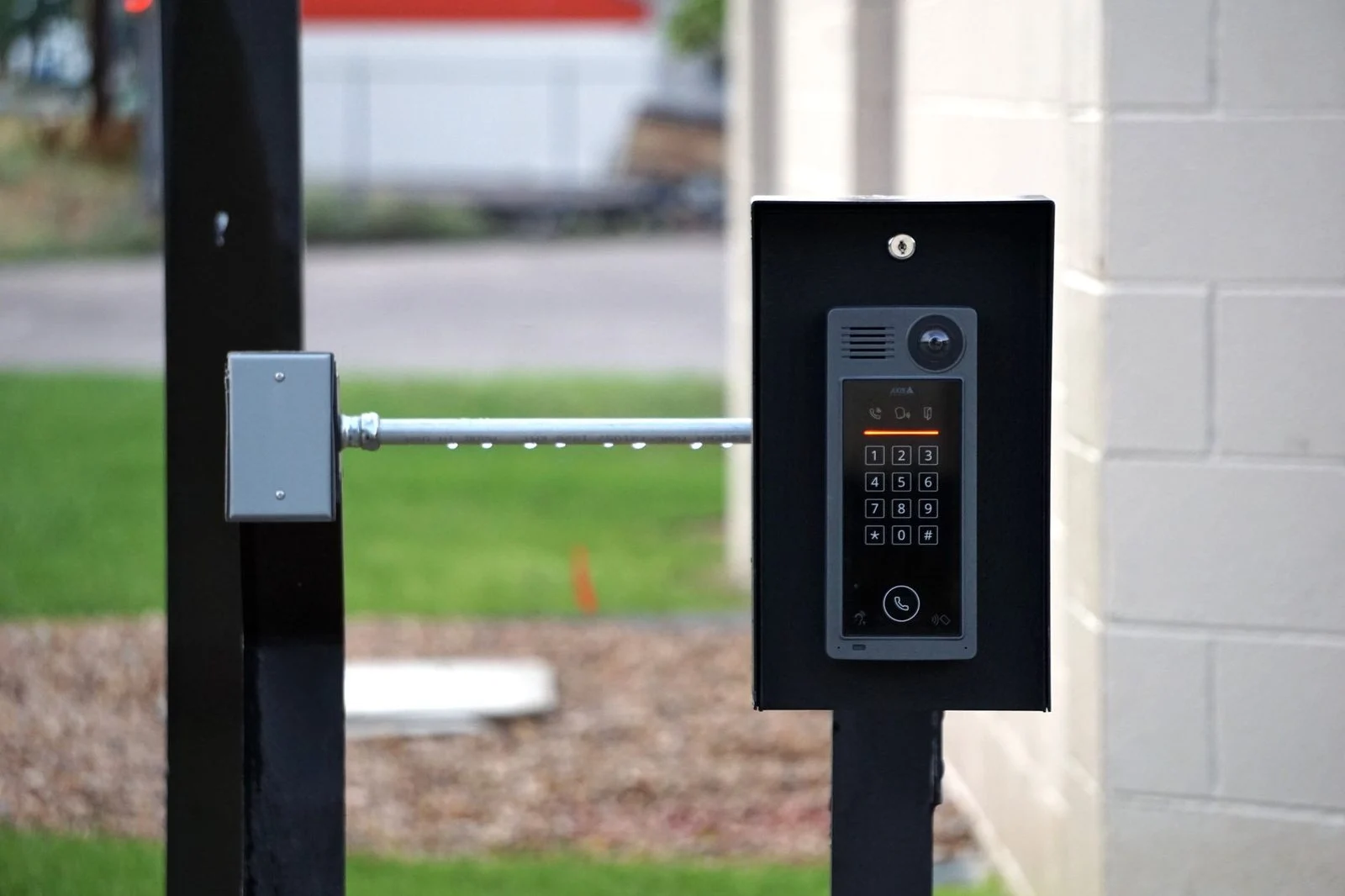
- Were gates, locks, lights, cameras or doors broken or not working?
- Was there a guard or patrol, and did staff respond to earlier warnings?
- Who owns and manages the property, and who holds the security contract?
- Have I kept photos, texts, witness names, medical bills and wage records?
- Did I give a recorded statement to an insurer before speaking with a lawyer?
Timing matters. Louisiana generally gives two years from the day of injury to sue over damages from certain violent crimes, though exceptions exist (La. Civ. Code art. 3493.3). Review the dates early.
How the Process Typically Works
Most cases move through a consultation, an investigation, a claim to insurers and, when needed, a lawsuit.
- Consultation. You share the facts, dates, injuries and any papers you have. The conversation is confidential.
- Investigation. The team gathers the police report, lease, security contract, prior incident history and medical records.
- Evidence preservation. Requests can ask that video, guard logs and maintenance records be kept. Evidence can be lost, so timing matters.
- Documenting harm. Medical and wage proof is organized, and each party’s possible responsibility is evaluated.
- Claim and suit. The claim goes to insurers. A lawsuit may be filed to protect your rights when needed.
- Trial preparation. Cases that do not settle move toward trial. Timelines vary with the facts, the court and the parties, so no length can be promised.
You stay informed about significant developments. Key decisions in your case are yours to make.
Why Choose American Trial Lawyer
American Trial Lawyer is led by trial lawyer Przemek Lubecki, who is responsible for this page’s content.
- Office. The New Orleans office is the base for Louisiana matters.
- Service area. The firm serves people in Orleans Parish, Metairie, Jefferson Parish, Kenner, St. Bernard Parish and Slidell, and across Louisiana.
- Trial focus. Our team prepares each case as though it may go to trial, because some cases do not settle.
- Related matters. The firm also handles wrongful death and negligent security matters.
- Outcomes. Every case turns on its own facts, so no result can be predicted from another case.
Choosing a lawyer is a serious decision. Clear facts about the claim, the timing and the costs should guide it.
Have questions about what happened?
Ask our team directly. The first conversation is free, confidential, and there is no obligation to continue.
Frequently Asked Questions
Can I bring a claim if the attacker was never arrested?
Whether an arrest was made is one fact reviewed, along with the police report and property records.
Do I have to sue the apartment complex?
The claim may name the owner, manager, security company or attacker, depending on the facts.
What if I was partly at fault?
Louisiana’s comparative fault rules may reduce recovery in proportion to your share of fault, except under art. 2323(C) for injuries that result partly from an intentional tortfeasor’s fault (La. Civ. Code art. 2323). Injuries from causes of action arising before the amendment’s effective date are not subject to the 51% bar in art. 2323 (La. Civ. Code art. 2323).
Can my family bring a claim after a death?
Eligible family members may bring a wrongful death claim. For deaths occurring after July 1, 2024, the filing period under La. Civ. Code art. 2315.2 is generally two years from the date of death, and different rules may apply to deaths that occurred earlier.
Will my case go to trial?
Some cases settle and some do not, so the firm prepares each case as if it may be tried. No one can predict the outcome.
What does the free consultation cost?
The first consultation is free, confidential and without obligation to continue. You may be responsible for case costs and expenses in addition to any fee.
If an attack at an apartment complex left you or someone you love seriously hurt, you may have a claim. Call 855-LUBECKI or request a case evaluation with our New Orleans office.
What you can expect when you contact our office
Listening first
We begin by hearing what happened, what you remember, and what you are dealing with now, including medical care and time away from work.
Reviewing the records
We look at police reports, incident records, lease terms and property information to understand the circumstances of the attack.
Clear, plain answers
Przemek Lubecki explains the questions that matter to your situation in language you can understand, without pressure.
Support for families
When an assault leads to a death, our office works with surviving family members with patience and care during a very difficult time.
Protect your ability to tell what happened
If you were attacked on apartment property, get medical care, report the incident to police, and ask for a copy of the report. Write down what you remember, including the time, location, and any witnesses, while the details are fresh. Keep photos of injuries and any damage, and save texts or messages about the incident.
Who may be involved in an apartment security claim
The property owner
Depending on the facts, the owner of the apartment complex may be part of a claim, particularly when known risks were not addressed.
The management company
Property managers handle day-to-day security, maintenance and tenant complaints. Their role is reviewed based on the specific facts of each incident.
Security contractors
When a company is hired to patrol, monitor cameras or control access, its responsibilities may be part of the review.
The person who attacked you
The attacker may be named in a claim as well. Whether an arrest was made is one fact we review, along with the police report and property records.