
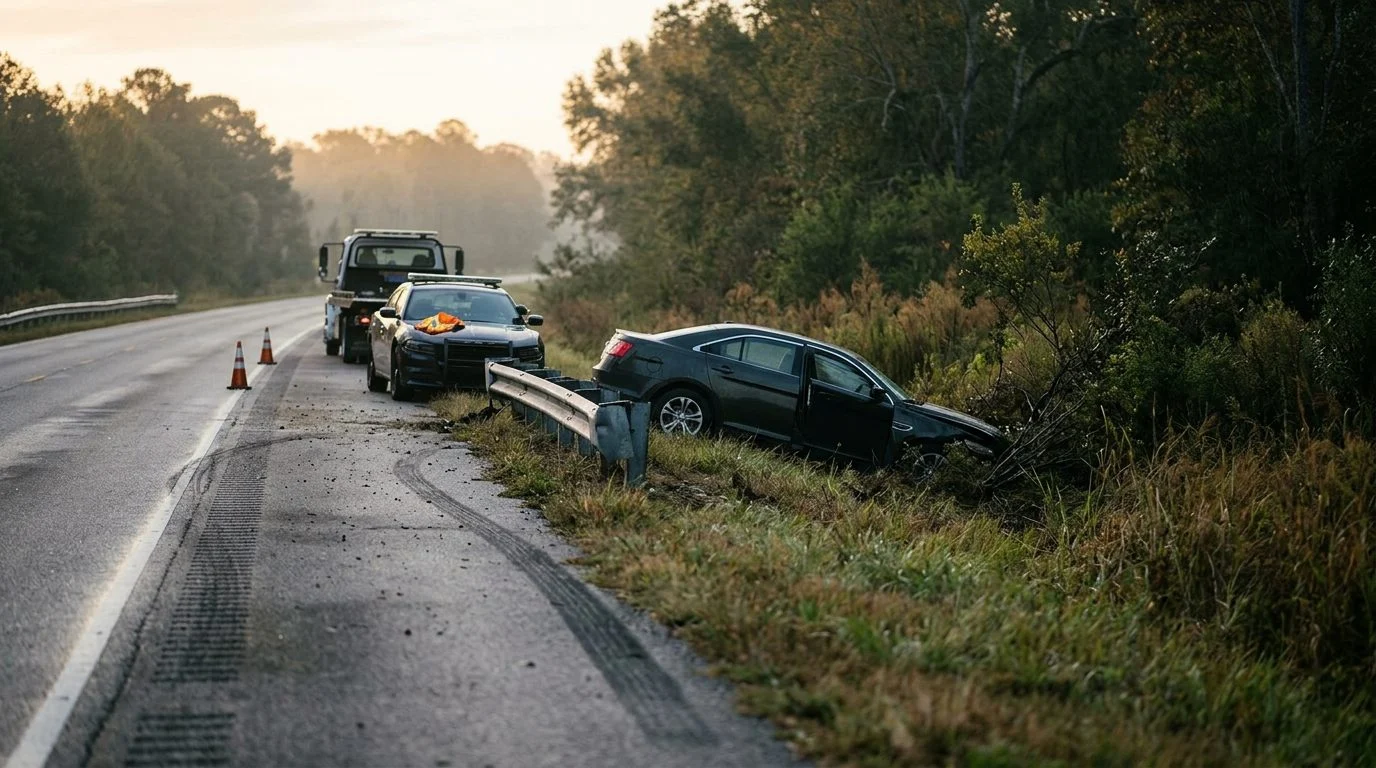
Fatal Crash Guidance | New Orleans, Louisiana
Getting a Crash Report After a Fatal Accident in Louisiana
Losing someone in a crash is overwhelming. Here is how the crash report fits into the early steps, and how our New Orleans team, led by Przemek Lubecki, can help your family through them.
By Przemek Lubecki · Published November 2, 2026
The answer to how do I get the crash report after a fatal accident in Louisiana is this: ask the law enforcement agency that investigated the crash, in writing. Only certain people can receive the report, so it helps to know how you are connected to the person who died.
If you’re reading this after a loss, take it one step at a time. You don’t have to solve every question today.
Why the Crash Report Matters After a Fatal Wreck
A crash report is the official written record of a crash, made by the agency that investigated it. Families often ask for it early because it puts the basic facts in one place. Louisiana law says these reports are designed to show the cause of a highway crash, the conditions that existed, and the persons and vehicles involved (La. R.S. 32:398).
The report records what the investigating agency documented. It is not a final ruling on who was at fault. Treat it as an important starting point, not the end of the story. For the wider steps after a death, read our guide to wrongful death lawsuits in Orleans Parish.
If you are handling a crash report after losing a loved one, you don't have to work out the next steps alone; call 855-LUBECKI for a free, confidential consultation. Talk it through with our team — the first consultation is free, confidential, and carries no obligation.
How to Get a Crash Report in Louisiana
Ask the agency that investigated the crash for the report. Which agency that is depends on where the crash happened. Under La. R.S. 32:398, the Louisiana State Police or the sheriff’s office investigates crashes outside city or town limits. The police department of a city or town investigates crashes inside its limits. Inside New Orleans, that is the New Orleans Police Department.
To find the right office, check the crash location and the roadway. Look for any case or report number you received at the scene or from the hospital.
Your request is a records request. Give the agency the crash date, time, and location, and the names of those involved. Expect a process with steps, not an instant download. Agencies may charge a reasonable fee for copies of photographs, video, and other materials, but crash reports carry a fixed cap: up to five dollars per report of two pages or less, and up to twenty dollars, inclusive of all service fees and other charges, for reports longer than two pages.
Write down the date you asked, the case number, and any reply. Those notes help if you need to follow up. Under La. R.S. 32:398, only listed persons may request a crash report, including parties to the crash, insurers, healthcare providers, and succession representatives or their attorneys. You don’t have to do everything at once.
Are Louisiana Crash Reports Public Records?
Not in the usual sense. Louisiana makes crash reports confidential, so they are not open to anyone who asks. Under La. R.S. 32:398, crash reports and the information in them are confidential. They are exempt from the public records statute, R.S. 44:1 et seq.
The statute lists who may receive a report:
- the parties to the crash
- parents or guardians of a minor who was a party
- insurers of a party
- healthcare providers who treated a party
- succession representatives of those parties, or their attorneys
- a news-gathering organization that requests documents about a specific crash
If you are a succession representative of the person who died, you fall within that list. Note exactly how you are connected to the person who died, because your role is what places you on the list.
How Long Does It Take to Get a Police Report After a Fatal Crash?
Under Louisiana law, listed persons may request the report, and it must be made available to them within seven working days after the crash investigation is completed (La. R.S. 32:398). That clock starts when the investigation ends, not on the day of the crash.
A fatal crash may involve a longer investigation than a minor one. How long it takes depends on the facts of the crash, how far the investigation has progressed, and the agency’s workload.
Photos and recordings are requested separately. The agency must provide copies of crash photographs, video, and audio to an interested person on request, and it may charge a reasonable fee (La. R.S. 32:398).
Two other records may matter. If your loved one gave a written or recorded statement about the crash, La. R.S. 13:3732 says the person who took it must provide a true and complete copy within twenty days after written demand by the person who made the statement or his personal representative. Also, under La. R.S. 32:871, the Department of Public Safety and Corrections keeps a record of insurance coverage declared in accident reports made to the commissioner. An interested person can request it in writing and pay a fifteen dollar fee.
Ask the agency about its expected timeline when you submit your request, and write down the date.
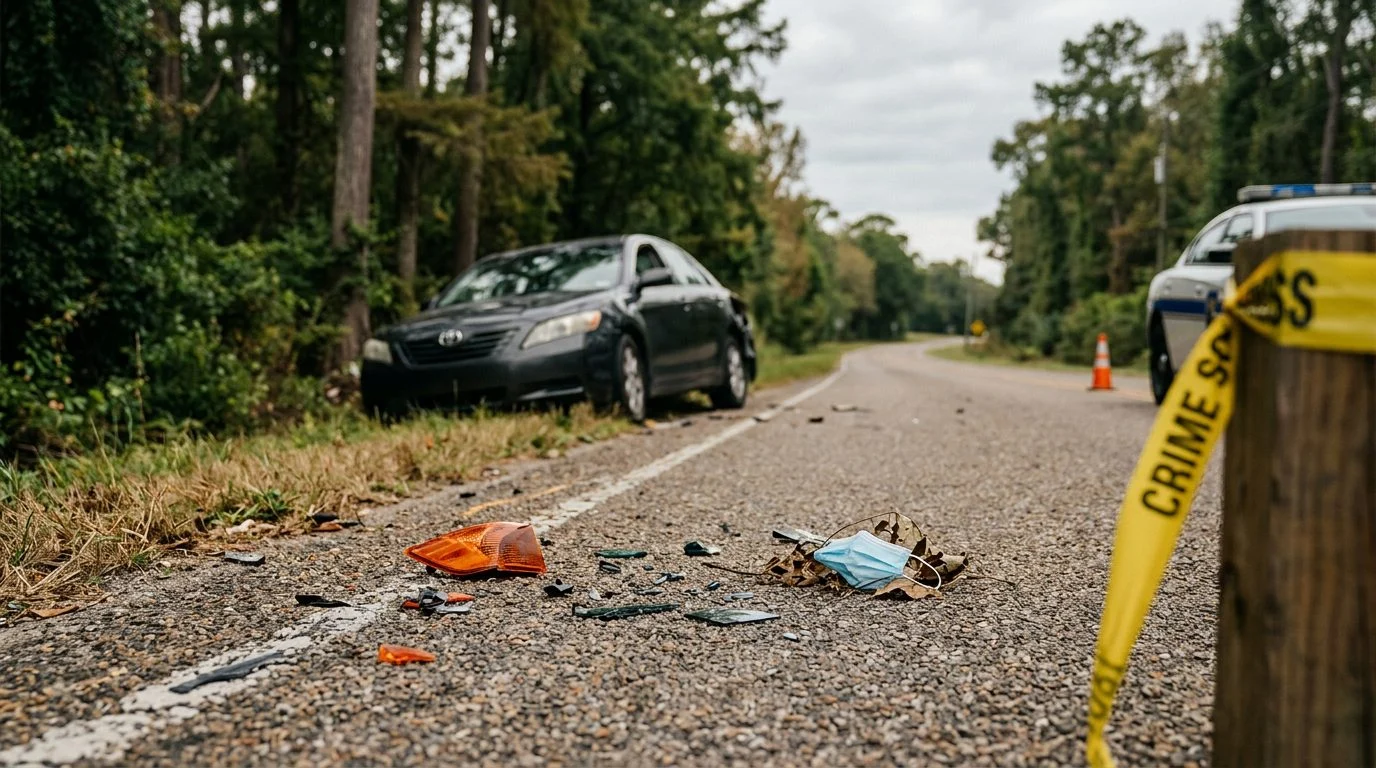
What a Louisiana Crash Report Usually Contains
Under Louisiana law, crash reports must provide sufficient detailed information to disclose the cause of a highway crash, the conditions then existing, and the persons and vehicles involved (La. R.S. 32:398). The reports are written on electronic forms approved by the Department of Public Safety and Corrections.
Crash photographs are a separate request, as noted above. Read the report carefully, and write down questions as you go. The report can help you understand how events unfolded.
One mistake to avoid is treating the report as the final word. It reflects what was documented at the time. It can be read alongside medical records, witness accounts, and vehicle evidence, which the report does not replace.
The Crash Report and a Louisiana Wrongful Death Claim
A crash report can be one piece of evidence in a wrongful death claim. A claim also depends on who may sue and when.
Under La. Civ. Code art. 2315.2, if a person dies due to another’s fault, certain family members may sue for the damages they sustained because of the death. A surviving spouse and child or children of the deceased may sue, or either the spouse or the child or children. A surviving father and mother may sue if the deceased left no spouse or child surviving, or either of them if the deceased left no spouse or child surviving. Surviving brothers and sisters may sue only if the deceased left no spouse, child, or parent surviving. Surviving grandfathers and grandmothers may sue only if the deceased left no spouse, child, parent, or sibling surviving.
The same article sets the deadline. The right of action prescribes one year from the death or two years from the day the injury or damage was sustained, whichever is longer.
The crash report can be used alongside medical records, witness statements, vehicle data, and other documents. The firm handles wrongful death matters. It may associate with or refer a case to other law firms. If a case is referred, we will tell you.
If you are still deciding whether to bring a claim, read our guide for families weighing a suit after a fatal crash. Our page on whether wrongful death filings are public records covers that separate question. New Orleans families can also read our New Orleans wrongful death page.
Not sure what your next step is?
Talk it through with our team — the first consultation is free, confidential, and carries no obligation.
Talk Through Your Family’s Situation With Przemek Lubecki
After a fatal wreck, the crash report is one step among several. The steps are easier to see when someone listens to your facts.
Who can get a Louisiana crash report?
Listed persons can, including parties to the crash, succession representatives, and their attorneys. The full list appears in the statute.
How long until the report is available?
Listed persons can get it within seven working days after the investigation is complete.
Which agency has the report?
State police or the sheriff handles crashes outside city limits. The city police department handles crashes inside city limits.
Your family may be facing a loss from a truck, car, motorcycle, rideshare, or commercial vehicle crash, with papers and calls you never expected. Przemek Lubecki is the responsible lawyer for this page. American Trial Lawyer is a New Orleans firm led by trial lawyer Przemek Lubecki, and its office is in New Orleans. The firm also handles brain injury and negligent security matters. To talk through your family’s situation, call 855-LUBECKI. The first consultation is free, confidential, and without obligation.
How We Can Help Your Family
Organizing the Paperwork
We help you gather the crash report, photos, medical records and other documents that describe what happened.
Supporting Families in Wrongful Death Cases
We understand that families are often handling grief and practical questions at the same time. We focus on clear communication at every stage.
Attention to Commercial Vehicles
Crashes involving trucks and commercial vehicles can involve additional records, so we look carefully at every source of information.
Plain-Language Answers
We explain the process, the paperwork and your options without legal jargon, so you can make informed decisions.
Common Questions Families Ask
Who Usually Requests the Report?
Crash reports are typically requested from the investigating law enforcement agency. Our office can review the request with you and help you understand what the report contains.
What If the Report Is Still Pending?
Fatal crash investigations can take time. Waiting for the report does not mean you have to wait to speak with a lawyer about your family's questions.
What If the Report Seems Incomplete?
Reports can contain errors or leave out important details. We can help you identify what is missing and where other evidence may be found.
Where Do We Start?
Call our New Orleans office or request a free case evaluation. We will listen to what happened and explain the next steps in plain language.
Important Note
This page provides general information only and is not legal advice. Every case is different. If your case is accepted, we may associate or refer it to other law firms, and we will tell you if that happens.