
Negligent Security · New Orleans
Hurt in a Shooting at a New Orleans Business? Let's Talk About Your Options
Przemek Lubecki and our team at American Trial Lawyer help people and families harmed when a property owner's failure to provide reasonable security contributed to violence. Office in New Orleans.
By Przemek Lubecki · Published November 1, 2026
Can a Family Sue a New Orleans Business After a Shooting?
Yes, a family may be able to bring a claim against a business if its safety failures contributed to a shooting or assault on its property. Whether a claim can succeed turns on the facts of what happened and what the business knew and did. If you’re asking, can I sue after my son was shot at a New Orleans business, you’re not alone in that question.
Families who ask it are often grieving. They may be dealing with hospitals, funeral plans, police questions, and calls from insurance companies, all at once.
It is also for the injured person, if they survived. A survivor may have a claim of their own. A family may have a separate claim after a death. Each one has its own rules, so the details matter.
If someone you love was shot at a business, we can talk through what happened and what the deadlines may mean for your family. Talk it through with our team — the first consultation is free, confidential, and carries no obligation.
What Negligent Security Means in Louisiana
Louisiana law makes a person responsible for damage caused by negligence, imprudence, or want of skill (La. Civ. Code art. 2316). Negligent security cases apply that idea to a business’s safety choices.
Foreseeability is the central question. Details such as prior incidents on or near the property and repeated complaints are the kinds of facts a lawyer would ask about when reviewing a case. The focus is the business’s own conduct.
Common safety issues reviewed in these cases include:
- poor lighting in parking lots, entrances, and walkways
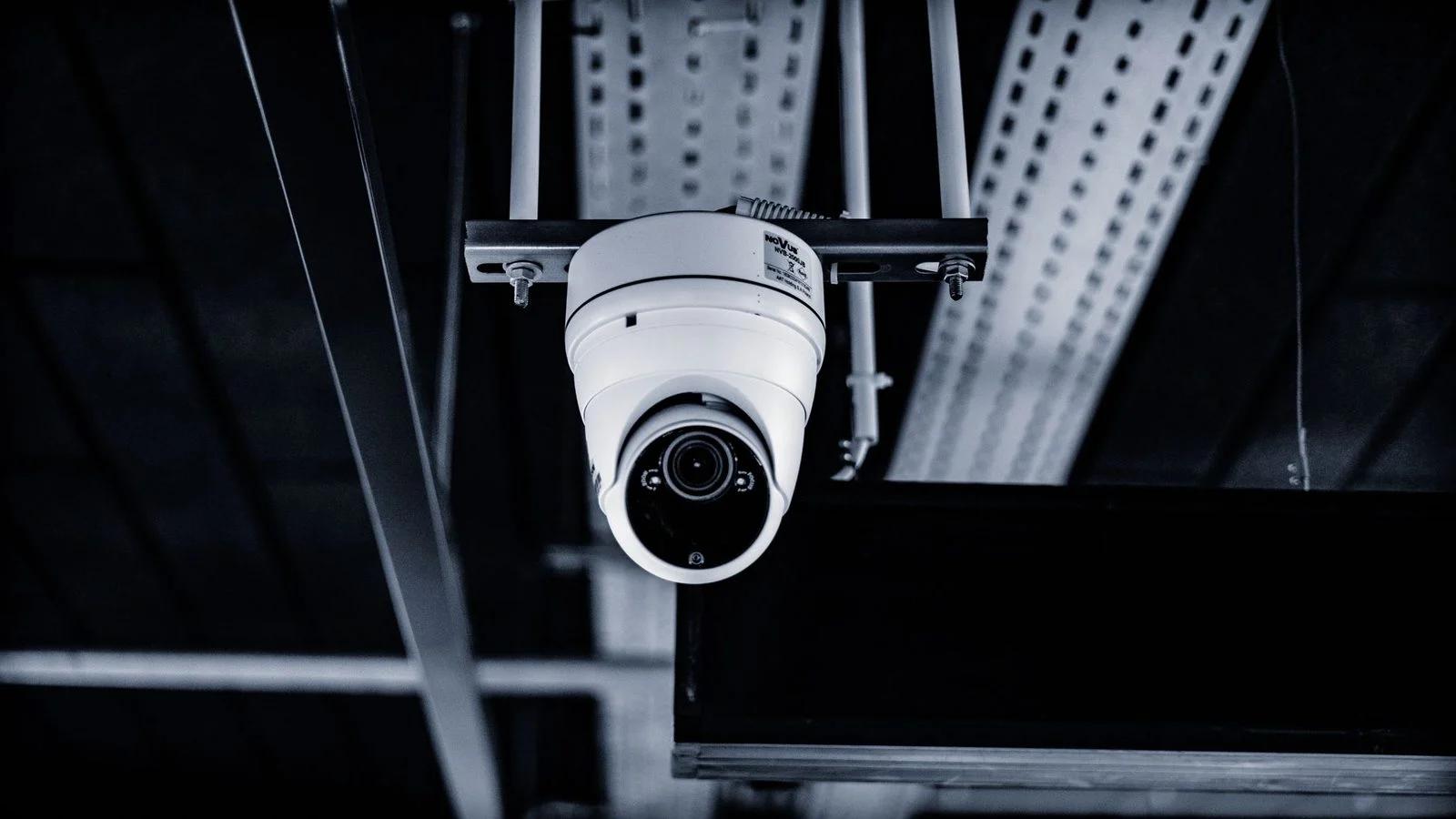
- broken or unmonitored cameras
- gates or doors that stay propped open
- no security staff, or staff without training
- ignored complaints about trouble on the property
Families often hear about the criminal case first. It helps to keep the two questions apart.
Who Can Bring a Wrongful Death Claim in Louisiana?
A surviving spouse and child or children may bring a wrongful death suit. Grandparents may sue if there is no spouse, child, parent, or sibling (La. Civ. Code art. 2315.2).
A survival action is a separate claim.
Damages may include loss of consortium, service, and society, and these can be recovered by the same categories of people who could bring a wrongful death action (La. Civ. Code art. 2315). Future medical costs are limited unless they relate directly to a manifest physical or mental injury or disease.
Except for one who conspires with another person to commit an intentional or willful act and is answerable in solido for the damage, a joint tortfeasor is not fully responsible for another person’s share (La. Civ. Code art. 2324). This shapes how a family looks at a claim against a business.
Can you sue for emotional distress in Louisiana? Louisiana law recognizes loss of consortium, service, and society in qualifying family claims. How that applies depends on the relationship and the facts. No amount can be predicted from general information.
How Long Do You Have to File a Claim in Louisiana?
For a wrongful death claim, the period is one year from death or two years from the injury, whichever is longer; for medical malpractice actions, the period is one year from death (La. Civ. Code art. 2315.2). When the injury and the death happen on the same day, the two-year period is the longer one.
Delictual (tort) actions generally have a two-year period that runs from the day injury or damage is sustained (La. Civ. Code art. 3493.1). Delictual actions arising from a crime of violence also have a two-year period from the day injury is sustained, except as provided in Article 3496.2 (La. Civ. Code art. 3493.3).
Which period applies depends on the facts. Can I file a lawsuit years later? Waiting can cost a family its right to file. Families also need time to gather records, so it helps to review the dates early.
What Evidence Matters Early in a Shooting Case?
The evidence that matters most is often the evidence that disappears first. Start with the basics:
- police incident and report numbers
- 911 call records and dispatch times
- medical and autopsy records
- names and contact details for witnesses
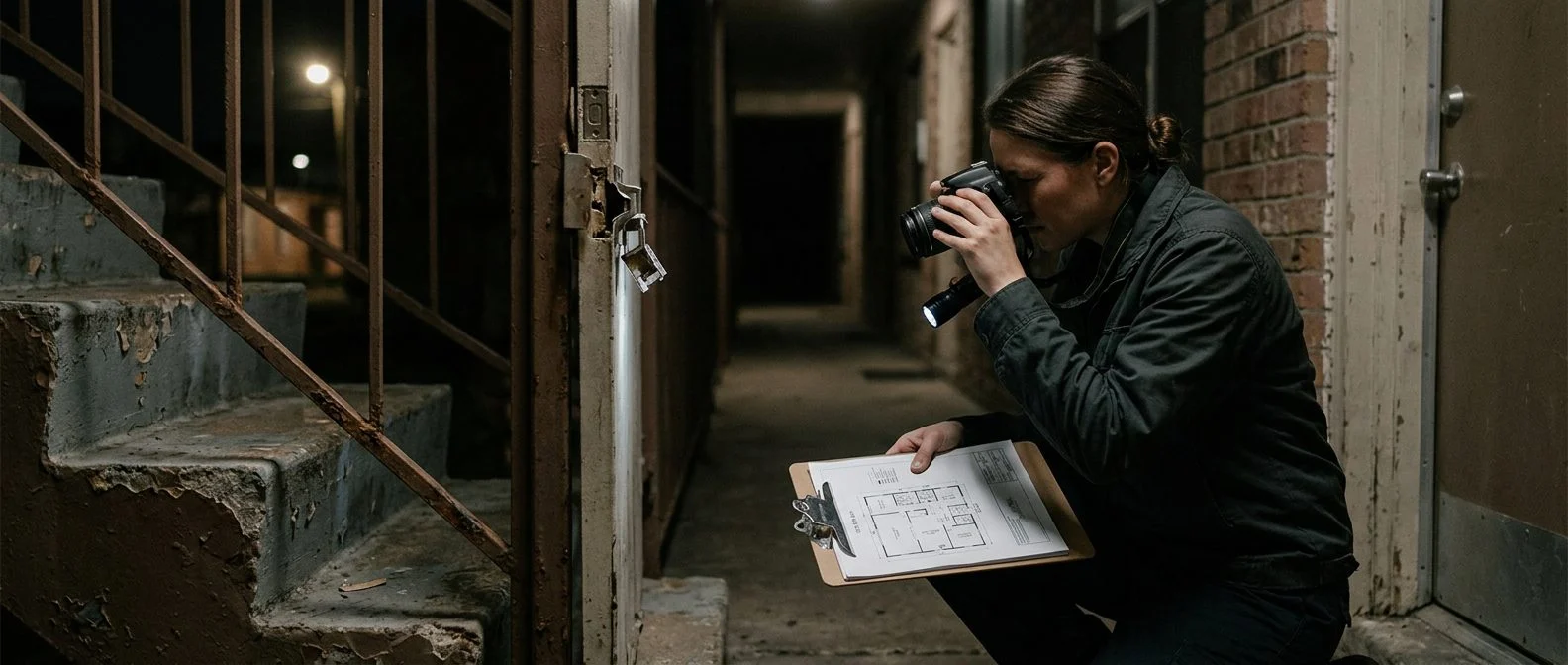
- photos of the scene
- receipts for medical and funeral costs
New Orleans police reports can be requested. Released reports may be redacted to protect privacy, according to the New Orleans police report request page.
Business records matter too. Video systems can record over older footage, so early written requests matter. Incident logs, security schedules, complaint records, and maintenance records can also be lost or changed. A preservation letter asks the business in writing to keep these items.
Families should also keep texts and messages. Avoid posting about the incident online, and be careful with recorded statements to insurers.
What to Expect: The Process and a Typical Timeline
A shooting claim usually moves through several stages. The length of each stage varies widely, and no timeline can be promised.
- Intake: A confidential talk about what happened, the key dates, and who was affected.
- Investigation: Gathering police files, video, security records, and medical and expense documents.
- Notice and claim: A demand to the business and its insurer. Some matters resolve at this stage.
- Filing: If the claim is not resolved, a lawsuit is filed in the proper Louisiana court before the deadline.
- Discovery and motions: Exchanging documents, taking depositions, and asking the court to rule on issues such as duty and foreseeability.
- Resolution: Settlement, mediation, arbitration if an agreement requires it, or trial.
Some agreements require mediation or arbitration. We review these requirements at intake.
Not sure what your next step is?
Talk it through with our team — the first consultation is free, confidential, and carries no obligation.
Why American Trial Lawyer, and What the Consultation Covers
Przemek Lubecki is the responsible lawyer for this page. The New Orleans office handles the matter. The firm represents people seriously hurt in truck, commercial vehicle, and car crashes, and families in wrongful death cases, across Orleans Parish, the New Orleans metro, and Louisiana. Its practice areas also include negligent security and brain injury.
At the consultation, our team reviews the facts with you. It’s helpful to bring the incident report number, any medical or funeral paperwork, witness names, and your questions. We explain the deadline questions and the possible next steps.
The firm may associate or refer a case to other law firms. Those firms are separate and are not part of American Trial Lawyer, LLC.
Frequently Asked Questions
Can I sue after my son was shot at a New Orleans business?
A family may be able to bring a claim. Whether one succeeds turns on the facts, including the business’s safety failures.
Do we need a criminal conviction before suing?
Can we sue if the shooter did not work for the business?
Yes, a claim can focus on the business’s own safety failures. Whether those failures contributed to the harm is a fact question.
How long do we have to file?
For wrongful death, the period is one year from death or two years from the injury, whichever is longer; for medical malpractice actions, the period is one year from death. Review your dates early. Review your dates early.
Should we talk to the insurance company?
Be careful with recorded statements and early offers until you understand the claim.
How long does a case take?
Timelines vary widely, and no specific timeline can be promised.
Is there a cost to talk with the firm?
The first consultation is free, confidential, and without obligation to continue.
Talk With the New Orleans Office About Your Situation
If someone you love was shot at a business, you may be deciding about a lawsuit while still grieving. A conversation can help you understand whether a claim may exist and why the dates matter. To talk about what happened, request a free case evaluation or call 855-LUBECKI with the New Orleans office led by Przemek Lubecki.
What you can expect when you call
A confidential first conversation
Your first consultation is free, confidential and without obligation to continue.
A careful review of the facts
We look at what happened, where it happened and what security measures were in place.
Direct attention from Przemek Lubecki
Przemek Lubecki is the responsible lawyer for this page and for matters he takes on.
Respect for families facing loss
We understand that a shooting can change everything, and we approach each conversation with patience and care.
Protect your options early
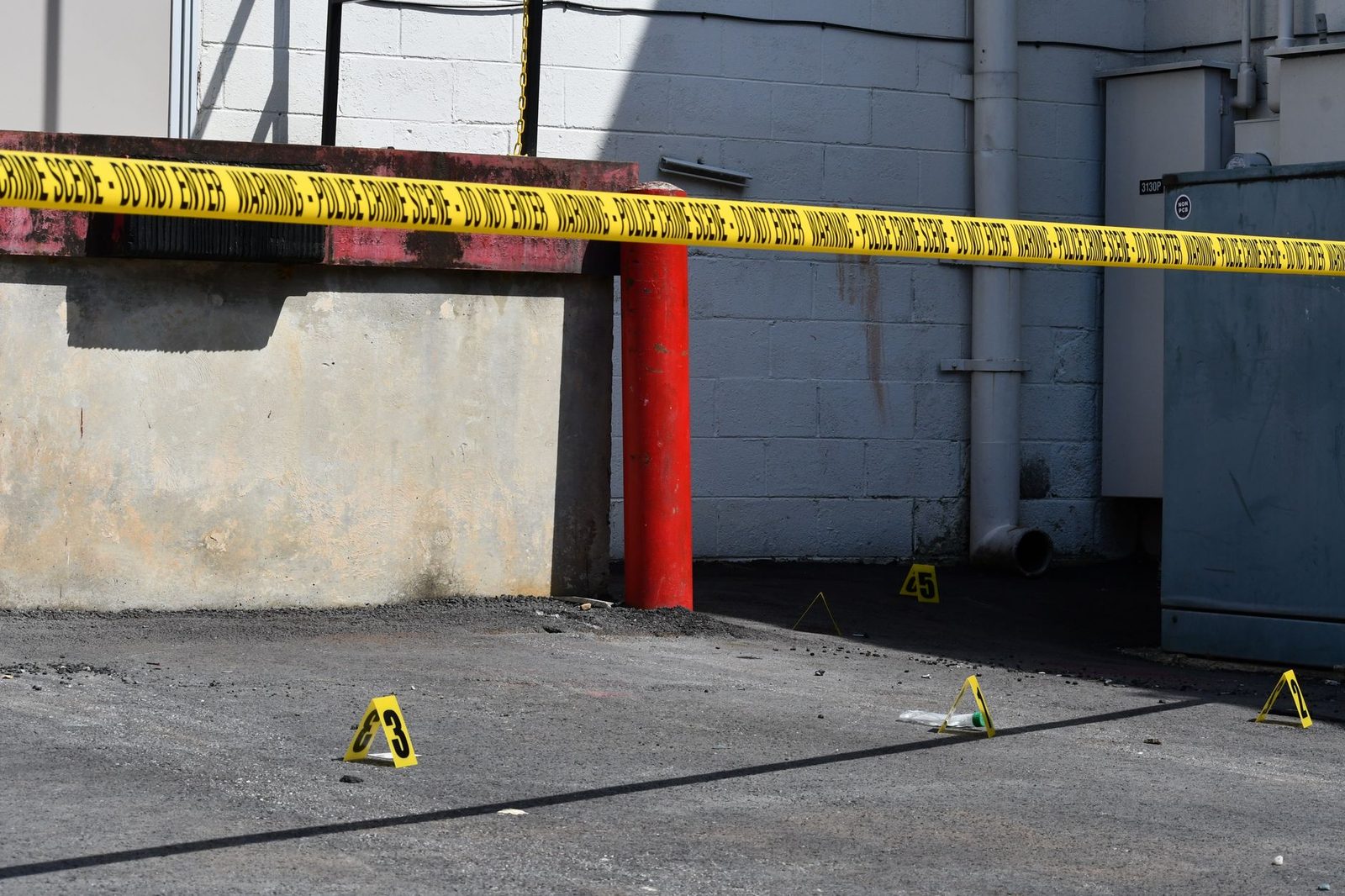
Write down what you remember, keep any police, medical and incident records, and save photos of the location if you can. Speaking with a lawyer early can help you understand which questions matter in your situation.
What can matter in a negligent security claim
Earlier incidents
Whether crimes or warnings at or near the property were known before the shooting.
Lighting, locks and access
Whether gates, doors, lighting, cameras and barriers were working and properly maintained.
Security staffing
Whether guards or monitoring were in place, and how they were trained and supervised.
Working together with other firms
Where a case is better handled with other law firms, American Trial Lawyer may associate or refer it to them.