
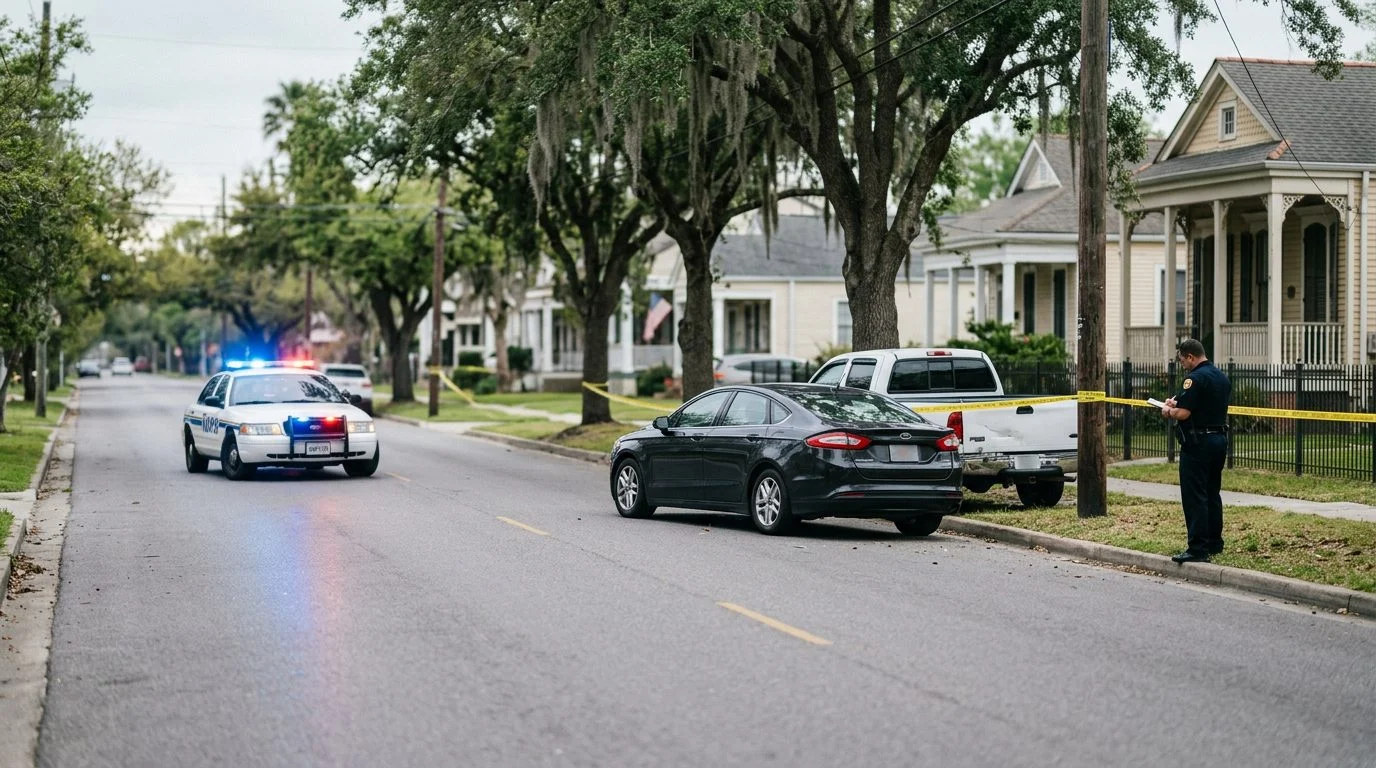
Wrongful Death and Crash Claims | New Orleans, Louisiana
Witnessed a Fatal Crash? Learn Where You Stand Under Louisiana Law
Seeing a death on the road can leave lasting emotional scars. Here is how these questions are approached, and how to talk with a New Orleans trial lawyer about your situation.
By Przemek Lubecki · Published November 16, 2026
If you are asking whether you can sue for witnessing a fatal crash, the short answer is sometimes. Louisiana law can let certain close relatives seek damages for their own severe emotional injury after they view a serious injury to a family member. The rules are narrow. This page explains them in plain words.
The short answer: sometimes, and only under specific conditions
Louisiana can allow some family members to recover for their own emotional harm from a crash they saw or came upon. That claim is separate from the claim for a death. It has its own requirements.
The law does not cover everyone who was upset by a crash. It names specific relationships and sets a high bar for the harm. A person who was nearby and shaken may not meet every requirement. Whether one person qualifies depends on the facts.
This page gives general information. It is not a review of your situation, and it does not promise any result.
If you watched a loved one die in a crash and wonder whether Louisiana law lets you pursue your own claim, we are glad to talk your situation through with you. Talk it through with our team — the first consultation is free, confidential, and carries no obligation.
What Louisiana Civil Code article 2315.6 covers
Louisiana law allows certain close relatives who witness an event causing injury to another person, or who arrive at the scene soon afterward, to recover damages for their own mental anguish or emotional distress caused by that injury (read the full text of the article). It lets certain people who view an event that injures another person, or who come upon the scene soon after, recover damages for their own mental anguish or emotional distress.
Only specific family members can use this law. The statute names the spouse, children and grandchildren, the father and mother, the brothers and sisters, and the grandfather and grandmother of the injured person. A close friend or a fiancé is not on that list.
First, the injured person’s harm must be such that a reasonable person in the claimant’s position would suffer serious mental anguish or emotional distress from the experience. Second, the claimant’s distress must be severe, debilitating, and foreseeable. Those words carry weight.
The statute also says emotional distress damages for injury to another are recovered only in line with this article. The article sets the path, so its exact wording matters.
Why witnessing a crash is different from a wrongful death claim
A wrongful death claim is a different claim. Under La. Civ. Code art. 2315.2, when a person dies due to another’s fault, certain family members may sue for damages they sustained because of the death. The list starts with the surviving spouse and children. If there is no spouse or child, the parents may sue, but a father or mother who abandoned the deceased during his minority is deemed not to have survived him. Then siblings, and then grandparents, follow in that order.
Here is the key difference. A wrongful death claim is about the loss of the person who died. A bystander claim under article 2315.6 is about the emotional harm the witness suffered from seeing the event or arriving at the scene. Both can arise from the same crash. A lawyer may review them together. But they rest on different rules, so a family member may have one claim, both, or neither.
Our pillar page on how to file a wrongful death lawsuit in Orleans Parish covers the broader process.
Who may qualify, and what the facts usually need to show
A few questions shape every bystander claim. Was the person in the right family group? Did they view the event, or come upon the scene soon after? How did the injury affect them? Each answer matters.
Presence is a common question. The statute covers only the spouse, child or children, grandchild or grandchildren, parents, siblings, or grandparents of the injured person who view the event or come upon the scene soon thereafter. Someone who arrived minutes later may face a different analysis from someone who saw the crash itself. The exact timing and view are part of that analysis.
Your own account carries real weight. Describe what you saw and heard, what you did next, and how your days changed afterward. Be honest about what you did and did not see. A clear account helps everyone who reviews the claim.
Medical or counseling records may also matter. A doctor, counselor or therapist may document symptoms and treatment. Those records can help show the harm is serious and tied to the event. Records alone do not decide a claim, but they can support it.
Practical steps to take while you think it through
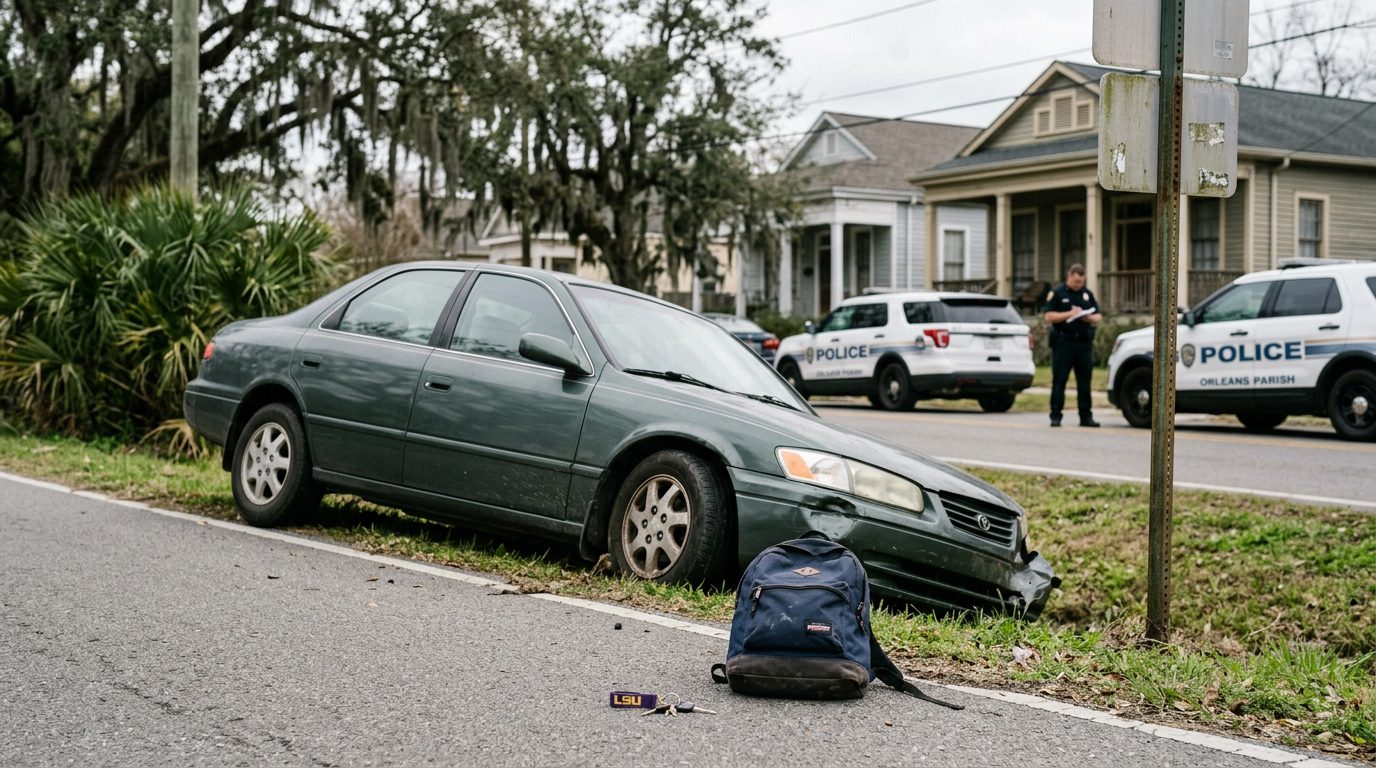
Write down what you remember as soon as you can. Note the time, the place, the order of events, what you saw and heard, and who else was there. Memory fades over time, so early notes often help most.
Keep records of any care you receive for emotional harm. This includes counseling visits, doctor notes, medicine, and sleep problems. Save records of missed work and changes in daily life too. These show how the event affected you.
Crash reports matter as well. Under La. R.S. 32:398, crash reports and the information in them are confidential. They are released only to listed people, including the parties to the crash and their attorneys. Upon request, reports go to those people within seven working days after the crash investigation is complete.
Scene photos, video and witness names can disappear quickly. Save what you have now.
Timing and other questions families ask
Deadlines apply, and they can be short. Under La. Civ. Code art. 3493.1, delictual (tort) actions are subject to a two-year prescription that starts when the injury or damage is sustained. Wrongful death rights follow their own timing. Under article 2315.2, the right generally runs one year from the death or two years from the injury, whichever is longer. Because the rules have details and exceptions, check the timing early.
Family members do not always agree on whether to file. Some may want to move forward while others need time. Our page on family disagreement about a wrongful death claim covers that topic. If the at-fault driver has died or cannot be found, the claim may proceed differently. Our related page on that situation explains how.
Can I sue for witnessing a fatal crash Louisiana?
Sometimes. Louisiana law may allow certain close relatives to recover for their own severe emotional harm if they viewed the event or came upon the scene soon after.
Who can bring a wrongful death claim in Louisiana?
The surviving spouse and children come first under the statute. Parents, siblings and grandparents may sue only if the closer relatives in that order are not surviving.
Do I have to be at the scene?
Your exact timing and view matter.
How long do I have to file?
The wrongful death right generally runs one year from death or two years from injury, whichever is longer. Check the timing early.
Not sure what your next step is?
Talk it through with our team — the first consultation is free, confidential, and carries no obligation.
How the New Orleans office can help you understand your options
Przemek Lubecki is the responsible lawyer for this page. The office is in New Orleans, and the firm serves people in Orleans Parish, the New Orleans metro area and across Louisiana. The firm handles wrongful death and related crash cases.
The firm may associate or refer a case to other law firms. The first consultation is free, confidential and without obligation to continue.
If you watched a loved one die in a crash and you are trying to learn whether Louisiana law lets you pursue your own claim, you do not have to sort that out alone. Call 855-LUBECKI (Office in New Orleans) or request a free case evaluation.
Questions Louisiana Claims Often Turn On
Your relationship to the person
The article explains which family relationships Louisiana law commonly considers in these claims.
What you saw and when you arrived
Whether you viewed the crash or came upon the scene soon afterward can shape how a claim is evaluated.
Emotional and psychological harm
Severe emotional harm is a central part of these claims. Documenting how it has affected your daily life can help.
Wrongful death claims
When a crash has caused a death, the surviving family may have a separate claim. Ask us how it may apply to you.
Why Talk With American Trial Lawyer
Free, confidential consultation
The first consultation is free, confidential and without obligation to continue.
A trial lawyer leads the work
Przemek Lubecki, a New Orleans trial lawyer, is responsible for the content of this page and focuses on serious truck, car, commercial vehicle and wrongful death cases.
Office in New Orleans
We serve people in Orleans Parish, the New Orleans metro area and across Louisiana, including Metairie, Jefferson Parish, Kenner, St. Bernard Parish and Slidell.
Respectful, plain-language guidance
We explain your options clearly and at your pace, without pressure.
A Note on Your Case
Write down what you saw and heard while your memory is fresh. American Trial Lawyer may associate with or refer a case to other law firms.