
Car Accidents | New Orleans
Feel Fine After a Crash? Get Checked Out Anyway
Adrenaline can hide injuries for hours or days. Przemek Lubecki, responsible lawyer at American Trial Lawyer, LLC (office in New Orleans), can answer your questions. The first consultation is free, confidential and without obligation.
By Przemek Lubecki · Published November 7, 2026
The Short Answer: Feeling Fine Is Not Always the Full Picture
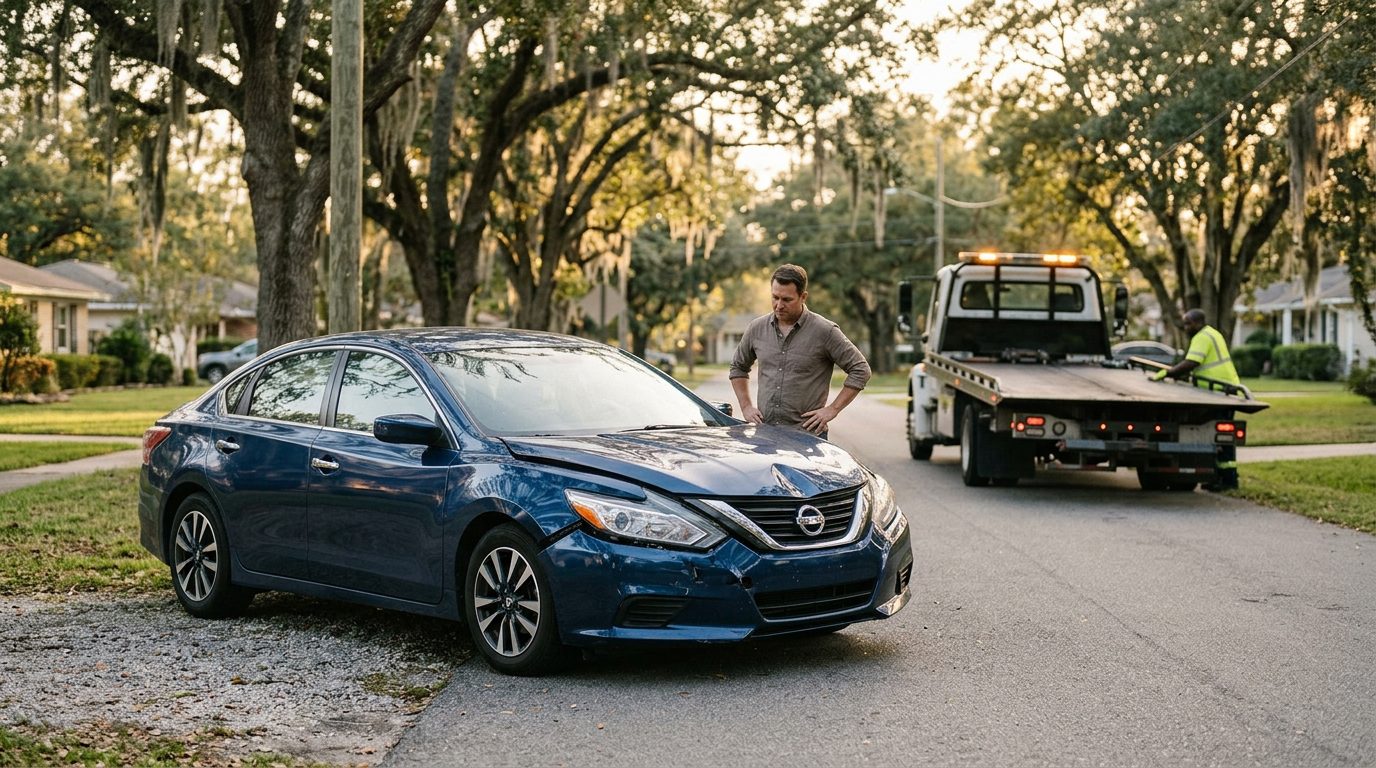
Should I see a doctor after a car accident if I feel fine? In most cases, yes, a medical evaluation is worth getting, even when you feel okay. Right after a crash, adrenaline and shock can hide pain. You can feel fine in the first hour and sore the next morning.
Feeling fine in the moment is not the same as having no injury. Only a doctor can decide whether you are hurt. We can’t make that call from a web page or a phone call. This guide is general information, not medical advice.
Many people skip a check-up because the crash looked minor. A slow bump or a short drive can still cause harm. Stress also makes it hard to judge your own body. A visit gives you a clear starting point and a record your doctor can use later.
If you feel okay after a crash but aren't sure about a doctor visit, or an insurer is already calling, you don't have to figure it out alone. Talk with our team in a free, confidential consultation. Talk it through with our team — the first consultation is free, confidential, and carries no obligation.
Why Injuries Can Show Up Hours or Days Later
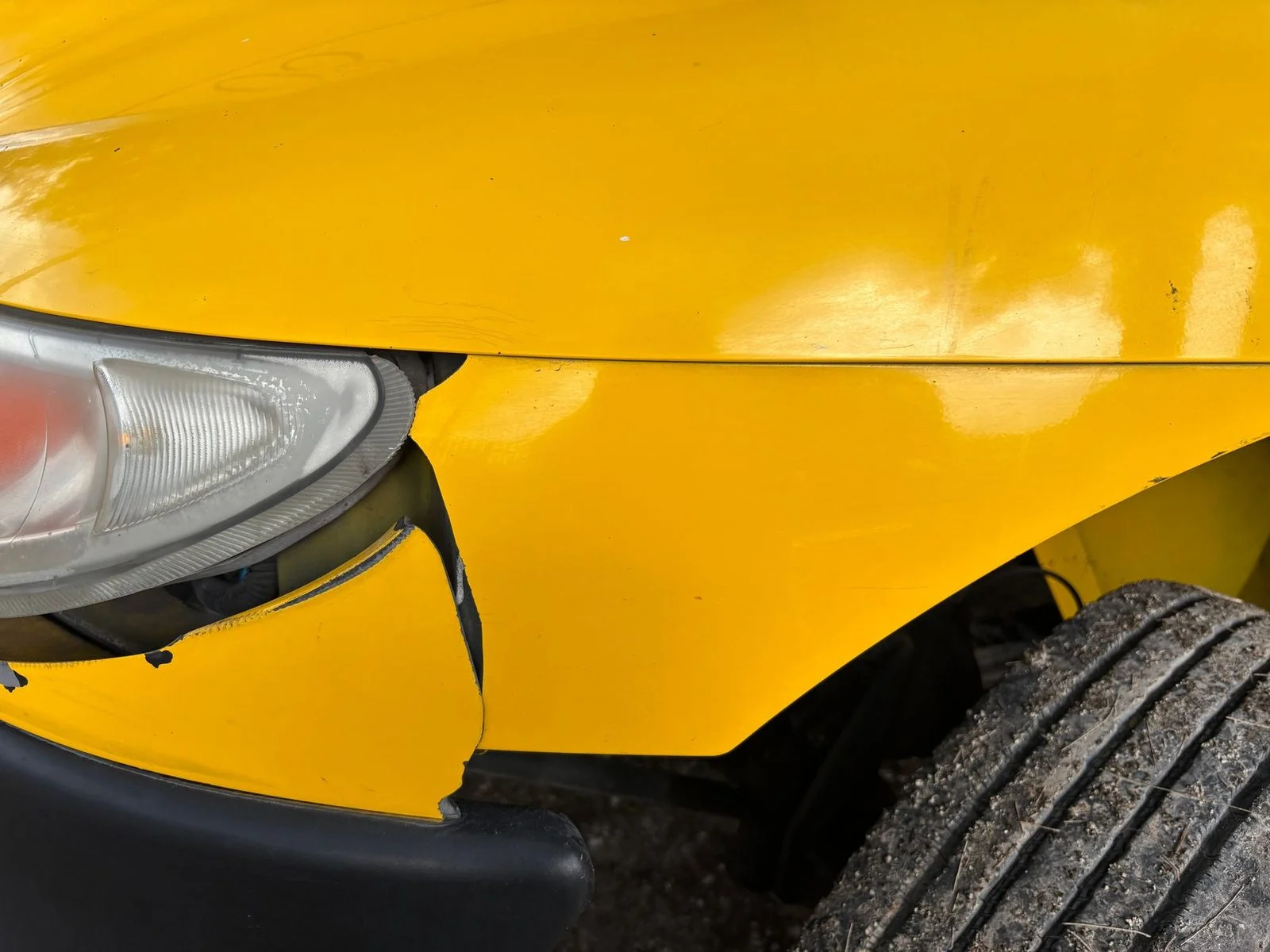
Some injuries take hours or days to cause symptoms. Soft-tissue injuries, such as neck and back strains, often hurt more after sleep or the next day. The muscles and ligaments around the spine can tighten and swell as the body settles.
Head injuries can be slower to show up. FloridaHealthFinder concussion guidance covers concussion and traumatic brain injury symptoms, recovery, and when to contact a doctor after a crash. Symptoms can include headache, dizziness, memory trouble, and changes in sleep.
The Virginia Department of Health notes that a traumatic brain injury may alter mental status, with or without loss of consciousness. That means you can be hurt in the head without ever passing out. The same source says acceleration-deceleration forces can cause diffuse axonal injury after a crash.
Different injuries follow different timelines. A single “wait and see” rule can miss a real problem. A medical evaluation helps sort out what your body needs.
When to Get Emergency Care Right Away
Get emergency care right away if you notice serious warning signs after a crash. Call 911 or go to the nearest emergency room now for loss of consciousness, confusion, a severe headache, repeated vomiting, numbness or weakness, trouble breathing, chest pain, or severe neck or back pain.
Spinal injuries need fast attention. The Christopher & Dana Reeve Foundation says car crashes can cause spinal cord injuries that impair movement and sensation. The same source says medical evaluation is important for diagnosis and care.
A passenger or pedestrian can be hurt even when the driver feels fine. For mild symptoms that are new or getting worse, contact a doctor or urgent care promptly. Emergency staff also record what you report and what they find, starting with the first visit.
How Long After a Crash Should You See a Doctor?
The sooner, the better. See a doctor as soon as you can after the crash, even if you feel fine. So should I see a doctor after a car accident if I feel fine? Yes, and soon is better than later.
A late first visit makes it harder to link symptoms to the crash in the medical record. An insurer can also question a long break in treatment or missed follow-up visits. Keep the appointments your doctor recommends. Tell your doctor about every new or changing symptom.
If your doctor recommends physical therapy or other treatment, that care becomes part of your medical record. We can’t predict how any treatment will affect the value of a claim. Your doctor’s notes are the record that counts for your health first.
Why Medical Records Matter If You Later Need to Make a Claim
Medical records show what you reported, what was found, and what treatment was recommended and followed. A clear, consistent account of your symptoms from the first visit helps the timeline make sense.
Louisiana law also limits certain medical expenses. When a health insurer or Medicare paid a contracted provider, La. R.S. 9:2800.27 limits recovery to the amount actually paid plus applicable cost-sharing amounts. Recovery is not based on the amount billed.
Keep copies of bills, prescriptions, referral notes, and appointment reminders. Write down the dates and names of every provider you see. A single folder, paper or digital, keeps this organized.
Lawyers review medical records as part of evaluating a claim. We can’t say in advance what that review will show or how any claim will turn out.
What to Say (and Not Say) to Insurance Adjusters Before You Know Your Condition
Stick to facts you know. Share the date, the location, and how the crash happened. Say that you are still being checked out. Avoid guessing about your injuries, your speed, or who was at fault.
A casual “I’m fine” can be repeated back to you later, even if you only meant to be polite. Until a doctor has checked you, avoid saying you are not hurt.
If you give a written or recorded statement about the crash, you can ask for a copy. Under La. R.S. 13:3732, anyone who takes that statement from an injured person must furnish a true and complete copy. The copy is due within twenty days after a written demand.
Keep a short symptom journal. Each day, note pain, sleep changes, headaches, dizziness, and how your activities feel. Write down what changed and when.
Not sure what your next step is?
Talk it through with our team — the first consultation is free, confidential, and carries no obligation.
Reporting Requirements and Filing Deadlines in Louisiana
Louisiana generally gives two years to file a delictual (tort) lawsuit for injuries. Under La. Civ. Code art. 3493.1, the two-year period, called liberative prescription (a filing deadline), starts on the day the injury or damage is sustained. Write down your crash date now.
Crash reporting has its own rules. Under La. R.S. 32:398, a driver in a crash causing injury, death, or property damage over five hundred dollars must immediately notify the local police (or, outside a city or town, the nearest sheriff’s office or state police station), and must give his name, address, and vehicle registration number to anyone injured in the crash and to the driver or occupant of, or person attending, any vehicle or other property damaged in the crash. Subsection J of La. R.S. 32:398 covers notice to the Office of Motor Vehicles when a medical condition may be cause for revocation or suspension of a license. It requires that the investigating officer first consult with a superior officer about his specific observations, and that the superior officer concur with the officer’s belief. On request, the driver must show a license or permit.
Crash reports are confidential. Crash reports are confidential. They are available only to the parties to the crash, parents or guardians of a minor party, their attorneys, their insurers, and certain others, including any healthcare provider that rendered healthcare services to a party and news-gathering organizations requesting documents related to a specific crash. Upon request, they are made available within seven working days after the investigation is complete.
Claims involving a drunk driver, a rideshare vehicle, or a commercial truck can involve different parties and timelines.
Talk With Przemek Lubecki About Your Accident
If you feel okay but still aren’t sure about a doctor visit, you can talk it through with us. You may also be getting calls from an insurance adjuster. You don’t have to sort out those next steps alone.
Our team invites you to contact the New Orleans office of American Trial Lawyer, LLC, led by responsible lawyer Przemek Lubecki. The first consultation is free, confidential, and without obligation. You can request a free case evaluation or call 855-LUBECKI (Office in New Orleans).
Frequently Asked Questions
Should I see a doctor after a car accident if I feel fine?
In most cases, yes. Some injuries, including concussions and soft-tissue strains, can cause symptoms hours or days later.
How long do I have to file a car accident lawsuit in Louisiana?
Louisiana generally gives two years from the day of injury (La. Civ. Code art. 3493.1). Exceptions exist, so talk with a lawyer about your specific dates.
The firm may associate or refer a case to other law firms. Przemek Lubecki is licensed to practice law in Louisiana. The firm serves people in Orleans Parish, Jefferson Parish, Metairie, Kenner, St. Bernard Parish, Slidell, and across Louisiana. This page is general information, not medical or legal advice.
Why a Medical Check Matters After a Car Accident
Symptoms can be delayed
Concussions, whiplash and soft-tissue strains often do not show up right away.
Records tell the story
A medical exam documents your condition close in time to the crash, which helps explain what happened.
Gaps are hard to explain later
Waiting to get care can leave a gap in your records that is difficult to account for afterward.
Talk with a lawyer early
Przemek Lubecki and our team can review your situation in a free, confidential consultation. If a case is associated with or referred to other law firms, we will tell you.
Important: Do Not Wait to Be Evaluated
If you were in a crash in New Orleans, Metairie, Kenner or anywhere in Louisiana and feel fine, still see a doctor. Delayed symptoms are common, and early records matter.
What to Do After a Car Accident
Get medical care
See a doctor, urgent care or emergency room, even if you think you are only a little sore.
Write down what you remember
Note the date, time, location, weather, and how the crash happened while the details are fresh.
Keep your records
Save crash reports, medical bills, photos, and notes about missed work or daily activities.
Ask for a free consultation
Contact American Trial Lawyer, LLC to talk through your options with Przemek Lubecki. The consultation is confidential and without obligation.