
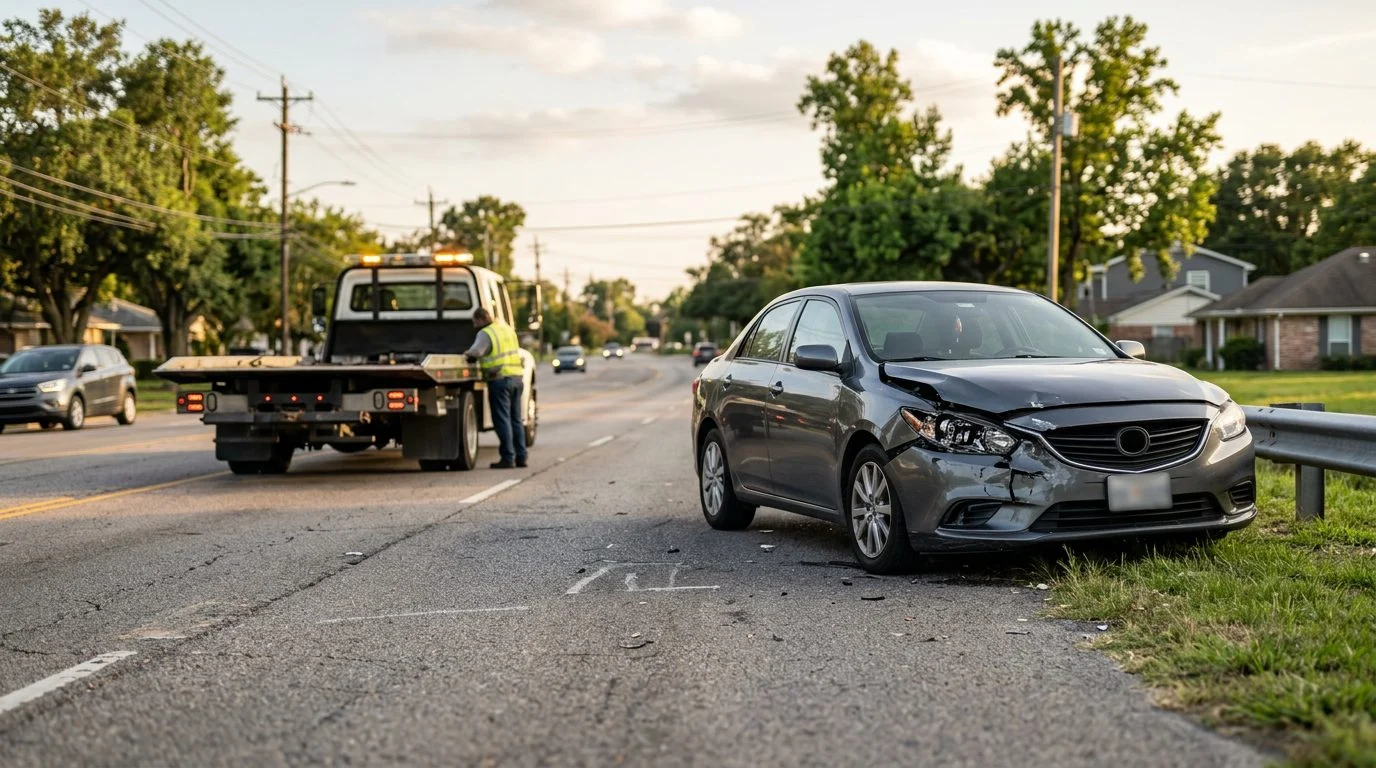
Car Accidents | New Orleans, Louisiana
Car Accident Cases in Louisiana: How They Work, Explained Plainly
Przemek Lubecki, trial lawyer at our New Orleans office, explains how car accident injury claims start, who is involved, and what to expect when you are recovering from a crash.
By Przemek Lubecki · Published October 16, 2026
How a Car Accident Injury Claim Works in Louisiana: The Short Answer
A car accident injury claim asks two main questions. Did another driver’s carelessness cause the crash? And what do your injuries and losses add up to? Most claims start with the at-fault driver’s insurance company, and they become lawsuits only when the two sides can’t agree. That is the short answer to how car accident cases work in Louisiana.
This page is general information, not legal advice. Every case depends on its own facts, and two crashes that look alike can lead to different paths.
We cover seven stages in order: fault, insurance, deadlines, damages, documentation, special situations, and settlement and fees. A mistake in one stage can affect the others, so it helps to see the whole process.
Przemek Lubecki is the responsible lawyer for this page’s content. He is licensed to practice law in Louisiana. The firm’s office is in New Orleans, Louisiana.
Not sure what your next step is?
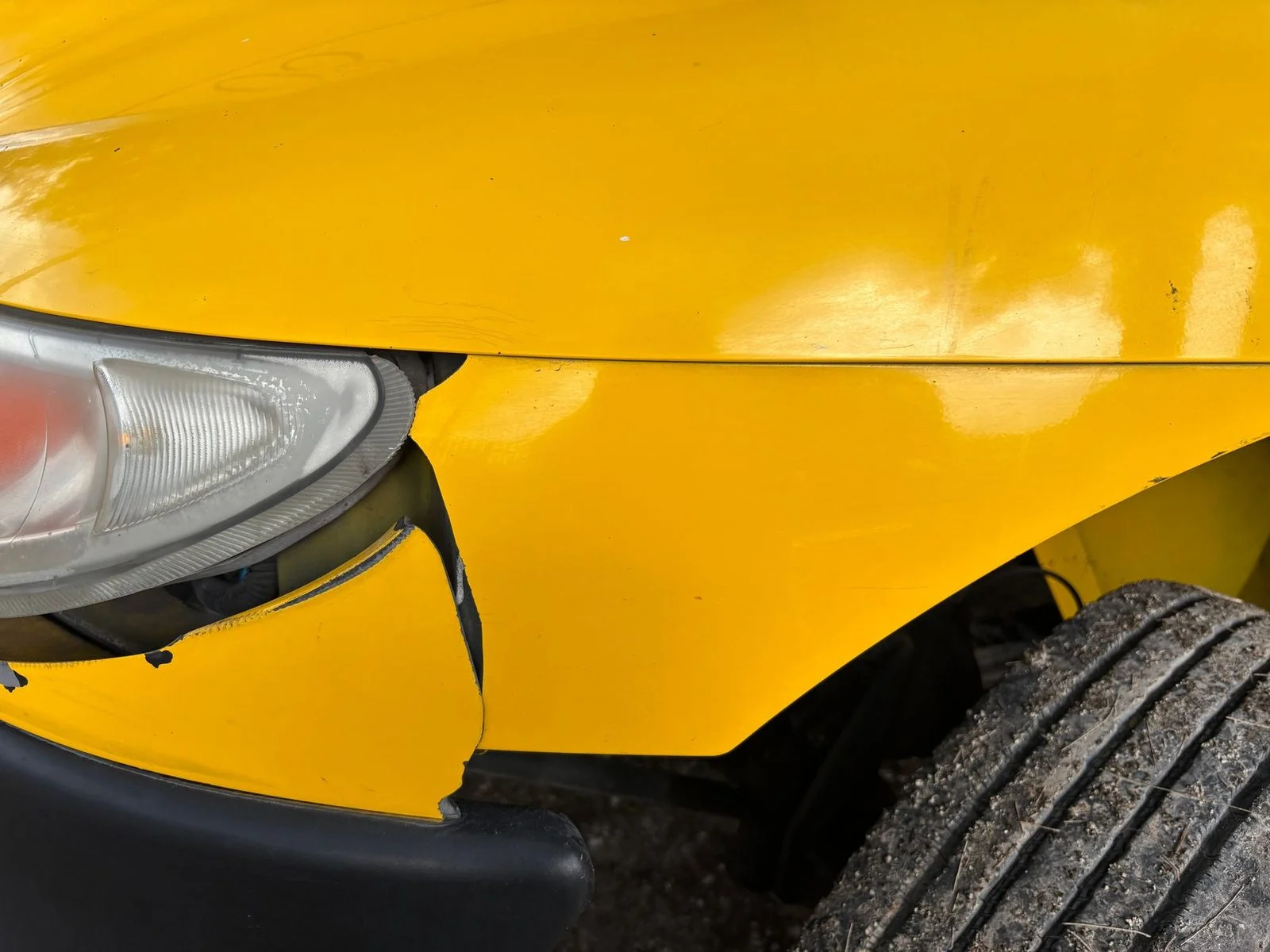
Who Can Bring a Car Accident Claim in Louisiana
Anyone hurt by another person’s fault may have a claim. That includes drivers, passengers, pedestrians, and cyclists. Passengers are often overlooked. A passenger hurt in a crash can have a claim against the at-fault driver, even if that driver is a relative or friend.
After a fatal crash, certain family members may bring a wrongful death claim. Louisiana law gives that right first to a surviving spouse and children. If there is no spouse or child, surviving parents may sue. Then the right moves to siblings, and then to grandparents. La. Civ. Code art. 2315.2
Most injury claims run against the at-fault driver and that driver’s liability insurer. Louisiana also allows a direct action against a liability insurer when the injury happened in Louisiana, within the policy’s terms and limits. La. R.S. 22:1269 Your own policy may matter too, through uninsured motorist coverage. Our related guides cover passenger injuries, wrongful death, and rideshare and commercial vehicle crashes in more depth.
Determining Fault Under Louisiana Comparative Fault Law
Louisiana uses a modified comparative fault rule, which means shared fault counts. Under La. Civ. Code art. 2323, a person whose degree of negligence is equal to or greater than fifty-one percent is not entitled to recover damages. Under La. Civ. Code art. 2323, if the degree or percentage of negligence attributable to the person suffering injury, death, or loss is less than fifty-one percent, the amount of damages recoverable is reduced in proportion to that degree or percentage. La. Civ. Code art. 2323
For example, if you were 20 percent at fault, your recoverable damages would drop by 20 percent. That is simple math, not a prediction for your case. Fault is divided among everyone who contributed, including people who are not part of the lawsuit.
Fault is judged on evidence. Insurers and courts look at traffic laws, the police report, witness statements, photographs, vehicle damage patterns, and any available phone or vehicle data. Common fault disputes involve running a red light or stop sign, distracted driving, following too closely, and impairment.
Some mistakes hurt claims. Saying “I didn’t see him” or apologizing at the scene can be quoted back later. Stick to facts, and don’t guess about speed or timing.
Louisiana Car Insurance Rules That Affect Your Claim
Louisiana requires vehicles registered in the state to carry liability coverage or another approved form of security. La. R.S. 32:861 Minimum limits are set in the statutes, so confirm current amounts before relying on any number. Many policies carry more than the minimum, and that extra coverage can matter after a serious crash.
Uninsured and underinsured motorist coverage can protect you when the at-fault driver has no insurance or not enough. A policyholder can reject this coverage, choose lower limits, or choose economic-only coverage. La. R.S. 22:1295 Economic-only coverage excludes noneconomic loss, such as pain and suffering. Check which option your own policy uses.
Medical payments coverage works differently from liability coverage. Read your policy to see what it pays and how fast.
Claims often involve adjusters from more than one company. Keep a record of every claim number, adjuster name, and policy number. Insurance rules can change over time, so confirm the current requirements in the statutes linked here before relying on any older guide.
How Long You Have to File a Louisiana Car Accident Claim
Under Louisiana law, the deadline for most injury claims arising from crashes or injuries on or after July 1, 2024 is two years from the day the injury or damage is sustained. Injuries that occurred before that date remain subject to the one-year period of Civil Code article 3492. La. Civ. Code art. 3493.1 This legal deadline is called prescription. It is the period after which you can no longer bring the claim.
Wrongful death claims follow a different timeline. Under La. Civ. Code art. 2315.2(B), the right of action prescribes two years from the death of the deceased. La. Civ. Code art. 2315.2
The clock starts on the injury date, not on the day settlement talks end. Under La. Civ. Code art. 3462, prescription is interrupted when the owner commences action against the possessor, or when the obligee commences action against the obligor, in a court of competent jurisdiction and venue, unless legislation expressly provides otherwise.
Can you claim personal injury after three years? Under the general two-year rule, a claim raised three years after a crash raises timing questions. Those questions need prompt review, because the answer depends on the dates and the type of claim.
What Damages You May Be Able to Recover
Damages are the money a claim seeks for harm. Economic damages are measurable losses, such as medical bills, lost wages, and property damage. General damages, such as pain and suffering, inconvenience, and mental anguish, are harder to measure but are still real losses.
Louisiana limits one kind of medical claim. Damages do not include future medical costs unless they are directly related to a manifest physical or mental injury or disease. La. Civ. Code art. 2315 That is why medical records need to clearly connect your treatment to the crash.
Pain and suffering is usually discussed through the injury’s severity, how long it lasts, the treatment you need, and how it changes daily life. That includes work, sleep, family roles, and hobbies. No formula sets these amounts, and no one can predict a value for your case.
Not sure what your next step is?
Medical Treatment, Documentation, and Common Challenges
Follow your doctor’s advice and keep every appointment. Your medical records are part of your claim. Tell your doctor about every symptom, even small ones. Gaps in treatment often raise questions from insurers.
Health insurance status can change the math on medical bills. When a health insurer or Medicare pays a contracted provider, recovery of medical expenses is limited to the amount actually paid and any cost sharing, not the amount billed. La. R.S. 9:2800.27 Cost sharing means copays, coinsurance, and deductibles.
Adjusters often ask for a recorded statement early. Louisiana law requires a person who takes a recorded or written statement from an injured person to provide a copy. The copy must be furnished within twenty days after a written demand. La. R.S. 13:3732 Ask for yours in writing.
Keep bills, pay stubs, mileage to appointments, photos of the vehicles and scene, and witness names and phone numbers. Write a short daily note about symptoms and limits. Keep social media posts about the crash and your activities to a minimum.
Watch for quick settlement offers made before the full extent of your injuries is known.
Special Situations: Hit-and-Run, Uninsured Drivers, and Commercial Vehicles
If the other driver fled or cannot be identified, your own uninsured motorist coverage may be a key source of recovery. A policy can exclude damage with no physical contact, unless an independent and disinterested witness can show the injury resulted from the unknown driver’s actions. La. R.S. 22:1295 That is why names of people who saw the crash matter.
Crashes involving trucks, buses, delivery vans, and rideshare vehicles often involve more parties. There may be a driver, an employer, a vehicle owner, and several insurers. Federal rules add another layer. For property-carrying commercial drivers, hours-of-service rules limit driving time, including an 11-hour driving limit and a 14-hour window. 49 CFR 395.3 Logs and dispatch records can show what the driver was allowed to do, and they may need to be requested early.
These cases can take more time to sort out because more parties and rules are involved.
American Trial Lawyer, LLC may associate with or refer a case to other law firms. Any other lawyers or firms are separate from American Trial Lawyer, LLC.
Settlements, Liens, Fees, and Costs
Most claims begin with a demand to the insurer and a period of negotiation. Many cases resolve in a settlement. Some move into a lawsuit, and a few reach trial. The path depends on the facts, the injuries, and the insurer’s position.
Medical providers, health insurers, Medicare, and others may claim part of a settlement. These claims can reduce what reaches the injured person. Ask how each one will be handled before you decide.
Any fee is set out in your agreement with the firm. You may be responsible for case costs and expenses in addition to the fee. Costs can include records, filing fees, and reports. Our separate guide on attorney fee percentages explains fee structures, and the same cost disclosure applies there.
Louisiana Courts and Where Your Case Would Be Handled
Venue means the court where a case is filed. It often depends on where the crash happened, where the parties live, or where the injury occurred. Orleans Parish, Jefferson Parish, St. Bernard Parish, and other parishes each have their own courts, so location matters.
Metairie and Kenner are in Jefferson Parish. Slidell is in St. Tammany Parish. The firm’s office is in New Orleans, Louisiana. The firm serves people in Metairie, Kenner, Jefferson Parish, St. Bernard Parish, Slidell, and across Louisiana from that New Orleans office. The firm also has an office in Park Ridge, Illinois.
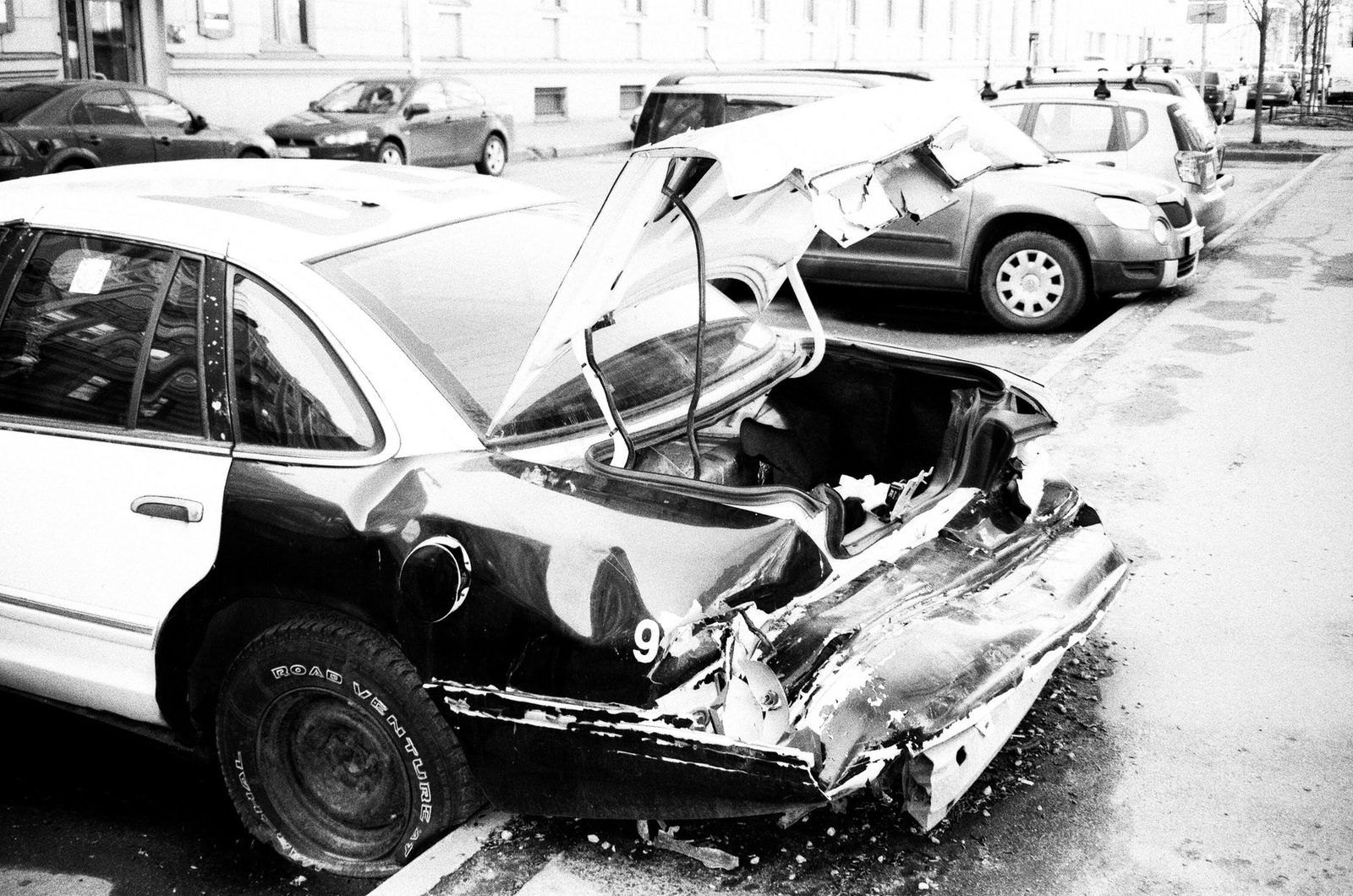
Talk With the New Orleans Office About Your Crash
The fastest way to see how these rules apply to you is to talk through your facts with the responsible lawyer. Knowing how car accident cases work in Louisiana helps, but your own dates, injuries, and fault facts decide the next step.
How long do I have to file a car accident claim in Louisiana?
Claims for injuries occurring on or after July 1, 2024 generally must be filed within two years after the injury occurred (La. Civ. Code art. 3493.1). Injuries that occurred before that date are subject to the one-year period of article 3492. Wrongful death claims follow their own timeline.
Can I still recover damages if I was partly at fault?
Under La. Civ. Code art. 2323, a person whose share of negligence is equal to or greater than fifty-one percent is not entitled to recover damages. Under La. Civ. Code art. 2323, if the degree or percentage of negligence attributable to the person suffering injury, death, or loss is less than fifty-one percent, the amount of damages recoverable is reduced in proportion to that degree or percentage.
Can I get a copy of my recorded statement?
Yes. Louisiana law requires a copy within twenty days after a written demand. La. R.S. 13:3732
What if the other driver fled the scene?
Your own uninsured motorist coverage may apply, depending on your policy and the facts.
If you are deciding whether to keep treating, whether to speak with an adjuster, or whether a deadline is close after a crash, you can request a free case evaluation or call 855-LUBECKI. You may be responsible for case costs and expenses in addition to any fee. No outcome can be promised, and this page is general information, not legal advice.
What We Focus On When We Review a Car Accident
The facts of the crash
We look at the police report, photos, witness information and other records that describe how the collision happened.
Your injuries and recovery
Medical records, treatment plans and time away from work help show what the crash has cost you and your family.
Insurance communications
Adjusters may contact you early. We can help you understand those conversations before you respond.
Families and loved ones
When a crash causes serious harm or death, we take time to explain each step to the people affected most.
Common Steps in a Car Accident Claim
1. Get medical care and keep records
Seeing a doctor promptly and keeping copies of bills, prescriptions and appointment notes helps document your injuries.
2. Gather the details of the crash
Names, insurance information, photos and witness contacts can be hard to recover later, so it helps to collect them early.
3. Speak with the insurance companies carefully
Statements you make to an insurer can affect a claim. Talking with a lawyer first can help you decide what to say.
4. Negotiate, and file suit if needed
Many claims are resolved through negotiation. When the two sides cannot agree, a lawsuit may be the next step.
Important:
Car accident cases handled through American Trial Lawyer may be associated with or referred to other law firms. You may be responsible for case costs and expenses in addition to any fee. This page is general information, not legal advice.