
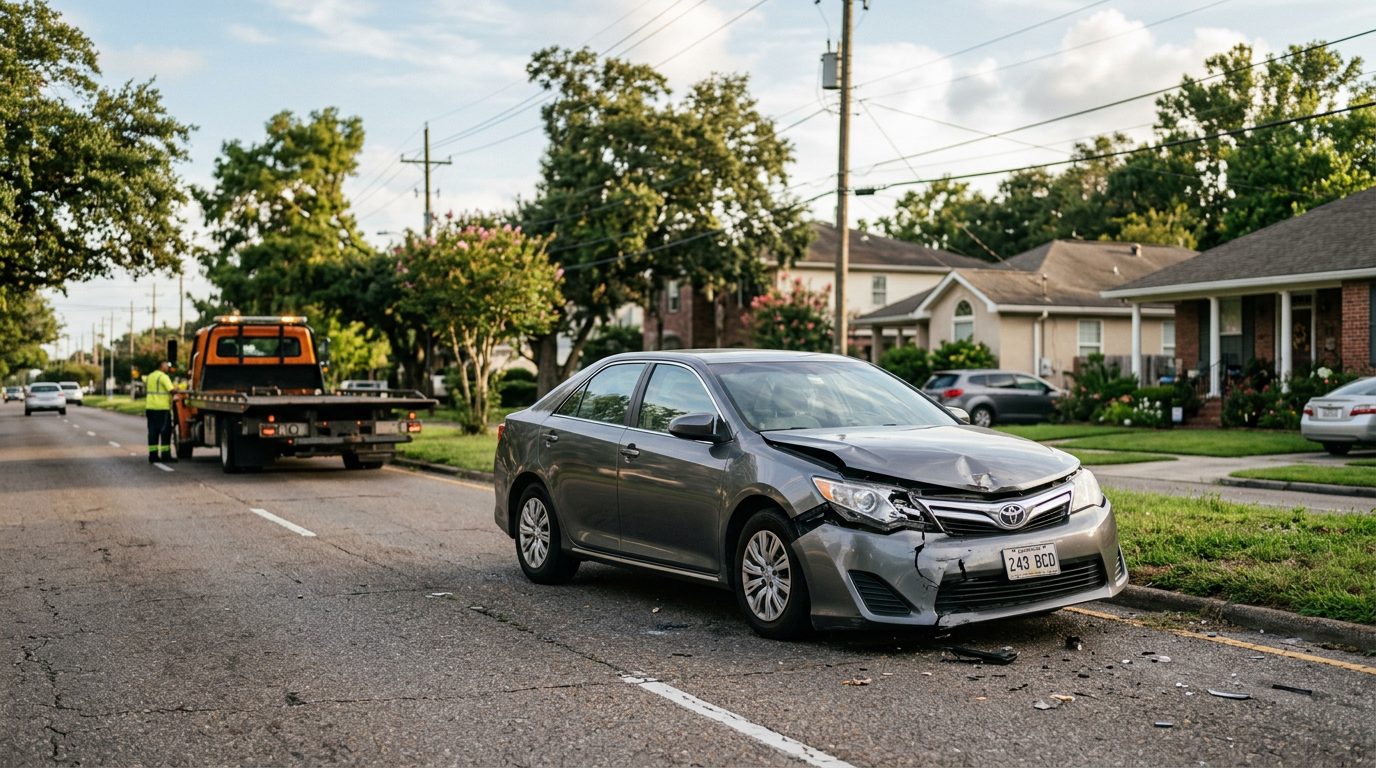
Car Accidents | New Orleans, Louisiana
Received a Low Insurance Offer After a New Orleans Car Accident?
Przemek Lubecki and our New Orleans office can review the offer with you, explain what it may leave out, and answer your questions before you respond to the adjuster.
By Przemek Lubecki · Published November 14, 2026
An early offer after a car accident can feel like a blow, especially when bills are already arriving. If you are dealing with an insurance lowball offer after a car accident in New Orleans, you are right to ask why. The short answer is that an early offer is usually an opening position from an insurer, and it often comes before the full picture of your injuries is known.
Why the First Offer After a New Orleans Car Accident Is Often Low
The first offer is often low because the adjuster works for an insurance company. That company has a financial interest in the amount it pays. An adjuster’s first number is usually an early estimate, not a final evaluation of your claim.
A small number does not mean your claim has little value. It often means the insurer has not yet seen the full medical records, the bills, or how the injury has changed your daily life. The offer reflects the file as it stands on that day.
Many people feel pressure to settle quickly, because bills and missed paychecks keep coming. An offer can still be reviewed, questioned, and answered in writing.
Louisiana law places responsibility on the person whose fault caused harm. Under La. Civ. Code art. 2315, a person whose fault caused damage to another must repair it.
If an early offer after your New Orleans crash feels too small, you don't have to sort it out alone, and a free, confidential consultation with Przemek Lubecki is available. Talk it through with our team — the first consultation is free, confidential, and carries no obligation.
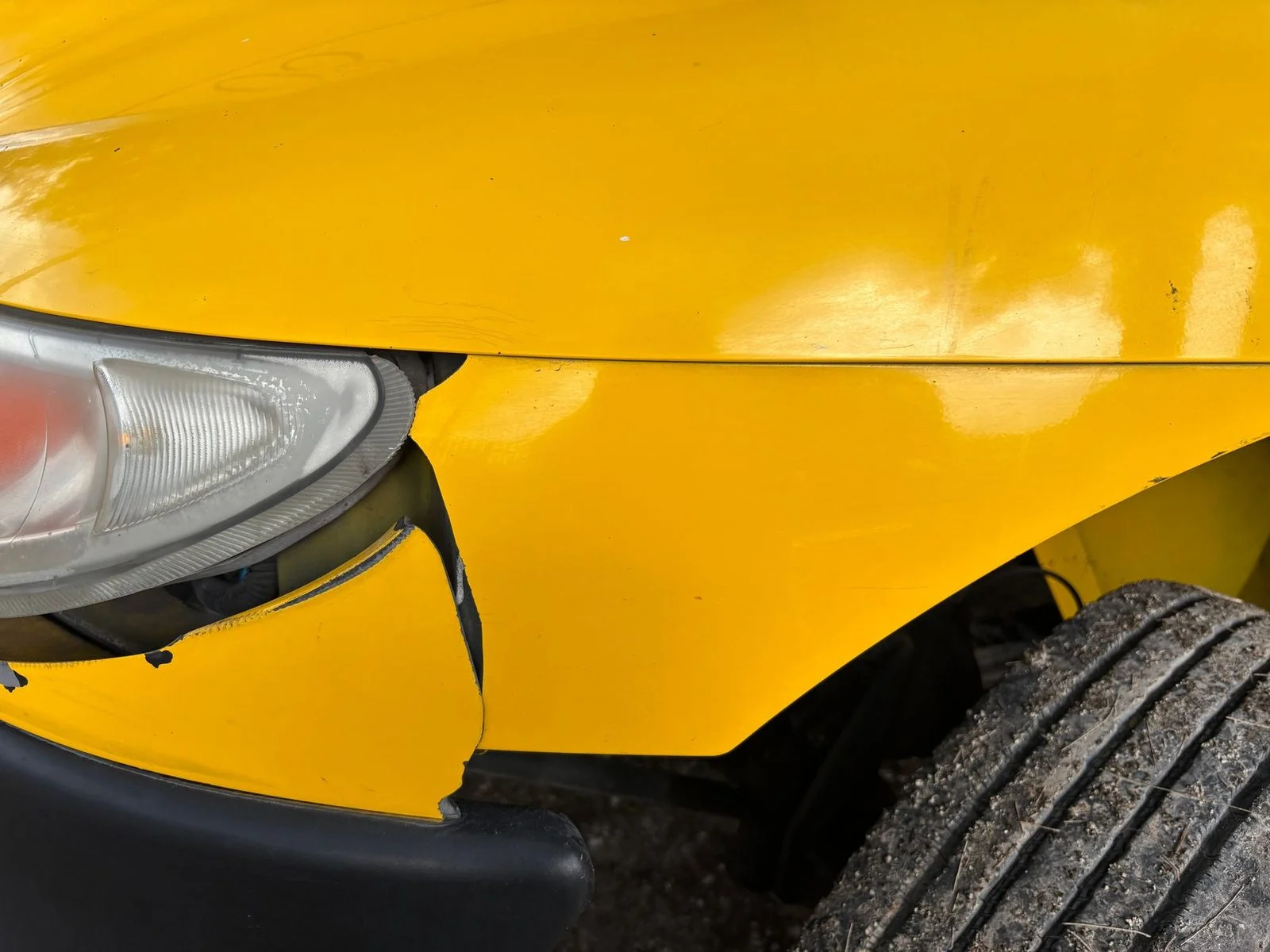
How Liability and Policy Limits Shape the Number
Fault decides who pays, and the insurance policy decides how much money is available from that policy. An insurer weighs both before it makes an offer.
Louisiana uses a comparative fault rule. Under the current text of La. Civ. Code art. 2323, a person found 51 percent or more at fault cannot recover damages. A person found less than 51 percent negligent for his own injury has his recoverable damages reduced in proportion to his share of negligence, unless the other party is an intentional tortfeasor, in which case his claim is not reduced.
Adjusters may dispute fault. They may point to a lane change, a turn signal, or speed. The crash report can be part of that review.
Each insurance policy has a dollar limit. A payment from the at-fault driver’s policy cannot go above that limit. The value of an injury claim and the policy limit are separate questions, but the limit can still shape an offer, even when injuries are serious. Your own policy may also matter, so ask which coverages apply.
Why Early Offers Often Come Before the Full Medical Picture Is Known
Early offers often come before doctors know how an injury will heal. Soft tissue pain, concussion symptoms, and back or neck problems can change over days and weeks. An early number may not include follow-up visits, ongoing care, or future treatment.
Early offers can look complete on paper while the medical story is still unfolding. That is why timing matters.
Louisiana law limits future medical costs. Under La. Civ. Code art. 2315, damages do not include costs for future treatment unless they are directly related to a manifest, or clear, physical or mental injury or disease.
Medical bills are not always the final number. Under La. R.S. 9:2800.27, when a health insurer or Medicare paid a contracted provider, recovery of those medical expenses is limited to the amount actually paid plus the cost sharing you paid or owe. It is not limited to the amount billed.
Keep every appointment and follow your treatment plan. Keep a record of missed work and out-of-pocket costs. Those records show the insurer the real scope of the injury over time.
How Pain and Suffering Is Considered Under Louisiana Law
Pain and suffering is the part of a claim that covers physical pain, emotional distress, and loss of enjoyment of life. Louisiana’s general rule is that the person whose fault caused harm must repair it. Under La. Civ. Code art. 2316, every person is responsible for damage caused by negligence, imprudence, or want of skill.
These damages are harder to measure than bills and lost wages. There is no single fixed formula. The value depends on the facts and the evidence.
Evidence that often matters includes:
- How severe the injury is, and how it was diagnosed
- Your treatment history, including any gaps in care
- Statements from you and your family about daily life
- How the injury affects work, sleep, and hobbies
- A written journal of symptoms and limits
Two people with similar injuries can describe very different daily lives. That difference is part of the evidence.
Pain and suffering has no receipt, so an early offer can skip it. A daily journal helps put it on paper.
Claim Handling Practices That Can Keep an Offer Low
Early claim steps, like a recorded statement, a records request, or a quick release, can shape the offer that follows. Knowing the rules for each step helps.
An adjuster may ask for a recorded statement early. Under La. R.S. 13:3732, a person who takes a recorded statement from an injured person must give that person a true copy, within twenty days after written demand. Under the same statute, a statement is not admissible in a related civil action if its holder refused, on request, to provide a copy.
Adjusters may also ask for prior medical records, past injuries, or social media posts. Review each request before you answer. Be polite and brief, and say when you need time to gather records.
A quick offer often comes with a release. A signed release can end the claim, so read every page first. Under La. R.S. 22:1290, a property-damage settlement under a vehicle liability policy is not treated as an admission of liability on other claims from the same crash.
Adjusters may assume an injured person is handling the claim alone. A low early number can be a negotiating opening.
What to Do After a Low Offer Before You Sign Anything
Answer a low offer in writing, and keep your own file before accepting any payment. Keep the police report, photos, repair estimates, medical bills, pay records, and a daily symptom journal in one place.
Ask the insurer in writing for its reasoning and the documents behind its number. Do not sign a release or accept a final payment until your injuries and treatment are understood. How a negotiation ends cannot be predicted from the first offer alone.
Is a low insurance lowball offer after a car accident in New Orleans always a bad sign?
Not always. It is usually an opening position, and it does not set the final value of a claim.
Can I get a copy of my recorded statement?
Yes. Under La. R.S. 13:3732, you can ask in writing for a true copy, and the holder must provide it within twenty days.
Does Louisiana let me recover if I was partly at fault?
Every case is different, so the answer depends on the specific facts involved. If your share of negligence is 51 percent or more, you are not entitled to recover damages. If it is less than 51 percent, the amount recoverable is reduced in proportion to your share of negligence. However, if your injury results partly from your own negligence and partly from an intentional tortfeasor’s fault, your claim for damages is not reduced (La. Civ. Code art. 2323).
Not sure what your next step is?
Talk it through with our team — the first consultation is free, confidential, and carries no obligation.
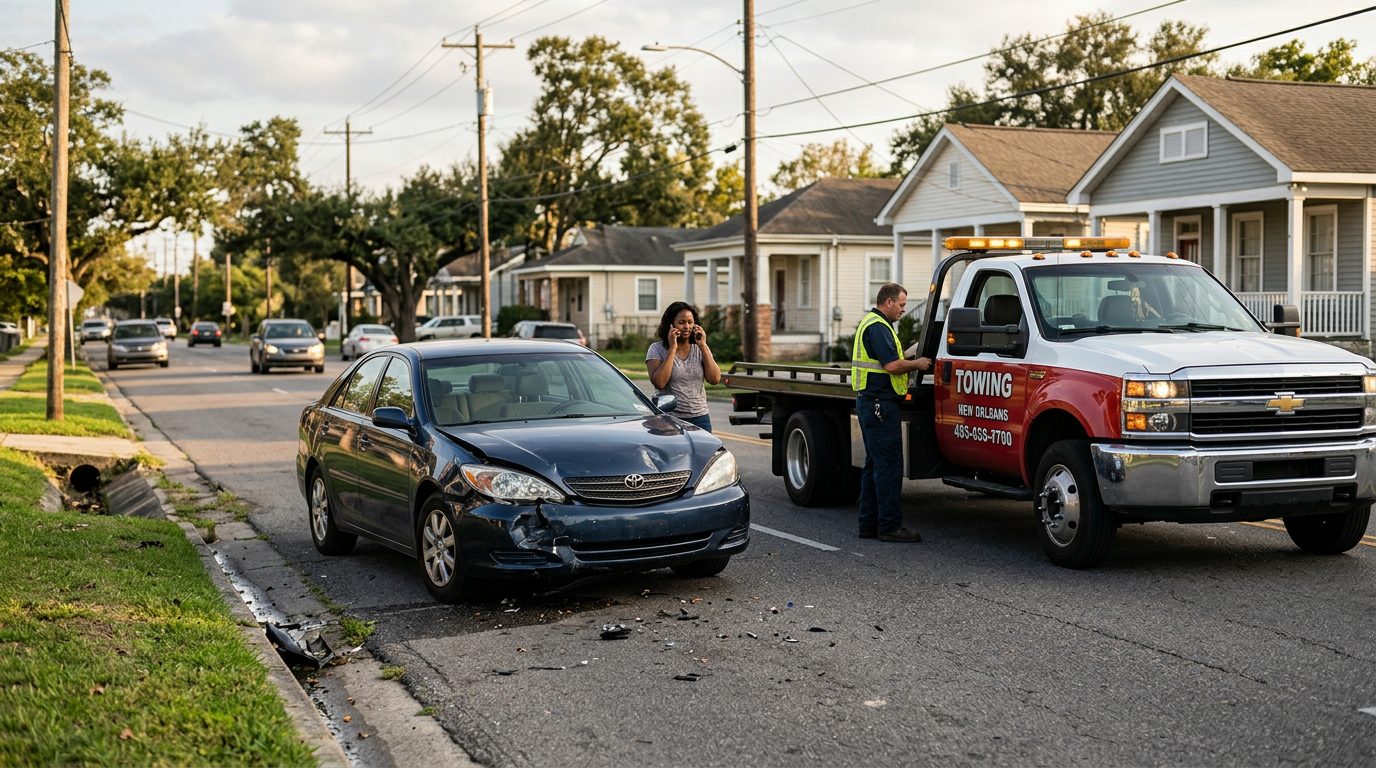
Talk With Przemek Lubecki About the Offer You Received
If an early offer does not match your injuries, bills, or time away from work, you may want to talk it through before you decide. Przemek Lubecki is the responsible lawyer for this page. The New Orleans office serves people in Orleans Parish, the New Orleans metro area, and across Louisiana.
The first consultation is free, confidential, and without obligation to continue. It is a chance to ask questions about the offer, the process, and what happens next. The firm may associate or refer a case to other law firms.
If the offer feels too small, you don’t have to sort it out alone. Request a free case evaluation or call 855-LUBECKI.
How our team approaches an early insurance offer
We review the offer in full
We look at the amount, what it covers, and what it may not yet account for, such as ongoing treatment or future needs.
We handle the insurer's contact
Once you have our help, we can field calls and letters from the insurance company so you can focus on recovering.
We explain your options
We discuss, in plain language, what accepting, negotiating or pursuing the claim could mean for you.
We keep you informed
You will know where your claim stands at every step, and every question you have will get a direct answer.
Before you sign anything
Do not sign a release or cash a settlement check until you have talked with a lawyer about what it covers. Once signed, a release can close off further recovery.
Questions people often ask us
Is a low offer always a bad sign?
Not always. An early offer is often an opening position, and it does not set the final value of a claim. Reviewing it with a lawyer helps you see the difference.
What if I already gave a recorded statement?
Tell us about it. We can help you understand what was said and how it may be used in your claim.
Do I have to decide right away?
No. Taking time to understand the offer, and to gather your medical and repair records, is a reasonable step.
What does the first meeting involve?
The first consultation is free, confidential and without obligation to continue. We listen to what happened, review the offer and explain your options.