
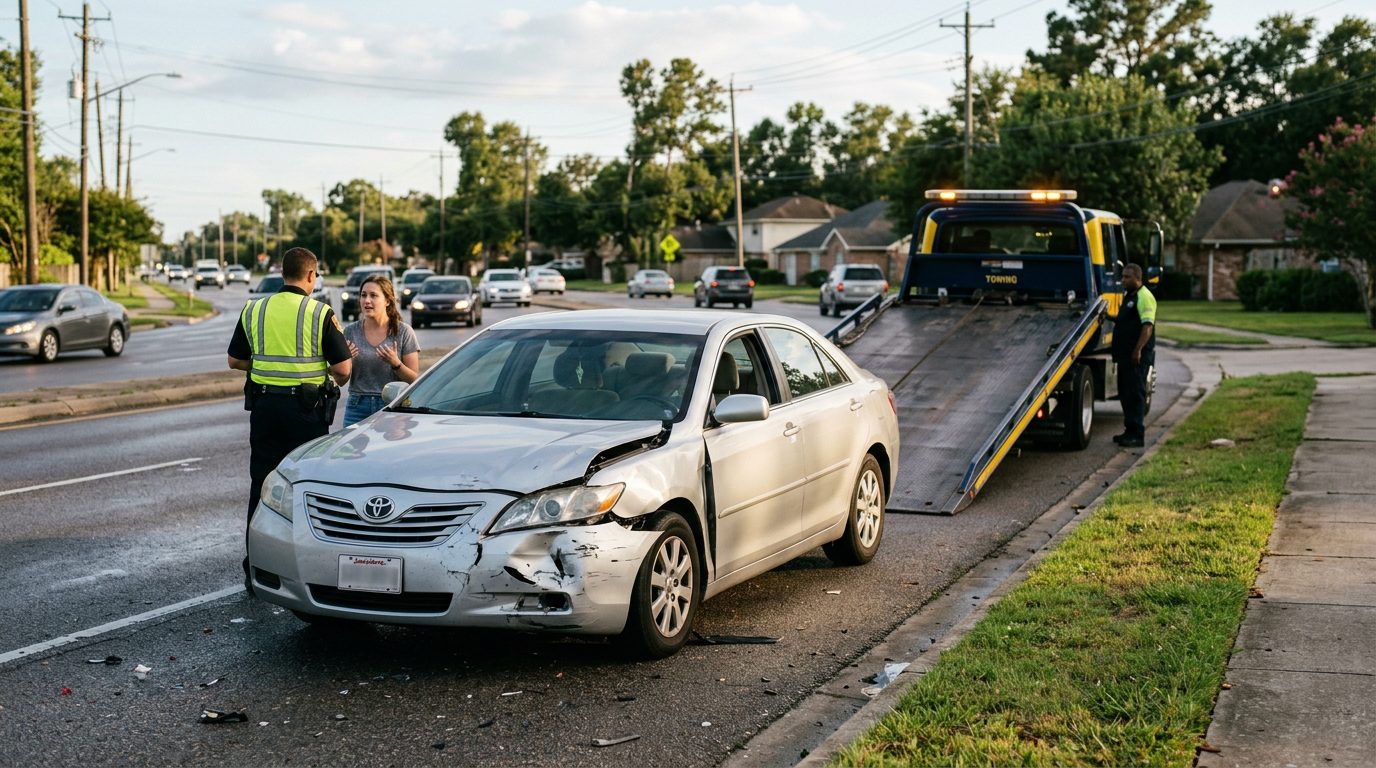
Car Accidents | New Orleans, Louisiana
Received a First Settlement Offer After a Car Accident?
An early offer from an insurance company may not reflect the full impact of your injuries. Before you respond or sign anything, talk with Przemek Lubecki. Our New Orleans office offers a free, confidential first consultation with no obligation to continue.
By Przemek Lubecki · Published November 2, 2026
The short answer: early offers often come before the full extent of your injuries is known
If you’re asking whether to accept a first settlement offer after a car accident in Louisiana, the usual answer is to wait. Early offers often arrive while medical treatment is still going on. Doctors may not yet be able to say what the longer-term picture looks like.
A short pause gives you time to read the offer, gather your records and understand what it does and doesn’t cover. For a broader look at car accident claims in Orleans Parish, see our guide to car accident claims in Orleans Parish.
If an insurance offer is on the table while your injuries are still being treated, you don't have to decide alone; we can talk through your facts before you sign. Talk it through with our team — the first consultation is free, confidential, and carries no obligation.
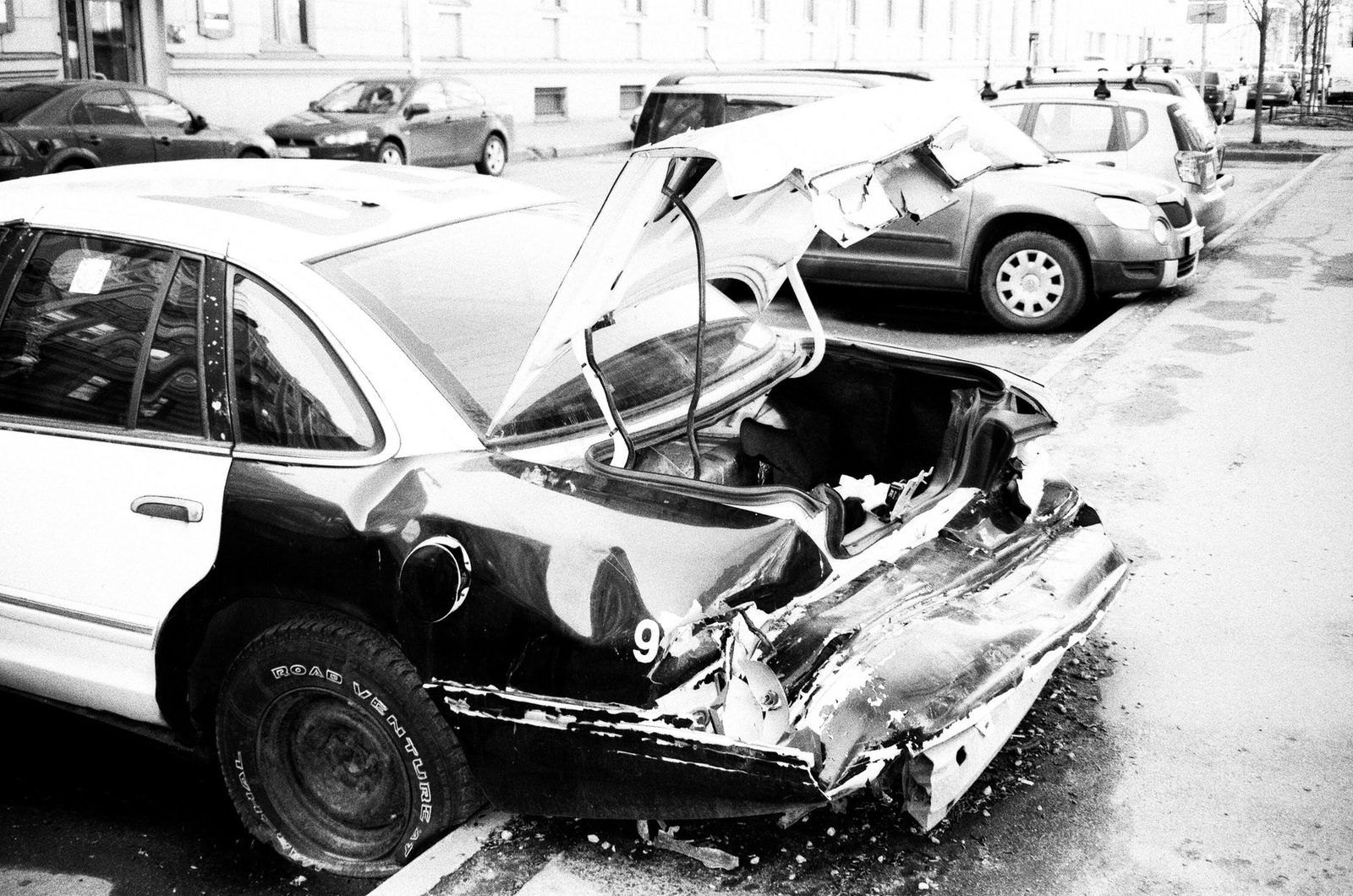
Why insurance companies often make an early offer
An insurer’s evaluation is based on the information it has at that moment. After a crash, that information is often incomplete. The adjuster may have a police report, a few photos and early medical notes. The adjuster usually won’t have a full diagnosis, finished treatment or a complete list of bills.
Early offers can arrive quickly. Some arrive before the injured person has finished follow-up care or reviewed a single bill. This doesn’t necessarily mean the adjuster is acting in bad faith. It means the offer reflects only what is known on the day it was made. That picture can change as treatment goes on.
Louisiana’s fault rules also matter when you read an offer. Louisiana uses comparative fault (shared fault). Under La. Civ. Code art. 2323, if the degree or percentage of negligence attributable to the person suffering injury, death, or loss is equal to or greater than fifty-one percent, that person shall not be entitled to recover damages. Under La. Civ. Code art. 2323, if the degree or percentage of negligence attributable to the person suffering injury, death, or loss is less than fifty-one percent, the amount of damages recoverable shall be reduced in proportion to that degree or percentage. An offer may assume a fault split that deserves a close look before you respond.
What a first offer may not account for
A first offer often does not reflect injuries that take time to show their full effect. Brain injury symptoms, back and neck pain, and numbness can change over days and weeks. Some symptoms come and go, which makes them easy to underestimate early on.
Spinal injuries deserve special attention. MedlinePlus on car accident injuries notes that motor vehicle accidents can cause spinal cord injuries, and that immediate medical attention is needed after such an injury. According to the NINDS on spinal cord injury overview, the effects of a spinal injury depend on where it occurs along the spine.
Future care is another gap. Under La. Civ. Code art. 2315, damages do not include costs for future medical treatment, services, surveillance, or procedures of any kind unless such treatment, services, surveillance, or procedures are directly related to a manifest physical or mental injury or disease. Time away from work can also add up, especially if you can’t return to the same job right away. An offer for vehicle damage is not the same as an offer for injuries. Paying for your car does not resolve your injury claim.
Read the release before you sign anything
Read it closely before you sign. Look for these points:
- Future care: Does the release cover treatment you may still need?
- Who is released: Does it name only the insurer, or also drivers, vehicle owners or others?
- Conditions: Does the payment depend on anything else you must do?
- Liens: Does the release address bills that others may still claim?
Don’t cash a check marked as a full settlement until you understand what it closes.
Adjusters may ask for a recorded statement. Under La. R.S. 13:3732, a person who takes a written, recorded, or transcribed statement from an injured person must give that person a true and complete copy, and anyone holding the statement must provide a copy within twenty days after a written demand from the person who made it or that person’s personal representative. The same statute says a statement is not admissible in a related civil action if the person holding it refuses, after a request, to provide a copy.
What to gather before you respond to the offer
Gather your records before you reply to any offer. Keep them together, on paper or digitally. Include these items:
- Louisiana law makes crash reports available only to the parties to the crash, parents or guardians of a minor who is a party to the crash, insurers or insurance support organizations under contract to provide claims and underwriting of a party, healthcare providers who treated a party, succession representatives, attorneys for the parties or succession representatives, and news-gathering organizations requesting a specific crash, under La. R.S. 32:398. Add photos of the scene and both vehicles.
- Witness details. Write down names and phone numbers for anyone who saw the crash.
- Medical records. Keep records, a list of every provider you’ve seen, itemized bills and written treatment recommendations.
- Proof of lost income. Pay stubs, a letter from your employer and time-off records all help.
- Insurer correspondence. Keep every letter, email and offer paper from the insurer.
Also keep a simple journal. Note your symptoms, appointments and daily limits, with dates. This helps you describe changes accurately to your doctor and to anyone reviewing your claim. Even after a minor crash, a police report can matter. Read more about why a police report matters after a minor crash.
How health insurance, MedPay and medical liens can affect what you keep
Health insurance and medical payments coverage (MedPay) may already have paid some of your bills. How those payments are handled can affect how much of a settlement you ultimately keep.
Louisiana law limits recovery of medical expenses in some cases. When a health insurer or Medicare paid a contracted provider, recovery is limited to the amount actually paid, plus any cost-sharing amounts you paid or owe. See La. R.S. 9:2800.27. The same statute says it does not apply to benefits received through an auto policy’s medical payments coverage.
Under the same statute, recovery of past medical expenses other than those provided by Subsection B or C of this Section shall include amounts still owed to a medical provider. That includes amounts secured by a privilege or lien. An offer that ignores existing bills or liens can leave you with less than the number suggests. Learn more about health insurance and MedPay after a car accident and medical liens after a car accident.
Not sure what your next step is?
Talk it through with our team — the first consultation is free, confidential, and carries no obligation.
Louisiana deadlines matter while you are negotiating
Settlement talks do not stop Louisiana’s filing deadline by themselves. Under La. Civ. Code art. 3462, prescription (the legal time limit to file a claim) is interrupted when an action is filed in a court of competent jurisdiction and proper venue. Talks with an insurer are not a filing.
Louisiana generally gives two years for delictual actions, which are civil claims for injury. The period runs from the day the injury is sustained, under La. Civ. Code art. 3493.1.
Under La. Civ. Code art. 3463, interruption is considered never to have occurred if the plaintiff abandons the suit, voluntarily dismisses it, or fails to prosecute it at trial; a dismissal pursuant to a compromise does not constitute a voluntary dismissal. Write down the date of your crash now. Don’t assume you have unlimited time to decide.
Talk with Przemek Lubecki about your offer before you sign
If an offer is on the table while your injuries are still developing, and a release would close the claim, you don’t have to make that decision alone. Our team can help you think through the facts, the offer and the timing. Przemek Lubecki is the responsible lawyer for this page, and our office is in New Orleans.
The first consultation is free, confidential and without obligation to continue. The firm may associate or refer a case to other law firms.
Should I accept first settlement offer car accident Louisiana?
Usually, it’s wise to wait until you know your injuries and costs.
Can I still ask for more after I sign a release?
Read it closely before you sign.
Does comparative fault affect my settlement offer?
Yes. Under La. Civ. Code art. 2323, if the degree or percentage of negligence attributable to the person suffering injury, death, or loss is equal to or greater than fifty-one percent, that person shall not be entitled to recover damages, and if it is less than fifty-one percent, the amount of damages recoverable shall be reduced in proportion to that degree or percentage; however, if the injury is partly the result of the fault of an intentional tortfeasor, the claim shall not be reduced.
If you want to talk through an offer before you respond, you can reach us at 855-LUBECKI or ask about a free consultation. We’ll listen to your situation and explain your options.
How we can help you decide your next step
Review the offer with you
We look at the offer alongside your medical records, bills and the details of the crash so you can see what it does and does not cover.
Focus on your recovery first
Injuries from a crash can take time to show their full effects. We help you consider your health and future needs before you make a decision.
Protect your position
Read any release carefully before signing. We explain what you would be giving up and answer your questions in plain language.
Talk with Przemek Lubecki
Call 855-LUBECKI or request a free case evaluation to speak with the responsible lawyer about your situation.
Important: take a moment before you sign
Insurance settlement papers often include a release that closes your claim for good. Do not sign or cash a check that requires you to give up your claim until you understand what you are agreeing to.
Questions to think about with a lawyer
Do I know the full extent of my injuries?
Some symptoms, including head and neck injuries, can appear days or weeks after a crash.
Have I included all of my costs?
Consider medical care, time away from work, vehicle damage and future treatment when you review an offer.
Could the other driver's fault be disputed?
Insurers may question how the crash happened. Discuss the facts of your crash with a lawyer before responding.
Is the offer time-limited?
Insurers sometimes pressure people to decide quickly. A free consultation gives you time to ask questions before you answer.