
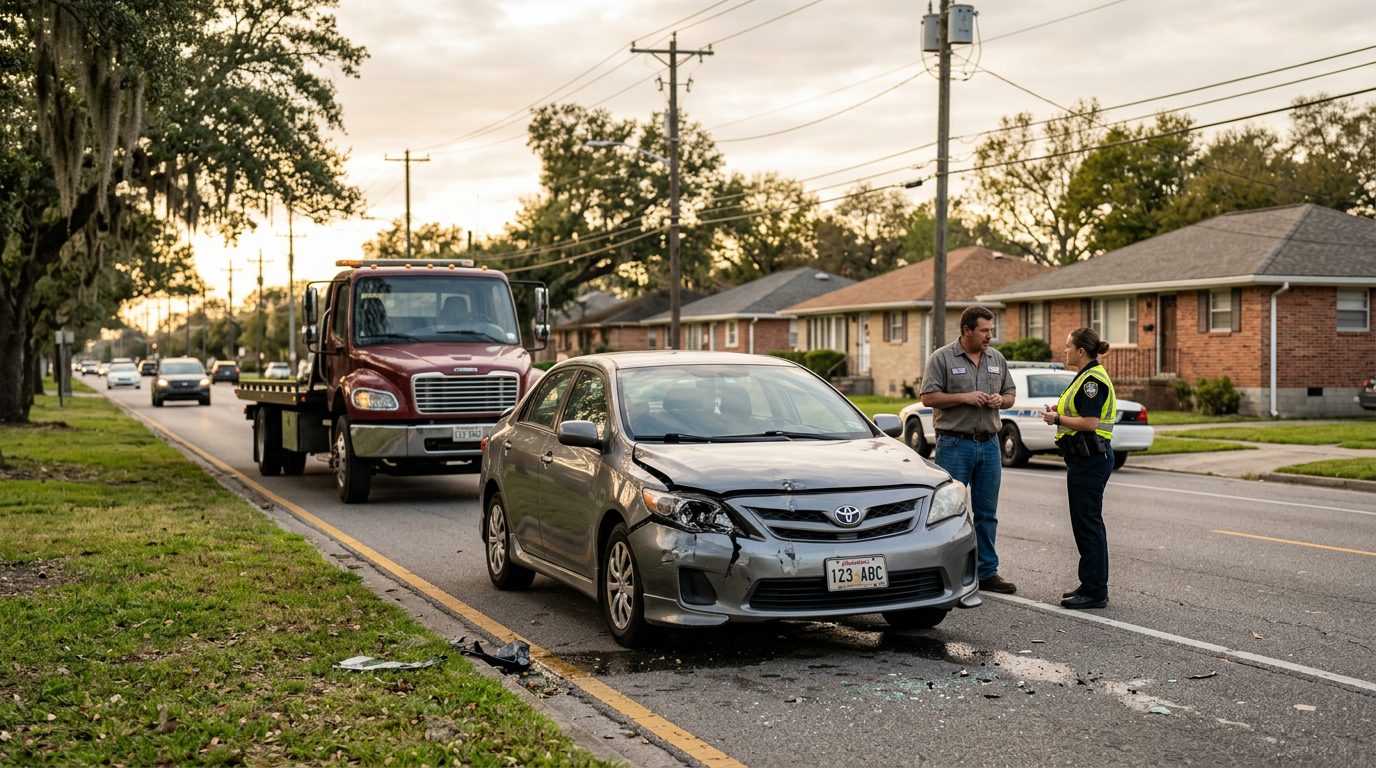
New Orleans Car Accidents
Hurt in a New Orleans Crash? Know What to Say to the Other Driver
A few calm, careful words at the scene can shape the story that follows. Here is how to stay safe, stay factual and protect your position.
By Przemek Lubecki · Published November 14, 2026
After a car accident, you may feel shaken, sore, or simply unsure.
The short answer: exchange basic information, describe only what you saw and did, and don’t guess about fault or injuries. Calm, accurate answers serve you best at the scene. This guide covers the scene, insurance calls, injuries and bills for drivers and families in New Orleans and across Louisiana.
What to Do First at the Scene, and Why Your Words Matter
Safety comes first. Move to a safe spot if you can, check on everyone in both vehicles, and call 911 so police and medical help can respond. Feeling rattled, shaky or confused is a normal reaction after a crash. It doesn’t mean you did something wrong.
Your words at the scene matter because they can be repeated later. The other driver’s insurer, your own insurer, and others involved may ask what you said and when. A brief, accurate statement holds up better than a guess made in shock. Say what you know, and say plainly when you don’t know something.
Use the scene to collect facts, not to explain the crash. If it’s safe, take photos of vehicle positions, road signs and damage. Those notes help you recall details when memories get fuzzy in the days that follow.
If you're still working out what to say, or you're helping someone you love through a crash, our team is ready to talk with you in a free, confidential consultation with no obligation to continue. Talk it through with our team — the first consultation is free, confidential, and carries no obligation.
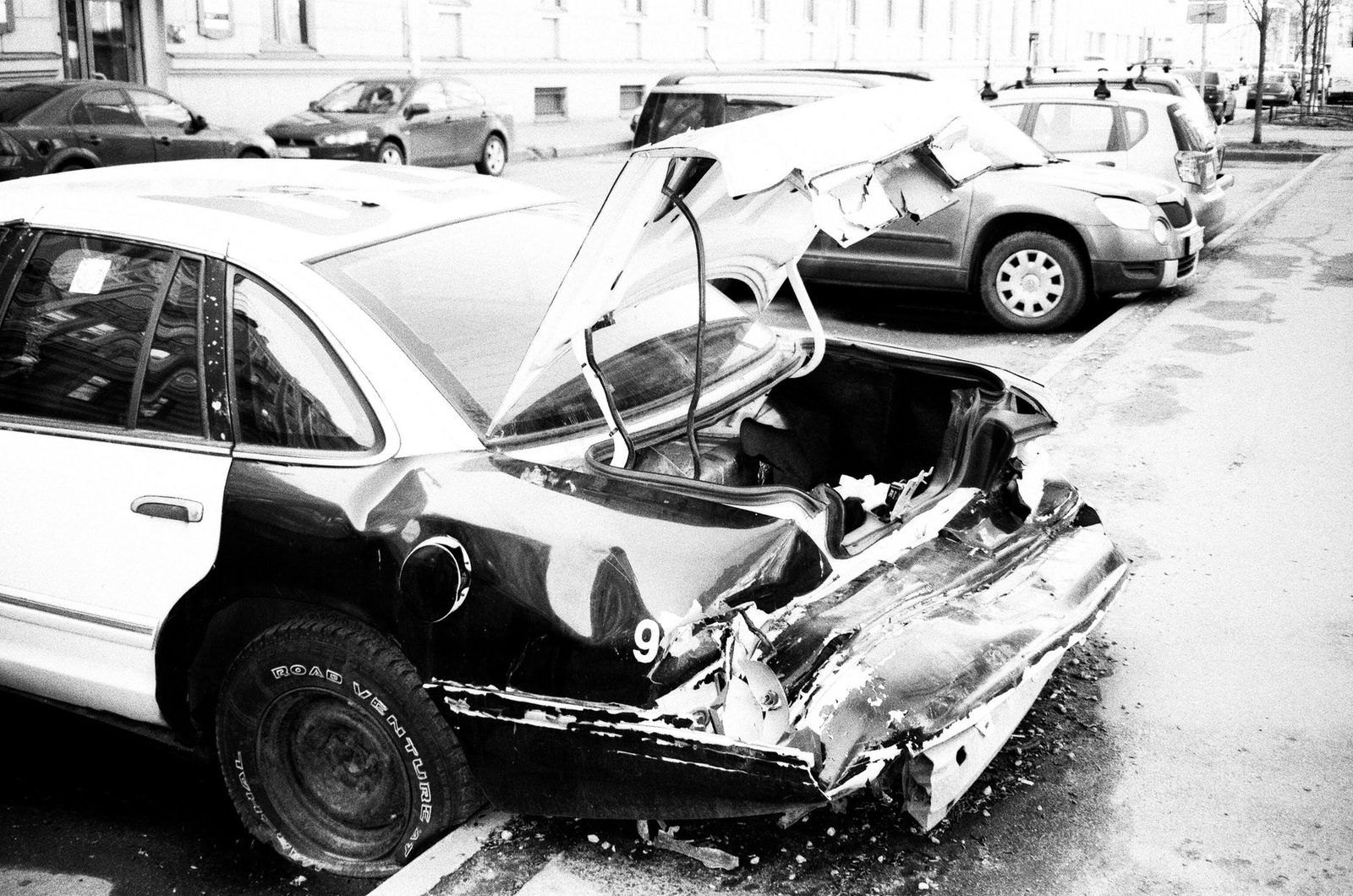
What You Can Say to the Other Driver
You can exchange basic information, describe what you saw in plain terms, and keep the conversation short and polite. That covers what the law expects at the roadside.
Louisiana law requires a driver in a crash with injury, death, or property damage over five hundred dollars to give their name, address and vehicle registration number. Upon request, and if one is available, the driver must also show a license to any person injured in the crash, to the driver or occupant of a damaged vehicle or property, or to any police officer at the scene or investigating the crash. La. R.S. 32:398 sets out these duties.
Collect these details if you can:
- Names, addresses and phone numbers
- Driver’s license and license plate numbers
- Insurance company and policy number
- Vehicle make, model and color
- The insurer’s claim number, if one is given
Describe only what you observed. That might include the lane you were in, the time of day, and the traffic signal color you saw. Ask whether anyone was hurt, and note any witness contact details they offer.
Crash reports are a practical next step.
What Not to Say at the Scene
Don’t say who caused the crash, don’t guess at speed or timing, and don’t say you’re fine until you’ve been checked. Each of these can shape how your case is viewed later.
Louisiana uses comparative fault, which divides blame by percentage. For accidents on or after January 1, 2026, a person found 51% or more at fault cannot recover damages. A smaller share reduces what they can recover. La. Civ. Code art. 2323 sets this rule. That is why a quick line like “I should have seen you” can matter later.
Apologies need care too. A simple “I’m sorry” can be heard as an admission of fault, even when you mean it as concern. You can say you hope everyone is okay without describing how the crash happened.
Some symptoms appear hours or days after a crash. So avoid calling yourself “fine” or “not hurt” before a medical provider has looked at you.
Finally, be careful online. Posts and messages about the crash or who was at fault can be shared with insurers and others. It’s safer to stay off social media about the crash.
What to Say to Insurance Companies After an Accident
Report the crash to your own insurer promptly, and stick to the facts: when, where and how it happened. Keep your description short and accurate.
The other driver’s insurer may call and ask for a recorded statement. You can ask for time to review the facts before you answer. You can also talk with a lawyer before you give any statement.
Louisiana law protects your right to a copy of your own statement. La. R.S. 13:3732 requires anyone who takes a written, recorded or transcribed statement from an injured person to provide a true and complete copy. The copy is due within twenty days after a written demand. A statement also cannot be used in a related civil case if the person holding it refused a copy request.
Keep your own record, too. Confirm details in writing when you can. Ask for copies of written communications you receive. Note the date, the caller’s name, and what was discussed for every call. Don’t sign a release or accept a quick offer until you understand what you’re agreeing to.
How to Describe Your Injuries Accurately
Describe every symptom you have, in your own words, even if it seems minor. Insurers and doctors rely on what you report, so accuracy matters more than polish.
Tell your doctor about pain, headaches, dizziness, numbness, memory trouble or sleep changes. Mention each one, even when it seems small. A symptom left out at the first visit can be hard to explain later.
Avoid estimating how long recovery will take until a provider has evaluated you. Let the medical team give the timeline. A guess made in the first days may not match what happens.
Keep appointment records and follow the treatment plan your provider recommends. Your medical records document your symptoms and treatment over time. A small notebook for new symptoms, dates and medications can help you keep track.
Handling Settlement Offers and Medical Bills
You don’t have to accept or respond to a settlement offer on the spot. Early offers can come before the full extent of your injuries is known, so take time to review them.
Medical bills raise their own questions. When a health insurer or Medicare paid a contracted provider, Louisiana law limits recovery to the amount actually paid, plus any cost-sharing amounts you paid or owe. It is not the full amount billed. La. R.S. 9:2800.27 sets out this rule.
La. R.S. 45:201.8 covers this duty.
Keep every bill, explanation of benefits and receipt. Your records will help you and your lawyer, if you choose to have one, understand the costs later.
Not sure what your next step is?
Talk it through with our team — the first consultation is free, confidential, and carries no obligation.
When a Child Was in the Crash
Use the same factual approach for a child. Get the child checked by a doctor, even if the child seems fine.
Children may not describe pain or dizziness clearly. Watch for changes in behavior, sleep, eating or headaches after the crash. Tell the child’s doctor about each change.
Parents and guardians should keep their own statements to what they saw and what medical staff told them. Avoid guessing about a child’s injuries when you speak with an insurer. Before giving a recorded statement about a child’s injuries, consider talking with a lawyer first.
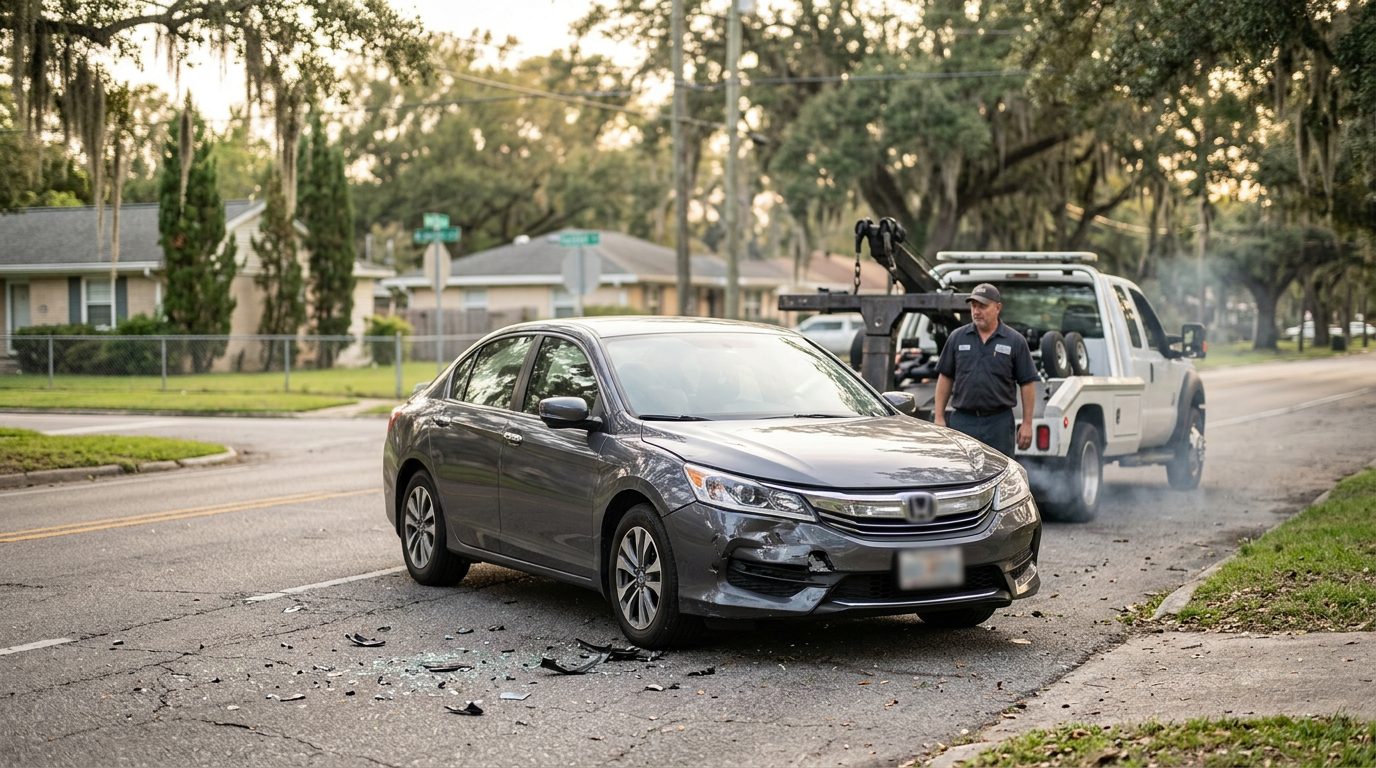
Talk With a Lawyer Before Giving a Recorded Statement
If you’re unsure what to say, talking with a lawyer before a recorded statement is a reasonable step. You may be making decisions about what to tell a driver, an adjuster or a child’s doctor while still recovering from the crash.
Przemek Lubecki is the responsible lawyer for this page. The firm’s office is in New Orleans, Louisiana. The firm may associate or refer a case to other law firms where that is likely, and the firm will tell you if that happens.
Quick answers
Do I have to give a recorded statement to the other driver’s insurer?
You can ask for time before you answer. You can also talk with a lawyer first.
Can I get a copy of my recorded statement in Louisiana?
Yes.
Does Louisiana still use comparative fault?
Yes. For accidents on or after January 1, 2026, a person found 51% or more at fault cannot recover damages.
Should I apologize after a car accident in New Orleans?
Avoid saying “I’m sorry” about how the crash happened. You can show concern for others without describing fault.
If you’re still working out what to say, or you’re helping someone you love through a crash, you don’t have to sort it out alone. Call 855-LUBECKI or request a free case evaluation for a free first consultation. It is confidential and comes with no obligation to continue.
Keeping the conversation safe
Stick to the facts
Describe what you saw, heard and felt in plain terms. Avoid guessing about speed, distance or who was at fault.
Stay polite and brief
Courtesy helps everyone, but a short, respectful exchange is enough. You do not need to discuss the details of your injuries.
Talk with a lawyer first
Przemek Lubecki and our team, with an office in New Orleans, offer a free, confidential first consultation, with no obligation to continue.
Important warning
Do not admit fault, sign anything or give a recorded statement to the other driver's insurer before speaking with a lawyer. The firm may associate or refer a case to other law firms.
What to focus on at the scene
Get to safety
If it is safe, move out of traffic and turn on hazard lights. Check yourself and your passengers for injuries first.
Gather basic information
Note the other driver's name, contact details, insurer and license plate. Ask for the same details from any witnesses.
Write it down soon
While your memory is fresh, record the time, weather, road conditions and what each driver said in your own words.
Get medical care
Some injuries appear hours or days later. A medical evaluation documents your condition and supports your health.