
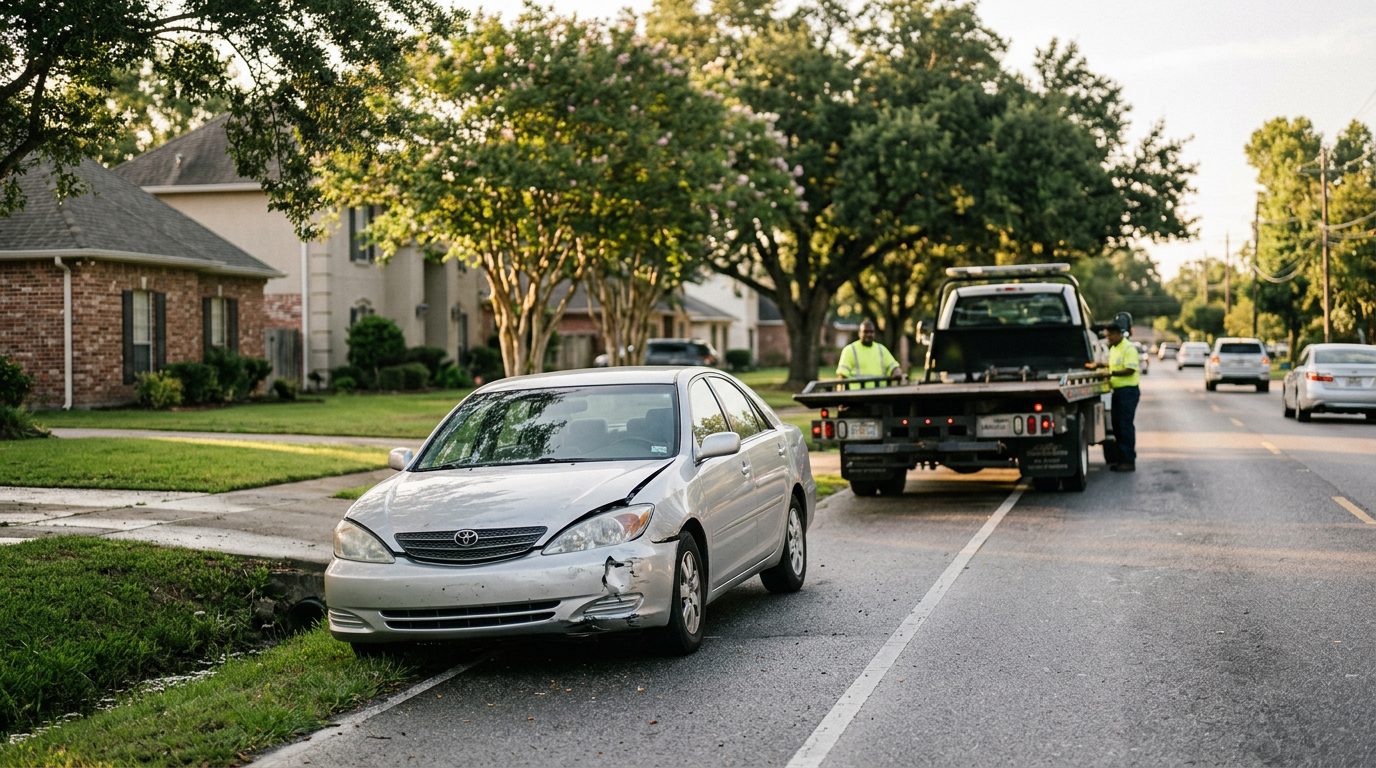
Car Accidents | New Orleans, Louisiana
Be Ready for Your New Orleans Car Accident Consultation
A few organized papers and notes can make your first conversation with Przemek Lubecki clear and productive, even if you are still recovering.
What to expect at your first meeting
Confidential conversation
What you share with our office stays private. The first consultation is free and without obligation to continue.
You do the talking
Tell us what happened in your own words. Our team will ask questions to understand the crash, your injuries and your recovery so far.
Practical next steps
We will walk through what the documents you brought show and what information may still be needed.
Your family's concerns
If the crash affected people close to you, bring their questions too. We take time to hear everyone's concerns.
By Przemek Lubecki · Published November 13, 2026
Walking into a car accident consultation can feel overwhelming, especially if you’re still sore, worried about bills or waiting on a repair estimate. You want to know what to bring and what to expect.
To prepare for a car accident consultation in New Orleans, bring the crash report or its number, your insurance information, your medical records and bills, and a short written timeline of what happened. Here is what to gather and why each item helps.
What a Free Car Accident Consultation Covers
A free car accident consultation is a confidential first meeting with no obligation to continue. It gives you time to describe what happened and ask questions about your options.
Przemek Lubecki is the responsible lawyer for this page, and the firm’s office is in New Orleans. The meeting works both ways. The lawyer learns the facts you describe, and you learn how the firm would look at your situation.
Small details can matter when the facts are reviewed, so arriving with a clear picture helps both sides. No outcome, settlement amount or timeline is promised at this first meeting. The lawyer reviews the facts you share and explains the next steps.
Not sure what your next step is?
Talk it through with our team — the first consultation is free, confidential, and carries no obligation.
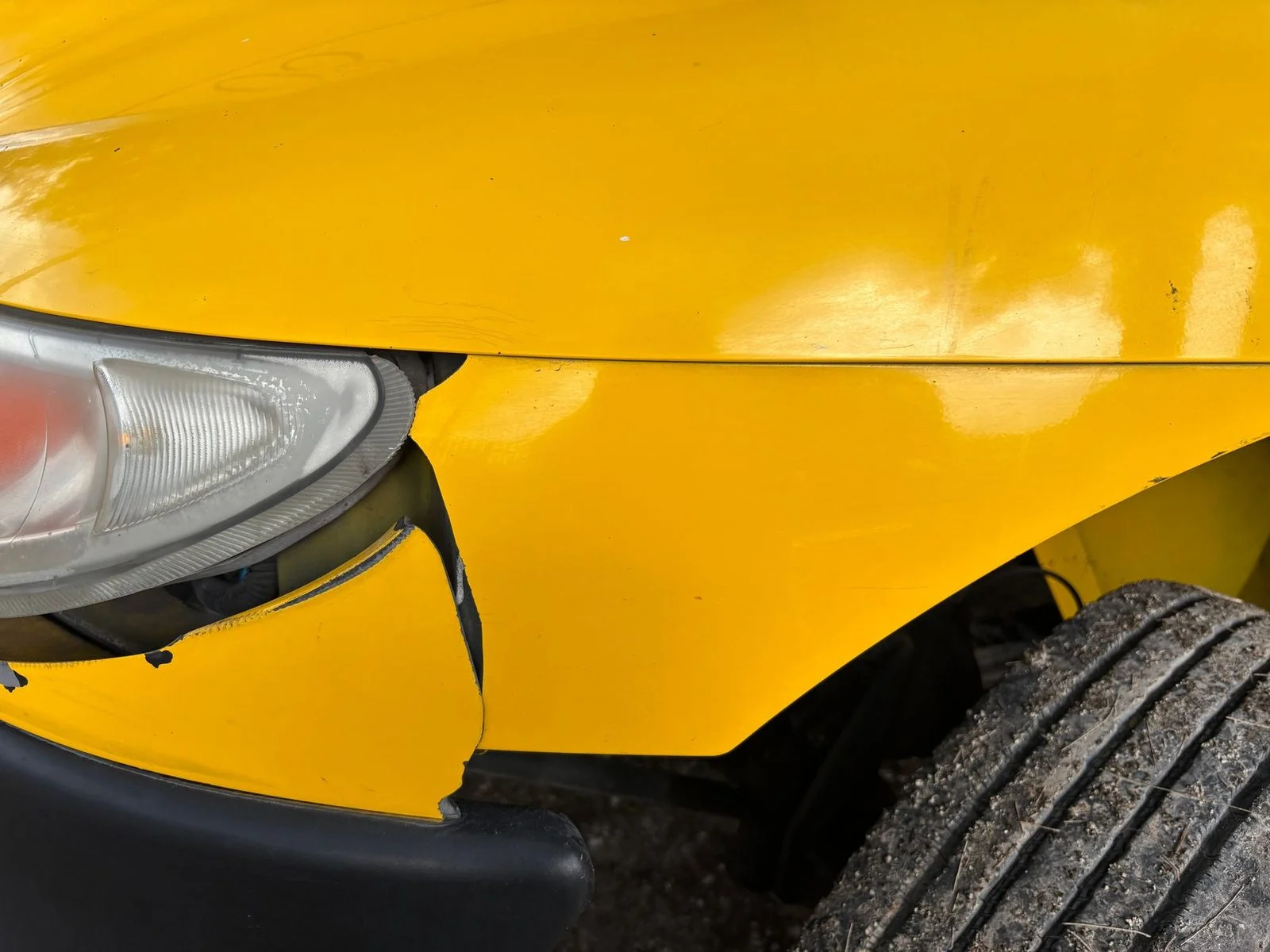
Documents and Records to Bring
Bring whatever you already have, and collect the rest as you can. Each item below helps explain the crash, your injuries or your losses.
- Crash report or report number. Under R.S. 32:398, a driver in a crash involving injury or property damage over five hundred dollars must give their name, address and registration number. On request, reports are made available only to the parties to the crash and certain other listed persons within seven working days following the completion of the crash investigation. Copy fees charged by the state police, a local police department, or a sheriff’s office are capped at five dollars for reports of two pages or less, and twenty dollars, inclusive of all service fees and other charges, for longer ones.
- Insurance details. Bring your policy, the other driver’s insurer and policy number, and any claim numbers an adjuster has given you.
- Driver’s license, registration and proof of insurance for the vehicle you were driving.
- Medical records and bills. Include discharge papers, appointment summaries, prescriptions and every provider statement. When a health insurer has paid a contracted provider, R.S. 9:2800.27 limits medical expense recovery to the amount actually paid plus your cost-sharing, not the amount billed.
- Vehicle and work records. Repair estimates, total-loss notices, rental agreements, photos taken before repairs, and pay stubs or notes about missed shifts.
- Wrongful death matters. A death certificate, hospital or rehabilitation records, and letters from treating providers.
Your Account of the Crash and the Steps Already Taken
Write a short timeline while your memory is fresh. Note the date, time, location, direction of travel, weather and road conditions, then describe what happened in order.
If you already called 911, asked for medical help or exchanged information with the other driver, write down what you did and who you spoke with. Include the other driver’s name, contact details, insurer, vehicle description and any witness names.
Take photos or video of the vehicles, the roadway, skid marks or debris, and any visible injuries. Note whether a dashcam or traffic camera may have recorded the scene.
Some injuries appear later. The Brain Injury Association of America says brain injury symptoms may be masked or delayed after a car accident, and new or lasting symptoms should be reported promptly to a health professional. Write down any headaches, memory trouble or other changes, with the date you first noticed each one.
For a commercial truck, rideshare or motorcycle crash, note the company name, any DOT number on a truck, and app trip details for a rideshare. For a hit-and-run, write down any partial license plate you saw.
Questions to Prepare and What to Avoid Saying to Insurers
Bring a short list of questions, and pause before giving any recorded statement or signing a release. A quick signature can close options before your injuries are clear.
Useful questions include how the lawyer would review your claim, who would communicate with insurers, and what the next steps look like.
The other driver’s insurer may call soon after a crash. You can ask for a copy of any recorded statement you give. Under R.S. 13:3732, a person who takes a recorded statement from an injured person must furnish a true and complete copy within twenty days after written demand.
Louisiana uses comparative fault (shared fault). Under La. Civ. Code art. 2323, if your share of fault is 51% or more, you recover nothing. If your share is less, your damages are reduced in proportion to your fault. Stick to facts, and avoid guessing about who was at fault.
Louisiana generally gives two years from the day of injury to file a delictual (tort) claim under La. Civ. Code art. 3493.1. Other deadlines can apply, and which one fits your case depends on the facts.
Bringing It Together and Taking the Next Step
You don’t need every item on this list to book a consultation. Bring what you have, and the lawyer can explain what else may help.
The firm may associate or refer a case to other law firms, and it will say so if that is likely in your case.
Frequently Asked Questions
What should I bring to a car accident consultation in New Orleans?
Bring the crash report or its number, your insurance details, medical records and bills, and a written timeline of the crash.
Is the consultation free?
Yes. The first consultation is free, confidential and without obligation to continue.
Can I get a copy of my recorded statement?
Yes. Louisiana law requires the person who took the statement to provide a copy within twenty days after written demand.
How long do I have to file a claim in Louisiana?
Louisiana generally allows two years from the injury for a delictual claim, but other deadlines can apply (La. Civ. Code art. 3493.1).
If the crash left you hurt and juggling bills, repairs or time off work, call 855-LUBECKI to speak with our New Orleans office, or request a free case evaluation.
What to bring to your consultation
Crash report or report number
If the responding police agency gave you a report or a report number, bring it. If you do not have it yet, bring any notes about where the report was filed.
Insurance information
Bring your own policy details and the other driver's insurance information, including any claim numbers and letters you have received.
Medical records and bills
Gather emergency room, doctor, therapy and pharmacy records, along with any bills, explanation-of-benefits forms and work notes.
A written timeline
Write down the date, time and place of the crash, what you remember, your symptoms day by day, and missed work or daily tasks you could not complete.
Photos and witness details
Bring photos of the vehicles, the scene and your injuries, plus names and phone numbers of anyone who saw the crash.
Be careful with insurance companies
Before you give a recorded statement or sign any form from an insurance company, talk with us first. Keep your original documents at home and bring copies to your consultation.
Referral disclosure
American Trial Lawyer, LLC may associate or refer a case to other law firms. If we do, we will tell you before any decision is made. Przemek Lubecki is the responsible lawyer for the content of this page. Our office is in New Orleans, Louisiana.
Ready to talk about your car accident? Office in New Orleans, Louisiana
Related practice areas
- Car Accident Claims in Orleans Parish
- Whiplash Claim If It Was Your Fault: Louisiana Guide