
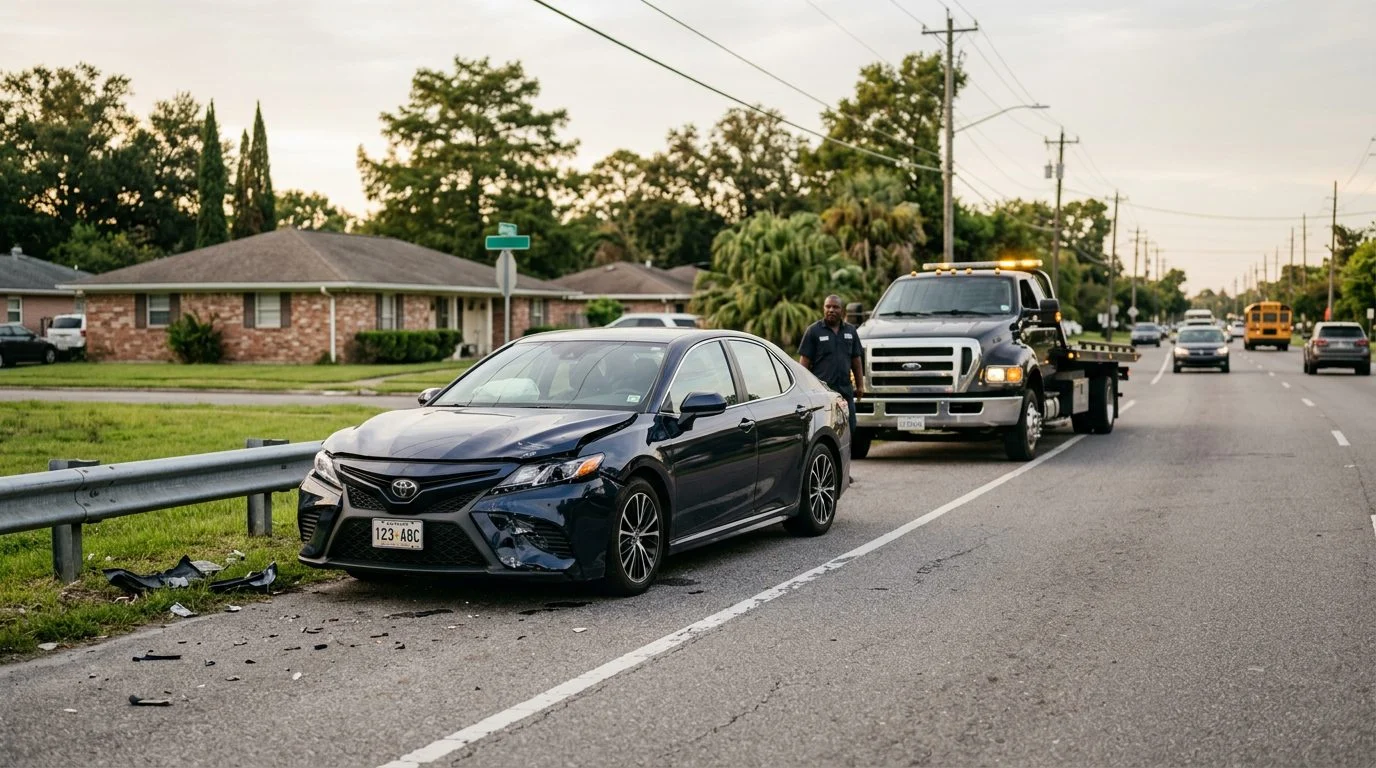
Louisiana car accident claims | New Orleans
What Shapes a Louisiana Car Accident Settlement
No two crashes or injuries are the same. Here is a plain-language look at the factors that often come up when a claim is discussed, and how our team can help you think through your own situation.
By Przemek Lubecki · Published November 12, 2026
After a crash, many people want one number: what is the average car accident settlement in Louisiana? It is a reasonable question when medical bills and repair estimates are already arriving. No single average reliably predicts a settlement. Value depends on the injuries, the fault, the insurance that applies, and the proof behind each part of the claim.
Published averages blend very different crashes into one figure. A minor collision with a few weeks of soreness can sit in the same list as a crash that leads to surgery and time away from work. One blended number rarely matches one person’s situation.
Short answer: why an average is a starting point, not a prediction
A settlement is built case by case, from the harm you can document and the facts of how the crash happened. An average cannot see your medical records, your repair bills, or the police report.
That gap matters. Two people in similar crashes can have very different claims. One may have a few days of treatment and a short recovery. The other may face ongoing care, lost work, and questions about future medical needs. Averaging those two stories tells you little about either one.
Wanting a clear figure is reasonable. You may be dealing with a damaged vehicle, a stack of bills, and an insurance company that wants a quick answer. Still, a figure you read online may describe a different type of injury, a different coverage picture, or a crash under different fault rules.
A number is most useful once you know what goes into it. The sections below explain the parts of a settlement, the factors that move its value, and the deadlines that matter most.
If you are sorting through a crash you did not choose, we can talk through what your situation could involve in a free, confidential consultation. Talk it through with our team — the first consultation is free, confidential, and carries no obligation.
What a car accident settlement is made of
A car accident settlement usually covers two broad kinds of loss: economic and non-economic damages. Louisiana law requires the person who caused harm to repair it. Louisiana Civil Code article 2315 states that rule: an act that causes damage to another obliges the person by whose fault it happened to repair it.
Economic damages are money losses you can measure. They include past medical bills, future medical bills only when they are directly related to a manifest physical or mental injury or disease, lost wages and lost earning capacity, vehicle repair or replacement, and other documented out-of-pocket costs.
Non-economic damages are harder to measure. They include pain and suffering, emotional distress, and loss of enjoyment of life. Each category needs proof. Medical records, bills, pay stubs, repair estimates, and a clear account of daily life after the crash all help show what happened.
Medical bills need a closer look. When a health insurer or Medicare paid a contracted provider, recovery is limited to the amount actually paid plus cost-sharing, not the amount billed. La. R.S. 9:2800.27 sets this rule, and at a trial to recover past medical expenses paid by a health insurer or Medicare to a contracted provider, the judge or jury must hear both the billed and paid amounts. A number built on billed charges can overstate the medical part of a claim.
Louisiana also limits future medical costs. Under article 2315, they are not included unless they are directly related to a manifest physical or mental injury or disease.
Factors that influence the value of a Louisiana car accident claim
Four things drive most of the difference between claims: the injuries, the fault, the insurance, and the evidence.
Injuries come first. Severity matters, along with how long treatment lasts and whether doctors expect future care. Steady treatment, as medically advised, makes an injury easier to follow in the records.
Fault comes next, and the date of the crash decides which rule applies. For accidents on or after January 1, 2026, Louisiana uses modified comparative fault. Someone found 51% or more at fault recovers no damages. Someone found less than 51% at fault has damages reduced in proportion to their share. La. Civ. Code art. 2323 sets out the rule. Fault is measured across everyone who contributed, including people who are not parties to the suit.
Under article 2324 of the Louisiana Civil Code, a joint tortfeasor shall not be liable for more than his degree of fault. The exception is conspiring with another person to commit an intentional or willful act, which makes you answerable in solido for the resulting damage.
Insurance sets the ceiling. The at-fault driver’s policy limits often cap what that policy pays. Your own coverage can matter too. Under La. R.S. 22:1295, uninsured motorist coverage on the vehicle you were riding in is primary. Some policies are economic-only, which exclude pain, suffering, and other noneconomic loss.
Evidence completes the picture. Photographs and video can be requested from the investigating agency for a reasonable fee. La. R.S. 32:398 sets out a driver’s duty to give notice of a crash involving injury, death, or property damage over five hundred dollars, and requires the investigating agency to forward a copy of the crash report to the Department of Transportation and Development within forty-eight hours after completing the investigation.
Louisiana filing deadlines and why timing matters
Louisiana generally gives two years from the day of injury to file most delictual (tort) claims, including many car accident injury claims. La. Civ. Code art. 3493.1 sets that two-year period for injuries sustained after July 1, 2024.
The article also has exceptions. A time limit should be checked early rather than assumed.
Filing a lawsuit matters too. Under article 3462, filing in a court with competent jurisdiction and venue interrupts prescription. If the case is filed in a competent court but an improper venue, prescription is interrupted only for a defendant served by process within the prescriptive period, and is suspended for seven days as to a defendant not served by process within that period. Claims against public bodies can follow different rules, which is another reason to review the facts early.
Timing is also practical. Waiting can make it harder to gather crash reports, witness contact details, and complete medical records while they are still fresh. Early records give a claim a clearer starting point.
Why claims involving trucks or commercial vehicles can differ
Truck and commercial vehicle crashes often involve more parties than a typical car crash. The driver, the company that runs the vehicle, the vehicle owner, and sometimes others can each play a role in who is responsible and which insurance applies. Under article 2324, each at-fault person is generally answerable for their own share, so identifying every party early matters.
Commercial cases can also involve records beyond the police report. These may include driver logs, maintenance histories, and company policies. Those records can shape how fault is presented, so they often become part of the review.
American Trial Lawyer handles truck accident and commercial vehicle accident matters. The firm may associate or refer a case to other law firms when that helps the client.
A crash with a company vehicle can involve a commercial insurer instead of a personal policy. The fault and coverage questions above often need a closer look in these cases.
Net recovery: what the number in the headline does not show
A gross settlement is not the same as the amount an injured person keeps. Attorney fees come out of a recovery. You may owe case costs and expenses in addition to the fee.
Medical bills, liens, and reimbursement claims may also need to be resolved before money is paid out.
If Medicare is involved, the order of payment matters.
If your own uninsured motorist coverage paid, that insurer may be entitled to the proceeds of a later settlement, to the extent of its payment, under La. R.S. 22:1295.
The net amount depends on these pieces, which is why a gross figure alone tells you little.
Not sure what your next step is?
Talk it through with our team — the first consultation is free, confidential, and carries no obligation.
Frequently asked questions
What is the statute of limitations for a personal injury lawsuit in Louisiana?
Louisiana generally gives two years from the date of injury for most delictual claims, with some exceptions. See La. Civ. Code art. 3493.1.
Do future medical costs count in a Louisiana car accident claim?
Only when they are directly related to a manifest physical or mental injury or disease, under article 2315.
Does filing a lawsuit stop the deadline?
Filing in a court with competent jurisdiction and venue interrupts prescription under article 3462. If venue is improper, only defendants served in time are covered; if the court is competent but venue is improper, prescription is suspended for seven days as to defendants not served in time. article 3462
How does my share of fault affect a claim?
For crashes on or after January 1, 2026, a claimant found 51% or more at fault recovers nothing, and lower shares reduce damages, under article 2323.
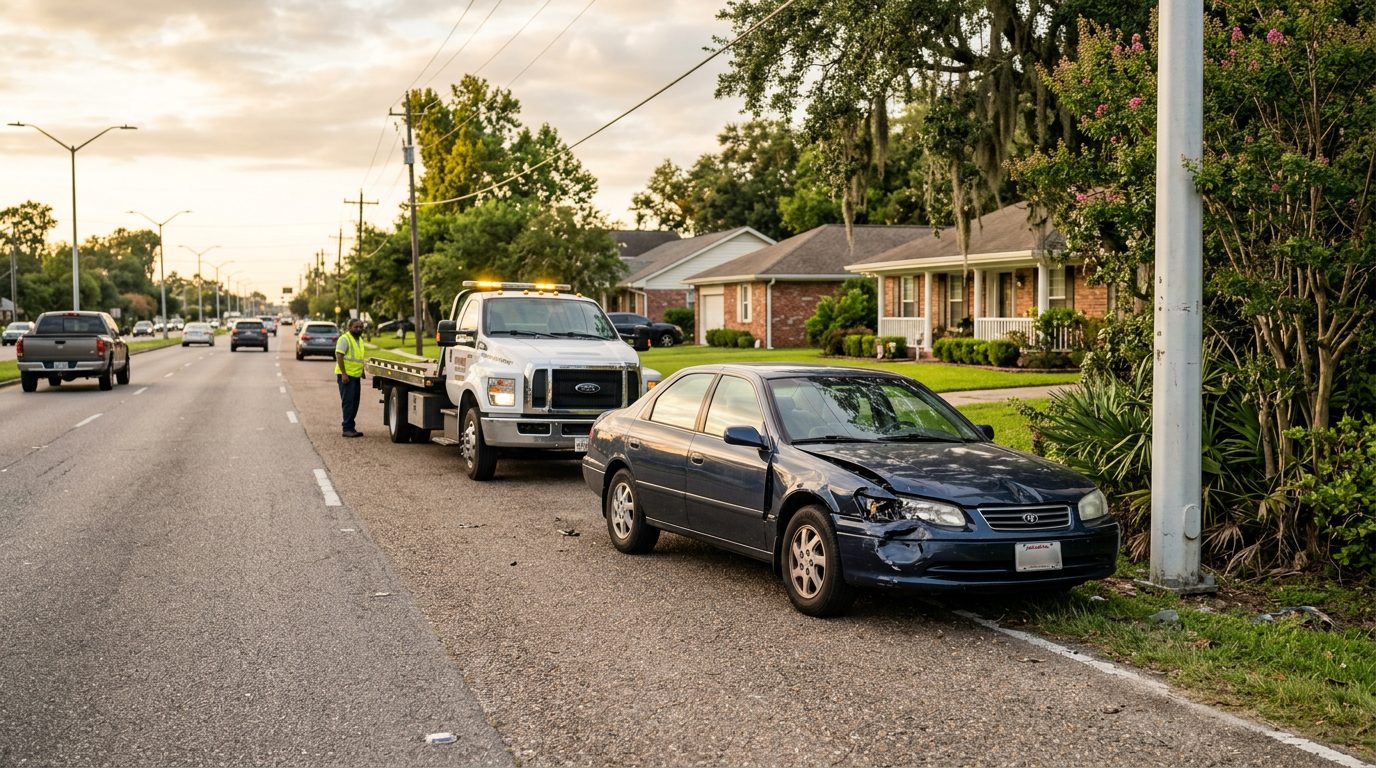
Talk with a New Orleans trial lawyer about your situation
If you’re reading this after a crash, you may be dealing with pain, a damaged vehicle, and bills that keep arriving. You may also be trying to understand a claim for someone you love who was hurt.
If you want to talk through what your situation could involve, call 855-LUBECKI or request a free case evaluation. The first consultation is free, confidential, and without obligation to continue.
Przemek Lubecki is the responsible lawyer for this page’s content. The firm’s office is in New Orleans.
Why people bring their crash questions to our firm
Trial lawyer leading the matter
Przemek Lubecki is the responsible lawyer for this page. He is a trial lawyer, and the firm's work is based at our New Orleans office.
Serving Greater New Orleans and Louisiana
We represent people hurt in truck, commercial vehicle and car crashes, and families in wrongful death cases, across Orleans Parish, the New Orleans metro and the rest of Louisiana.
Referral to other firms
Our firm may associate or refer a case to other law firms when that is appropriate. Any such arrangement will be explained to you.
Plain-language answers
We take time to explain the process in terms you can follow, so you can make decisions with clear information.
Before you give a statement or sign anything
Insurance adjusters may ask for a recorded statement or a signed release soon after a crash. Before you agree to either, consider speaking with a lawyer about what you are being asked to give up.
Common areas we review with clients
Your injuries and treatment
Medical records, diagnoses and the course of your care help show how the crash has affected your health.
Lost income and work limits
Missed shifts, reduced hours or changes to the work you can do are all part of the picture.
Ongoing care and daily life
Future treatment, therapy and the everyday tasks that have become harder can matter as much as bills already paid.
Insurance coverage
Policy limits, the vehicles involved and the coverage available can shape what a claim looks like in practice.