
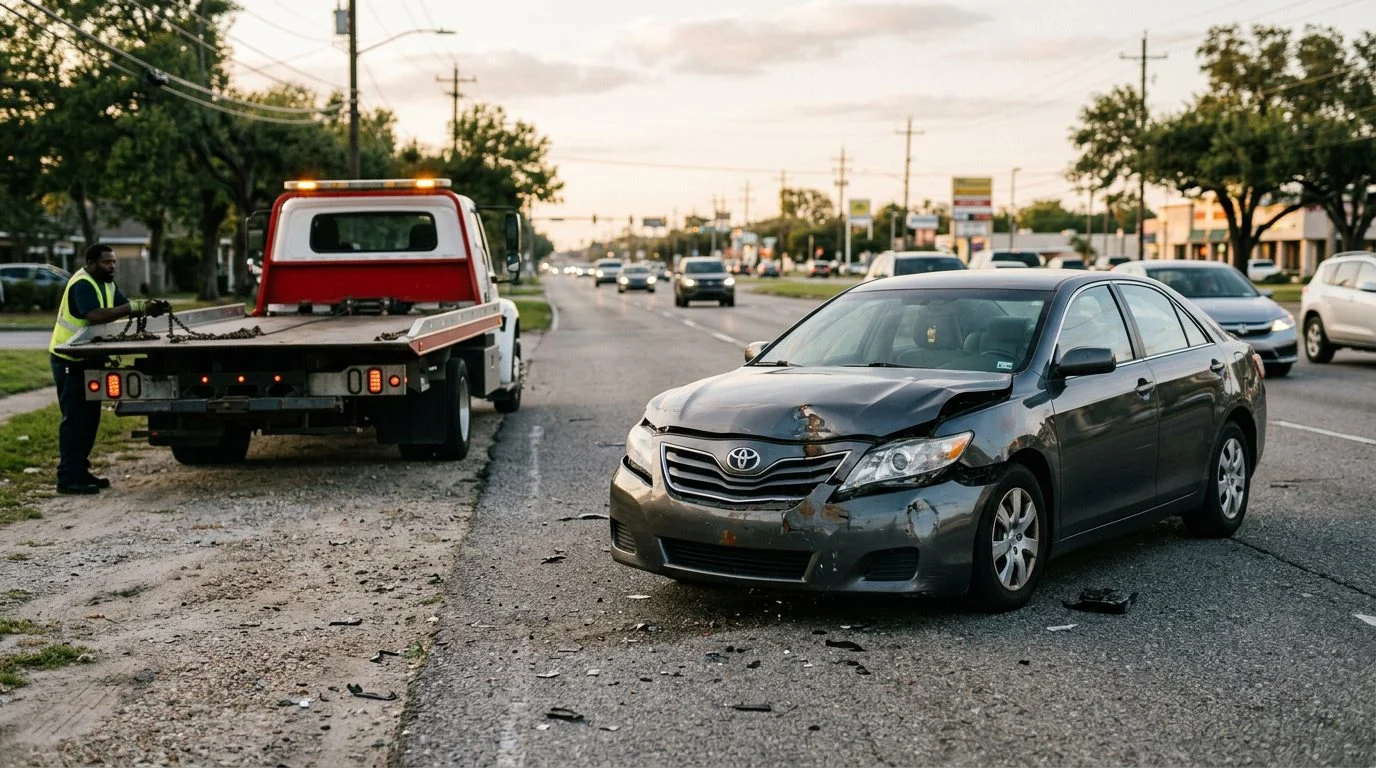
Car Accidents · Tulane Avenue, New Orleans
Hurt in a Car Crash on Tulane Avenue? Talk With Przemek Lubecki
American Trial Lawyer, based in our New Orleans office, represents people injured in car accidents on Tulane Avenue and across Orleans Parish. Your first consultation is free, confidential and without obligation to continue.
By Przemek Lubecki · Published October 30, 2026
This guide explains the Tulane Avenue car accident claim New Orleans families need to understand. A claim usually starts with one question: who caused the crash? In Louisiana, a claim asks the at-fault driver, and often that driver’s insurer, to pay for the harm the crash caused. This guide covers how these claims work, what Louisiana law says about fault and deadlines, and what to do after a crash.
What a Tulane Avenue car accident claim is and who it is for
A car accident claim is a request for payment from the driver who caused the crash, and usually from that driver’s insurer. It can cover injuries, vehicle damage and other losses the crash caused.
Tulane Avenue is a major Mid-City road with traffic signals, side streets and frequent turning vehicles. Crashes there can involve two cars, a federal commercial vehicle rules truck or commercial vehicle, a motorcycle or a rideshare car. Each type can raise different questions about who was at fault.
This page is written for three kinds of readers. The first is a driver or passenger who was hurt. The second is a motorcyclist or other road user hurt in a vehicle crash. The third is a family member handling a claim after a loved one died.
Our team handles car, truck, commercial vehicle, rideshare, motorcycle, wrongful death and brain injury matters.
If you're still sorting out what happened on Tulane Avenue, you don't have to handle the claim alone, and a free, confidential conversation can help you see your options. Talk it through with our team — the first consultation is free, confidential, and carries no obligation.
What a Tulane Avenue car accident claim can cover
A claim can seek payment for the losses the crash caused. Louisiana law says a person whose fault causes damage must repair it (La. Civ. Code art. 2315).
Common categories include:
- Medical care: emergency treatment, hospital stays, surgery, imaging, therapy and medicine.
- Lost income: missed work and lost ability to earn when injuries limit what you can do.
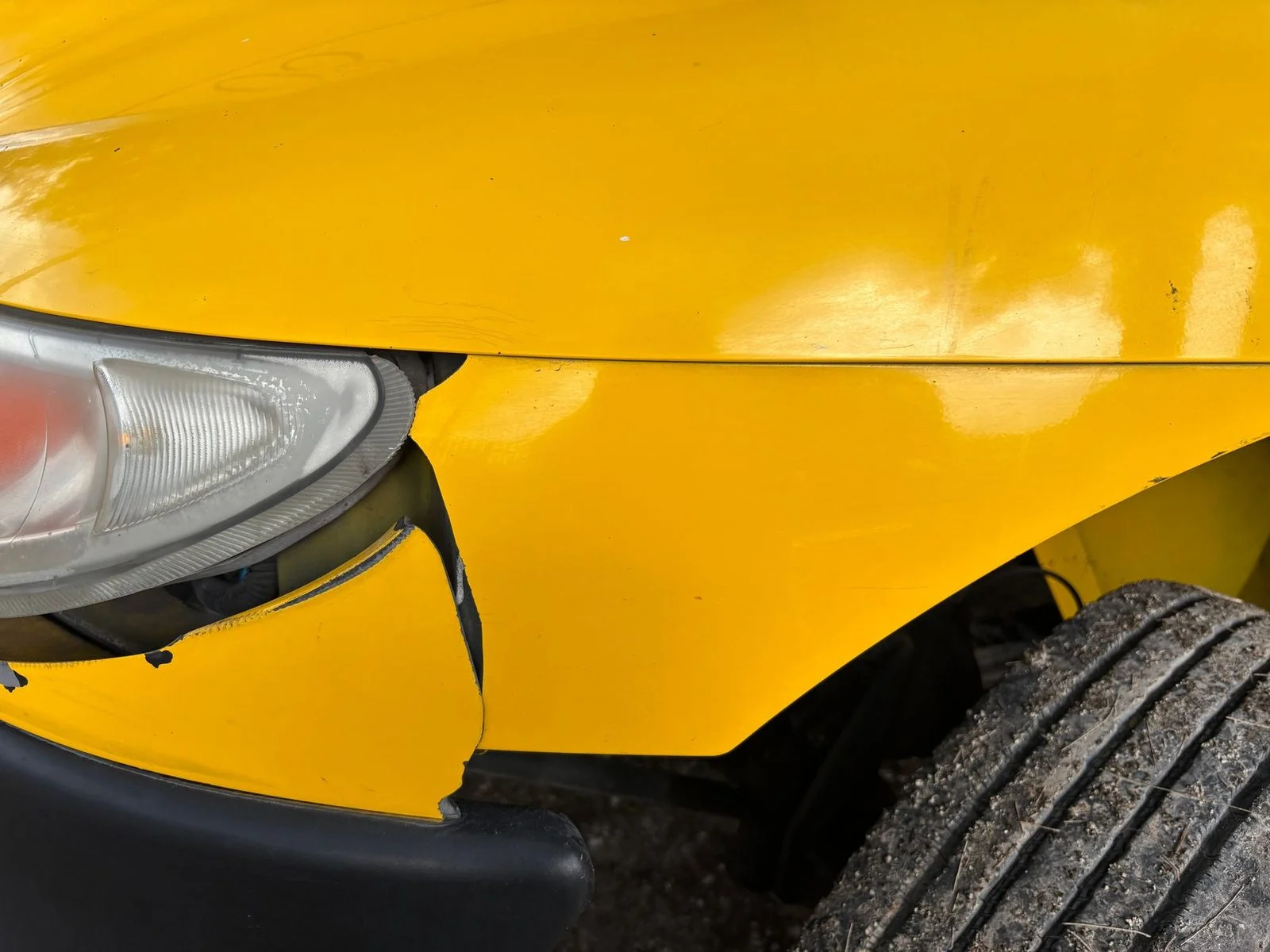
- Vehicle and property: repair or replacement, plus sales tax paid on that repair or replacement.
- Pain and suffering: harm to your daily life and well-being, judged on the facts of your injuries.
- Future care: Louisiana law generally excludes future medical costs unless they are directly related to a manifest physical or mental injury (La. Civ. Code art. 2315).
How medical bills are counted also matters. Brain injuries can need long-term care, so the full medical picture often takes time to become clear.
How fault is shown in a Tulane Avenue crash
Fault is shown with evidence that the other driver’s negligence, meaning carelessness, caused the crash. Louisiana law makes a person responsible for damage caused by negligence, imprudence or want of skill (La. Civ. Code art. 2316).
Typical fault issues at busy intersections include:
- Turning across traffic without yielding.
- Running a red light or stop sign.
- Following too closely. Louisiana law says a driver must not follow more closely than is reasonable and prudent (La. R.S. 32:81).
- Distracted driving or unsafe lane changes near intersections.
Useful evidence includes the crash report, photos and video, vehicle damage, witness names and medical records that link injuries to the crash. Evidence can get harder to find over time, so early attention helps keep the facts clear.
Louisiana uses a modified comparative fault rule, meaning shared fault. Under La. Civ. Code art. 2323, a person whose own negligence is equal to or greater than fifty-one percent is not entitled to recover damages. Under La. Civ. Code art. 2323, if the negligence attributable to a person who suffers injury, death, or loss is less than fifty-one percent, the amount of damages recoverable is reduced in proportion to that negligence.
How a Tulane Avenue car accident claim works, step by step
Most claims follow the same general path: medical care, evidence, a claim to the insurer and, if needed, a lawsuit.
- Get medical care and keep records. Follow treatment advice. Keep bills, prescription receipts and notes about your symptoms.
- Talk with a lawyer. Our team can review the facts, your injuries and any insurance contacts. The first consultation is free, confidential and without obligation.
- Investigation and demand. The claim is documented and presented to the insurer. Many claims are resolved through negotiation.
- Lawsuit if needed. If the claim cannot be resolved, a lawsuit may be filed. Timelines vary with the case.
If you give a recorded or written statement, ask for a copy. Under La. R.S. 13:3732, the person who took it must provide a complete copy within twenty days after a written demand.
The firm may associate or refer a case to other law firms when that is appropriate.
Louisiana deadlines and what to avoid after a crash
Under La. Civ. Code art. 3493.1, delictual (tort) actions are subject to a two-year filing deadline that starts on the day injury or damage is sustained. That covers many car accident injury claims. The law has exceptions, so the facts decide which deadline applies.
If the other driver had no insurance, a separate rule can apply. La. R.S. 9:5629 sets a two-year period from the accident date for claims under uninsured motorist provisions.
Avoid these common mistakes:
- Don’t sign a release or accept an early offer before you know the full extent of your injuries.
- Don’t give a recorded statement without understanding what you’re agreeing to.
- Be careful with social media posts about the crash, your activities and your injuries.
- Keep receipts, mileage logs and records of time missed from work.
If a Tulane Avenue crash caused a death
After a fatal crash, certain surviving family members may bring a wrongful death claim under Louisiana law. The law sets an order for who may sue.
Under La. Civ. Code art. 2315.2, a surviving spouse and children may sue first. If there is no spouse or child, the surviving father and mother, or either of them, may sue; a father or mother who has abandoned the deceased during his minority is deemed not to have survived him. Then surviving siblings, and then grandparents, may sue depending on who survived.
The same article says the wrongful death right of action prescribes one year from the death or two years from the injury, whichever is longer, except that for medical malpractice actions it prescribes one year from the death.
Helpful records include the crash report, medical examiner or coroner findings, funeral bills, and records of the person’s income and household help.
Not sure what your next step is?
Talk it through with our team — the first consultation is free, confidential, and carries no obligation.
Why talk with American Trial Lawyer about your Tulane Avenue crash
Przemek Lubecki is the responsible lawyer for this page. The firm’s office is in New Orleans, Louisiana.
The firm serves Orleans Parish, the New Orleans metro area and Louisiana. It handles car, truck, commercial vehicle, rideshare, motorcycle, wrongful death and brain injury matters. That range lets the firm look at a crash from several angles, including the type of injury and who may be responsible.
The first consultation is free, confidential and without obligation. You can ask about fault, deadlines and options before you decide anything.
No lawyer can promise an outcome, and each case turns on its own details.
Frequently asked questions about Tulane Avenue car accident claims
Can I make a claim if the other driver left the scene?
Louisiana has separate rules for uninsured drivers. The facts decide which options apply.
Do I have to go to court?
Many claims resolve without a trial. Some need a lawsuit, and the timeline varies.
What if I was partly at fault?
Under Louisiana’s comparative fault rule in La. Civ. Code art. 2323, a person whose share of negligence is less than fifty-one percent may still recover damages, reduced in proportion to that share.
What is the deadline?
For most injury claims, Louisiana generally allows two years from the day of injury (La. Civ. Code art. 3493.1). A wrongful death claim has its own filing deadline under La. Civ. Code art. 2315.2(B): the right of action prescribes one year from the date of death or two years from the date of injury, whichever is longer.
Do I need a consultation to start?
No. The first consultation is free, confidential and without obligation.
If you’re still sorting out what happened on Tulane Avenue, you don’t have to handle the claim alone. Call 855-LUBECKI for a free consultation, or request a free case evaluation.
What you can expect when you contact our office
A direct conversation
Call 855-LUBECKI and speak with our team about what happened on Tulane Avenue and what you are dealing with now.
Focus on your protection
We look closely at the crash facts, the insurance involved and the steps needed to protect your claim while you recover.
Clear, plain-language guidance
We explain each stage of a car accident claim in terms you can follow, so you can make informed decisions.
Attention to your recovery
We understand that injuries affect your work, your family and your daily life, and we keep those concerns in view.
Steps that may help after a Tulane Avenue crash
Get medical care
Seek evaluation for any injury, even if symptoms seem minor at first. Keep every appointment and written record.
Document the scene
If you can, note the location, time, traffic conditions, and photos of vehicles, signals and roadway.
Gather information
Save the other driver's details, witness contact information, and any police report number.
Talk with our office
Share your account with Przemek Lubecki in a free, confidential consultation before you speak with an insurance adjuster.
Case referrals
Depending on the facts of your crash, Przemek Lubecki may associate with or refer your case to other law firms. Any such arrangement will be explained to you before you decide how to proceed.