
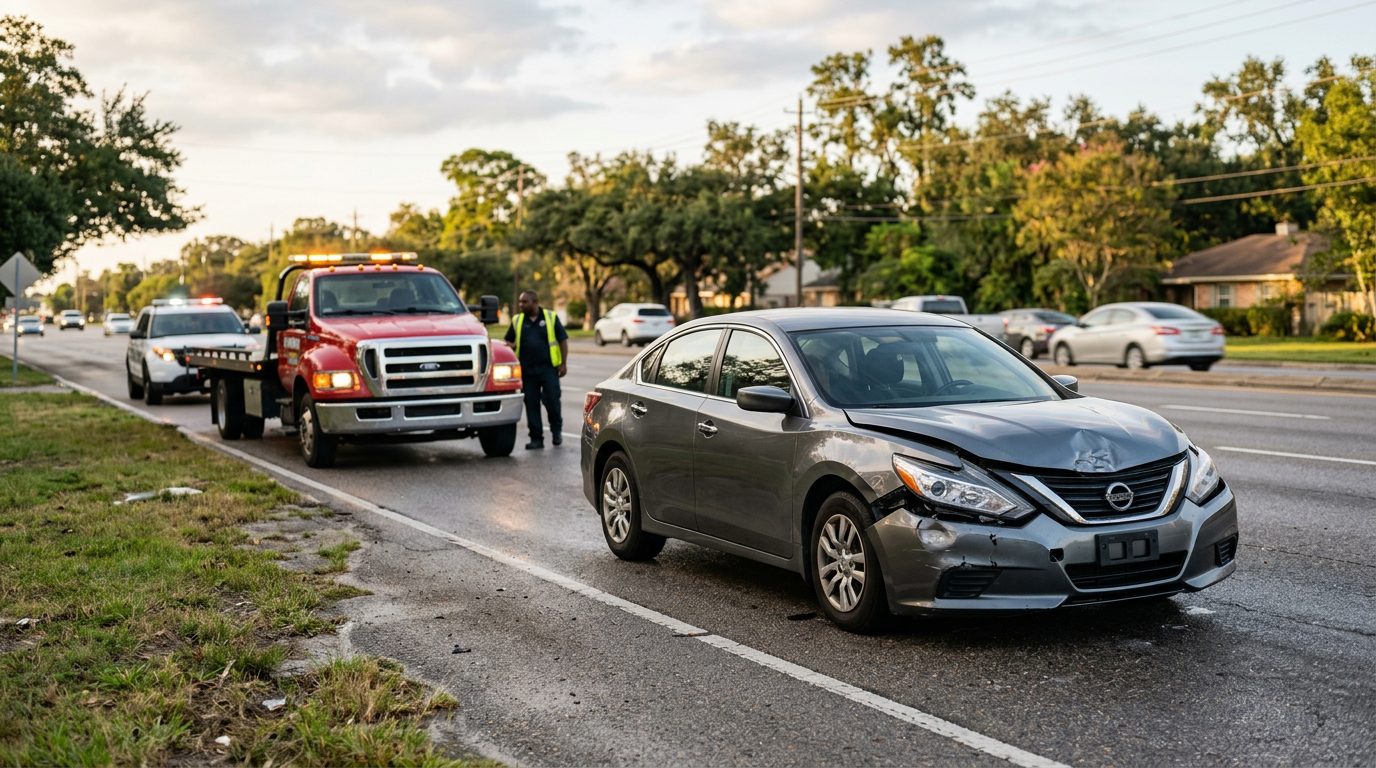
Car Accidents | New Orleans, Louisiana
Hurt by a Driver With Not Enough Insurance? Understand Your Options
Przemek Lubecki and our team help people injured in Louisiana car crashes make sense of underinsured motorist (UM) coverage, from the at-fault driver's policy to your own. Office in New Orleans.
By Przemek Lubecki · Published October 21, 2026
If the at-fault driver’s insurance can’t cover your losses, your own auto policy may help. In Louisiana, that protection is called underinsured motorist (UIM) coverage. Many injured people learn about it only after the other insurer offers a limit that doesn’t cover their medical bills. This guide explains how an underinsured motorist car accident claim Louisiana drivers and passengers use works, what it can include, and what can slow it down. It is general information, and each claim turns on the facts and your policy wording.
What an underinsured motorist claim is and who it can help
An underinsured motorist claim is made under your own auto policy when the at-fault driver’s liability limits are too low to cover your losses. Louisiana law generally requires auto policies to include uninsured motorist coverage unless the named insured rejects it, selects lower limits, or selects economic-only coverage. The rule is in La. R.S. 22:1295, which also covers underinsured motor vehicles.
Uninsured coverage applies when the at-fault driver has no insurance. Underinsured coverage applies when the driver has some insurance, but not enough. Your own liability coverage pays for harm you cause to others. It does not pay for your injuries.
The coverage can protect people insured under your policy. That often includes family members and sometimes passengers. Who counts as an insured depends on the policy definitions and the facts of the crash.

Not sure what your next step is?
Talk it through with our team — the first consultation is free, confidential, and carries no obligation.
What the coverage can include
Louisiana law treats noneconomic loss as any loss other than economic loss, such as pain, suffering, and mental anguish. La. R.S. 22:1295 allows economic-only coverage that excludes all noneconomic loss at a reduced premium. That choice matters.
Check your declarations page. It shows your UIM limit, which generally sets the ceiling for that policy. Which insurance applies to an occupant of a vehicle you do not own depends on the facts of the crash and the policies involved.
Families may have claims too. Loss of consortium, service, and society can be recovered by the same people who could bring a wrongful death claim. See La. Civ. Code art. 2315.
How the claim usually moves, step by step
The claim usually moves from the at-fault driver’s insurer to your own insurer. These steps help you start strong.
- Get medical care and keep records. Save every bill, record, and work-absence note tied to the crash.
- Get the crash report. Under La. R.S. 32:398, crash reports are confidential. Parties, their insurers, and their attorneys can get them, along with others the statute lists, such as healthcare providers who rendered services and news-gathering organizations that request documents related to a specific crash, upon request, within seven working days following the completion of the crash investigation. Fees are capped at five dollars for reports up to two pages.
- Record the at-fault driver’s insurance. The officer must tell each driver to report the liability carrier and the agent’s contact details to anyone hurt.
- Present the claim to the at-fault insurer. Ask for the liability limits and the claim status in writing.
- Notify your own insurer. Policies set their own notice rules, so review them before you call.
- File suit if needed. If the claim can’t be resolved, a lawsuit can protect your rights and move the case toward trial.
Deadlines and common obstacles
Louisiana deadlines start running on the date of the crash, and missing one can end your claim. Under La. R.S. 9:5629, actions under uninsured motorist provisions prescribe two years from the accident. The general two-year period for injury claims is in La. Civ. Code art. 3493.1. Wrongful death timing differs. La. Civ. Code art. 2315.2 sets one year from the death or two years from the injury, whichever is longer, except for medical malpractice actions, which prescribe one year from the death of the deceased.
Shared fault can also reduce recovery. Under La. Civ. Code art. 2323, as amended effective January 1, 2026, if an injury, death, or loss results partly from the injured person’s own negligence and partly from the fault of another person, and the degree or percentage of negligence attributable to the injured person is equal to or greater than fifty-one percent, that person shall not be entitled to recover damages. A smaller share reduces recovery in proportion.
Common obstacles include:
- Disputes over who caused the crash.
- Disputes over how serious the injuries are.
- Gaps in treatment that an insurer may question.
- Medical bills paid by health insurance. Under La. R.S. 9:2800.27, when a health insurer or Medicare has paid a contracted medical provider, recovery is generally limited to amounts actually paid and cost sharing, not the amount billed.
Why American Trial Lawyer for this claim
Przemek Lubecki is the responsible lawyer for this page. American Trial Lawyer, LLC works from its New Orleans office. Mr. Lubecki is a trial lawyer, so the firm’s approach is trial-focused. A contested insurance claim is prepared as if it may go to court.
Our team includes support staff who help with records, coordination, and communication with insurers. The firm serves people in Orleans Parish, the New Orleans metro area, including Metairie, Jefferson Parish, Kenner, St. Bernard Parish, and Slidell, and across Louisiana.
The firm may associate or refer a case to other law firms.
Questions people ask before filing
Do I claim against the at-fault driver first?
Usually, yes. Your UIM coverage applies when that driver’s limits fall short.
Am I covered as a passenger?
It may be. Coverage depends on how your policy defines an insured.
Do I need a lawyer?
Insurer negotiations and deadlines can be complicated. A lawyer can handle those steps for you and track the dates.
Is the first consultation free?
Yes. The first consultation is free, confidential, and carries no obligation to continue. You may owe case costs and expenses in addition to any fee.
Have questions about what happened?
Ask our team directly. The first conversation is free, confidential, and there is no obligation to continue.
Next steps after a crash
Start a file now and keep it complete.
- Medical records and bills.
- The crash report number and a copy of the report.
- The at-fault driver’s insurance details and stated limits.
- Your declarations page showing your UIM limit.
- Photos, witness names, and vehicle damage records.
- A log of lost work and every insurer call, with dates and claim numbers.
Don’t sign a release or accept a limits offer until you have reviewed your own UIM coverage. A release can end rights you may need later.
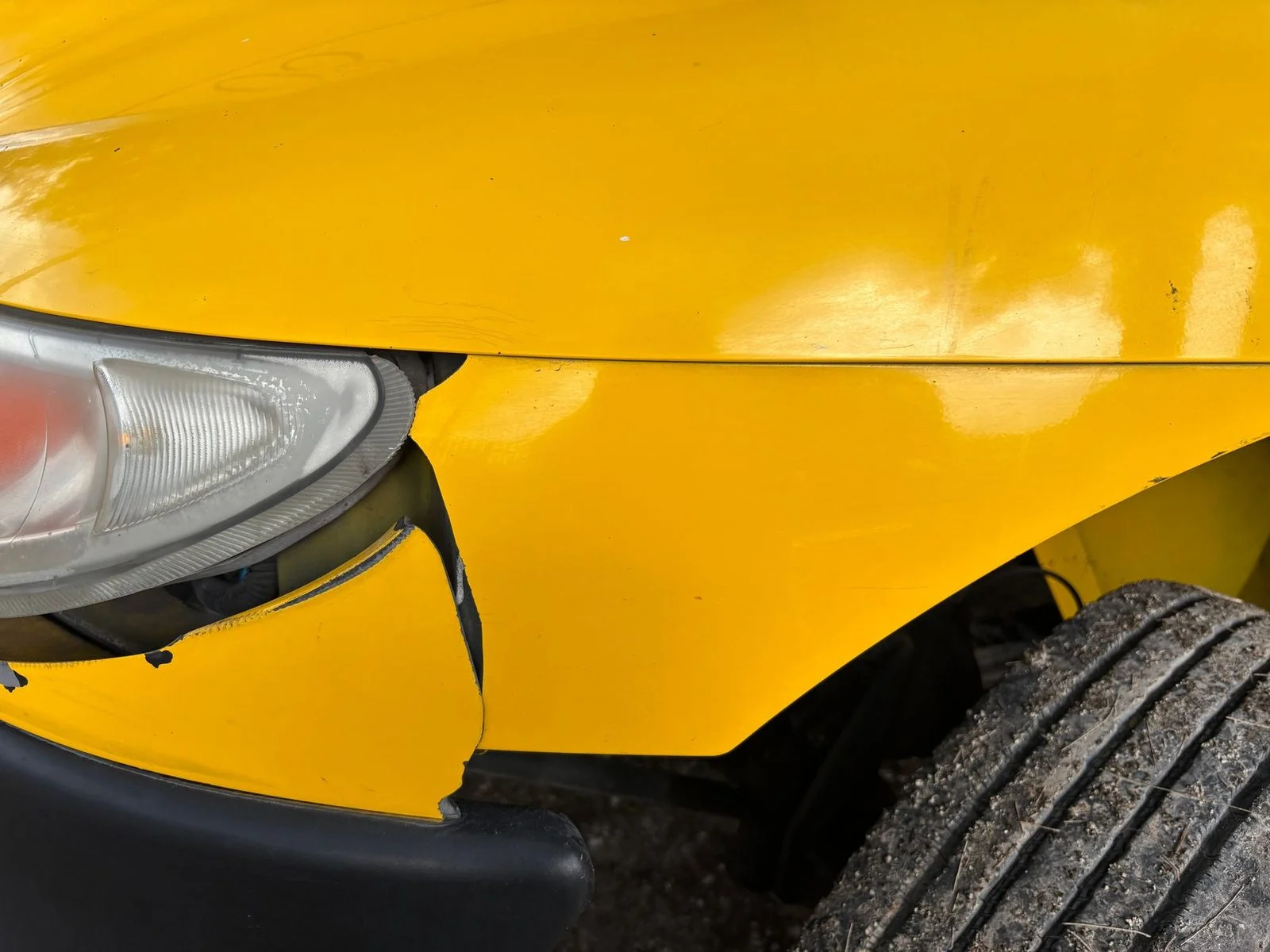
Talk with a New Orleans trial lawyer about your claim
If the other driver’s limits may not cover your injuries or your family’s loss, you may have a claim under your own policy. You don’t have to sort it out alone. Request a free case evaluation or call 855-LUBECKI for a free consultation with our New Orleans office. You may owe case costs and expenses in addition to any fee.
How our office approaches underinsured motorist claims
Clear review of your policies
We look at the at-fault driver's liability limits and your own UM coverage so you can see how the pieces fit together.
Plain-language answers
Insurance terms can be confusing. We explain your coverage options in everyday language before you make decisions.
Attention to insurer tactics
Insurers may request recorded statements or make early offers. We help you understand what to say and what to hold off on.
Support for families
When a crash affects a whole household, we work to keep the questions, paperwork and communication manageable.
Talk with a lawyer before you accept an offer
Insurance companies often move quickly after a crash. Before you sign a release, give a recorded statement, or accept a settlement offer, contact our office to review your situation.
Steps that can help you prepare
Keep your records
Save the police report, photos, medical records, bills and any letters from insurance companies.
Know who insures you
Gather your own auto policy declarations page so the UM coverage and limits are easy to review.
Track your treatment
Keep appointments and notes about your symptoms, work limitations and daily challenges.
Ask before you respond
Contact our office before giving detailed statements or signing papers from an insurer.
Call 855-LUBECKI or request a case evaluation to talk with Przemek Lubecki. Office in New Orleans.
Want to know where you stand?
Tell us what happened and our team will walk you through the options available to you, at no cost.