
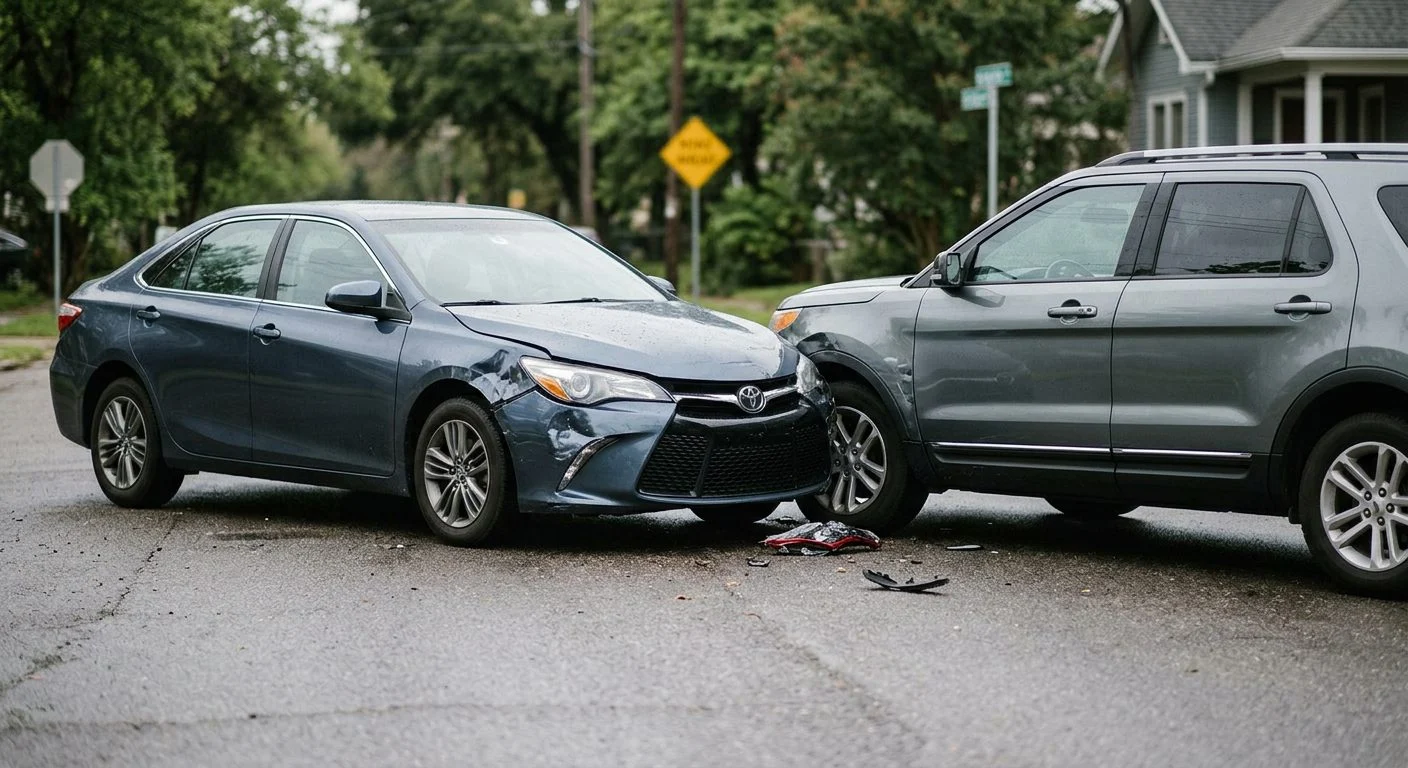
Head-On Collisions | New Orleans, Orleans Parish
Hurt in a Head-On Collision? Talk With Trial Lawyer Przemek Lubecki
American Trial Lawyer represents people seriously injured in head-on crashes involving cars, trucks and commercial vehicles. Our New Orleans office offers a free, confidential first consultation, with no obligation to continue.
By Przemek Lubecki · Published October 25, 2026
If you’re looking for a head-on collision injury lawyer in Orleans Parish, this page explains what a claim usually involves in Louisiana. A head-on claim asks who caused the crash and what losses it caused. Louisiana’s fault rules and filing deadlines matter early, so it helps to understand them before you make any decisions.
What a Head-On Collision Injury Claim Involves
A head-on collision happens when two vehicles traveling in opposite directions strike each other. These crashes often cause serious injuries because both vehicles’ forces meet in one impact.
This page is for three kinds of readers. It’s for an injured driver or passenger, a family member of someone who was hurt, and a family facing a wrongful death after a fatal head-on crash.
You didn’t choose this crash. Medical visits, repair bills and insurance calls can pile up quickly. It’s reasonable to want clear facts before you decide anything.
Head-on crashes fall within our car accident and truck accident work. Our team also handles commercial vehicle and wrongful death matters.
If a head-on crash has changed your days and left you with bills, injuries or grief, we're glad to talk through your facts with you. Talk it through with our team — the first consultation is free, confidential, and carries no obligation.

Common Causes and Who May Be Responsible
Most head-on crashes start when a vehicle leaves its own lane. Common causes include:
- Crossing the center line on a two-lane road
- Unsafe passing
- Distracted, impaired or fatigued driving
- Wrong-way travel
- Poor visibility or bad weather
Louisiana law says a vehicle on a clearly laned roadway should stay within a single lane as nearly as practicable. It should not move from that lane until the driver can do so safely (La. R.S. 32:79).
More than one party can share responsibility. Louisiana law makes employers answerable for damage caused by workers in the exercise of their work, but the statute has conditions, so the facts matter (La. Civ. Code art. 2320).
Commercial vehicles are subject to federal rules. Under the federal motor carrier safety regulations, this part establishes general applicability, definitions, general requirements and information as they pertain to persons subject to this chapter. Which company records matter, such as maintenance and driver files, depends on the crash.
Louisiana also reduces recovery by a person’s own share of fault. Under La. Civ. Code art. 2323, if the degree or percentage of negligence attributable to the person suffering injury, death, or loss is equal to or greater than fifty-one percent, that person shall not be entitled to recover damages. Under La. Civ. Code art. 2323, if the degree or percentage of negligence attributable to the person suffering injury, death, or loss is less than fifty-one percent, the amount of damages recoverable shall be reduced in proportion to that degree or percentage.
Injuries and Losses in a Louisiana Claim
A claim can cover the medical, financial and personal effects of the crash. Head-on impacts can cause brain injuries and concussions, spinal injuries, broken bones, and chest or internal injuries.
Economic losses include medical bills, lost wages, reduced earning ability and out-of-pocket costs. Keep receipts, pay stubs and every medical record. When health insurance or Medicare paid a contracted (in-network or Medicare-participating) provider, recovery of those medical expenses is limited to the amount actually paid, plus cost-sharing you paid or owe, not the amount billed (La. R.S. 9:2800.27). Future medical costs are limited unless they directly relate to a manifest physical or mental injury (La. Civ. Code art. 2315).
General damages, such as pain and suffering, reflect how the injury affects daily life. No fixed formula sets those amounts. The nature of the injury and the medical proof behind it matter.
After a fatal crash, Louisiana lets certain family members sue for their losses. The list starts with a surviving spouse and children, then moves to parents, siblings and grandparents in a set order (La. Civ. Code art. 2315.2).
Your own auto policy may help if the other driver has no insurance or too little. Uninsured motorist coverage is included unless you reject it or choose lower limits or economic-only coverage (La. R.S. 22:1295). Economic-only coverage excludes pain, suffering and other noneconomic loss. Review your policy soon after a crash.
Evidence and First Steps After the Crash
The first steps protect your health and your proof. Get a medical checkup even when symptoms seem mild. Symptoms can take time to show up.
Under La. R.S. 32:398, the driver of a vehicle involved in a crash resulting in injury to or death of any person or property damage in excess of five hundred dollars shall give his name, address, and the registration number of the vehicle he was driving to any person injured in the crash or to the driver or occupant of or person attending any vehicle or other property damaged in the crash. Write down the other driver’s details and the crash report number.
Crash reports are confidential. They are available only to the parties, parents or guardians of a minor party, insurers of a party, an insurance support organization under contract to provide claims and underwriting, healthcare providers or their agents that treated a party, succession representatives and attorneys of the parties or succession representatives, and a news-gathering organization that requests documents related to a specific crash. Upon request, they are available within seven working days after the investigation is complete (La. R.S. 32:398).
Useful evidence often includes:
- Photos of the vehicles and the scene
- A written sequence of events, while memory is fresh
- Witness names and phone numbers
- Dashcam or nearby business video
- Vehicle data, which can be lost once a car is repaired or sold
- Complete medical records
You decide whether to give a recorded statement to the other driver’s insurer. It’s reasonable to take time before speaking with any insurer.
What to Expect: Process, Timeline and Deadlines
Most head-on claims move through a set of steps. The steps are:
- A free first consultation to talk through the crash
- Review of the crash report, photos and medical records
- Documentation of treatment and losses
- Presentation of the claim to insurers
- Negotiation
- A lawsuit, if the claim does not resolve
Timelines vary with the injuries, the number of parties, the insurers involved and whether the case goes to court.
Deadlines matter most. Louisiana’s two-year deadline for delictual (injury) actions starts on the day the injury is sustained, but it does not run against minors or interdicts in actions involving permanent disability and brought pursuant to the Louisiana Products Liability Act or state law governing product liability actions in effect at the time of the injury or damage. Some exceptions apply, so review the date promptly (La. Civ. Code art. 3493.1). Under La. Civ. Code art. 3493.1, delictual actions are subject to a liberative prescription of two years, which commences to run from the day that injury or damage is sustained. The current text was enacted by Acts 2024, No. 423, effective July 1, 2024.
Wrongful death claims have their own timing. Under La. Civ. Code art. 2315.2, the right of action prescribes one year from the death of the deceased or two years from the day that injury or damage is sustained, and the period that gives the greater time applies; for medical malpractice claims, the right of action prescribes one year from the death of the deceased. Survival actions follow a similar period (La. Civ. Code art. 2315.1). Missing a deadline can end a claim, so families should ask about timing early.
Why Work With American Trial Lawyer and Przemek Lubecki
Przemek Lubecki is the responsible lawyer for this page. He is a trial lawyer who represents people seriously hurt in truck, commercial vehicle and car crashes, and families in wrongful death cases.
Our office is in New Orleans, Louisiana. We serve people in Orleans Parish, the New Orleans metro area and across Louisiana, including Metairie, Jefferson Parish, Kenner, St. Bernard Parish and Slidell.
Our approach is careful. We look closely at how the crash happened, explain each step in plain language, and prepare each case as though it may need to go to trial.
American Trial Lawyer, LLC may associate or refer a case to other law firms. Any co-counsel is a separate firm and is not part of American Trial Lawyer, LLC.
Przemek Lubecki is licensed to practice law in Louisiana.
Not sure what your next step is?
Talk it through with our team — the first consultation is free, confidential, and carries no obligation.
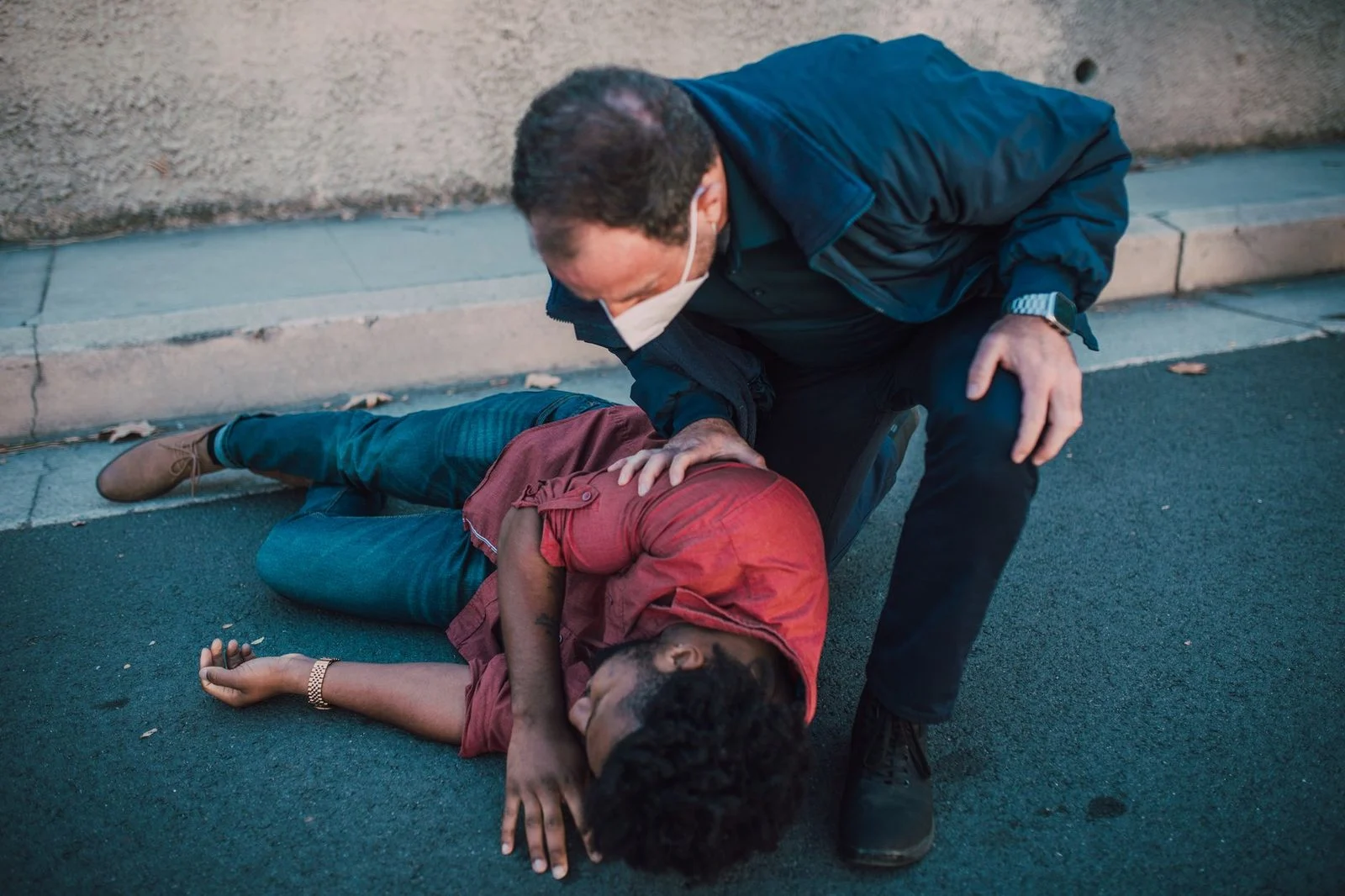
Frequently Asked Questions and Next Step
Here are short answers to questions people often ask after a head-on crash.
How long do I have to file a claim?
Most Louisiana injury claims have a two-year deadline from the injury (La. Civ. Code art. 3493.1). Under this article, delictual actions are subject to a liberative prescription of two years from the day injury or damage is sustained; wrongful death timing is governed by a different article.
Can someone sue me months after a crash?
A lawsuit can still be timely months later, if it is filed within the deadline. Deadlines run from the injury date, and some exceptions apply.
How is pain and suffering calculated?
No fixed formula sets these amounts. The nature of the injury, its effect on daily life and the medical proof are the key considerations.
What if I was partly at fault?
Under La. Civ. Code art. 2323, if a person suffers injury partly from his own negligence and partly from another’s fault, and the negligence attributable to that person is equal to or greater than fifty-one percent, that person is not entitled to recover damages, unless the other fault is that of an intentional tortfeasor, in which case the claim is not reduced. Where the degree or percentage of negligence attributable to the person suffering injury, death, or loss is less than fifty-one percent, the amount of damages recoverable shall be reduced in proportion to the degree or percentage of negligence attributable to that person, unless the other fault is that of an intentional tortfeasor, in which case the claim is not reduced (La. Civ. Code art. 2323).
Is a free consultation really free?
Yes. The first consultation is free, confidential and without obligation to continue.
If a head-on crash has left you hurt, facing bills or grieving someone you love, you don’t have to sort out the next steps alone. We’re glad to talk through your facts. Request a free case evaluation or call 855-LUBECKI for a free consultation. Office in New Orleans.
How We Approach Head-On Collision Cases
Clients First
We take time to understand how the crash has affected your health, your work and your family.
Careful Investigation
Head-on crashes often involve disputed facts. We look closely at the evidence, including crash reports, vehicle data and medical records.
Plain-Language Updates
You will hear from us in clear terms about where your case stands and what the next steps are.
Ready for Trial
We prepare every case as though it may go before a jury, which is how we approach serious injury matters.
Steps That Can Help After a Head-On Crash
Get Medical Care
Some injuries, including brain injuries, may not show symptoms right away. Seeing a doctor promptly protects your health and creates an important record.
Keep Your Records
Save the crash report, photos, repair estimates, medical bills and notes about missed work or daily limits.
Avoid Recorded Statements
Insurance adjusters may call quickly. Before giving a recorded statement, speak with a lawyer about what to say.
Contact Us Early
Time matters in injury claims. Reaching out early helps us preserve evidence while it is still available.
Important: Case Referrals
American Trial Lawyer may associate with or refer your case to other law firms. If we do, we will tell you before any referral is made.