
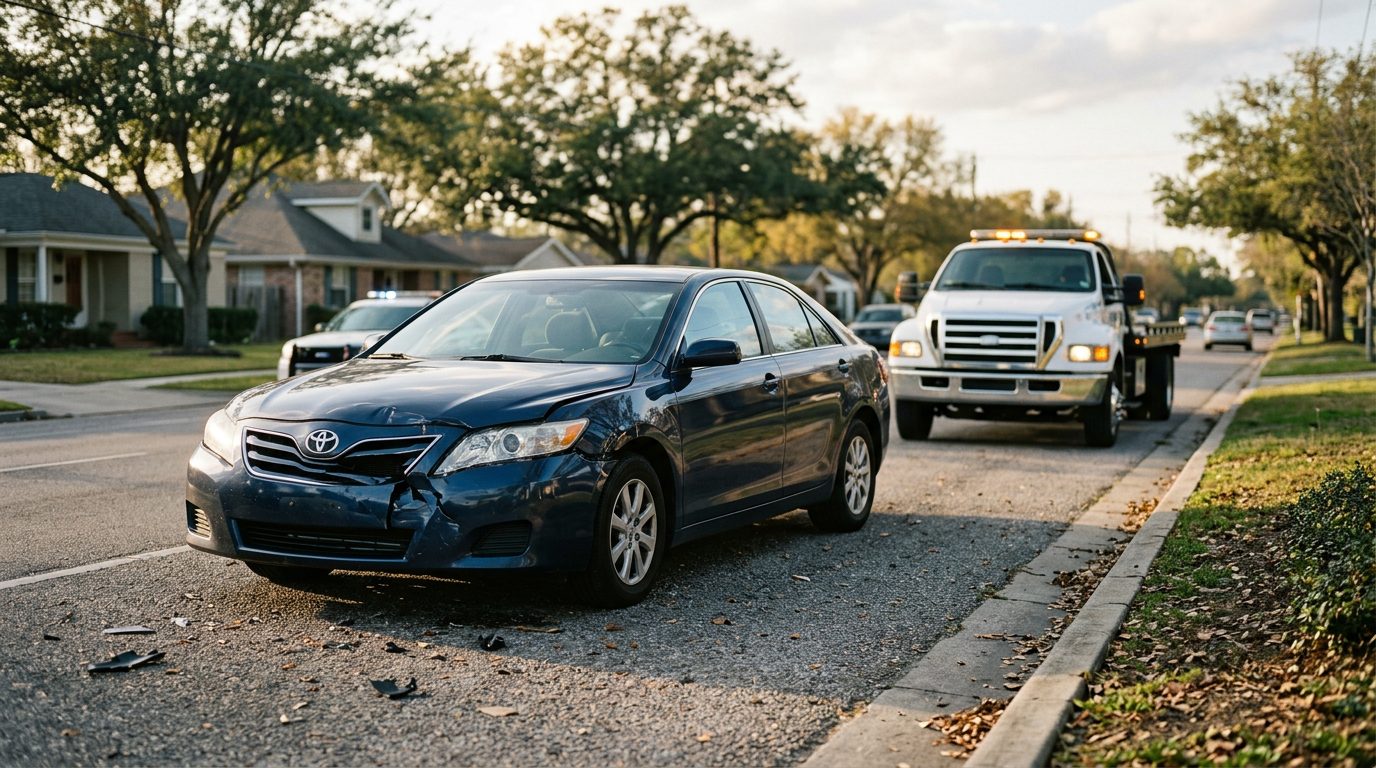
Car Accident Consultation | New Orleans, Louisiana
Hurt in a Car Accident? Here's What to Bring to Your Consultation
Gather what you have, list what you can't find, and bring your questions. Przemek Lubecki and our team at our New Orleans office will review your situation with you. Your first consultation is free, confidential and comes with no obligation to continue. You may be responsible for case costs and expenses in addition to any fee.
What to Bring to Your Car Accident Consultation
Crash and police reports
Any accident report, citation or incident number you received from the responding agency.
Insurance information
Your policy, the other driver's insurance details, and any letters or claim numbers you have received from an adjuster.
Medical records and bills
Emergency room paperwork, doctor and therapy notes, prescriptions, and any bills or explanation-of-benefits forms.
Timeline and photos
Photos of the scene, your vehicle and your injuries, plus a short written timeline of the crash and your recovery so far.
Witness contact details
Names and phone numbers of anyone who saw the crash or who helped you afterward.
Work and income records
Pay stubs, time-off notes or employer letters showing missed work or changes to your duties.
By Przemek Lubecki · Published October 20, 2026
A car accident consultation is a first meeting where you review your crash, your injuries and your insurance before you decide anything. Bring what you already have. This page explains which papers help most and what the review covers under Louisiana law. Przemek Lubecki is the responsible lawyer for this page, and the New Orleans office handles these consultations.
Not sure what your next step is?
Talk it through with our team — the first consultation is free, confidential, and carries no obligation.
What a Car Accident Consultation in New Orleans Is
A car accident consultation is a confidential first meeting about how your crash happened and how it has affected you. The meeting covers the facts of the crash, your injuries, the insurance involved and the options you may have. It is for information first. You decide what happens next.
The first consultation is free, confidential and carries no obligation to continue. You may be responsible for case costs and expenses in addition to the fee.
This meeting may be a good fit if you:
- were a driver or passenger hurt in a car crash in Orleans Parish or the New Orleans metro
- live in Metairie, Jefferson Parish, Kenner, St. Bernard Parish or Slidell and want to meet with the New Orleans office
- are a family member looking at a crash that caused a death
- were hurt in a car crash elsewhere in Louisiana
No one can promise how a claim will turn out. The meeting focuses on facts and options.
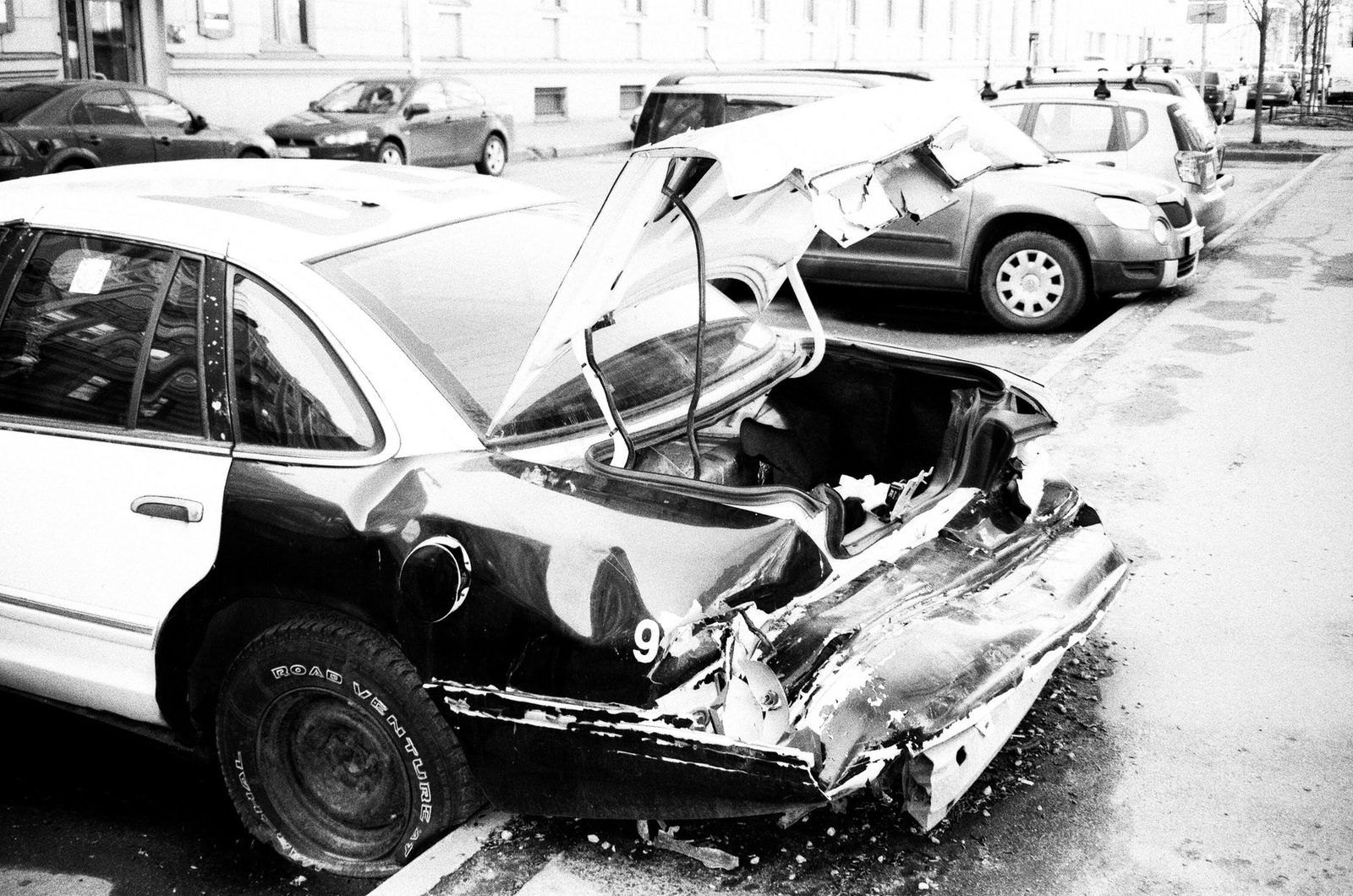
Crash and Insurance Records to Bring
Bring every fact and insurance paper you have about the crash. Small details often matter later.
- The crash facts: the date, time, exact location, direction of travel, and a short written account in your own words.
- The crash report: the report number, and a copy if you have one. Louisiana law makes crash reports confidential and available only to the parties, parents or guardians of a minor party, their insurers, healthcare providers who treated them, their attorneys or succession representatives, and news-gathering organizations asking about a specific crash (La. R.S. 32:398). Police may charge a fee for copies.
- The other driver: name, phone number, insurer, policy number, license plate and vehicle description.
- Witnesses: names and contact details.
- Your policy page: the declarations page showing your liability, collision, medical payments, and uninsured or underinsured motorist coverage.
- Insurer papers: claim numbers, adjuster names, letters, emails and the dates of any recorded statement you gave. If you gave a written or recorded statement, you can ask for a copy. The person who took it must provide one within twenty days after your written demand (La. R.S. 13:3732).
- Photos and video: the vehicles, the scene, visible injuries and any dash cam footage.
- Repair paperwork: towing, rental and repair estimates, or total-loss valuation papers.
Medical, Work and Personal Records to Gather
Medical records show what your injuries are and how you have been treated since the crash.
- Emergency room, urgent care and hospital discharge papers, with imaging and test results.
- A list of every provider you have seen since the crash, with dates and referrals.
- Itemized bills, pharmacy receipts and health insurance explanation-of-benefits (EOB) statements.
- A simple journal of pain, sleep, work, errands and missed family events.
- Work details: your employer’s name, pay stubs, days missed and any letter from your employer.
EOB statements matter. When a health plan paid a contracted provider, Louisiana generally limits medical expense recovery to the amount actually paid plus your cost share, not the amount billed (La. R.S. 9:2800.27).
Gaps in treatment can lead insurers to ask questions. Note any delays and the reasons for them. Missing items are not a reason to wait. List what you can’t find so the firm knows what to request.
What the Evaluation Covers
The evaluation looks at fault, insurance, injuries and deadlines, using the papers you bring.
- Fault: Louisiana reduces your recovery by your share of fault. If a person suffers injury, death, or loss partly through his own negligence, and his share of negligence is equal to or greater than fifty-one percent, he is not entitled to recover damages (La. Civ. Code art. 2323). The current text took effect January 1, 2026, so the date of your crash matters. For more, see the firm’s partly-at-fault guide.
- Insurance: the at-fault driver’s liability coverage, your medical payments coverage, and uninsured or underinsured motorist coverage may all apply. Uninsured motorist claims are generally prescribed by two years from the accident (La. R.S. 9:5629).
- Impaired drivers: exemplary damages may be awarded upon proof of wanton or reckless disregard by a driver whose intoxication was a cause in fact of the injuries (La. Civ. Code art. 2315.4).
- Deadlines: Louisiana generally gives two years from the day of injury to file a delictual (injury) claim (La. Civ. Code art. 3493.1). A wrongful death right of action generally runs one year from death or two years from injury, whichever is longer (La. Civ. Code art. 2315.2).
- Damages: which categories apply, such as medical bills, lost income and pain and suffering, depends on the facts of your case.
How the Consultation Process Works
The process runs in five steps, from first contact to your decision.
- Reach out. Contact the New Orleans office by phone or through the online form.
- Short intake. You share the crash date, location, injuries and whether you have a report number.
- Share documents. Bring them in, send copies or upload them, as arranged. Under state law, crash reports are confidential and are made available only to the parties to the crash and certain others, such as their insurers and attorneys, upon request within seven working days after the crash investigation is completed, so request yours early.
- Review. Meet with Przemek Lubecki or a member of the firm’s team. Ask about fault, insurance, treatment and next steps.
- Decide. You choose whether to continue. There is no obligation to proceed.
Write your questions down as they come up. A short list keeps the meeting on track.
Have questions about what happened?
Ask our team directly. The first conversation is free, confidential, and there is no obligation to continue.
Why American Trial Lawyer for Your Car Accident Consultation
American Trial Lawyer is a personal injury trial practice based in New Orleans. Przemek Lubecki is the responsible lawyer for this page.
- The firm handles car, truck, commercial vehicle, rideshare and motorcycle crashes, wrongful death, brain injury and negligent security matters.
- Because the firm handles truck and commercial vehicle crashes, a car crash review can check whether a larger vehicle or company is involved.
- Support staff help organize documents, so review time goes to the facts. “Our team” refers to the firm and its staff.
- The firm may associate or refer a case to other law firms. Any co-counsel or referring firm is not part of American Trial Lawyer, LLC.
Frequently Asked Questions
Do I need every document before I call?
No. Bring what you have and list what you can’t find.
Is the consultation confidential?
Yes. The first consultation is confidential.
Do I have to hire the firm afterward?
No. You have no obligation to continue after the consultation.
Under La. Civ. Code art. 2323, if the person suffering injury, death, or loss is found less than fifty-one percent at fault, the damages recoverable are reduced in proportion to that person’s share of fault. If that share is equal to or greater than fifty-one percent, the person is not entitled to recover damages. Bring the facts of what happened.
How long do I have to file?
Louisiana generally allows two years from the injury for most injury claims (La. Civ. Code art. 3493.1). Bring your crash date, since deadlines run from it.
Can a family file after a fatal crash?
Louisiana law lists who may bring a wrongful death suit, starting with a surviving spouse and children.
Talk With Przemek Lubecki About Your Crash
If you were hurt in a crash in Orleans Parish or the New Orleans metro, and you’re now gathering police papers, insurer letters and medical bills, this is the time to talk it through. Call 855-LUBECKI (Office in New Orleans) or request your case evaluation with Przemek Lubecki.
Common Questions About Your Consultation
Do I need every document before I call?
No. Bring what you have and list what you can't find. We can help you track down the rest.
Is the consultation confidential?
Yes. The first consultation is confidential.
Do I have to hire the firm afterward?
No. You have no obligation to continue after the consultation.
Talk With Przemek Lubecki About Your Car Accident
Want to know where you stand?
Tell us what happened and our team will walk you through the options available to you, at no cost.