
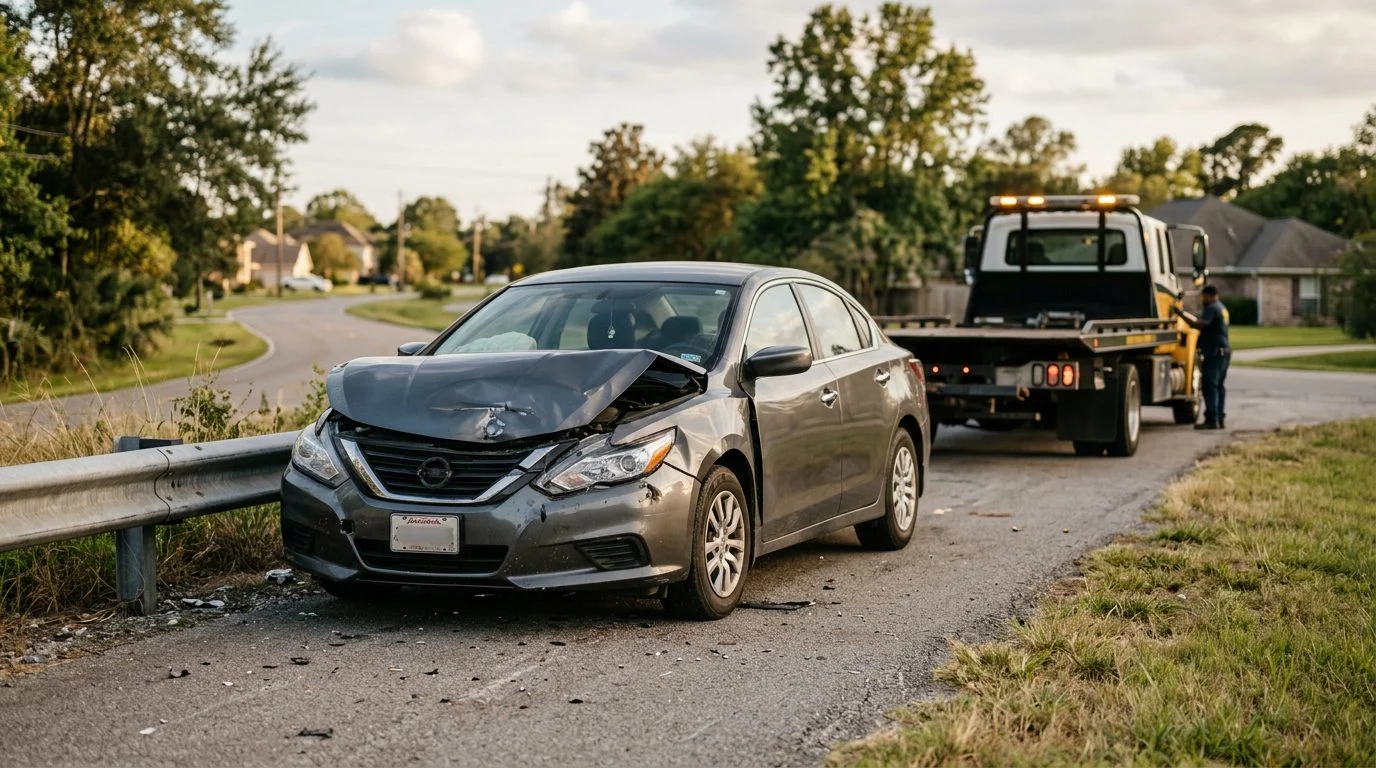
Car Accident Guide · New Orleans
The Evidence That Matters After a New Orleans Car Accident
A plain-language guide from trial lawyer Przemek Lubecki on what to keep, what to save, and why acting early helps.
By Przemek Lubecki · Published October 25, 2026
If you were hurt in a car crash in New Orleans, the records you keep now can matter later. So what evidence should I keep after a car accident in New Orleans? Keep the crash report number, photos of the scene and vehicles, the other driver’s details, witness names, every medical record and bill, proof of lost pay, the damaged vehicle’s paperwork, and every letter from an insurer. This guide explains each item in plain terms. Many readers are reading for someone else, after a crash no one expected. Take it one step at a time.
Why the First Days After a Crash Matter for Evidence
Some evidence changes fast, so the first days after a crash matter most. Skid marks fade. Debris gets cleared. Damaged cars get towed, repaired or sold. Memories blur as days pass.
Timing matters for the claim itself too. Under La. Civ. Code art. 3493.1, delictual (tort) actions are generally subject to a two-year period that starts on the day the injury or damage is sustained. The law has exceptions, so keep track of your dates from day one.
You may be the person who was hurt. You may also be a spouse, adult child or friend gathering papers for someone you care about. You did not choose this, and you don’t need to organize everything at once. The checklist below covers the scene, crash reports, witnesses, medical care, lost income, the vehicle, and insurance and phone records.
If you're still working out what evidence to keep after a car accident in New Orleans, you don't have to sort it out alone. Talk it through with our team — the first consultation is free, confidential, and carries no obligation.
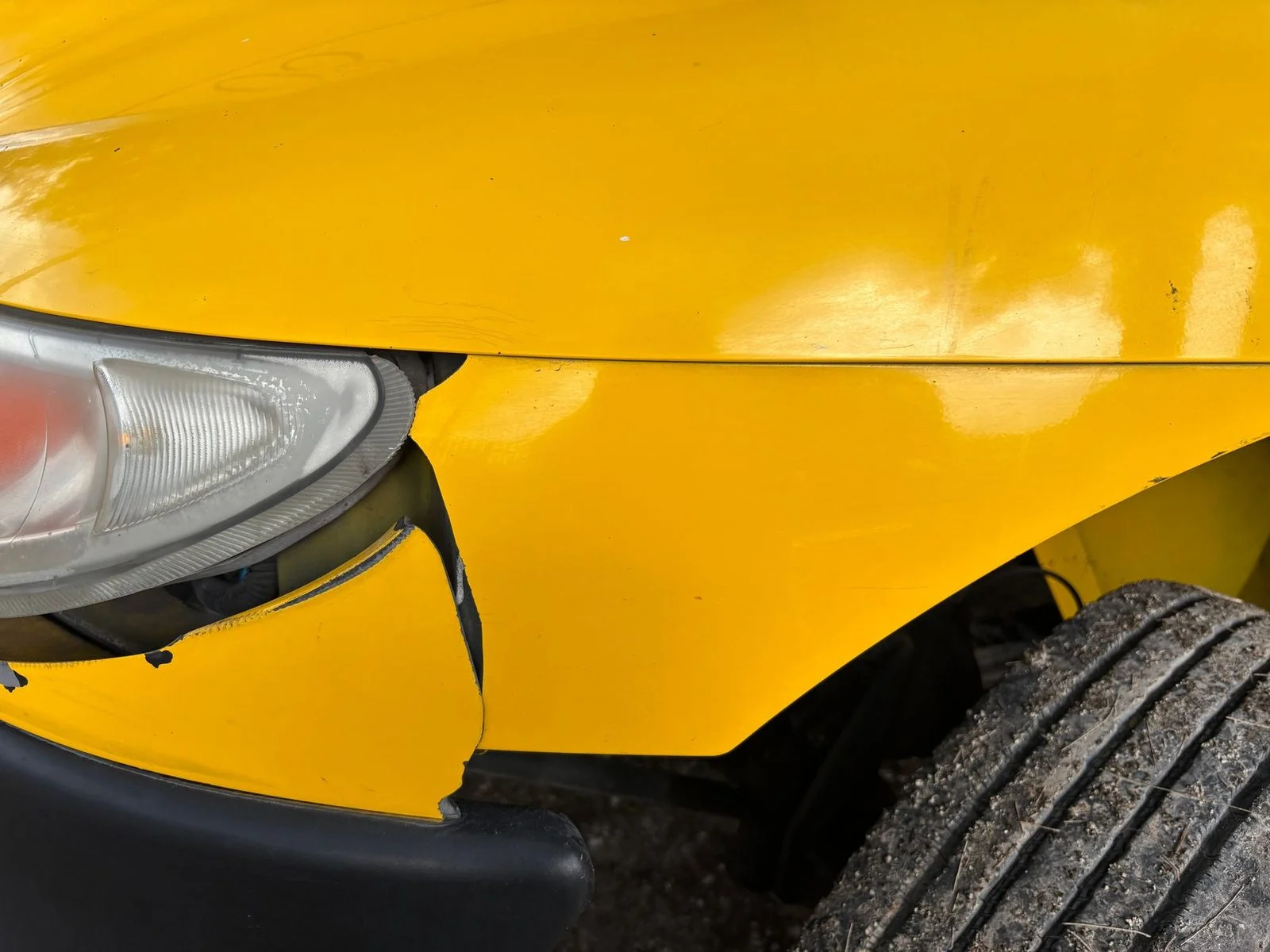
Photos, Video and the Scene Itself
Photograph the scene, the vehicles and the road as soon as it is safe to do so. Photos capture positions and conditions that people forget within days.
Take wide shots and close-ups. Capture where each vehicle stopped, damage to every vehicle, skid marks, debris, traffic signals, signs and lighting. Label road hazards such as potholes, standing water or missing signs with the date and street. Road hazard claims raise their own questions, so keep those photos clearly labeled.
Save the original files with their timestamps. Don’t edit or crop the only copy. Keep a backup on a second device or account.
Official photos are also available. Under La. R.S. 32:398, state police, local police and sheriff’s offices must provide copies of crash photographs and video recordings to any interested person on request. They may charge a reasonable fee for those copies. Ask the investigating agency in writing, and keep a copy of your request.
Police Report vs. Accident Report: What Each Is
A police or crash report is written by the investigating officer. An accident report is a separate written filing by a driver. The two serve different purposes, so keep them apart in your files.
Under La. R.S. 32:398, the officer investigates the crash and tells each driver what to report to the people who were hurt or lost property. The reports and the information in them are confidential. They are made available only to the parties to the crash, parents or guardians of a minor who is a party, insurers or insurance support organizations under contract for claims and underwriting of a party, healthcare providers who rendered services to a party, succession representatives, attorneys of the parties, and news-gathering organizations requesting a specific crash. On request, they must be made available only to the parties to the crash, parents or guardians of a minor party, insurers, healthcare providers, succession representatives, the parties’ attorneys, and a news-gathering organization requesting documents related to a specific crash, within seven working days following completion of the crash investigation.
A driver’s own report is different. Under La. R.S. 32:871, the operator of a vehicle in an accident that injured or killed someone, or damaged property, may report in writing to the commissioner. That report declares the vehicle’s insurance information.
Keep the report number, the date you requested the report and every copy you receive. If you spot an error in the details, write it down with the date you noticed it.
Witnesses and the Other Driver’s Information
Get the other driver’s details and any witness names at the scene, or as soon as you can after it. Phone numbers and memories fade quickly.
From the other driver, write down the full name, phone number, address, driver’s license number, plate number, vehicle description, insurance company and policy number. With the driver’s permission, photograph the insurance card and license.
For each witness, record a name, a phone number and where the person was standing. Write down what they said they saw, in their own words, as soon as you can.
If the other driver reported the crash and you did not, stay calm. Note the report number, the date you learned of the report and every detail you remember. Then write your own account while it is fresh.
If the other vehicle was a rideshare car, Louisiana has a specific rule. Under La. R.S. 45:201.8, in a claims coverage investigation, a transportation network company and any insurer potentially providing coverage under R.S. 45:201.6 must cooperate within ten business days of a request for information. They must share relevant information with directly involved parties and any insurer of the driver. That includes the precise times the driver logged on and off the digital network in the twelve hours before and after the accident. Note the date of every written request.
Medical Records and Documenting Your Injuries
Get medical care promptly and keep every record that follows. Your medical file is often the main proof of what you were hurt by.
Keep emergency visit notes, imaging results, prescriptions, referrals, therapy notes and follow-up appointment records. Keep a simple daily journal of pain, sleep, work limits and tasks you can no longer do. Write entries close to the time they happen.
Keep every bill and explanation-of-benefits statement. Louisiana’s billing rule makes payment records important. Under La. R.S. 9:2800.27, when a health insurer or Medicare paid a contracted provider, recovery of medical expenses is limited to the amount actually paid plus cost-sharing amounts, not the amount billed. So the bill alone doesn’t tell the full story.
Note any medical lien or payment plan, and write down who holds it and when it started.
Lost Income, Expenses and Daily Life
Keep pay records and work notes that show what the crash took from your paycheck and your routine. These records give concrete detail to what happened.
Collect pay stubs from the weeks before and after the crash. Save time-off records, employer letters about missed shifts and any notes about restricted duties. Ask your employer for written notes, and keep them with their dates.
Keep receipts for costs you paid yourself. Examples include a rental car, rides to appointments, prescriptions, medical equipment and help at home. Keep a log of the dates you couldn’t work or had to rely on family for tasks you usually handled.
These details show how the crash changed your daily life, not just your medical chart. Specific dates and receipts are easier to explain than memory alone.
Not sure what your next step is?
Talk it through with our team — the first consultation is free, confidential, and carries no obligation.
Keep the Vehicle and Its Repair or Total-Loss Records
Keep every estimate, repair invoice, towing and storage receipt, and total-loss valuation paper for the damaged vehicle. Each one shows what happened to the car and what it cost to fix or replace.
Before anyone sells, scraps or repairs the car, take photos of it from every side and of the interior. Photograph any damage you can see inside. Keep the photos taken during the insurer’s inspection too.
Make a list of personal items removed from the car, with photos. Total-loss paperwork raises its own questions, which our New Orleans totaled-vehicle guide covers in more detail.
If a commercial truck was involved, the evidence can go further. Federal hours-of-service limits and required rest breaks apply to property-carrying truck drivers, according to the FMCSA hours-of-service summary. Driver logs can be part of the evidence in these cases.
Insurance Letters, Calls and Digital Records
Keep every insurer letter, email, text and claim number. Note each phone call the day it happens. Written records keep the timeline clear.
For each call, write the date, the caller’s name and a short summary of what was asked and said. Keep any written or recorded statement you gave. Under La. R.S. 13:3732, a person who takes a written, recorded or transcribed statement from an injured person must furnish that person a true and complete copy. The copy must be provided within twenty days after written demand.
Preserve phone photos, messages and call logs from the day of the crash. Don’t delete social media posts or messages about the crash.
Think carefully before posting about the crash, your injuries or your activities. Others may use posts to question a claim.
How This Evidence Is Used in a Claim
Insurers look at who was at fault, how you were hurt, the treatment you received and what the crash cost you. Documented facts give a claim something concrete to measure. No formula or amount applies to every claim.
Louisiana compares fault. Louisiana’s comparative fault article, La. Civ. Code art. 2323, provides that when someone suffers injury, death, or loss partly because of his own negligence and partly because of another person’s fault, he shall not be entitled to recover damages if the degree or percentage of negligence attributed to him is fifty-one percent or more. If that person’s negligence is less than fifty-one percent, the amount of damages recoverable is decreased proportionally to the percentage of negligence attributable to that person.
The firm may associate or refer a car accident case to other law firms. For more on car accident claims in Orleans Parish, see our Orleans Parish car accident claim guide.
Przemek Lubecki is the responsible lawyer for this page. The office is in New Orleans, Louisiana.
Is a police report the same as an accident report in Louisiana?
No, they are separate documents. The officer’s crash report falls under La. R.S. 32:398, and a driver’s written report to the commissioner falls under La. R.S. 32:871.
Can I get crash photos or video after a New Orleans crash?
Yes. Under La. R.S. 32:398, police and sheriff’s offices must provide copies of crash photos and video to any interested person on request, and may charge a reasonable fee for such copies.
How long do I have to file a car accident claim in Louisiana?
Louisiana generally allows two years from the day the injury or damage is sustained, under La. Civ. Code art (La. Civ. Code art. 3493.1). 3493.1. Exceptions exist, so the exact deadline depends on the facts.
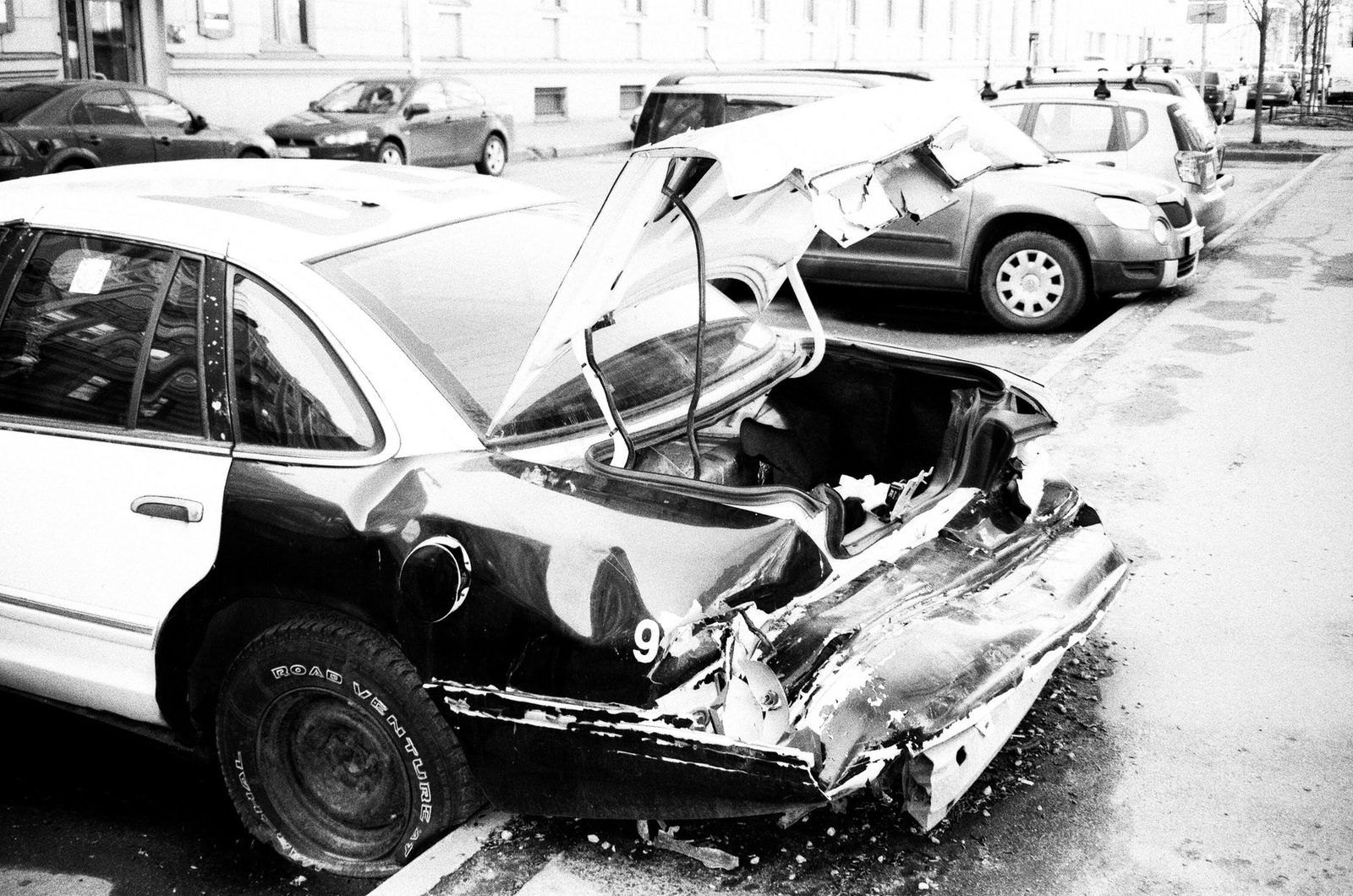
Talk Through Your Own Evidence With Przemek Lubecki
If you’re still working out what evidence to keep after a car accident in New Orleans, you don’t have to sort it out alone. Przemek Lubecki can review the papers, photos and records you’ve gathered so far. Call 855-LUBECKI or request a free case evaluation. The first consultation is free, confidential and without obligation.
Why careful records help
Facts are easier to confirm
Details recorded at the scene, while memories are fresh, help show how the crash happened.
Evidence can disappear
Vehicles get repaired, scenes change and video is overwritten. Saving what you have early matters.
Injuries are documented
Medical records and bills tell the story of your injuries and your recovery over time.
Witnesses have useful memories
Names and contact details of people who saw the crash can be valuable later.
What to keep after a crash
Photos and video
Keep time-stamped photos of the vehicles, the scene, road and weather conditions, and any visible injuries. Keep the original files.
Official reports
Keep any police or crash report number, the officer's name and any citation or report you receive from the scene.
Medical records and bills
Keep discharge papers, appointment notes, prescriptions, receipts and records of time missed from work.
Vehicle and repair records
Keep the tow receipt, repair estimates, final repair invoices and photos of the vehicle before and after repair.
Be careful what you share
Avoid posting about the crash, your injuries or your activities online, and talk with a lawyer before giving a recorded statement to an insurance company. American Trial Lawyer may associate or refer a case to other law firms when that serves the client.