
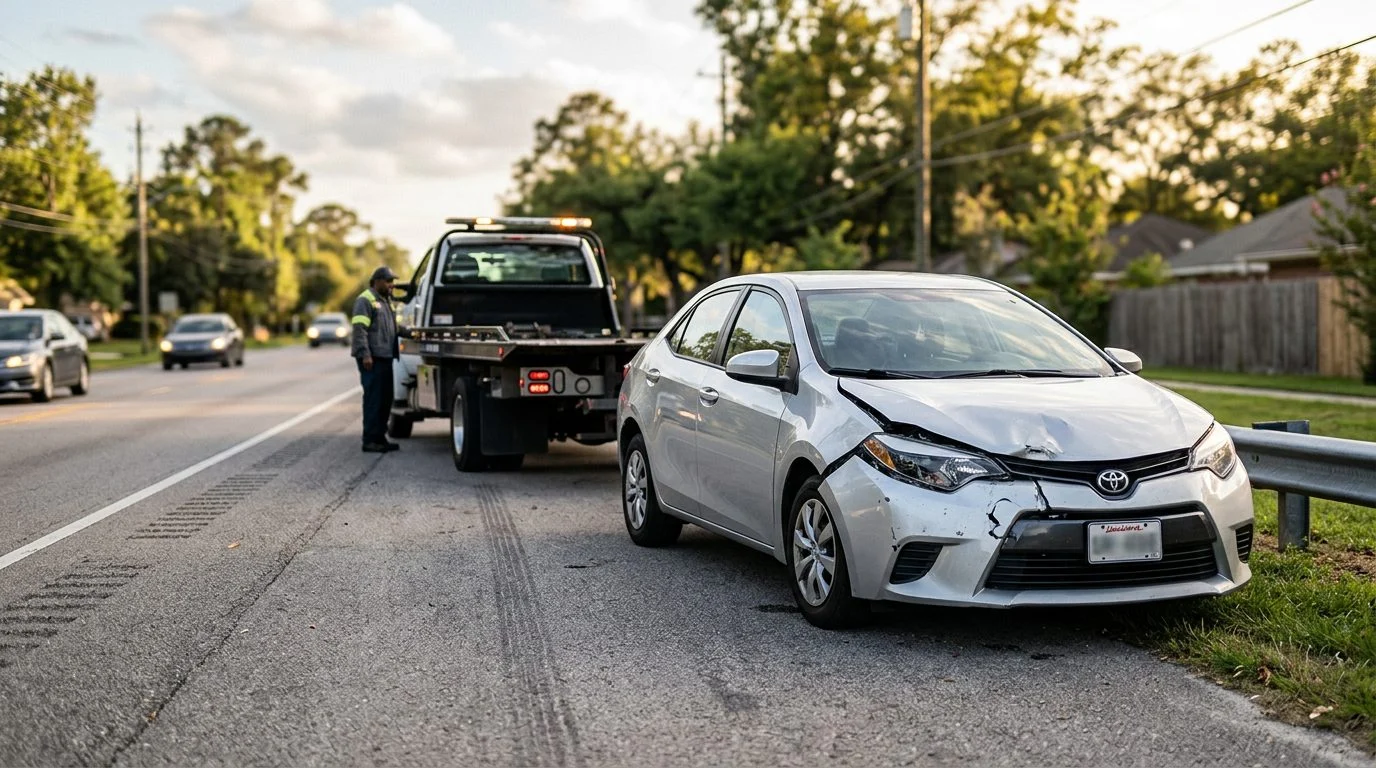
Car Accidents | New Orleans, Louisiana
Car Accident Demand Letters in Louisiana, Prepared With Care
After a serious crash, a clear demand letter can set out your injuries, your losses, and why the insurance company should take your claim seriously. Przemek Lubecki, responsible lawyer at American Trial Lawyer, helps people across Louisiana prepare these letters from our New Orleans office.
By Przemek Lubecki · Published October 31, 2026
A car accident demand letter is a formal settlement request sent to the at-fault driver’s insurer. It explains what happened, how you were hurt, the treatment and bills that followed, and the amount you are asking for. This page explains what that letter contains, when a lawyer usually writes one, and what happens after it is sent.
What a Car Accident Demand Letter Is and Who It Is For
A demand letter is a settlement request, not a lawsuit. It goes to the insurer or adjuster for the driver responsible for the crash. It is usually the first formal step toward resolving a claim.
This page is written for people hurt in car, truck, commercial vehicle, rideshare or motorcycle crashes in Louisiana. It is also written for families handling a wrongful death claim after a fatal crash.
Louisiana law makes a person responsible for harm caused by their negligence. Every person is responsible for damage caused by negligence, imprudence, or want of skill (La. Civ. Code art. 2316).
A letter usually makes sense once your injuries and costs are documented well enough to describe accurately. A letter sent too early can leave out facts that matter later.
If you are still dealing with medical bills and adjuster calls after a crash, our team can review your facts in a free consultation with no obligation to continue. Talk it through with our team — the first consultation is free, confidential, and carries no obligation.
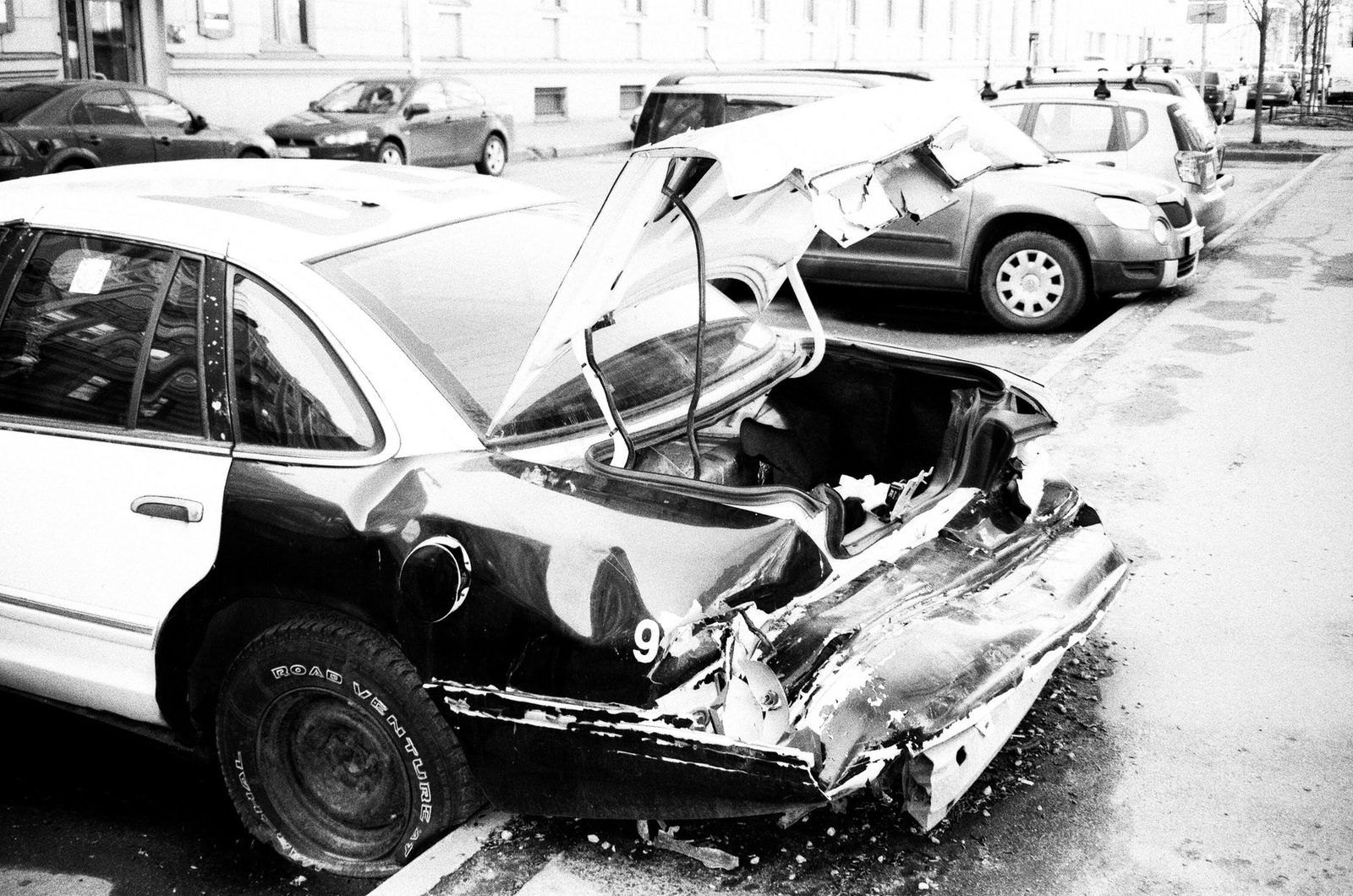
What a Demand Letter Covers
A demand letter covers the crash facts, who was at fault, your injuries, your losses, and the amount you are requesting. Every statement should point to a record that supports it.
- Crash facts: the date, location, vehicles, and how the crash happened. The police crash report is a key source. Under La. R.S. 32:398, crash reports are confidential. They are available only to the parties to the crash, parents or guardians of a minor party, insurers and insurance support organizations under contract to provide claims and underwriting for a party, healthcare providers that treated a party, succession representatives and attorneys of the parties, and news-gathering organizations requesting a specific crash. Upon request, they are available within seven working days after the investigation is completed.
- Fault: evidence of the other driver’s negligence, such as photos, witness statements, and citations.
- Injuries and treatment: diagnoses, providers, dates of care, and any recommended future treatment.
- Medical bills: When a health insurer or Medicare paid a contracted provider, recovery is limited to the amount actually paid plus cost-sharing amounts. It is not the amount billed (La. R.S. 9:2800.27).
- Future care: Louisiana law leaves future medical costs out of damages unless they are directly related to a manifest physical or mental injury or disease (La. Civ. Code art. 2315).
- Lost income: wages and earning capacity, backed by pay records.
- Daily life: how the injury affects work, family, and activities, described in specific terms.
In truck and commercial vehicle crashes, driver logs can matter. Federal hours-of-service rules cap how long property-carrying drivers may drive, including an 11-hour driving limit (49 CFR § 395.3).
When a Lawyer Writes a Demand Letter, and When Waiting Makes Sense
A lawyer usually writes the letter after the medical picture and the liability facts are clear enough to describe accurately. Timing depends on your facts.
An early letter may fit when fault is clear and the injury and treatment plan are documented. Waiting may make more sense when treatment is ongoing and the outlook is unclear, when fault is disputed, or when key records are missing.
An incomplete letter gives the insurer an incomplete record. Insurers respond to the documents they receive, so accuracy matters before the letter is sent.
Deadlines also matter. Under the version of the law effective July 1, 2024, delictual (injury) actions are generally subject to a two-year deadline that runs from the day the injury is sustained (La. Civ. Code art. 3493.1). Wrongful death claims follow their own rule: one year from the death or two years from the injury, whichever is longer (La. Civ. Code art. 2315.2). A consultation early on helps identify which deadlines apply to your crash.
What to Expect: Steps and Timeline
The process usually moves through six steps. The pace depends on the facts, the records, and the insurer.
- Initial review: the crash facts, insurance information, and injury records.
- Gathering records: the police report, medical records and bills, and wage documents. Police agencies may charge a reasonable fee for copies of crash photos and recordings (La. R.S. 32:398).
- Drafting: a liability summary, a damages summary, and enclosures. You review the draft before it is sent.
- Sending: the letter goes to the insurer, and the response deadline stated in it is tracked.
- Evaluating the response: the insurer may accept, counteroffer, ask for more information, or deny.
- Negotiating: if the claim does not settle, a lawsuit is a separate filing and a separate step.
Clients are kept informed at each step. You decide whether to accept any offer.
Insurer Responses, Low Offers, and How Fault Affects the Claim
An insurer may respond with an offer, a counteroffer, a request for more information, or a denial. Each response calls for a specific reply based on the records.
Louisiana’s comparative fault rule applies when more than one person shares blame. Under La. Civ. Code art. 2323, a person suffering injury, death, or loss whose degree or percentage of negligence attributable to that person is equal to or greater than fifty-one percent is not entitled to recover damages (La. Civ. Code art. 2323). If a person’s own negligence is less than fifty-one percent, the amount of damages recoverable is reduced in proportion to the percentage of that negligence (La. Civ. Code art. 2323). Fault is measured for everyone who contributed, whether or not they are a party to the case.
A denial or request for more information is a reason to review the letter’s support. The records, photos, and statements should answer the questions the insurer raises.
This firm may associate or refer a case to other law firms. No outcome can be promised. Any settlement depends on the facts, the evidence, and the insurer’s position.
Why American Trial Lawyer and Przemek Lubecki
American Trial Lawyer is a personal injury firm with its office in New Orleans. Przemek Lubecki, a trial lawyer, is the responsible lawyer for the content of this page.
- Case types: car, truck, commercial vehicle, rideshare, motorcycle, wrongful death, brain injury, and negligent security matters.
- Office: New Orleans. The firm serves Orleans Parish, the New Orleans metro area including Metairie, Jefferson Parish, Kenner, St. Bernard Parish and Slidell, and clients across Louisiana.
- Approach: written demands built on documented facts, with each statement tied to a record.
- Support: support staff assist with records, billing, and scheduling.
Not sure what your next step is?
Talk it through with our team — the first consultation is free, confidential, and carries no obligation.
Frequently Asked Questions
Can I write a car accident demand letter on my own?
You may write one yourself. Deadlines, fault rules, and insurer responses make content and timing important, so a free consultation can review your facts first.
Does a demand letter mean my case will settle?
No. A demand letter is a request. The insurer may accept, counter, or deny it.
Is the first consultation free?
Yes. The first consultation is free, confidential, and without obligation to continue.
What should I bring to a consultation?
Bring the police report number, insurance details, medical records and bills, photos, and wage records if you have them.
Does the firm handle truck and rideshare crashes in Louisiana?
Yes, the firm handles those case types. It may associate or refer a case to other law firms.

Talk With Przemek Lubecki About Your Crash
If you are still recovering, fielding adjuster calls, or gathering records for a family member hurt or killed in a crash, you do not have to sort out the claim alone. You can request a free case evaluation online, or call 855-LUBECKI for a free consultation at our New Orleans office.
How we approach your demand letter
A clear account of the facts
We organize the crash details, medical records, and bills into a letter the insurer can follow without guesswork.
Your injuries, fully described
We take time to document how the crash has affected your health, work, and daily life, not only the immediate medical bills.
Attention to families
When a loss has affected a whole household, we make sure the letter reflects the impact on the people you care about.
Firm, measured tone
Our letters state the facts and the law calmly and directly. They are written to be taken seriously, not to inflame.
Important: a demand letter is a request
A demand letter asks the insurance company to pay a claim. The insurer may accept it, make a counteroffer, or deny it. Before you give a recorded statement or sign any release, talk with a lawyer about what you are agreeing to.
What a car accident demand letter typically includes
The crash and how it happened
A factual summary of the date, location, vehicles involved, and the events leading up to the collision, supported by police and witness information.
Your medical treatment
A timeline of your care, from the emergency room to follow-up visits, with the records that support each part of it.
Your financial losses
Medical bills, lost wages, property damage, and other out-of-pocket costs, presented with the documents that back them up.
The effect on your life
A description of pain, limits on daily activities, and changes to work or family responsibilities caused by the injury.