
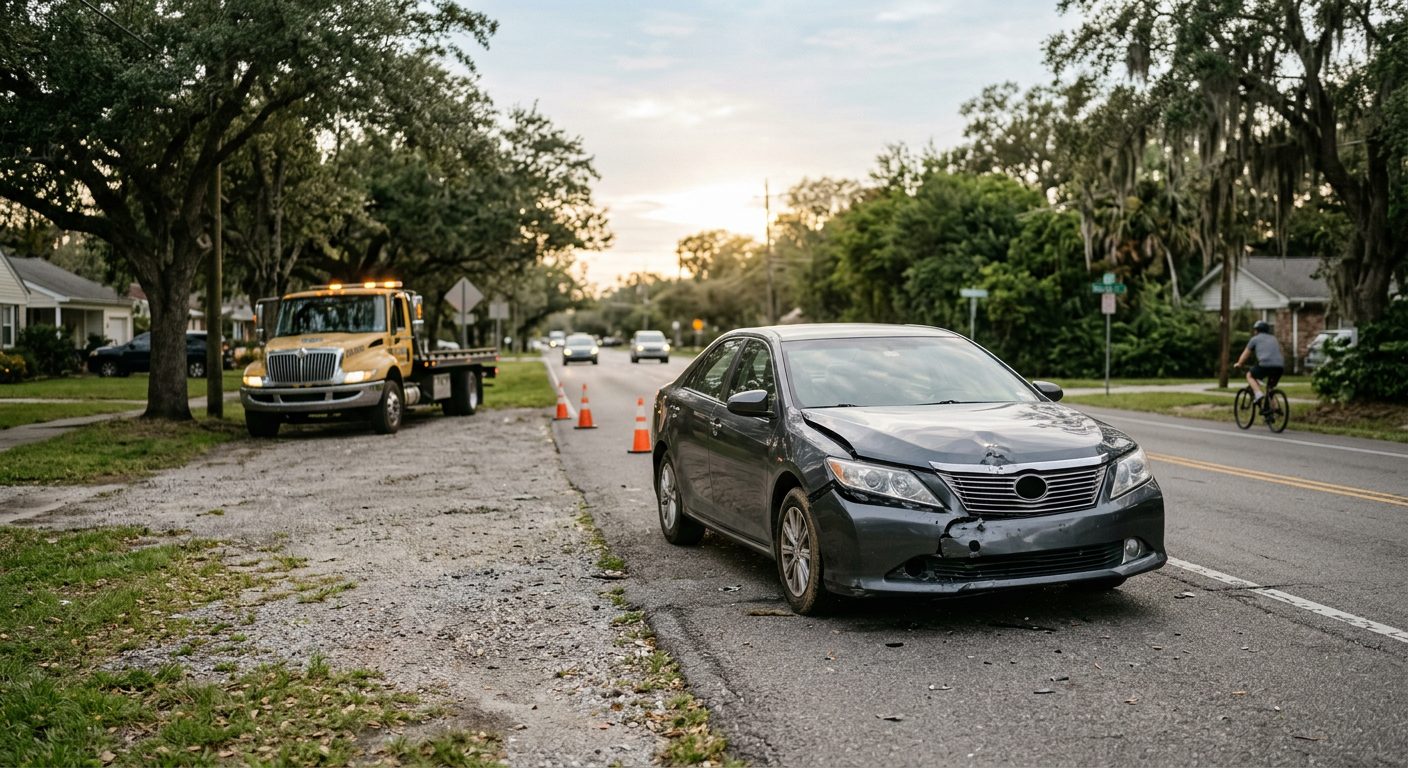
Bicyclist Injury Claims | New Orleans, Louisiana
Hit by a Car While Riding? Clear Answers for the Next Steps
Trial lawyer Przemek Lubecki and the team at American Trial Lawyer, LLC help cyclists and families in Orleans Parish, the New Orleans metro and across Louisiana understand injury claims after a car crash. Office in New Orleans.
By Przemek Lubecki · Published October 24, 2026
If a car hit you while you were riding, or hit a family member, you may have a claim for the harm it caused. This guide explains how a bicyclist hit by car New Orleans injury claim usually works under Louisiana law. It covers who may be responsible, why fault gets disputed, what evidence matters, and what the timeline looks like. It is general information, and every claim turns on its own facts.
What a Bicyclist Hit by a Car Claim Involves
A bicyclist hit by car New Orleans injury claim asks the at-fault driver to pay for harm the crash caused. Louisiana law says a person whose fault causes damage must repair it (La. Civ. Code art. 2315). Negligence, meaning a failure to use reasonable care, is one form of fault (La. Civ. Code art. 2316).
Two groups of people bring these claims. The first is the injured rider. The second is certain family members of a rider who died, who may bring a wrongful death claim (La. Civ. Code art. 2315.2). The claim can reach the driver and, where the facts support it, others whose negligence contributed to the crash.
Why are these cases different? A rider has little protection between their body and a moving vehicle. Injuries can be serious even when the car is moving at a moderate speed. Recovery can take a long time.
If a car struck you or someone you love while riding, you may have a claim, and you don't have to sort out the facts alone. Talk it through with our team — the first consultation is free, confidential, and carries no obligation.
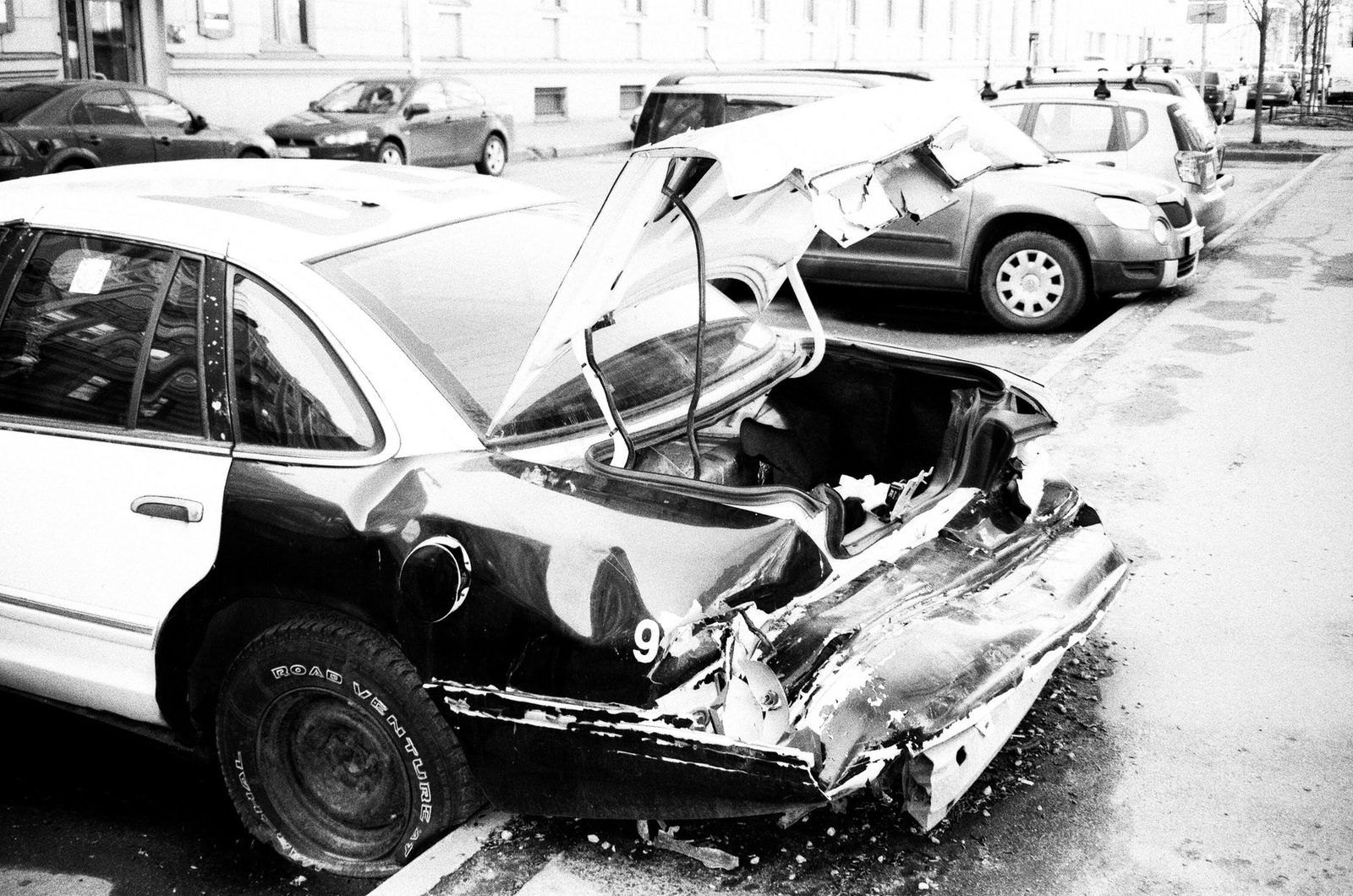
What Happens When a Car Hits a Cyclist
Crashes between cars and bicycles often follow a few familiar patterns:
- A driver turns left across the rider’s path.
- A driver fails to yield at an intersection.
- A driver drifts into a bike lane or passes too close.
- A driver strikes a rider from behind.
The first moments matter. A rider may be thrown onto the road or into the vehicle. Some injuries don’t show right away. A medical evaluation soon after the crash creates a record of what happened.
If the driver leaves the scene, the crash becomes a hit-and-run. Louisiana law places reporting duties on drivers in crashes that cause injury (La. R.S. 32:398). Identifying the driver and their insurer becomes an early task.
Why Fault Is Often Disputed
Fault is often the main fight in a bicyclist hit by car New Orleans injury claim. Louisiana uses comparative fault (shared fault). Under La. Civ. Code art. 2323, as amended effective January 1, 2026, if the degree or percentage of negligence attributable to the person suffering injury, death, or loss is equal to or greater than fifty-one percent, then that person shall not be entitled to recover damages. If the degree or percentage of negligence attributable to the person suffering injury, death, or loss is less than fifty-one percent, then the amount of damages recoverable shall be reduced in proportion to that degree or percentage (La. Civ. Code art. 2323).
Fault can be split among several people. If liability is not solidary pursuant to Paragraph A of art. 2324, a joint tortfeasor (one of several at-fault parties) is not liable for more than their own degree of fault (La. Civ. Code art. 2324).
Common disputes include:
- Where the rider was positioned, including whether they were in a bike lane
- Whether lights or reflectors were working
- How fast the car was moving
- Whether the driver had time to see the rider
On a roadway with clearly marked lanes, a driver must stay within one lane as nearly as practicable (La. R.S. 32:79). Every driver on public roads must also drive in a careful and prudent manner (La. R.S. 32:58).
Many bicycle crashes have few independent witnesses. That makes the police report, photos, and early written accounts especially important.
Common Injuries and the Damages a Claim May Address
A claim can seek compensation for losses the crash caused. Those may include medical bills, lost wages, damage to the bike and gear, and pain and suffering.
Medical bills have limits. If a health insurer or Medicare paid a contracted provider, recovery is limited to the amount actually paid, plus cost sharing, not the amount billed (La. R.S. 9:2800.27).
Future medical care has its own rule. Louisiana law does not include future treatment costs in damages unless they are directly related to a manifest physical or mental injury or disease (La. Civ. Code art. 2315).
Head injuries need careful documentation. Headaches, memory problems, dizziness, and mood changes can appear days or weeks after a crash. A dated symptom log helps show how those symptoms change over time.
For families of a rider who died, Louisiana law lets certain relatives seek damages for loss of consortium, service, and society (La. Civ. Code art. 2315). No one can put a dollar value on a claim from a description alone.
Evidence to Gather and Preserve After a Crash
The most useful evidence is often the police report, photos, and medical records. Start collecting it early.
- Get the report number. Crash reports are confidential. They are made available only to the parties, parents or guardians of a minor party, insurers or an insurance support organization under contract to provide claims and underwriting of any party which is the subject of the report, any healthcare provider that rendered services to a party, the parties’ succession representatives or attorneys, and news-gathering organizations requesting documents related to a specific crash, and upon request within seven working days following the completion of the crash investigation (La. R.S. 32:398).
- Photograph everything. Capture the scene, the bike, the helmet, clothing, vehicle damage, road markings, and visible injuries. Keep the original files with their dates.
- Ask about photos and video. Police agencies can provide crash photos and recordings to interested persons and may charge a reasonable copy fee (La. R.S. 32:398).
- Save video quickly. Business cameras, doorbell cameras, and dashboard cameras can be overwritten over time.
- Keep records. Save medical records, bills, and receipts. Track missed work and out-of-pocket costs in a simple log.
- Write your account now. Record what happened while your memory is fresh.
- Be careful online. Think before posting about the crash or your injuries. Insurers may review public posts.
How the Claim Process Works and What Timing to Expect
A typical claim moves through five steps. The timing depends on the injuries and the number of parties.
- Free first consultation. You describe the crash, your injuries, and any insurance contact. The first consultation is free, confidential, and carries no obligation to continue.
- Investigation. Our team gathers the police report, medical records, photos, and witness information. It also identifies every insurance policy that may apply, including uninsured motorist coverage (coverage for crashes involving uninsured drivers). Louisiana law governs that coverage, and for commercial automobile policies the insured may select uninsured motorist coverage on a form promulgated by the commissioner, so those selection forms matter (La. R.S. 22:1295).
- Evaluation. This step looks at how fault may be assigned and documents the full scope of injuries. When treatment is ongoing, this can take months.
- Negotiation. The claim is presented to the insurer, and the insurer’s response is reviewed.
- Lawsuit, if needed. Louisiana generally gives two years from the day an injury is sustained to file a delictual (tort) action (La. Civ. Code art. 3493.1). Wrongful death claims follow a rule of one year from death or two years from injury, whichever is longer (La. Civ. Code art. 2315.2). Survival claims for the rider’s own damages follow the same whichever-is-longer period (La. Civ. Code art. 2315.1).
Because these deadlines run, waiting can affect a claim.
Not sure what your next step is?
Talk it through with our team — the first consultation is free, confidential, and carries no obligation.
Why American Trial Lawyer for a Bicyclist Injury Claim
American Trial Lawyer is a personal injury trial firm with its office in New Orleans, Louisiana. Przemek Lubecki, a trial lawyer, is the responsible lawyer for this page.
- Focus. The firm represents people seriously hurt in truck, commercial vehicle, and car crashes, and families in wrongful death cases.
- Office. Our office is in New Orleans. We serve Orleans Parish, the New Orleans metro, and Louisiana.
- Support staff. Our team includes assistants and office staff who help with records and scheduling.
- Referrals. The firm may associate or refer a case to other law firms. If that happens, the firm will tell you.
- No promises. No lawyer can promise a result. Every claim turns on its own facts, and one matter does not decide another.
Frequently Asked Questions
What happens when a car hits a cyclist?
The rider may be thrown or struck, and police may respond. Injuries and fault are then reviewed, so early medical care and a police report help.
How long do I have to file a claim?
Louisiana generally allows two years from the injury for most tort claims (La. Civ. Code art. 3493.1). Delictual actions are subject to a liberative prescription of two years (La. Civ. Code art. 3493.1); the wrongful death timing rule is in a different article, art. 2315.2, so check that rule separately.
What if the driver fled?
A rider may still have options, including a review of uninsured motorist coverage. The insurance policies involved should be reviewed promptly.
Can I still recover if I was partly at fault?
Possibly, depending on the facts. Where the degree or percentage of negligence attributable to the person suffering injury, death, or loss is equal to or greater than fifty-one percent, that person shall not be entitled to recover damages, except that if the injury, death, or loss resulted partly from the fault of an intentional tortfeasor, the claim for recovery of damages shall not be reduced (La. Civ. Code art. 2323).
Do I have to be in a bike lane to have a claim?
Lane position is one factor in fault, not the only one. It is reviewed alongside the driver’s conduct and the other evidence.
What does a first consultation involve?
It is a confidential conversation about your crash, your injuries, and your next steps.

Talk Through Your Cyclist Crash With Our New Orleans Office
Many people reading this are still recovering, or are trying to understand a loss in their family. You don’t have to sort out the facts alone. If you want to talk through your situation, reach out to our New Orleans office for a free case evaluation, or call 855-LUBECKI for a free consultation.
Why Cyclists Turn to American Trial Lawyer
Clear explanations
We explain the insurance process, medical records and possible sources of recovery in plain language so you can make informed decisions.
Direct access to a trial lawyer
Przemek Lubecki is the responsible lawyer for this page. You can speak with him about your situation from the start.
Local to New Orleans
Our office is in New Orleans, and we represent clients throughout Orleans Parish, Jefferson Parish, St. Bernard Parish and the surrounding area.
Be Careful With Early Statements
Insurance adjusters may contact you soon after a crash. Before you give a recorded statement or sign any release, consider speaking with a lawyer about what you are being asked to say.
Practical Steps After a Crash
Get medical care
Some injuries, including head and brain injuries, may not be obvious right away. Medical evaluation also creates an important record of your condition.
Document the scene
If you are able, note the location, the vehicles involved, weather and road conditions, and names of any witnesses. Photos can be helpful.
Keep your records
Save bills, receipts, repair estimates, time missed from work and any messages about the crash.
Talk with a lawyer
A free, confidential consultation can help you understand your options. There is no obligation to continue after the consultation.