
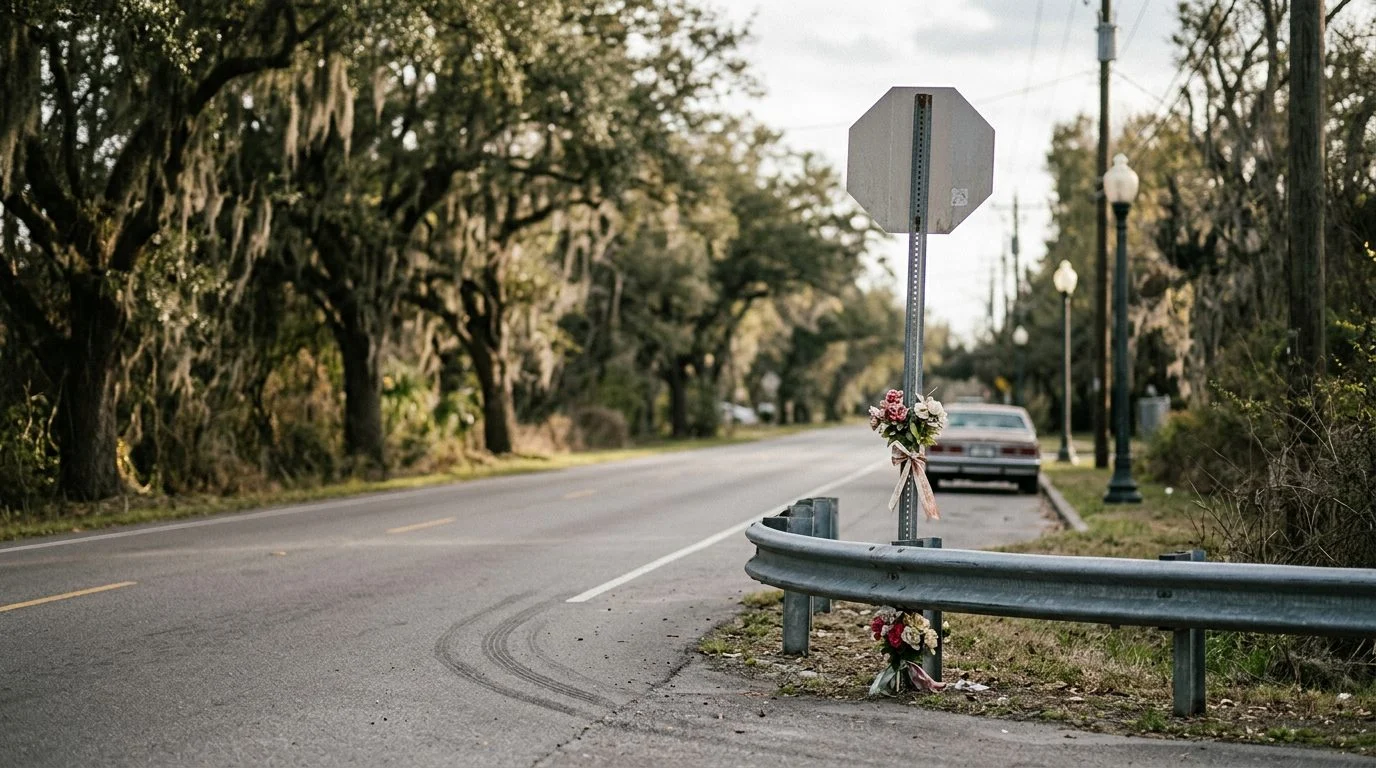
Family Sues After Fatal Crash Orleans Parish Guide
By Przemek Lubecki · Published October 15, 2026
Family Sues After Fatal Crash Orleans Parish: What Comes Next
Can a family sue after a fatal crash in Orleans Parish? Often, yes. Louisiana law lets certain family members bring a claim when another person’s fault causes a death, and it sets firm time limits. This page explains how a family sues after fatal crash Orleans Parish claims move, step by step. It is general information, not advice about your case. Przemek Lubecki is the responsible lawyer for this page, and our office is in New Orleans.
Not sure what your next step is?
Talk it through with our team — the first consultation is free, confidential, and carries no obligation.
What a Family Can Pursue After a Fatal Crash in Orleans Parish
A family may be able to bring a wrongful death claim, a survival claim, or both. A lawsuit like this is a civil case for money damages. It is separate from any police investigation or criminal charge. Families don’t have to wait for criminal charges before they talk with a lawyer about civil options.
Many families feel pressure to decide quickly. The first weeks often bring insurance calls, paperwork and questions about the crash report. Knowing your options early helps you avoid decisions you can’t undo.
This page describes the process in general terms. It does not predict how any case will turn out, and no two crashes are alike. The next two sections explain the difference between the family’s losses and the losses the person suffered before death.
Who May Bring a Wrongful Death Claim in Louisiana
Louisiana law names the family members who may sue, and the surviving spouse and children come first. Under La. Civ. Code art. 2315.2, when a person dies due to another’s fault, the listed family members may sue to recover the damages they suffered from the death. The order works like this. A surviving spouse and child or children come first. If there is no spouse or child, the surviving father and mother may sue. If there is no spouse, child or parent, brothers and sisters may sue. If none of those relatives survive, grandparents may sue.
The statute also covers adoptive relationships. An adopted child counts as a child. More than one family member may be entitled to bring a claim. Identifying each person early keeps the case organized. Confirm family relationships with a lawyer rather than relying on general rules alone.
Wrongful Death and Survival Actions: Two Claims, One Case
A wrongful death claim covers the losses of the surviving family. A survival claim covers the injuries the person suffered before dying. Under La. Civ. Code art. 2315.1, the right to recover damages for injury to the person survives in favor of the listed family members. If no listed family member exists, the succession representative may pursue it.
In plain terms, a survival claim looks back at what the injured person went through. A wrongful death claim looks at what the family lost because of the death. Which claims apply depends on the facts of the crash and on who is entitled to bring each one. A lawyer can explain how both fit your situation.
Who May Be Responsible for a Fatal Crash
The driver is the most obvious party, but other people or companies may share responsibility. An employer, a trucking company, a vehicle owner or a rideshare company may have a role, depending on the facts. Under La. Civ. Code art. 2324, when liability is not solidary, each joint tortfeasor is liable only for its own degree of fault. That is why identifying every responsible party early matters.
Commercial vehicle cases often turn on records. Under federal hours-of-service rules, a motor carrier subject to the requirements of this part must require each driver to record the driver’s duty status for each 24-hour period. Logs, maintenance files and hiring records can show what a company knew.
Negligent security cases involve a different kind of duty. A property owner or manager may be responsible if they fail to take reasonable steps to protect people on the premises. The Insurance Institute for Highway Safety publishes research on large truck crash fatalities, which is one reason commercial truck cases get close review.
Evidence Families Should Ask to Have Preserved
The crash report, medical examiner or coroner records, and vehicle data are among the first items to protect. Under La. R.S. 32:398, crash reports are confidential. Parties, their attorneys, succession representatives and insurers can obtain them. On request, reports must be made available within seven working days after the investigation is completed. The same statute requires a coroner to report a crash death to the state transportation department within sixty days.
Some evidence disappears quickly. Vehicle event data, dash camera video, electronic logging device records and cellphone data may be overwritten if no one asks for them in writing. Families often don’t know these sources exist. Keep names and contact details for witnesses. Write down what each person saw while memories are fresh.
Two cautions matter. Don’t sign a release or give a recorded statement to an insurer without talking to a lawyer first. Keep a simple file of bills, receipts, pay records and notes on how the loss changes daily life. That file helps document the family’s losses.
Have questions about what happened?
Ask our team directly. The first conversation is free, confidential, and there is no obligation to continue.
Louisiana Filing Deadlines and Why Timing Matters
Louisiana sets firm time limits. Louisiana law sets a deadline for filing wrongful death claims under La. C.C. art. 2315.2, so it is important to speak with a lawyer promptly. La. Civ. Code art. 2315.2 states this rule. Other claims follow different periods. Under La. Civ. Code art. 3493.1, delictual actions are subject to a two-year prescription that starts when the injury is sustained. Uninsured motorist claims under La. R.S. 9:5629 are prescribed by two years from the accident.
These are general rules. The exact deadline depends on the type of claim, the date of the crash and the date of death. Claims involving government entities follow special rules. Under La. R.S. 13:5106, suits against the state or a political subdivision must be brought in a Louisiana state court. Waiting too long can close off options, so ask about timing early.
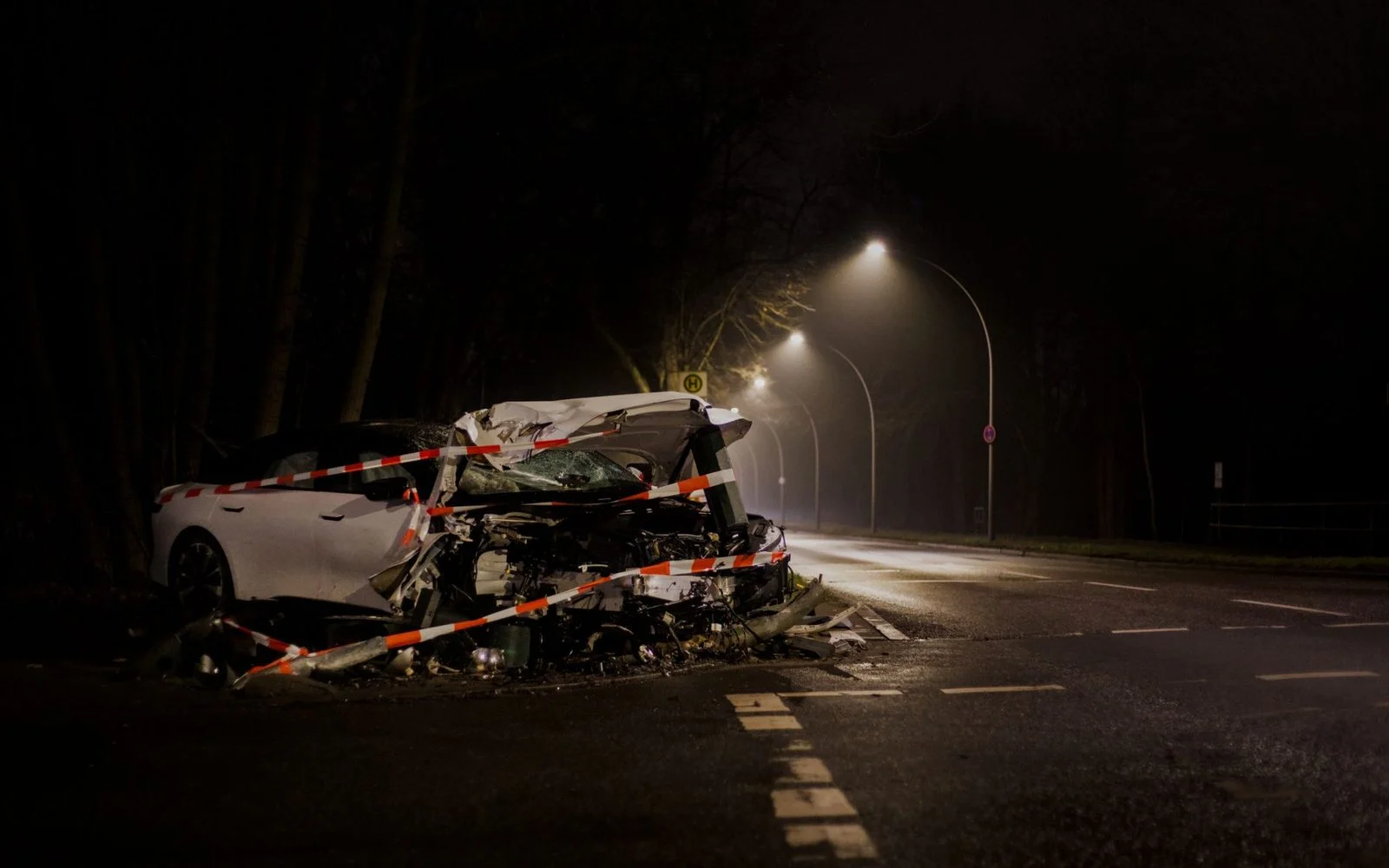
Funeral Costs, Medical Bills and Other Losses Families May Pursue
Families may pursue several kinds of losses, but the value of a claim depends on the facts. Medical bills from the crash are a common example. Under La. R.S. 9:2800.27, when a health insurer or Medicare paid a contracted provider, recovery is limited to the amount actually paid, plus cost-sharing amounts the claimant owes. It is not the amount billed. Other losses, such as lost income, household support and the loss of a loved one’s companionship, may also be part of a claim.
No formula sets a claim’s value, and no one can promise an amount in advance. Any early number is only a starting point. Families often ask who pays funeral bills while a claim is pending. Don’t assume insurance or a lawsuit will cover those costs right away. Plan around immediate bills, and ask a lawyer how claims affect timing. Keep every receipt for funeral, burial and medical costs so they can be documented later.
How a Wrongful Death Lawsuit Moves Forward
Most cases start with an investigation and notice to the insurers, followed by a formal demand. If the claim doesn’t resolve, the lawyer files a petition in the proper court and serves the defendants. After that, both sides exchange information through discovery, which can include written questions and depositions. Each step builds the record.
Many cases resolve through negotiation or mediation. Some go to trial. The timeline varies widely from case to case, and no one can say in advance which path a case will take. Accident reconstruction professionals and medical reviewers may help explain what happened. The lawyer keeps the family informed at each step.
Families make the decision whether to accept a settlement offer. Before that decision, the lawyer should explain the terms, what the offer covers and what it gives up. Take time with that choice. Once a settlement is signed, it usually can’t be undone.
When the Driver Responsible for the Crash Has No Insurance
A family may still have options when the at-fault driver is uninsured or underinsured. Under La. R.S. 22:1295, uninsured motorist coverage protects insured people who are legally entitled to recover nonpunitive damages from owners or operators of uninsured or underinsured vehicles. If the injured person was an occupant of a vehicle with that coverage, the coverage on that vehicle is primary.
Policy language matters. Some policies offer economic-only uninsured coverage. That coverage excludes noneconomic loss, such as pain, suffering and mental anguish. The difference can be significant. Families should check which coverage they actually bought. Don’t assume coverage applies without reviewing the policy. The two-year limit for uninsured motorist claims runs from the accident, so an early review helps.
Serving Families Across Orleans Parish, the Metro Area and Louisiana
Our office is in New Orleans, and we represent families in Orleans Parish and across Louisiana. We also serve families in Jefferson Parish, Metairie, Kenner, St. Bernard Parish and Slidell. We serve those communities from our New Orleans office. We do not have offices in those cities, and this page does not describe them as office locations.
Crashes don’t stop at parish lines. A fatal crash on an interstate, a parish road or a commercial route can involve drivers and records from more than one area. Families in these communities often face the same questions about evidence, deadlines and insurance. Keeping track of records from several agencies takes planning.
We may associate or refer a case to other law firms where that is appropriate. Any other law firm is not part of American Trial Lawyer, LLC.
Want to know where you stand?
Tell us what happened and our team will walk you through the options available to you, at no cost.
Fees, Case Costs and a Free Case Evaluation with Przemek Lubecki
Przemek Lubecki is the responsible lawyer for this page’s content. Przemek Lubecki does this work from our New Orleans office. If we take a case, our fee is set out in a written agreement before you sign it.
If your family is weighing whether to file after a loved one died in a crash, you can request a free case evaluation or call 855-LUBECKI for a free consultation. You may be responsible for case costs and expenses in addition to the fee. We may associate or refer a case to other law firms.
Frequently Asked Questions
How does a family sue after fatal crash Orleans Parish?
A family sues through a civil claim, not a criminal case. Louisiana law decides who may file, and time limits apply.
Can a family sue if no criminal charges were filed?
Yes, a civil claim does not depend on criminal charges. Families can ask about civil options without waiting for a charging decision.
Who can file a wrongful death claim in Louisiana?
A surviving spouse and children come first under Louisiana law. Parents, siblings and grandparents may sue in other circumstances.
Can a stepchild file a wrongful death claim?
The statute names children, including adopted children, but it does not name stepchildren. Whether a stepchild may sue depends on the facts.
Who pays funeral bills while a claim is pending?
A claim usually doesn’t pay bills right away. Plan with your family’s resources, and ask a lawyer about your options.