
Wrongful Death | New Orleans, Louisiana
Shared Fault in a Fatal Crash? Talk With a New Orleans Trial Lawyer
Przemek Lubecki represents families in wrongful death cases across Orleans Parish, the New Orleans metro and Louisiana. If the crash involved questions about who was at fault, we can help you understand your family's options.
By Przemek Lubecki · Published November 7, 2026
My husband was partly at fault in the crash. Can his family still sue? Usually, yes. In Louisiana, a finding that the person who died shared some fault does not, on its own, end the family’s claim. What matters is the percentage of fault assigned to that person. La. Civil Code art. 2323 provides that when a person suffers injury, death, or loss partly through his own negligence and partly through the fault of others, and the degree or percentage of negligence attributable to that person is equal to or greater than fifty-one percent, the person shall not be entitled to recover damages. Where the degree or percentage of negligence attributable to the person suffering injury, death, or loss is less than fifty-one percent, La. Civil Code art. 2323 states that the damages recoverable shall be reduced in proportion to the degree or percentage of negligence attributable to that person.
This page explains how fault is divided, who may bring a claim, and what families can do now. It is written for families in New Orleans and across Louisiana.
The Short Answer: Partial Fault Does Not Automatically End a Family’s Claim
Usually, a shared-fault finding does not end a family’s claim by itself. A person suffering injury, death, or loss whose degree or percentage of negligence is equal to or greater than fifty-one percent is not entitled to recover damages under La. Civil Code art. 2323.
Reading a report that places part of the blame on your loved one is painful. Confusion is normal. The real question is not simply whether anyone was at fault. It is how fault is divided among everyone who contributed to the crash.
Not sure what your next step is?
Talk it through with our team — the first consultation is free, confidential, and carries no obligation.

How Louisiana Divides Fault Among Drivers and Other Parties
Under La. Civil Code art. 2323, the degree or percentage of fault attributable to all persons causing or contributing to an injury, death, or loss shall be determined, regardless of whether a person is a party to the action or a nonparty. A crash can involve another driver, a commercial carrier, a vehicle owner, or a company that maintained the vehicle. Under La. Civil Code art. 2323, fault is determined for every person who caused or contributed to the death. That includes people who are not part of the lawsuit, and it applies regardless of whether a person can pay.
The same article applies to any claim for damages from a death, no matter the legal theory behind it. A family’s wrongful death claim falls under this rule.
When more than one party is responsible, La. Civil Code art. 2324 controls how each defendant pays. Under La. Civil Code art. 2324, a joint tortfeasor (one of several responsible parties) shall not be liable for more than his degree of fault. It is not solidarily liable with any other person for damages attributable to that person’s fault, including the fault of the person who was hurt. This rule has exceptions. One example is people who conspire to commit an intentional or willful act, who are answerable in solido for the resulting damage.
Percentages are not set by the first label on a report. They are decided through evidence and legal analysis. Families should expect the question to be decided on the facts.
Who Can Bring a Wrongful Death Claim After a Fatal Crash
The surviving spouse and children may bring the claim. In some cases, parents, siblings, or grandparents may bring it too. Under La. Civil Code art. 2315.2, the order depends on who survived the person who died:
- The surviving spouse and child or children, or either of them.
- The surviving father and mother, if the person left no spouse or child; a parent who abandoned the person during his minority is treated as not having survived him.
- The surviving brothers and sisters, if there was no spouse, child, or parent.
- The surviving grandfathers and grandmothers, if there was no spouse, child, parent, or sibling.
Adopted children and adoptive parents are included under the same article.
Families should list everyone who may have a claim so no one is overlooked. Listing a person does not mean that person will recover anything.
Why a Police Report Is Not the Final Word on Fault
A police report is an important record, but it is not the final word on how fault is divided. Under La. R.S. 32:398, the state police or sheriff’s office investigates crashes outside city limits. The local police department investigates crashes inside city limits.
A report records what the investigating officer observed at the time. It may not include a full reconstruction, later witness accounts, or vehicle data. Evidence that can shift fault percentages includes:
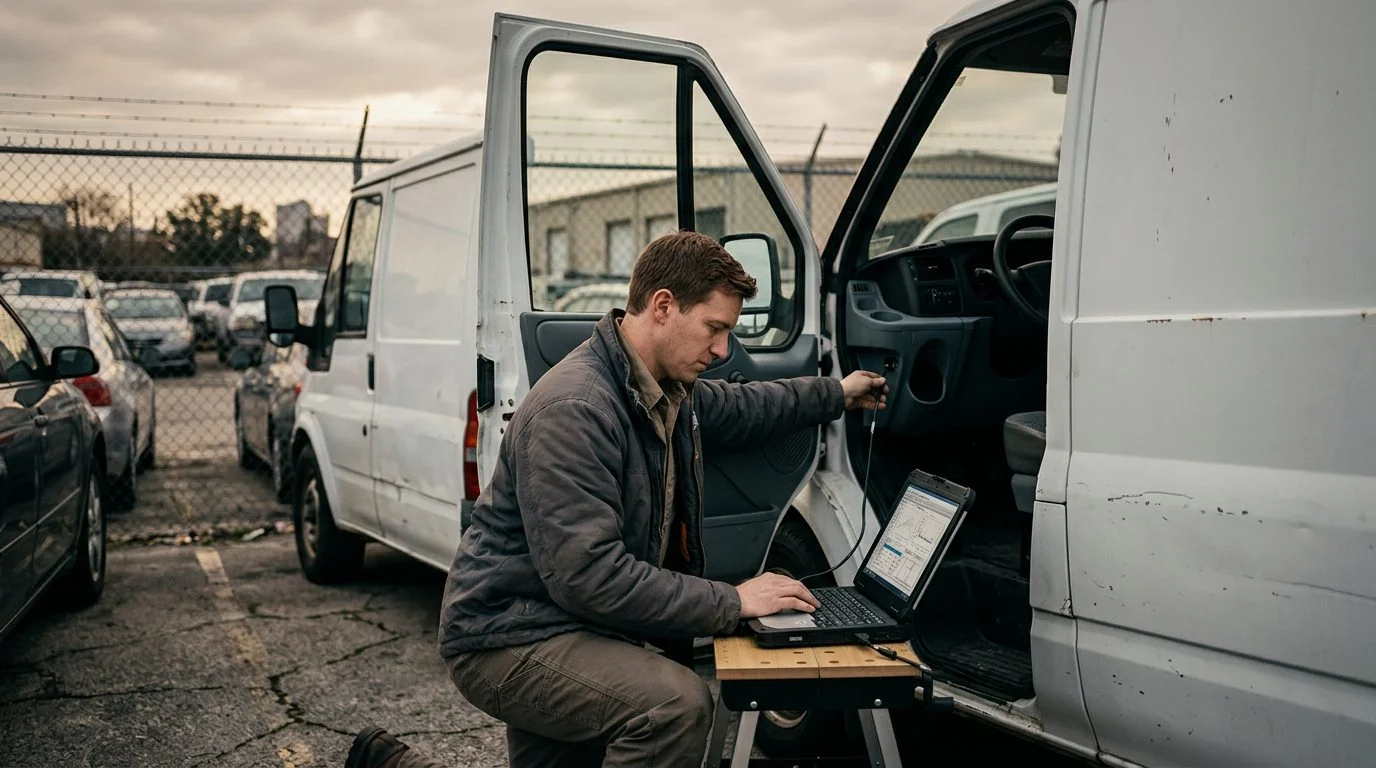
- Vehicle data from the vehicles involved
- Traffic camera or nearby business video
- Phone records
- Skid marks and debris patterns
- Statements from drivers and witnesses
Families should act early to preserve this evidence. Our guide to evidence in fatal crash cases in Orleans Parish explains the steps families often take.
Under La. R.S. 32:398, crash reports are confidential. They are available to the parties, parents or guardians of a minor who is a party, their insurers or an insurance support organization under contract for claims and underwriting, any healthcare provider or their agent that rendered services to a party, succession representatives, attorneys, and news-gathering organizations that request documents related to a specific crash. On request, they must be made available within seven working days after the investigation is complete. Don’t assume the report or an insurer‘s early statement is final.
How a Criminal Case Differs From a Family’s Civil Claim
A criminal case and a family’s civil wrongful death claim are separate matters. A criminal case addresses conduct under criminal law. A civil claim is a lawsuit that a family files to seek damages. The two move on their own paths.
What happens in a criminal case does not, by itself, decide how fault is divided in a civil claim. A driver may be charged, or the case may end without charges. Either way, the civil fault question is still a separate question. Our guide to criminal cases against drivers and wrongful death lawsuits in Louisiana explains the difference in more detail.
Time Limits and Steps Families Can Take Now
Louisiana sets time limits for these claims, so families should act early. Under La. Civil Code art. 2315.2, the wrongful death right of action prescribes (runs out) one year from the death or two years from the day the injury was sustained, whichever is longer. The time limits depend on the facts of each case.
Several steps can help a family right now:
- Keep the crash report, any citations, and insurance letters.
- Save text messages, emails, photos, and medical bills.
- Write down what the family remembers while it is fresh.
- Ask for a copy of any recorded or written statement the injured person gave.
- Understand the claim before giving a recorded statement to an insurer.
A lawsuit would be filed in the appropriate Louisiana court. For families in Orleans Parish, our New Orleans wrongful death guide covers local steps.
American Trial Lawyer may associate with or refer a case to other law firms.
Common Questions
Can a family still sue if the person who died was partly at fault?
Usually, yes. Louisiana’s comparative fault article, La. Civil Code art. 2323, bars a person suffering injury, death, or loss from recovering damages when the degree or percentage of negligence attributable to that person is equal to or greater than fifty-one percent.
Is a police report the final decision on fault?
No. A report is one record, and fault percentages are decided through evidence and legal analysis.
Does a criminal case decide the civil claim?
Not by itself. The criminal case and the civil claim are separate matters.
Not sure what your next step is?
Talk it through with our team — the first consultation is free, confidential, and carries no obligation.
Talk With Przemek Lubecki About Your Family’s Situation
A family holding a report that names their loved one as partly responsible often has the same question: is a claim still possible? Przemek Lubecki, a trial lawyer, leads the New Orleans office of American Trial Lawyer, LLC. Call 855-LUBECKI or request a free case evaluation to talk through your family’s situation. The first consultation is free, confidential, and without obligation.
Why families bring their cases to us
A trial lawyer leads each case
Przemek Lubecki is the responsible lawyer for this page and for the cases the firm takes on. He focuses on the details that matter when fault is disputed.
Office in New Orleans
Our office is in New Orleans. We meet families throughout Orleans Parish, the New Orleans metro, Jefferson Parish, St. Bernard Parish and across Louisiana.
A confidential first step
The first consultation is free, confidential and without obligation to continue.
Plain answers, at your pace
We explain the process in plain language so you can decide what makes sense for your family.
Before you speak with the other side
Insurance adjusters may contact your family soon after a crash. Avoid giving recorded statements or signing documents until you have spoken with a lawyer about what you are being asked to agree to.
Questions families often ask
Can a family still pursue a claim if the person who died was partly at fault?
Every situation depends on its facts, including the evidence about how the crash happened. Our team can review the details with you during a free consultation.
Is the police report the final word on fault?
A police report is one piece of evidence. We look at it alongside photos, witness accounts, vehicle data and other records from the scene.
What should we gather right away?
Keep names, contact information, photos, medical and billing records, and any messages about the crash. Bring what you have to your consultation.
When might another firm be involved?
American Trial Lawyer may associate or refer a case to other law firms. We will tell you about any such arrangement before you decide how to move forward.