
Truck Accidents | New Orleans, Louisiana
Truck Driver Fault in Louisiana: What Evidence Proves It
After a serious truck crash, the evidence that shows who caused it can disappear quickly. Przemek Lubecki and the team at American Trial Lawyer, LLC in New Orleans explain what to look for and how it can be preserved.
By Przemek Lubecki · Published November 6, 2026
If you’re asking what evidence proves a truck driver was at fault in Louisiana, the answer is usually several records used together. Those records include the police crash report, the truck’s electronic logs and data, maintenance and driver files, and the crash scene itself. Many of them sit with the trucking company, and some are kept only for set periods, so timing matters. This guide explains each source and what it can show. For broader background, see our truck accident help in New Orleans page.
Why records matter more than memory in a truck crash
In a truck crash, the driver’s account is only one piece of the proof. Documents and data often show what happened before, during and after the impact. Memories fade, and people under stress often recall events differently. Many of the most useful records belong to the trucking company, which is called the motor carrier in federal rules. Federal rules also set how long some records must be kept. For example, federal maintenance record rules require one year of retention where the truck is housed, plus six months after it leaves the carrier’s control. Because these clocks run, asking early for records to be kept makes sense.
If someone you care about was hurt in a truck crash, you don't have to sort out the records alone. Przemek Lubecki is glad to talk through your situation with you. Talk it through with our team — the first consultation is free, confidential, and carries no obligation.

Physical and scene evidence
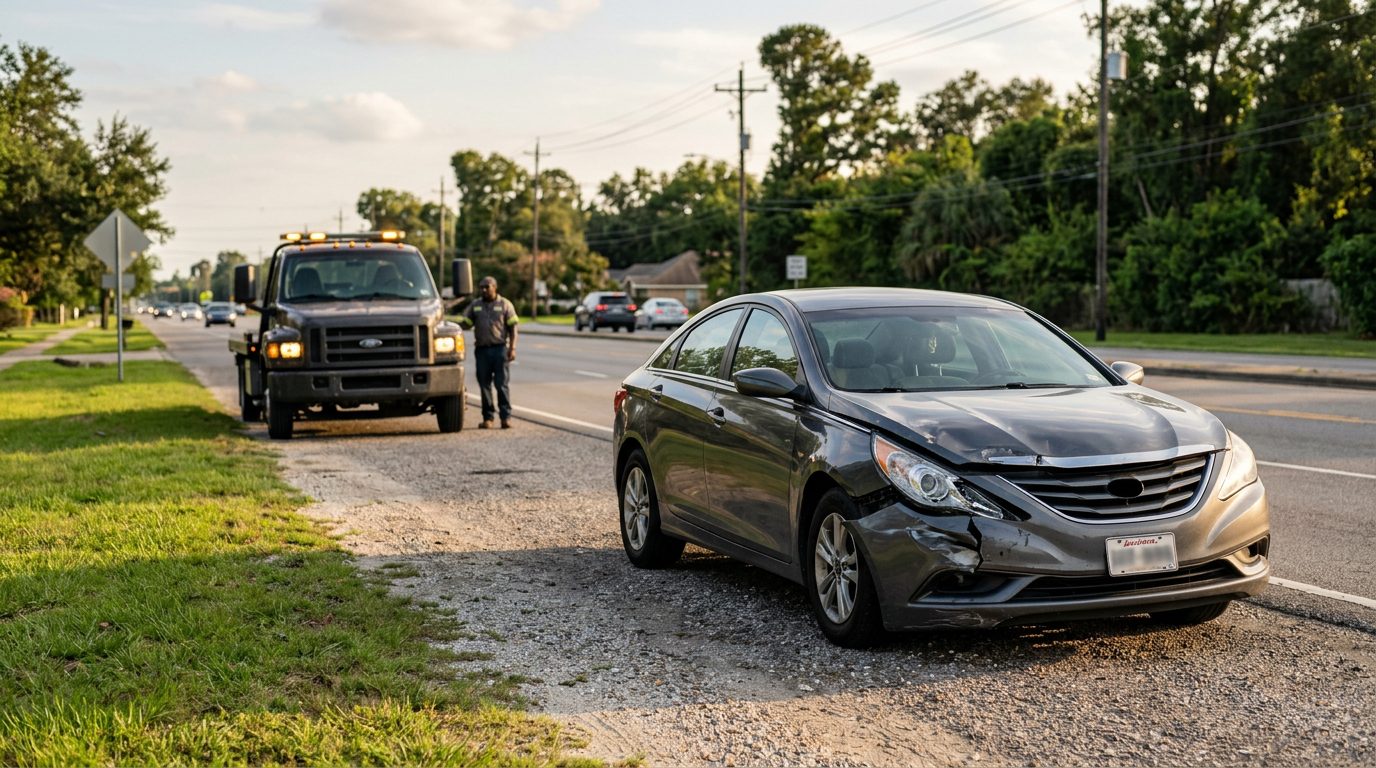
Photos, video and the scene itself can show where vehicles came to rest and how the crash unfolded. Pictures of vehicle positions, damage, skid marks, debris and final rest locations are useful. Clear photos taken early can capture details that move or disappear later. Road conditions matter too. Signs, traffic signals, lane markings and construction zones show what drivers faced at that moment. Dashcam video from the truck, or from nearby vehicles and businesses, can be important. Video is often overwritten, so it should be requested quickly. Under Louisiana crash report law, investigating agencies provide crash photos and video to any interested person on request, and they may charge a reasonable fee for copies.
Police crash report and witness accounts
A police crash report is one of the first official records of a crash, but it is a starting point, not the final word. Police investigate crashes required to be reported inside city limits, and state police or a sheriff’s office handle those outside them. Reports are confidential under La. R.S. 32:398. They are made available only to certain people, such as the parties, their insurers and their attorneys. Upon request, they are provided within seven working days after the investigation is complete. A report can contain errors or leave things out, so compare it with photos and other records. Witnesses are the other half of this proof. Get their names and phone numbers early, and write down what each person saw while the memory is fresh.
Electronic logging device and hours-of-service records
Electronic logging devices, or ELDs, record much of a commercial driver’s driving time automatically. Under 49 C.F.R. § 395.26, an ELD automatically records the date, time, truck location, engine hours, vehicle miles, and driver and vehicle identification. It also records an intermediate entry when a truck is in motion and there has been no duty status change or other intermediate recording in the previous hour. Federal hours-of-service rules limit how long commercial drivers may drive and when they must rest. Under 49 C.F.R. § 395.8, no driver or carrier may make a false report about duty status, or disable, tamper with, or permit another person to tamper with an ELD so that the device does not accurately record and retain required data. Logs can be checked against fuel receipts, bills of lading, toll records and dispatch times. When the times don’t line up, that gap can raise questions about fatigue or compliance. FMCSA says carriers must keep ELD records and supporting documents for not less than six months from the date of receipt, under 49 C.F.R. § 395.8.
Engine, GPS and telematics data
Engine and GPS data can show how a truck was moving in the minutes before a crash. Many modern trucks have an engine control module, sometimes called an event data recorder, that can store speed, braking and throttle information around a hard stop. Fleet telematics systems can log route, location, speed over time and idle periods. Not every truck records every item, so what exists varies by make, model and equipment. The biggest risk is loss. Repairs, software updates or a return to service can overwrite stored data. A written request to preserve the truck, its electronic modules and any telematics account data should go out early.
Driver qualification, maintenance and testing records
The driver’s qualification file and the truck’s maintenance records show what the carrier knew and did before the crash. A driver qualification file includes the driver’s application, motor vehicle records, road test documents, a note on the annual review of the driver’s driving record, and the medical examiner’s certificate, along with other required records. Maintenance rules require carriers to keep parts in safe operating condition, including frame, suspension, axles, wheels and steering. After some crashes, federal rules require alcohol and drug testing of surviving drivers. Under 49 C.F.R. § 382.303, alcohol testing windows end at eight hours and controlled substance testing windows at 32 hours.
Not sure what your next step is?
Talk it through with our team — the first consultation is free, confidential, and carries no obligation.
Dispatch, cargo and phone records
Dispatch messages and delivery deadlines can show whether a driver was under time pressure. Messages about late deliveries, route changes or a schedule that seems impossible can matter. Bills of lading, the shipping papers that list cargo and destination, show what was loaded, its weight and the planned route. Phone and in-cab device records may show whether a driver was using a device at the time of the crash. Getting these records usually takes formal legal steps, so the request should be made early. Different companies often hold different pieces, so each may need its own request.
Medical records and the link to the crash
Medical records connect injuries to the crash, so a prompt medical check creates important proof. Some symptoms appear later, even when a person feels fine at the scene. A visit soon after the crash helps document what happened and when. Imaging, treatment notes and diagnoses record the injury and how the provider linked it to the crash. A personal file helps too. Keep appointment dates, bills, missed work and a short list of daily limits, such as lifting or driving. This record can show how the injury affects daily life over time.
Louisiana fault rules and who else may be responsible
Louisiana is generally a fault-based state for these claims, so proof must show who caused the crash. As amended effective January 1, 2026, Louisiana’s comparative fault article provides that if the degree or percentage of negligence attributable to the person suffering injury, death, or loss is equal to or greater than fifty-one percent, that person shall not be entitled to recover damages. Under Louisiana’s comparative fault article, if the degree or percentage of negligence attributable to the person suffering injury, death, or loss is less than fifty-one percent, the amount of damages recoverable shall be reduced in proportion to that degree or percentage. Fault is assigned to nonparties too, even if they are not part of the lawsuit. Other parties may share responsibility. Under Louisiana’s employer liability article, employers answer for damage caused by employees doing the work they were hired to do. That responsibility can extend to an employer when an employee causes harm while acting in the course and scope of their work. Insurers may call early. Recorded statements can be used later, so it helps to know what you want to say before you talk.
Frequently asked questions
Is Louisiana a no-fault state?
Louisiana is generally a fault-based state for these claims. That makes evidence of who caused the crash especially important.
Do I need to call the police after a rear-end crash?
Under La. R.S. 32:398, the driver of a vehicle involved in a crash resulting in injury to or death of any person, or property damage in excess of five hundred dollars, must give his name, address, and the registration number of the vehicle he was driving to any person injured in the crash, or to the driver or occupant of, or person attending, any vehicle or other property damaged in the crash, and upon request and if available, exhibit his license or permit to drive. A police report is also useful evidence.
Can a family member get these records?
Crash reports are limited to certain people, such as parties, their insurers and succession representatives. Photos and video can be requested from the investigating agency, which may charge a reasonable fee.

Talk with Przemek Lubecki about your truck crash
If a truck crash has hurt you or someone you love, you may be the one gathering these records. That’s a lot to carry while you deal with injuries, a loss or insurance calls. Przemek Lubecki is the responsible lawyer for this page, and the office is in New Orleans, Louisiana. Call 855-LUBECKI or request a free case evaluation. The first consultation is free, confidential and without obligation. We can’t promise how any case will turn out. The firm may associate or refer a case to other law firms.
Evidence that can show how a truck crash happened
Police and crash reports
The official report records the scene, the vehicles involved, statements taken at the time, and the investigating officer's observations.
Driver logs and trip records
Records of a driver's hours, routes and rest breaks can show whether the driver had been on the road for longer than expected.
Electronic truck data
Engine control modules and electronic logging devices can capture speed, braking, throttle and other data before and during a crash.
Dashcam and onboard video
Video from the truck or nearby vehicles can show lane position, signals, following distance and what the driver was doing.
Witness accounts
Statements from people who saw the crash or its aftermath can help confirm the sequence of events while memories are still fresh.
Maintenance and inspection records
Repair, inspection and maintenance histories for the truck, brakes and tires can point to equipment problems that contributed to a crash.
Scene and vehicle evidence
Photographs, skid marks, debris patterns, and the damaged vehicles themselves help show where and how impact occurred.
Medical records
Records from the emergency room and follow-up care document injuries and connect them to the crash.
Act quickly to protect evidence
Trucking companies and their insurers often begin gathering evidence soon after a crash, and some electronic data is overwritten over time. Before giving a recorded statement to an insurance adjuster or the trucking company, consider speaking with a lawyer about what to say and what to keep.
How the evidence is put together
Preserve what exists
Written requests and preservation letters can ask the trucking company to keep logs, data, video and maintenance files before they are lost.
Compare the records
Police reports, driver records, vehicle data and witness accounts are reviewed side by side to see where they agree and where they do not.
Involve the right experts when needed
Accident reconstruction and vehicle analysis can help explain how a crash happened. Medical and economic information is gathered when the injuries call for it.
Build a clear account
The evidence is organized so that the sequence of events, the driver's conduct and the cause of the crash can be explained clearly.