
Negligent Security | New Orleans, Louisiana
Injured by Crime on Someone Else's Property? Let's Talk About Who Was Responsible for Security.
Przemek Lubecki, a trial lawyer with an office in New Orleans, represents injured people and families across Orleans Parish, the New Orleans metro and Louisiana. Your initial consultation is free, confidential and comes with no obligation to continue. You may be responsible for case costs and expenses in addition to the fee.
By Przemek Lubecki · Published October 18, 2026
Negligent Security in Louisiana: What Property Owners Must Do
Negligent security is a claim against a property owner or manager when a crime on their property causes injury or death. In Louisiana, the key question is whether the owner failed to take reasonable security steps that could have prevented the harm. This page explains how that works, what evidence matters, the deadlines that apply, and what families may need to know.
If you were hurt in an assault or shooting on property you used, or your family lost someone in one, you don't have to sort out the next steps alone. Talk it through with our team — the first consultation is free, confidential, and carries no obligation.
What Negligent Security Means in Louisiana
Negligent security is a premises claim about what an owner did, or failed to do, to protect people from crime. A person hurt in an assault, robbery or shooting on property they were lawfully using may have a claim if poor security helped cause the harm.
Louisiana’s general fault rules apply. Every act of man that causes damage obliges the person at fault to repair it (La. Civ. Code art. 2315). A person is also responsible for damage caused by negligence or want of skill (La. Civ. Code art. 2316).
For damage caused by a defect in a thing, an owner is answerable only if he knew or should have known of the defect, reasonable care could have prevented the damage, and he failed to use that care (La. Civ. Code art. 2317.1). Negligent security cases ask a similar question about security measures.
The attacker is usually the person who committed the crime. The claim asks something different. Did the owner’s conduct, or lack of security, make the attack reasonably foreseeable and preventable?
Who Can Be Responsible for Security on a Property
Owners, managers, landlords and businesses that control an area may each play a role in security. Responsibility often follows control. Who owns the building, who runs daily operations, and what the lease or contracts say all matter.
Common areas often matter most. Stairwells, gates, parking lots, garages and building entrances can each be part of a claim. A claim is not limited to the inside of a unit or storefront.
A hired security company may also be part of the picture. The central question is who controlled the security measures in place at the time of the attack.
More than one party can share fault. Louisiana’s joint liability rule generally limits each person to his own degree of fault (La. Civ. Code art. 2324). That means each party’s share is tied to its own role.
Foreseeability and Prior Incidents
Prior incidents are often the most important evidence of whether an owner should have seen a risk coming. The question is whether the owner knew, or should have known, about the danger before the attack.
Earlier assaults, break-ins, shootings, thefts, or repeated police calls at or near the property can all matter. Tenant or customer complaints about broken lights, locks or loitering can matter too. The nature, location and frequency of those incidents count. So does what the owner did in response.
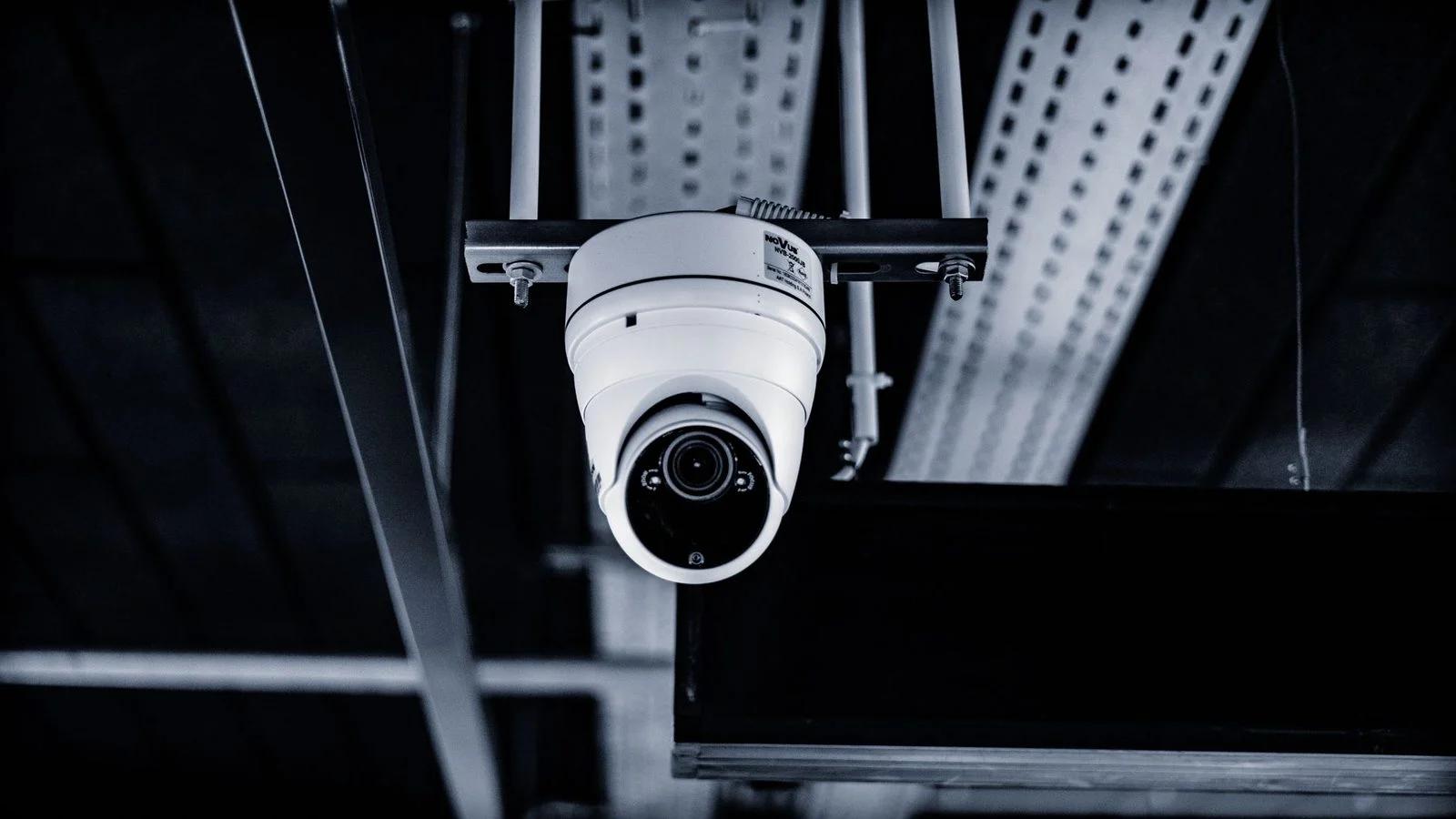
Lawyers usually look at basic security steps. These include lighting, working locks and gates, cameras, patrols, access control, and whether known problems were repaired. A broken gate reported for months tells a different story than one fixed the same day.
A common mistake is assuming one bad night proves a claim. Another is assuming no prior crime means no claim. Neither is always true. Each claim turns on its own records and timeline.
How Comparative Fault Works in a Louisiana Claim
Under Louisiana’s comparative fault rules, a person’s own share of fault may reduce what they recover, except where the injury is caused partly by an intentional tortfeasor (La. Civ. Code art. 2323). For some injuries, it can bar recovery entirely. Louisiana looks at everyone who contributed to the harm, including the attacker.
Under La. Civ. Code art. 2323, fault is determined for all persons causing or contributing to an injury. That is true whether or not they are parties to the case. Under La. Civ. Code art. 2323, if the degree or percentage of negligence attributable to the person suffering injury, death, or loss is equal to or greater than fifty-one percent, then that person shall not be entitled to recover damages. Under La. Civ. Code art. 2323, if the degree or percentage of negligence attributable to the person suffering injury, death, or loss is less than fifty-one percent, the amount of damages recoverable shall be reduced in proportion to the degree or percentage of negligence attributable to that person.
Under La. Civ. Code art. 2323(C), when an injury is caused partly by the negligence of the person hurt and partly by an assailant’s intentional conduct, the claim shall not be reduced. These are factual questions. A clear timeline, photos and records help show what happened and why.
Evidence to Preserve After an Attack on Someone’s Property
The most useful evidence shows what happened, where, and what the owner knew. Start collecting it early, while records and memories are fresh.
- Medical records from the first visit and every follow-up. They link the injury to the incident.
- The police report and its report number, which can help locate earlier calls tied to the property.
- Written complaints to management about lighting, locks, gates or threats, and any response.
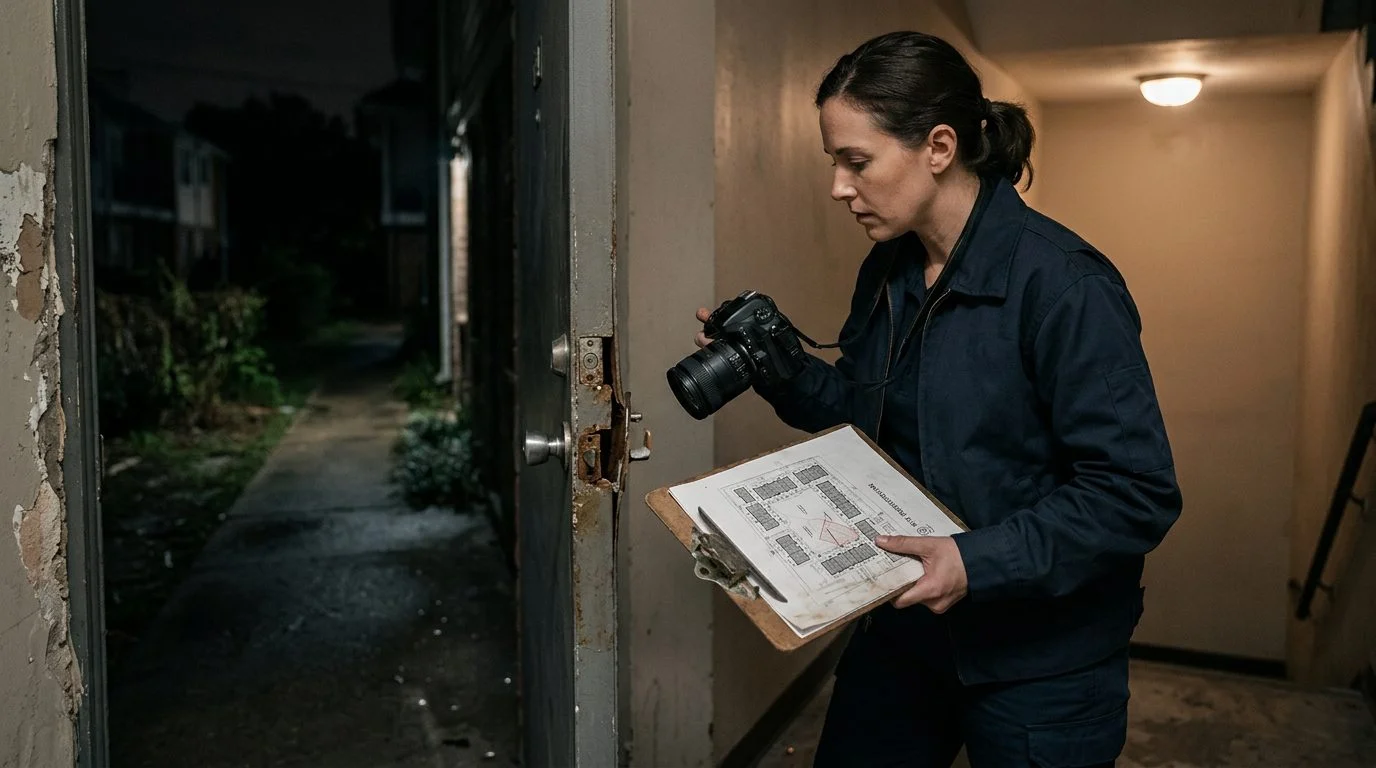
- Photos of lighting, locks, gates and entry points, taken once it is safe, plus names and contact details of witnesses.
- A written request to preserve security footage, access logs and maintenance records. Camera systems can overwrite older video on a set schedule.
Preserving evidence early protects the claim.
Not sure what your next step is?
Talk it through with our team — the first consultation is free, confidential, and carries no obligation.
Time Limits for Filing a Louisiana Claim
For injuries from a crime of violence, Louisiana law generally sets a two-year period. The period starts on the day the injury or damage is sustained (La. Civ. Code art. 3493.3). That article includes an exception in Article 3496.2, so the exact timing needs review.
Louisiana’s general rule for delictual (tort) actions is also two years from the day of injury (La. Civ. Code art. 3493.1).
A deadline that passes can end a claim. Evidence also fades over time. Starting the review early gives more time to gather records while they still exist.
When a Death Caused by an Assault May Give Rise to a Wrongful Death Claim
When an assault kills someone, certain family members may have a wrongful death claim. The surviving spouse and children come first. Then come parents, and in some cases siblings and grandparents (La. Civ. Code art. 2315.2).
A survival claim is separate. It covers the injured person’s own damages that arose before death. Both claims may need review.
Families often handle police reports, medical examiner records and insurance questions while grieving. Our team can help the family organize these records and review them together.

Talk to American Trial Lawyer About Your Situation
If someone you love was hurt or killed in an attack on private property, you can talk with us about the facts. Przemek Lubecki is the responsible lawyer for this page’s content. The office is in New Orleans.
Our first consultation is free, confidential and without obligation to continue. You may be responsible for case costs and expenses in addition to the fee.
The firm may associate or refer a case to other law firms. Any association or referral will be disclosed to you.
If you were hurt in an assault or shooting on property you used, or your family lost someone in one, you don’t have to sort out the next steps alone. Request a free case evaluation or call 855-LUBECKI (Office in New Orleans).
Is negligent security the same as suing the attacker?
Not exactly. The claim focuses on whether the property owner or manager’s security conduct contributed to the harm.
Can the attacker’s fault count in a Louisiana claim?
Louisiana assigns fault to everyone who causes or contributes to the harm, including nonparties.
How long do I have to file?
For injuries from a crime of violence, Louisiana generally allows two years from the injury (La. Civ. Code art (La. Civ. Code art. 3493.1). 3493.3). Wrongful death claims have their own timing.
Can family members sue after a death?
Certain family members may. Louisiana’s wrongful death article names who may bring the claim.
How We Approach a Negligent Security Case
Focus on the property
We look at what the owner or manager knew, what security was in place, and whether known risks were addressed.
Careful review of the facts
Police reports, incident history, lighting, locks, cameras and staffing can all help show what happened and why.
Attention to families
When a loss is fatal, we work with surviving family members through each step, in plain language.
Clear communication
Przemek Lubecki will explain your options honestly, so you can decide what is right for you.
Keep What You Have
Save any incident reports, photos, medical records, receipts and names of witnesses you can recall. Write down what you remember while it is still fresh. The firm may associate or refer a case to other law firms.
Information That Can Help at Your Consultation
The incident
Date, time and location, along with any police report or case number.
The property
Who owned or managed the site, and what security was in place, such as gates, lighting, cameras or guards.
Prior problems
Any earlier crimes, complaints or concerns about the same location that you know of.
Your losses
Medical records, bills, lost income and the effect the injury has had on daily life or on your family.
Have questions about what happened?
Ask our team directly. The first conversation is free, confidential, and there is no obligation to continue.