
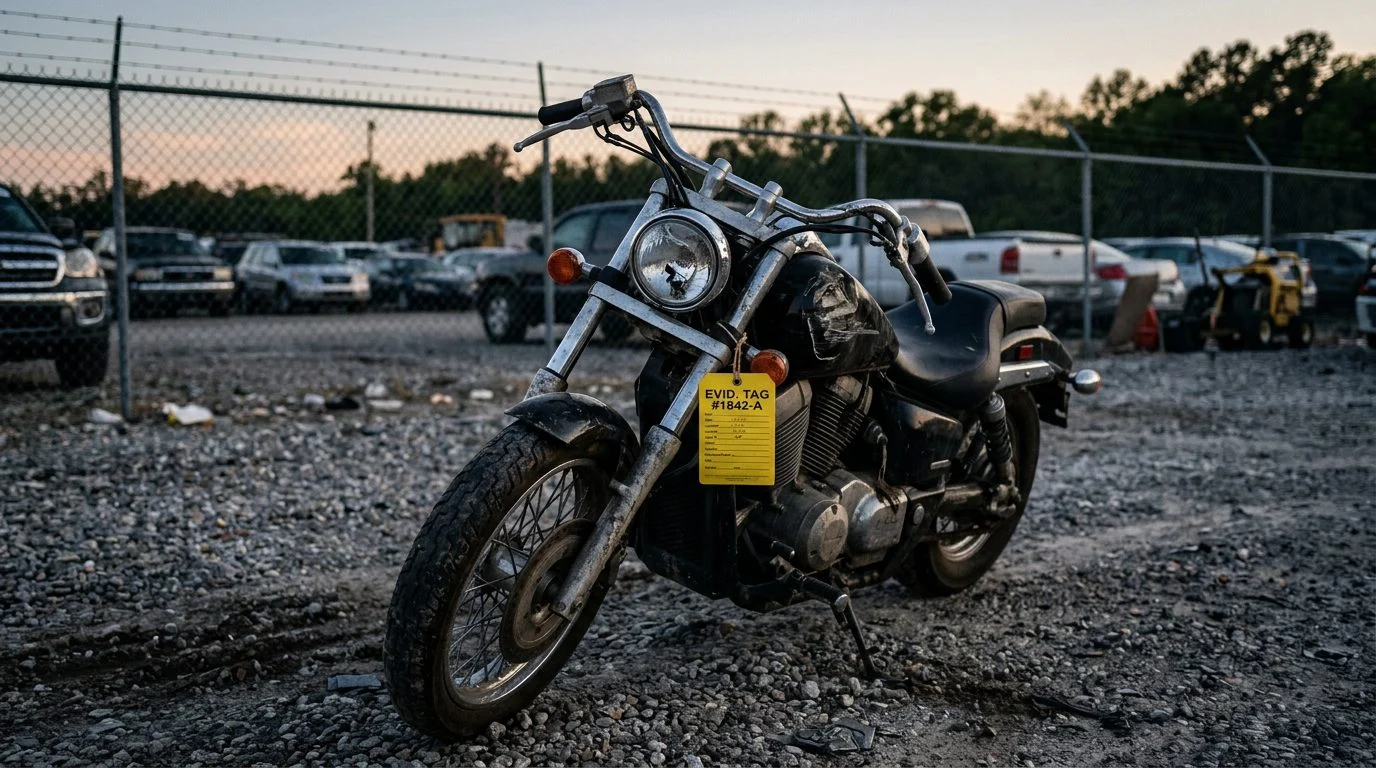
Motorcycle Accidents | New Orleans, Louisiana
After a Motorcycle Crash, Evidence Can Disappear Fast
Przemek Lubecki and the team at American Trial Lawyer put together this checklist to help you record what matters while the details are still fresh.
By Przemek Lubecki · Published November 9, 2026
If you were hurt in a motorcycle crash, your health comes first. The evidence to keep after a motorcycle crash includes scene photos, your bike and gear, any video, witness names, the crash report, and every medical and work record. This checklist explains what to keep and why.
Why Evidence Matters in the Days After a Motorcycle Crash
Evidence is easiest to save in the first days and weeks, before the scene changes and vehicles are moved or repaired. Start with your health. See a doctor even if you feel fine, because some symptoms show up days later.
Evidence also matters for fault. Fault is often disputed, so clear records help.
This is a general checklist. It is not legal advice for your crash. Each section below covers one category of evidence.
If your bike is in a shop and the paperwork is piling up, our team can talk through your situation in a free, confidential consultation with no obligation to continue. Talk it through with our team — the first consultation is free, confidential, and carries no obligation.

Photograph the Scene Before It Changes
Scene photos are the fastest way to record the road, the vehicles, and where everything came to rest. Take them as soon as it is safe.
Start with wide shots. Show the lanes, the curve or intersection, traffic signals, signs, and the lighting. Then take close-ups of skid marks, fluid spots, debris, and any damage to guardrails or the road surface.
Photograph where the motorcycle and the other vehicle came to rest. Shoot the other vehicle from several angles, including the damage, the license plate, and the driver’s side.
Keep the original image files with their timestamps and metadata. Don’t crop or heavily edit them. Copy them to a second place, such as a cloud folder or a computer.
If you can’t take photos yourself, ask a passenger, a bystander, or a family member to do it. Details fade quickly, so ask early.
Keep the Motorcycle, Gear, and Damage Documented
Photograph your motorcycle and gear as they are before any repair starts. Then the repair can go ahead.
Shoot the bike from every side. Show broken mirrors, lights, levers, handguards, and any frame or fork damage. Ask the shop to keep removed parts instead of discarding them.
Louisiana requires a motorcycle rider to wear a safety helmet, secured with a chin strap while the bike is moving, but this requirement does not apply to a person operating or riding in an autocycle if the vehicle is equipped with supports that meet or exceed the standards for a safety helmet or a rollbar or roll cage (La. R.S. 32:190). Keep your helmet after the crash, even if it looks fine. Keep your jacket, gloves, and boots too. Damage to gear can help show how the impact happened.
Note any aftermarket parts or modifications. Keep receipts or photos that show what was installed and when. Write down where the bike is stored, who can access it, and any towing or storage charges.
Preserve Dashcam, Video, and Phone Data
Save any video and phone data from the time around the crash. Copy it to a second device right away, because digital proof can disappear fast.
Check for dashcam footage from your bike or from the other driver’s vehicle. Then ask nearby businesses, homes, and transit operators whether they have security or traffic cameras. Many systems record over old footage, so ask quickly.
Keep your phone’s photos, texts, call logs, and app data from that day. Don’t delete anything from that period. If you used a navigation, fitness, or ride-tracking app, keep its trip data. It may show your route, timing, and speed.
Be careful on social media. Don’t post about the crash, your injuries, or who was at fault. Don’t delete existing posts or messages either.
Collect Witness and Other Driver Information
Write down witness and other driver details while the scene is fresh. Names and phone numbers are easy to lose.
Get the name and phone number of every witness, including passengers in other vehicles. Write down what each person saw or heard.
Note the other driver’s name, address, phone number, driver’s license number, insurance company, and policy number. Record the other vehicle’s make, model, color, and license plate. Write down any company name or logo, which matters in commercial vehicle crashes.
Write your own account soon after the crash. Include the time, the weather, your direction of travel, and what happened before and after impact.
If someone takes a written or recorded statement from you about the crash, Louisiana law says they must give you a true and complete copy. They must do so within twenty days after your written demand (La. R.S. 13:3732). Keep notes of any statements from the other driver or insurance representatives, with dates and names.
Request the Crash Report From the Investigating Agency
A crash report records the crash details, including the persons and vehicles involved. Ask the investigating agency whether one was prepared. Write down the report number and the agency’s name.
Upon request, they are made available within seven working days after the crash investigation is complete.
The same statute allows an agency to charge a reasonable fee for copies of crash photographs, video and audio recordings, and extraordinary-sized or electronic documents. La. R.S. 32:398 allows a reasonable fee for photographs, video, audio and extraordinary-sized documents. Agencies also publish their own request steps, such as the LSU Police crash report requests page.
When you get the report, read it for errors in names, vehicle details, roadway descriptions, and diagrams. Keep a copy and written notes about any corrections. Keep tickets, citations, and court notices too.
Not sure what your next step is?
Talk it through with our team — the first consultation is free, confidential, and carries no obligation.
Keep Medical Records, Bills, and a Symptom Journal
Keep every medical record, bill, and insurance statement from the start. Louisiana limits how some medical costs can be recovered, so the paperwork matters.
Collect records from the emergency room, urgent care, your primary doctor, imaging centers, specialists, and physical therapy. Keep discharge papers and prescriptions. Keep receipts for out-of-pocket costs such as medicine, equipment, and rides to appointments.
Keep the explanation of benefits from your health insurer. Under La. R.S. 9:2800.27, when a health insurer or Medicare paid a contracted provider, recovery of medical expenses is limited to the amount actually paid, plus applicable cost-sharing amounts, not the amount billed.
Start a symptom journal. Each day, note headaches, dizziness, memory or focus problems, sleep changes, pain, and mood changes. Symptoms can develop or change over time, so tell your doctor about every change.
Track missed work. Keep pay stubs, employer letters, and the dates you could not work.
Families of someone killed should also keep funeral and burial bills, the person’s medical and employment records, and documents that show family relationships. Louisiana’s wrongful death law names who may bring the claim, beginning with a surviving spouse and children (La. Civ. Code art. 2315.2).
Talk With a Lawyer About Your Crash and Your Evidence
If your bike is still in a shop, your records are piling up, and an insurance company wants answers, a conversation can help you sort out next steps. The first consultation is free, confidential, and carries no obligation to continue.
To request a free case evaluation, call 855-LUBECKI. Bring whatever items from this checklist you already have, even if the list is incomplete.
American Trial Lawyer, LLC may associate or refer a case to other law firms.
About This Page and the Firm
Przemek Lubecki is the responsible lawyer for this page. American Trial Lawyer, LLC has its office in New Orleans, Louisiana. The firm handles truck, car, commercial vehicle, rideshare, and motorcycle accidents, along with wrongful death, brain injury, and negligent security matters. Its lawyers practice law in Louisiana.
This page is general information about evidence after a motorcycle crash. It is not legal advice for any particular situation. Related pages on this site cover motorcycle accidents, concussion symptoms, and wrongful death claims in Louisiana.
What evidence should I keep after a motorcycle crash?
Keep scene photos, your bike and gear, any video, witness details, the crash report, and all medical and work records. Keep originals and do not delete anything.
How soon can I get a crash report in Louisiana?
Under La. R.S. 32:398, crash reports and the information in them are confidential and are made available only to specified persons, such as the parties to the crash, on request within seven working days after the crash investigation is complete.
Does Louisiana limit the medical bills I can recover?
The answer depends on the facts of each situation. When health insurance or Medicare paid a contracted provider, recovery is limited to the amount actually paid, plus cost sharing.
Should I keep my helmet after a crash?
Yes. Keep it and your other gear as they are until the damage is documented.
Evidence to Gather Early
Scene Photos and Video
Photos of the intersection, vehicle positions, skid marks, road debris, lighting, and any traffic signals or signs. Video from a phone or nearby camera is especially useful.
Your Motorcycle and Gear
Your bike, helmet, jacket, boots, and gloves show damage patterns. Keep them as they are and do not repair or sell them until you have talked with a lawyer.
Witness Information
Names and phone numbers of drivers, passengers, and bystanders, along with anything they said at the scene. Witnesses' memories fade quickly.
Crash Report and Police Records
The official crash report, the officer's name and badge number, and any citations issued. Ask for copies as soon as they are available.
Medical Records and Bills
Ambulance reports, emergency room notes, imaging, treatment plans, prescriptions, and receipts. Keep a running list of every appointment and symptom.
Work and Income Records
Pay stubs, time-off requests, and a note from your employer about missed work. These help document how the crash affected your income and daily life.
Messages, Posts, and Insurance Contacts
Texts, emails, and social media messages about the crash. Save any letters or calls from insurance adjusters, and write down what was said.
Do Not Delete or Alter Anything
Deleting a post, clearing a phone, or changing a damaged item can make it harder to prove what happened. Preserve originals, even when they seem unimportant.
What to Expect When You Contact Us
Confidential First Call
Call 855-LUBECKI to speak with our team about your motorcycle crash. The first consultation is free, confidential, and carries no obligation to continue.
Organized Review
We can help you sort the evidence you have gathered and identify what may still need to be collected.
Clear Communication
We explain the process in plain language so you can make informed decisions about your case.