

Motorcycle Accidents | New Orleans
After a Motorcycle Crash on I-10: What Comes Next
A crash on a busy interstate can leave you hurt, shaken and facing questions you did not expect. Here is a calm, plain-language path forward, led by Przemek Lubecki from our New Orleans office.
By Przemek Lubecki · Published November 9, 2026
A motorcycle crash on Interstate 10 or a New Orleans bridge can leave a rider or family member hurt, shaken, and unsure what comes next. The crash is documented through a police report, scene evidence, and witness accounts, and sometimes through traffic camera or toll records. Some of that evidence is easier to get early, before it is lost.
Louisiana also sets filing deadlines and fault rules that shape what happens after the crash. This page explains each step in plain language, so you know what to ask about and when.
Why Interstate and Bridge Motorcycle Crashes Are Different
Crashes on I-10 and New Orleans bridges often happen at higher speeds and leave fewer safe places to stop. Interstate traffic moves fast, and lane changes happen in seconds. A rider has less time to react, and so do the drivers around them.
Bridges such as the Crescent City Connection and the Lake Pontchartrain Causeway have fewer shoulders and exits than surface streets. After a crash, a rider may have nowhere to pull off, and traffic may keep moving close by. Wind, rain, worn pavement, and expansion joints on elevated roads can also affect how a motorcycle handles.
This page serves riders and families in Orleans Parish, Jefferson Parish, Metairie, Kenner, St. Bernard Parish, Slidell, and across Louisiana. The agency involved depends on where the crash happened, so the steps can vary by location.
If you were hurt on a motorcycle or lost a loved one in a crash on I-10 or a New Orleans bridge, our team can walk through the reports and deadlines with you. Talk it through with our team — the first consultation is free, confidential, and carries no obligation.
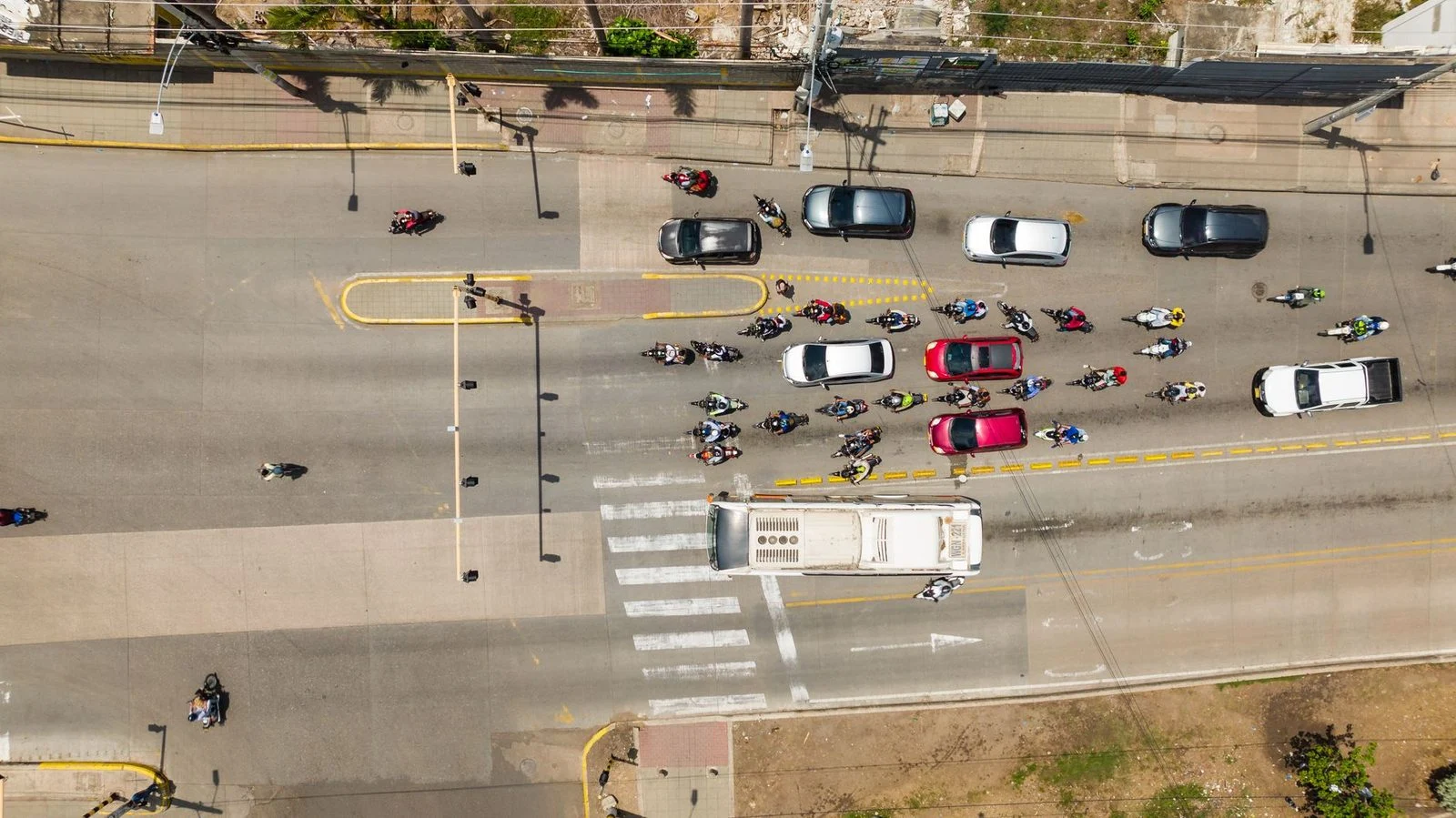
What Happens at the Scene and in the First Hours
The responding agency depends on where the crash happened. Outside city limits, the state police or sheriff’s office investigates. Inside city limits, the local police department does (La. R.S. 32:398).
Lanes may close, and crews may move vehicles and debris quickly. That’s why it helps to note where the motorcycle and other vehicles came to rest. Ask the responding officer for the agency name and report number, and write both down.
Get medical care even when injuries seem minor. Some injuries aren’t obvious right away. Keep your helmet and gear, too. Damage to them can show where impact happened.
How Investigators Reconstruct the Crash
Investigators build the timeline from the police report, marks on the road, vehicle damage, and witness accounts. A police report typically records the parties, vehicles, lanes, weather, roadway conditions, and the officer’s observations.
Investigators may measure skid marks, debris fields, and where vehicles came to rest. They may use damage patterns to estimate direction and speed. Other drivers and passengers may be interviewed at the scene or soon after.
Reports can contain errors or leave things out. Compare the report with photos, witness accounts, and medical records. Louisiana agencies must provide copies of crash reports and may charge up to $5 for a report of two pages or less, or up to $20 for longer reports, inclusive of all service fees and other charges (La. R.S. 32:398). Released New Orleans police reports may be redacted to protect privacy (New Orleans police report requests).
Why Traffic Camera and Toll Data Can Matter
Cameras and toll records can show where vehicles were and when. Cameras on interstates and bridges may record lane position, vehicle movement, and time, depending on what equipment is in place. Toll and transponder records may help confirm when a vehicle passed a point on a bridge.
Footage is not kept forever, so asking early matters. The Louisiana State Police crash-report page explains how crash reports are requested.
Whether footage or toll data exists, and what it shows, depends on the facts of each crash and the records each agency holds.
Other Evidence That Often Gets Overlooked
Some useful evidence never appears in a police report. Damage to the motorcycle, helmet, and gear can document impact points. Photos taken at the scene can show lighting, debris, and traffic.
Road conditions matter too. Construction signs, lane markings, lighting, and road maintenance may be relevant if a roadway condition contributed to the crash. Under Louisiana law, an owner or custodian is answerable for damage from a defect in a thing only upon a showing that they knew or should have known of the defect, that the damage could have been prevented with reasonable care, and that they failed to exercise such care, although a court may still apply res ipsa loquitur in an appropriate case (La. Civ. Code art. 2317.1).
Medical records connect the crash to the injuries and the treatment that followed.
Insurance Calls, Statements, and Who May Be Responsible
Other drivers, commercial vehicle operators, and entities responsible for roadways can each be part of a claim. Louisiana uses modified comparative fault (shared fault) (La. Civ. Code art. 2323).
Insurers often ask for recorded statements early.
Keep records of lost wages, out-of-pocket expenses, and treatment visits as they happen. The firm may associate or refer a case to other law firms.
Not sure what your next step is?
Talk it through with our team — the first consultation is free, confidential, and carries no obligation.
Time Limits and When a Family Faces a Wrongful Death Claim
Louisiana sets filing deadlines, and for most injury claims the general rule is two years. Under La. Civ. Code art. 3493.1, delictual (tort) actions are subject to a two-year liberative prescription (filing deadline) that starts on the day injury or damage is sustained. The article has exceptions for some cases, so timing should be reviewed for each claim.
When a person dies due to another’s fault, La. Civ. Code art. 2315.2 allows suit by certain surviving family members. The surviving spouse and children come first, then parents, then siblings, then grandparents, if no closer family survives. The right to sue prescribes one year from death or two years from injury, whichever is longer. A related survival action under La. Civ. Code art. 2315.1 has the same time period.
A family dealing with a fatal crash on I-10 or a New Orleans bridge often has questions about the report, the scene, and the timeline at once.
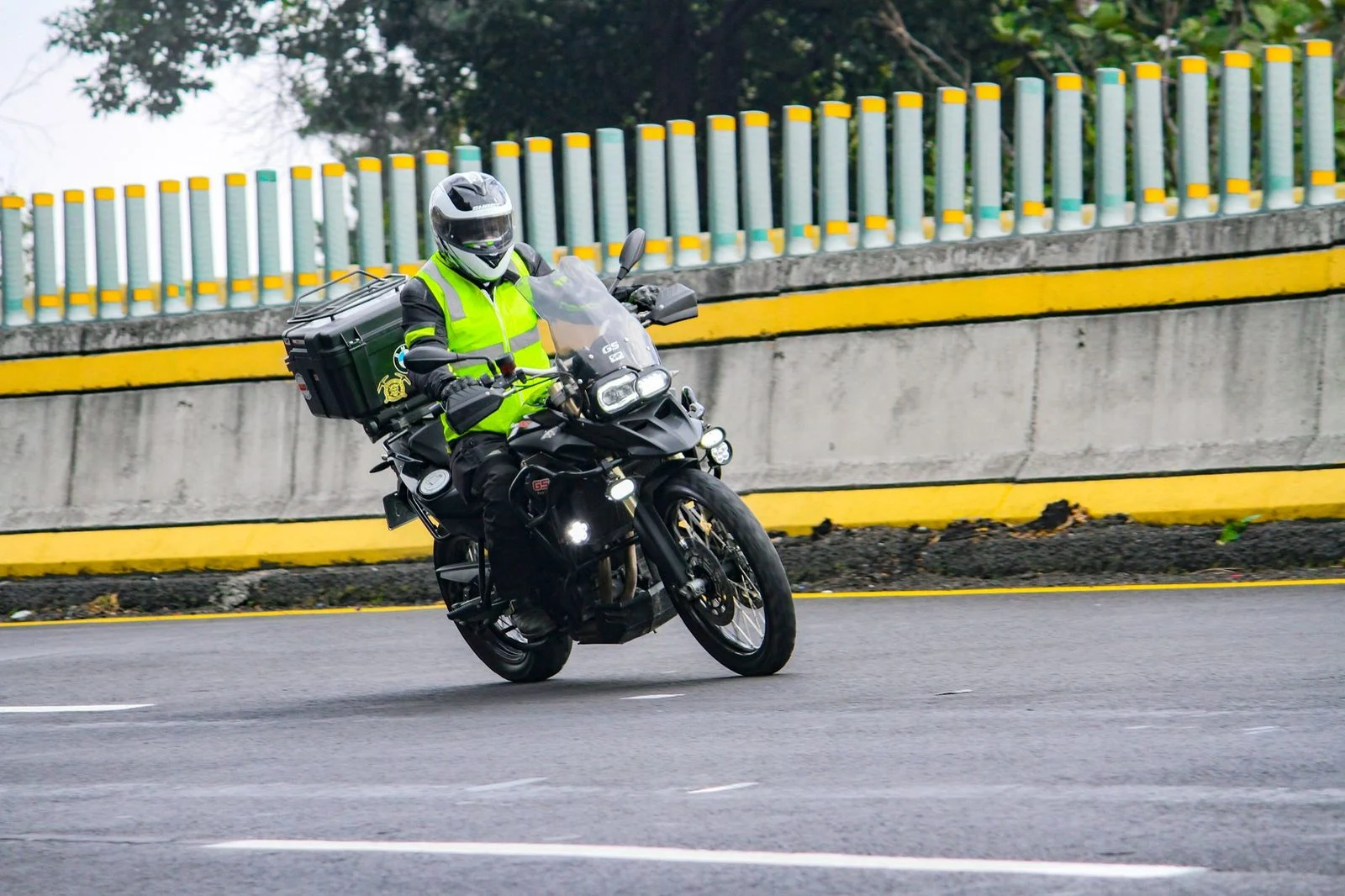
Talking With a New Orleans Motorcycle Accident Lawyer
Przemek Lubecki is the responsible lawyer for this page, and the firm’s office is in New Orleans.
How long do I have to file a motorcycle accident claim in Louisiana?
Under La. Civ. Code art. 3493.1, most injury claims have a two-year deadline that starts on the day of injury (La. Civ. Code art. 3493.1). The article has exceptions for some cases.
Can a family file a wrongful death claim after a crash?
Yes, but only certain surviving family members may sue. Under La. Civ. Code art. 2315.2, the right prescribes one year from death or two years from injury, whichever is longer.
Can I be found partly at fault?
Yes. Under La. Civ. Code art. 2323, when a person is hurt or killed, or suffers loss, partly because of his own negligence and partly because of someone else’s fault, and his share of the negligence is fifty-one percent or more, he is not entitled to recover damages. Under Paragraph C, if a person suffers injury, death, or loss as a result partly of his own negligence and partly as a result of the fault of an intentional tortfeasor, his claim for recovery of damages shall not be reduced. A person found less than 51% at negligent fault has damages reduced in proportion to that share, unless the injury resulted partly from the person’s own negligence and partly from the fault of an intentional tortfeasor, in which case the claim is not reduced (La. Civ. Code art. 2323).
If you were hurt on a motorcycle or lost someone in a crash on I-10 or a New Orleans bridge, you don’t have to sort out the reports, footage, and deadlines alone. Call 855-LUBECKI or request a free case evaluation. The first consultation is free, confidential, and without obligation.
How we approach your case
Plain-language answers
We explain each step in terms you can follow, so you always know where your case stands.
Advocacy for injured riders
We work to protect your interests while you focus on recovering from your injuries.
Confidential first conversation
Your free consultation is confidential and comes with no obligation to continue.
Based in New Orleans
Our office is in New Orleans, and we serve riders across Orleans Parish, the New Orleans metro and Louisiana.
Who may handle your case
American Trial Lawyer may associate or refer your case to other law firms. If that happens, we will tell you before any arrangement is made. Przemek Lubecki is the responsible lawyer for this page.
Practical steps in the days after a crash
Get medical care
Seeing a doctor promptly protects your health and creates an important record of your injuries.
Keep your records
Save crash reports, photos, receipts, and notes about pain, missed work and daily limits.
Be careful with insurance calls
Speak with a lawyer before giving a recorded statement or signing any release from an insurer.
Bring your questions to us
We can review what happened and explain what your options may look like on your facts.