
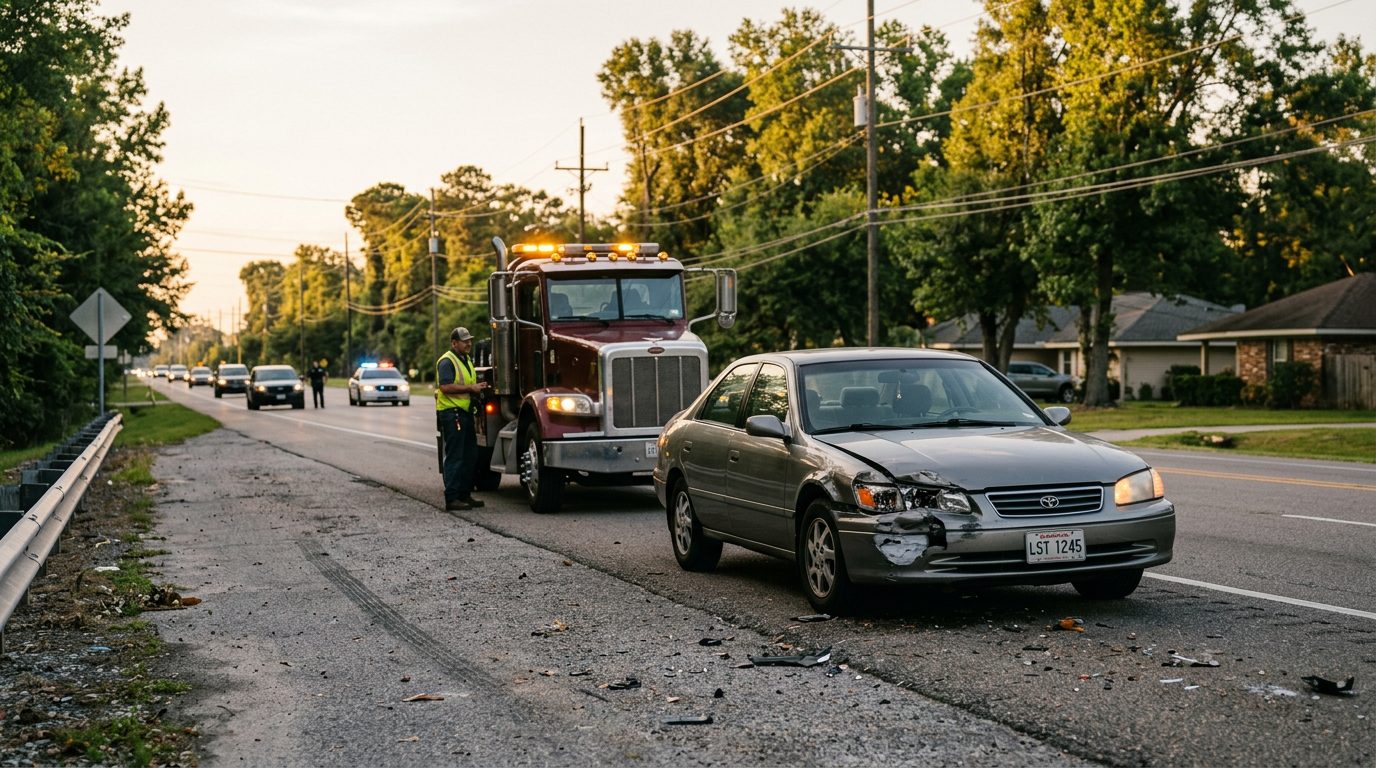
Truck Accidents | New Orleans, Louisiana
Understanding the Truck Accident Settlement Timeline in Louisiana
No two truck crash cases move at the same pace. Here is how the steps usually unfold, from the first days after a crash through negotiations and, when needed, a lawsuit. Led by trial lawyer Przemek Lubecki from our New Orleans office.
Starting your case with us
Free
First consultation, confidential and without obligation to continue
New Orleans
Office location serving Orleans Parish, the metro area and Louisiana
Przemek Lubecki
Trial lawyer responsible for the content of this page
By Przemek Lubecki · Published November 5, 2026
Short answer: why there is no single timeline
How long does a truck accident settlement take? There is no standard length. The answer depends on the facts of the crash, the injuries and the parties involved. Two claims can start the same week and finish months apart.
A simple claim with minor injuries and a clear cause often moves faster. A claim involving surgery, a long recovery, a brain injury or a death usually takes longer. Each stage needs time, and many of those stages cannot be rushed.
Louisiana also sets a clock. Under La. Civ. Code art. 3493.1, delictual (tort) actions carry a two-year filing deadline that runs from the day the injury is sustained, but it does not run against minors or interdicts in actions involving permanent disability brought under the Louisiana Products Liability Act or state product liability law. Timing decisions should start early.
Below are the stages that commonly shape a truck accident claim, and the facts that speed or slow each one.
If you're handling a truck crash on your own timeline, you don't have to answer these questions alone. Talk it through with our team — the first consultation is free, confidential, and carries no obligation.
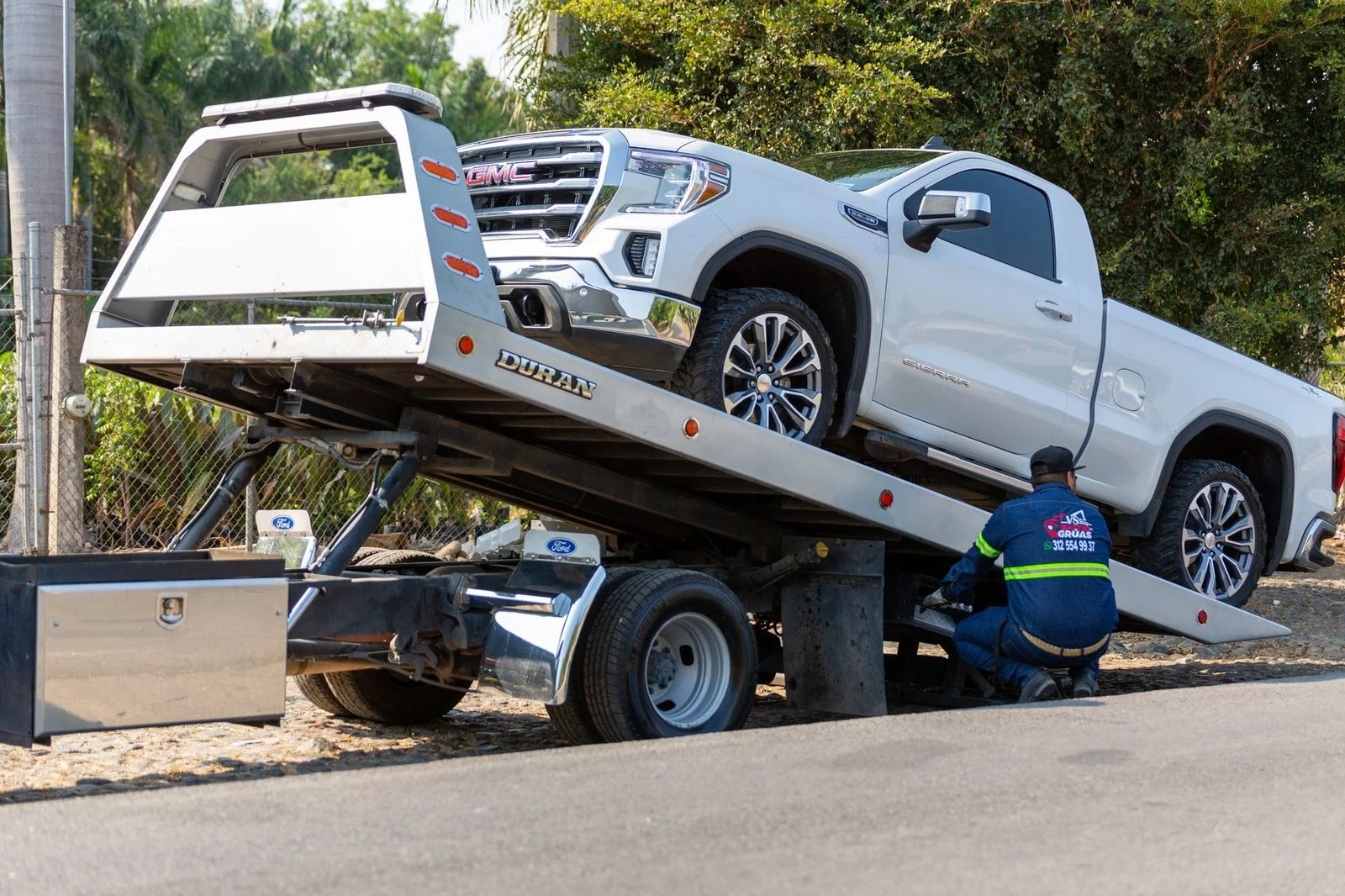
The first weeks: evidence and the trucking company’s response
Early steps matter because evidence can be lost, changed or thrown away. The crash report is one of the first records to track down. Under La. R.S. 32:398, the state police, the sheriff or a city police department investigates a reportable crash, depending on where it happened. Crash reports are confidential, but they are available on request only to the parties to the crash, parents or guardians of a minor party, insurers (or insurance support organizations under contract) of a party who is the subject of the report, healthcare providers (or their agents) who treated such a party, the succession representatives of those parties, the attorneys of the parties or succession representatives, and news-gathering organizations requesting documents for a specific crash. Upon request, they must be made available within seven working days after the investigation is complete.
Trucking companies also work under federal rules. Motor carriers subject to this part must install and require each of their drivers to use an electronic logging device (ELD) to record duty status under 49 CFR 395.8, with exceptions including manual recording in certain cases and private nonbusiness passenger carriers, which are excluded. Those logs, along with maintenance and dispatch records, can matter to fault. Records do not last forever. Carriers must keep records for the minimum retention periods provided in appendix A to 49 CFR 379.3, and the records may be destroyed at the discretion of company management after the required retention periods, though this does not excuse compliance with any other governmental body that prescribes longer retention periods. Post-accident drug and alcohol testing may also be required, according to FMCSA drug and alcohol testing guidance.
A serious crash may bring official investigations. These can add time, because records must be gathered and reviewed before the claim’s value is clear. Keep your own file too. Save the crash report number, photos, witness names, medical bills, insurer letters and proof of lost pay.
Medical treatment and when the injuries are understood
A claim is usually judged once the medical picture is clear enough to show what the injuries will mean over time. That point can come after a few weeks or after many months. Some injuries take longer to understand than others.
Brain injuries, spinal injuries and surgeries often need longer follow-up. Doctors may need time before they can describe the full extent of the harm. Rushing that stage can leave important effects out of the picture.
Follow your doctor’s advice and keep every treatment record. These records show what was done, why, and how you responded. They form much of the documentation a claim rests on. Tell your providers about every symptom, even ones that seem minor, and write them down.
Insurer negotiations, disputes over fault and the road to a lawsuit
Most claims with insurers move through negotiation before any lawsuit. Talks can stretch on when several parties or insurers are involved. A truck crash can involve the driver, the trucking company and other insurers.
Louisiana divides responsibility among those at fault. Under La. Civ. Code art. 2324, if liability is not solidary pursuant to Paragraph A, a joint tortfeasor (one of several at-fault parties) is not liable for more than its own degree of fault. Persons who conspire to commit an intentional or willful act are answerable in solido. Under La. Civ. Code art. 2323, if the degree or percentage of negligence attributable to the person suffering injury, death, or loss is equal to or greater than fifty-one percent, that person shall not be entitled to recover damages, except that a claim partly due to the fault of an intentional tortfeasor is not reduced. A smaller share reduces damages in proportion, unless the other fault is that of an intentional tortfeasor, in which case the claim is not reduced. Disputes over these shares often slow talks down.
Early offers can arrive before the full medical picture is known. Reviewing an offer carefully takes time. Don’t rush a decision because the pressure feels urgent.
If talks do not resolve the claim, a lawsuit may be filed. Court schedules, discovery and motions add time. Filing rules still apply. Under La. Civ. Code art. 3463, if a plaintiff abandons a suit, voluntarily dismisses it, or fails to prosecute it at trial, interruption of prescription is considered never to have occurred; a dismissal pursuant to a compromise does not count as a voluntary dismissal. American Trial Lawyer may associate or refer a case to other law firms where appropriate, and that can affect the timeline.
Wrongful death and catastrophic injury claims
A wrongful death claim after a truck crash follows its own deadline rules. Under La. Civ. Code art. 2315.2, the right of action prescribes one year from the death or two years from the injury, whichever is longer. The statute also names who may bring the claim. It starts with the surviving spouse and children. Parents, siblings and grandparents come next, but only when no closer relative survives.
When an injured person dies later from the crash, La. Civ. Code art. 2315.1 provides a survival action. Its one-year-or-two-year period works in a similar way.
Families often juggle records, insurer calls and questions about who may bring a claim, all at the same time. That load can make the timeline feel longer. Claims involving a brain injury or lasting impairment also usually need more time, because the medical picture takes longer to become clear.
Why the timeline and the final payment are different questions
How long a claim takes does not predict the final amount. A claim can close quickly or slowly, and its value depends on the injuries, the proof and the fault findings. Speed alone tells you little about the outcome.
Several items can affect what remains after a settlement. Medical bills, reimbursement claims and other obligations may need to be addressed from the settlement. Ask about each one early, so the picture is clear before you decide.
Fault matters here too. Under the comparative fault rule in La. Civ. Code art. 2323, if the injured person’s own negligence is equal to or greater than fifty-one percent, that person is not entitled to recover damages; if it is less than fifty-one percent, the damages recoverable are reduced in proportion to that negligence, but if the injury is partly due to the fault of an intentional tortfeasor, the claim is not reduced. Keep that in mind when you review any number on the table.
Not sure what your next step is?
Talk it through with our team — the first consultation is free, confidential, and carries no obligation.
Talk with the New Orleans office about your timeline
Timing questions are easier to answer with the facts of your own case. You may be researching for a family member, or waiting on medical care and insurance calls. Those questions can feel urgent. American Trial Lawyer’s office is in New Orleans, and Przemek Lubecki is the responsible lawyer for this page. The firm represents people across Orleans Parish, Jefferson Parish, St. Bernard Parish and the New Orleans metro.
How long does a truck accident settlement take?
There is no fixed length. Evidence, medical treatment, negotiations and any lawsuit all shape the timeline, and no set number of months applies.
Is there a deadline to file in Louisiana?
Yes. Under La. Civ. Code art. 3493.1, delictual (tort) actions generally carry a two-year filing deadline. Wrongful death claims follow their own rules.
Do I have to wait for treatment to end?
Not always. A claim is often judged once the medical picture is clear enough, which can take weeks or many months.
If you’re handling a truck crash on your own timeline, you don’t have to answer these questions alone. Call 855-LUBECKI or request a free case evaluation. The first consultation is free, confidential and without obligation.
What to expect when you contact us
A straightforward first call
Tell us what happened and we will explain the next steps in plain language.
Confidential from the start
Your first consultation is confidential and comes with no obligation to continue.
Early evidence preserved
We discuss what records, photos and reports may matter so important information is kept.
Honest updates
We keep you informed about where your case stands at each stage of the timeline.
Every timeline is different
Settlement timing depends on the facts of each crash, the injuries involved, medical treatment and the responses of those involved. No outcome or time frame can be promised. The firm may associate or refer a case to other law firms, and if that is likely in your matter, we will tell you.
The stages of a truck accident case
Early investigation
Gathering crash reports, driver logs, vehicle data and witness information while it is still available.
Medical treatment and documentation
Recovery and treatment records take time to build, and they often shape how a case develops.
Insurance negotiations
Once the facts and damages are clearer, the claim may move into discussions with the insurers involved.
Filing a lawsuit if needed
When a fair resolution cannot be reached through negotiation, a lawsuit may be the next step.
Preparing for trial
Some cases move toward trial, which adds time for discovery, expert review and preparation.