

Wrongful Death Claim Louisiana: Seat Belt, Helmet Questions
By Przemek Lubecki · Published October 22, 2026
In some cases, it bars recovery entirely. This page explains the general framework for families asking these questions after a loss.
Why seat belt and helmet use comes up in a wrongful death claim
Seat belt and helmet use comes up because the other side may argue the person who died shared the blame for the harm. Many families ask this question in the first days or weeks after a death. They are often still planning a funeral and coping with grief.
Under La. Civ. Code art. 2315.2, if a person dies due to the fault of another, certain family members may sue to recover damages from that death. A surviving spouse and children come first. Parents may sue if there is no spouse or child. Brothers, sisters and grandparents have narrower places in the order.
The other side may raise seat belt or helmet use as part of its argument about fault. That argument falls under Louisiana’s comparative fault rules, explained below (La. Civ. Code art. 2323).

Not sure what your next step is?
Talk it through with our team — the first consultation is free, confidential, and carries no obligation.
What Louisiana’s seat belt and motorcycle helmet laws say
Louisiana’s motorcycle helmet law sets a clear rule for riders.
La. R.S. 32:190 says no person may operate or ride on a motorcycle, motor-driven cycle or motorized bicycle without a safety helmet of the approved type. The helmet must be worn on the head and secured with a chin strap while the vehicle is in motion. The statute does not apply to an autocycle equipped with supports, or a rollbar or roll cage, that meet its standards.
Seat belt questions usually come up through the fault rules, not as a separate issue. In a civil case, a court or jury weighs the evidence about the crash to decide fault. Statutes change over time, so the current text matters.
How comparative fault can reduce a Louisiana wrongful death recovery
Under Louisiana’s comparative fault rule, a share of fault assigned to the person who died can reduce what the family may recover (La. Civ. Code art. 2323).
La. Civ. Code art. 2323 says fault is determined for everyone who caused or contributed to a death. That includes people who are not parties to the case. Under La. Civ. Code art. 2323, if the degree or percentage of negligence attributable to the person suffering injury, death, or loss is equal to or greater than fifty-one percent, that person shall not be entitled to recover damages. Under La. Civ. Code art. 2323, if the degree or percentage of negligence attributable to the person suffering injury, death, or loss is less than fifty-one percent, the amount of damages recoverable shall be reduced in proportion to that degree or percentage of negligence.
The crash date therefore matters.
The key question is usually causation. The Insurance Institute for Highway Safety reports that motorcycle crashes and lack of helmet use raise the risk of traumatic brain injury and death. That is general research, and it does not decide a Louisiana claim. How fault is divided depends on the facts of the crash and the evidence available.
Evidence families and lawyers often look at
Several kinds of evidence can help answer seat belt and helmet questions. The crash report, scene evidence, vehicle information and medical records are the main places to start.
La. R.S. 32:398 makes crash reports confidential. Upon request, they are made available within seven working days after the crash investigation is completed. The same statute requires a coroner to report a crash-related death and its circumstances within sixty days.
If someone took a written or recorded statement from an injured person, La. R.S. 13:3732 requires that the person receive a true and complete copy. The copy is due within twenty days after a written demand.
Photos, vehicle damage, witness names, and coroner or medical examiner records also matter. Keep the helmet, clothing and vehicle parts as they are. Do not clean, repair or throw them away. Ask a lawyer how to request records in time.
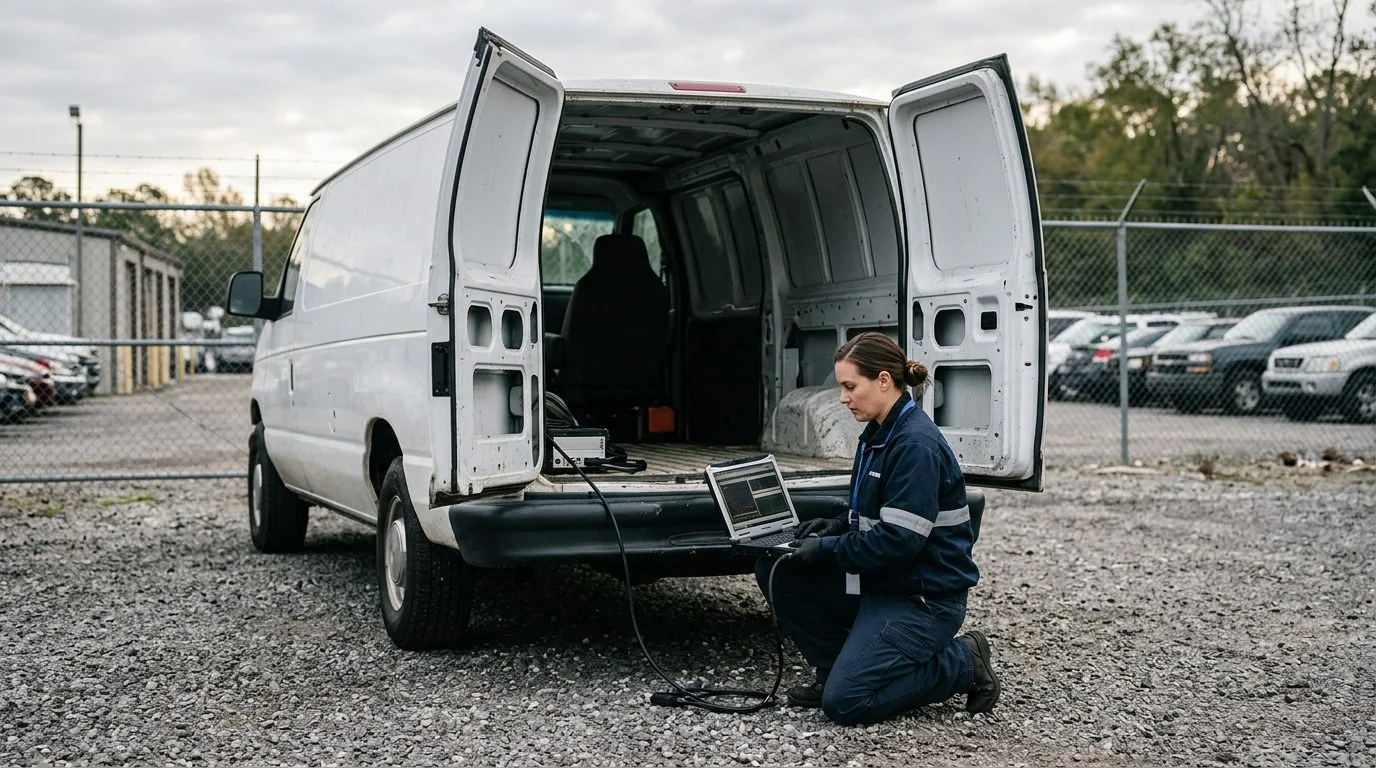
Talking with a New Orleans lawyer about your family’s situation
Przemek Lubecki is the responsible lawyer for this page, and American Trial Lawyer’s office is in New Orleans. A confidential talk can help your family understand how these rules may apply to your loss.
Timing matters. La. Civ. Code art. 2315.2 sets a filing deadline for wrongful death claims, and the dates turn on when the death and the injury happened.
If you’re handling a loss and wondering whether a seat belt or helmet question will matter, call 855-LUBECKI or request a free case evaluation. A free initial consultation is confidential and without obligation. You may be responsible for case costs and expenses in addition to the fee.
The firm may associate or refer a case to other law firms. Reading this page does not create an attorney-client relationship.
Frequently asked questions
Can a seat belt or helmet question reduce a recovery?
Yes, under Louisiana’s comparative fault rule, a share of fault assigned to the person who died can reduce damages. See La. Civ. Code art. 2323.
Is a motorcycle helmet required in Louisiana?
Yes, La. R.S. 32:190 requires operators and riders to wear a helmet secured with a chin strap while the vehicle is in motion, with an exception for an autocycle equipped with supports that meet or exceed the standards for a safety helmet or a rollbar or roll cage.
Who can file a wrongful death suit in Louisiana?
Under La. Civ. Code art. 2315.2, a surviving spouse and children come first, then parents only if the deceased left no spouse or child surviving, then siblings only if the deceased left no parent surviving, and grandparents only if the deceased left no sibling surviving either. A father or mother who abandoned the deceased during his minority is deemed not to have survived him.
Ready to take the next step?
Have questions about what happened?
Ask our team directly. The first conversation is free, confidential, and there is no obligation to continue.