
Wrongful Death | New Orleans, Louisiana
When a Loved One Dies as a Passenger in a Car Accident
Przemek Lubecki and our team in New Orleans represent families in wrongful death cases arising from car, truck and commercial vehicle crashes across Orleans Parish, the New Orleans metro and Louisiana.
By Przemek Lubecki · Published November 2, 2026
Passenger Killed in Car Accident New Orleans Wrongful Death Claims
If a loved one died as a passenger in a car crash, Louisiana law may allow family members to bring a wrongful death claim. The claim seeks damages for losses caused when another party’s fault led to the death. This guide explains who can sue, who may be responsible, what must be shown and which deadlines apply. It is written for families in New Orleans and Orleans Parish who are grieving and trying to understand their options at the same time.
If a crash has taken someone you love and you're not sure what your family's options are, we're glad to talk it through with you. Talk it through with our team — the first consultation is free, confidential, and carries no obligation.
What a Wrongful Death Claim Is and Who It Is For
A wrongful death claim is a lawsuit that family members bring after a person dies because of another party’s fault. A passenger’s family can bring this claim when someone else’s negligence caused the crash. Louisiana law makes every person responsible for the damage they cause through negligence, imprudence or want of skill. La. Civ. Code art. 2316
Louisiana also sets out who may sue. If there is no spouse or child, the surviving father and mother may sue, or either of them. A father or mother who has abandoned the deceased during his minority is deemed not to have survived him. If there is no spouse, child or parent, surviving brothers and sisters may sue. A father or mother who has abandoned the deceased during his minority is deemed not to have survived him. If none of those survive, surviving grandparents may sue. Adopted relatives count in these categories. La. Civ. Code art. 2315.2
A separate survival claim for injury the passenger suffered before death is governed by art. 2315.1. The same family members may pursue it under La. Civ. Code art. 2315.1. If no family class exists, the deceased’s succession representative may pursue those damages.
Who May Be Responsible When a Passenger Dies
The party whose negligence caused the crash may be responsible, even when the passenger was not driving. Possible responsible parties include:
- The driver of the vehicle the passenger was riding in, if that driver’s carelessness contributed to the crash.
- Another driver who ran a light, crossed a center line or drove while impaired.
- The operator of a commercial vehicle, such as a truck, bus or van.
- A rideshare driver or company. The facts of the trip decide which parties and which insurance may apply.
Louisiana divides fault, sometimes called comparative fault (shared fault), among everyone who contributed. Under La. Civ. Code art. 2323, this includes people who are not parties to the lawsuit. Under La. Civ. Code art. 2323(A)(2)(a), a person suffering injury, death, or loss is not entitled to recover damages if the degree or percentage of negligence attributable to that person is equal to or greater than fifty-one percent. Under La. Civ. Code art. 2323(A)(2)(b), if the degree or percentage of negligence attributable to the person suffering injury, death, or loss is less than fifty-one percent, the amount of damages recoverable is reduced in proportion to that negligence.
Under La. Civ. Code art. 2324, a party generally answers only for its own share of fault. The exception applies when people conspire to commit an intentional or willful act.
What a Family Must Prove and the Evidence That Matters
A family must show that another party’s negligence caused the crash, and that the crash caused the death. In plain terms, that means:
- Cause: that failure caused the crash.
- Harm: the crash caused the death and the family’s losses.
Evidence often includes:
- The crash report. Under La. R.S. 32:398, crash reports are confidential. They are available only to the parties, their attorneys, insurers and certain others. Upon request, they must be made available within seven working days after the crash investigation is complete.
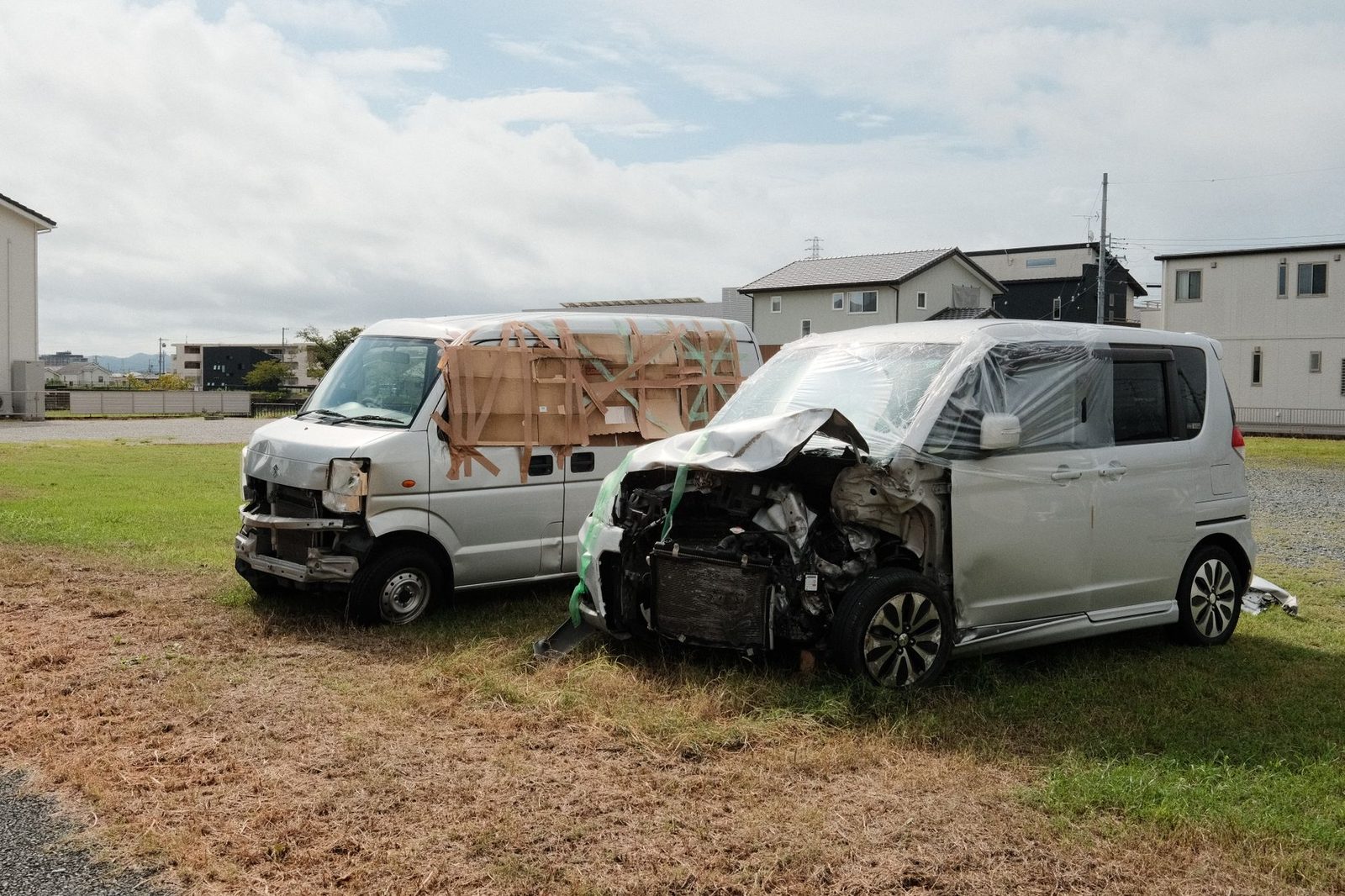
- Witness names and statements, photographs, scene measurements and vehicle damage records.
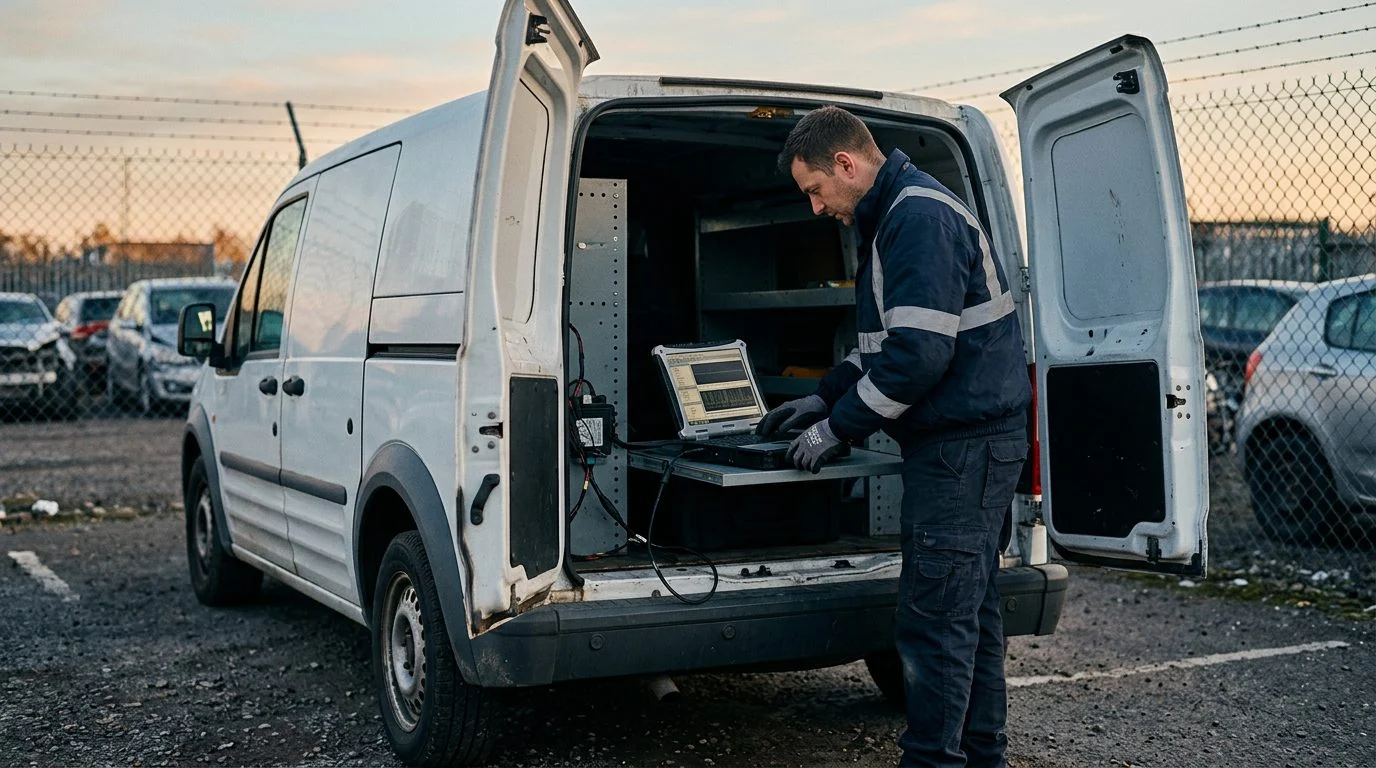
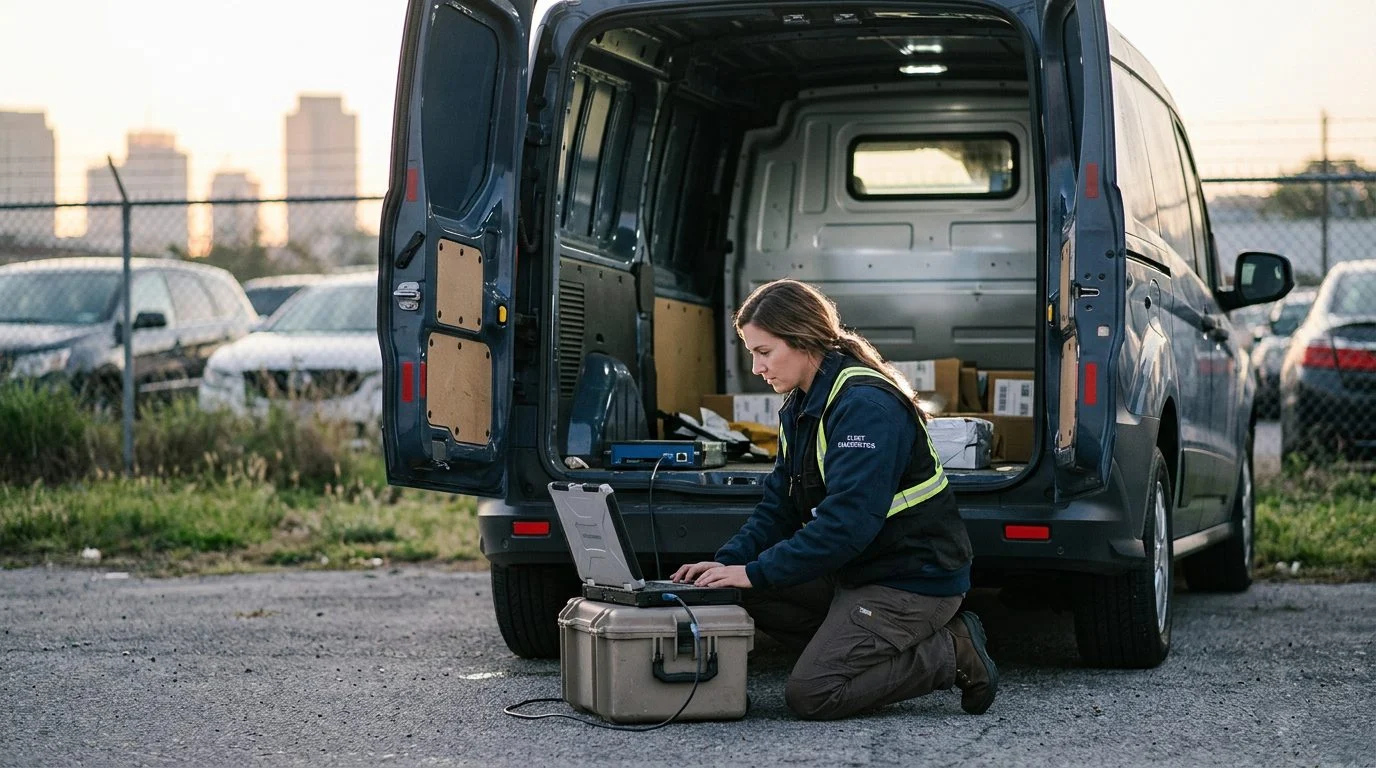
- Phone and vehicle electronic data, where it exists and can be preserved.
- Medical records, obtained lawfully and relevant to the crash.
Evidence fades. Vehicles get repaired or sold, and records are discarded over time. Acting early keeps more options open.
What a Family May Recover After a Fatal Crash
The losses a family may recover depend on each relative’s relationship to the person who died and on the facts of the case. Louisiana law allows damages for loss of consortium, service and society. In plain terms, that covers the family’s loss of the person’s companionship and help. These damages go to the same family members who can bring a wrongful death claim. La. Civ. Code art. 2315
Under La. Civ. Code art. 2315, damages may include loss of consortium, service, and society; the survival claim for the passenger’s own injuries before death is a separate claim under art. 2315.1. No one can promise a dollar amount, because every case turns on its own facts. A family should be wary of any promise of a specific number.
How the Process Works, Step by Step
Most wrongful death matters move through the same stages, though timelines vary with each case.
- First consultation. The first consultation is free, confidential and without obligation to continue.
- Gathering records. The team collects the crash report, medical and funeral records, insurance information and witness contact details.
- Insurance contact. Family members can route calls from insurers through counsel, so they don’t have to handle claim discussions alone.
- Investigation. Liability, damages and every party who may be responsible are reviewed.
- Negotiation or suit. The claim may be negotiated or filed in the proper court. In a lawsuit, discovery is the exchange of information between the sides before trial.
- Resolution. The case may end in a settlement or go to trial. Timelines can be long and vary widely.
Not sure what your next step is?
Talk it through with our team — the first consultation is free, confidential, and carries no obligation.
When the Driver Is Unknown, Uninsured or Coverage Is Limited
A family may still have options when the at-fault driver is not identified or has no insurance, but for an unidentified driver whose vehicle had no physical contact with the injured party, the injured party must prove by an independent and disinterested witness that the injury resulted from that driver’s actions. La. R.S. 22:1295 Insured drivers can reject this coverage, choose lower limits, or select economic-only coverage, so the policy language matters.
When the other vehicle never made physical contact with the victim’s vehicle, the statute requires the injured party to prove the other driver’s actions through an independent and disinterested witness. La. R.S. 22:1295 reads: “(i) Damage where there is no actual physical contact between the covered motor vehicle and an uninsured motor vehicle, unless the injured party can show, by an independent and disinterested witness, that the injury was the result of the actions of the driver of another vehicle whose identity is unknown or who is uninsured or underinsured.”
Available insurance may be limited. A family may need to review every policy that could apply, including commercial coverage. Keep copies of insurance letters, note every call, and read any release carefully before signing it. These steps add work, but they do not, by themselves, end a claim.
Why Families Work With American Trial Lawyer
American Trial Lawyer, LLC handles wrongful death, car, truck, commercial vehicle, rideshare, motorcycle, brain injury and negligent security matters. The firm’s office is in New Orleans. Przemek Lubecki is the responsible lawyer for this page. Our team focuses on serious injury and fatal crash cases for families in Orleans Parish, across the New Orleans metro area and throughout Louisiana.
The firm may associate or refer a case to other law firms. If that happens, the arrangement will be explained to the family.
Frequently Asked Questions About Passenger Wrongful Death Claims
Can my family sue if my loved one was a passenger?
Often yes, if another party’s negligence caused the crash. Louisiana’s shared fault rules then decide how much may be recovered.
Can my family sue if a hit-and-run driver killed my loved one in New Orleans?
Families may have options even when the driver is not identified. The facts of the crash decide which steps apply.
Who can file a wrongful death claim in Louisiana?
The surviving spouse and children come first. If none survive, parents, then siblings, then grandparents may file, under La. Civ. Code art. 2315.2. A father or mother who has abandoned the deceased during his minority is deemed not to have survived him.
How long do we have to file?
Louisiana gives one year from the death or two years from the injury, whichever is longer, under La. Civ. Code art. 2315.2. The exact date depends on the facts, so families should act promptly.
Do we have to pay anything up front?
The first consultation is free, confidential and without obligation to continue. Fee terms are explained in writing, and you may be responsible for case costs and expenses in addition to the fee.
Does a police report decide fault?
A crash report is important evidence.
If you are sorting through a sudden loss and wondering what your family can do next, we are glad to talk it through. Request a free case evaluation or call 855-LUBECKI for a free consultation at our New Orleans office.
How we approach a family's loss
Compassionate, plain-language guidance
We explain each step in clear terms, so you know what to expect while you are grieving.
Focused on protecting your family's interests
We look closely at how the crash happened and who may be responsible for the loss of your loved one.
A free, confidential first consultation
The first consultation is free, confidential and without obligation to continue.
Association or referral with other firms
The firm may associate or refer a case to other law firms when that is in the family's best interest.
Unsure what happened or who was responsible?
Families often have questions even when the driver is unknown, or when the crash involved a truck or other commercial vehicle. Every case depends on its own facts, so the best next step is a conversation about what happened.
Information that can help at your first meeting
Crash and police reports
Any accident report, citation or incident number you have received can help us understand the crash.
Medical and funeral records
Hospital, emergency response and funeral documents show the circumstances and costs your family has faced.
Insurance letters
Letters from insurance companies can be shared with us so we can review them with you.
Photos and witness details
Photos of the vehicles, the scene and the names of anyone who saw the crash may be useful.