
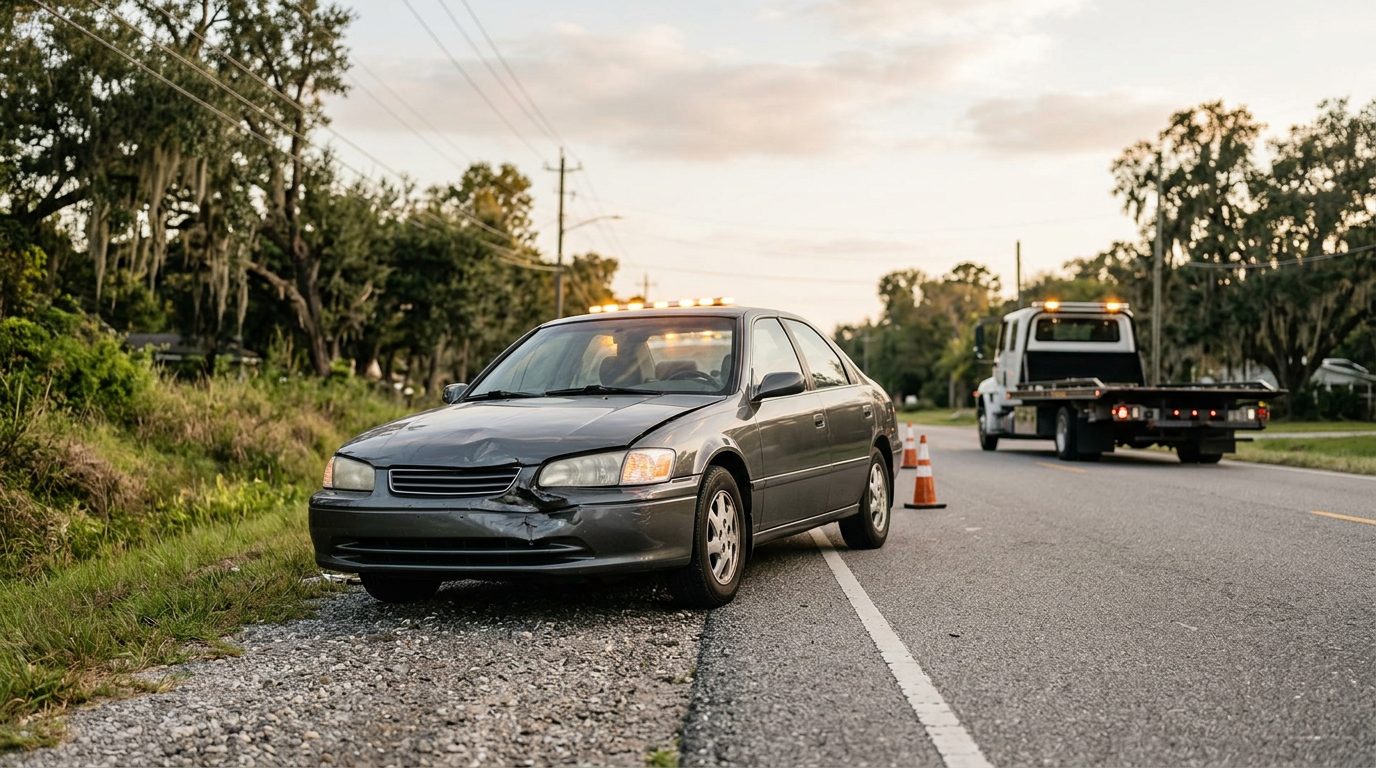
Wrongful Death and Car Accidents | New Orleans
Evidence Matters After a Fatal Car Crash
A plain-language checklist for families in New Orleans and across Louisiana. Przemek Lubecki, trial lawyer, leads the team at our New Orleans office.
Start With a Conversation
Free
First consultation, confidential and without obligation
New Orleans
Office in New Orleans, serving Orleans Parish and the metro area
By Przemek Lubecki · Published October 24, 2026
The most important evidence after a fatal car crash in New Orleans is the evidence that can disappear first. That includes the vehicles, the crash report, phone data, video, and the names of witnesses. Families do not need to investigate the crash. They only need to keep what already exists from being lost. This page explains what to keep, why it matters, and who usually holds it.
This is general information, not legal advice about any specific case. Every crash is different.
Why Evidence Matters Early After a Fatal Crash
Evidence after a fatal car crash in New Orleans can change quickly. Vehicles are often moved to a tow yard, and they may be repaired, released, or sold. Surveillance video can be overwritten on a regular schedule. Phone records, text messages, and app data can be deleted or lost.
Louisiana also sets filing deadlines for wrongful death claims. Under La. Civ. Code art. 2315.2, the right to sue prescribes one year from the death or two years from the day the injury was sustained, whichever is longer. Deadlines depend on the facts, so a family should ask a lawyer early.
Keeping records now does not mean deciding on a claim. It means holding onto items that may matter later.
If you are holding your loved one's phone, a tow receipt, or a crash report number, our team can go over those items with you in a free, confidential consultation. Talk it through with our team — the first consultation is free, confidential, and carries no obligation.
Records From the Crash Scene and the Investigation
The crash report is the central record, and the first step is to note its details. Write down the investigating agency, the report number, and the date you asked for the report.
Under La. R.S. 32:398, crash reports are confidential. They are made available only to listed people, such as the parties to the crash, insurers of a party, and attorneys of the parties or succession representatives. Upon request, the reports must be made available within seven working days after the crash investigation is complete. Louisiana’s crash-reporting statute, La. R.S. 32:398, provides that all data and reports belong to the law enforcement agency that created the report, and that all collective data belongs to the state of Louisiana.
Keep any citations, incident numbers, and business cards from the officers or troopers who responded. The Orleans Parish Coroner’s Office handles death investigations. Ask that office about autopsy and toxicology reports, and how to get information about the investigation.
Photographs and Video of the Scene, the Roadway, and the Vehicles
Photos taken early capture details that change fast. If you or a trusted person can take photos, focus on the roadway, lane markings, traffic signals and signs, lighting, weather, skid marks, debris, and where each vehicle came to rest.
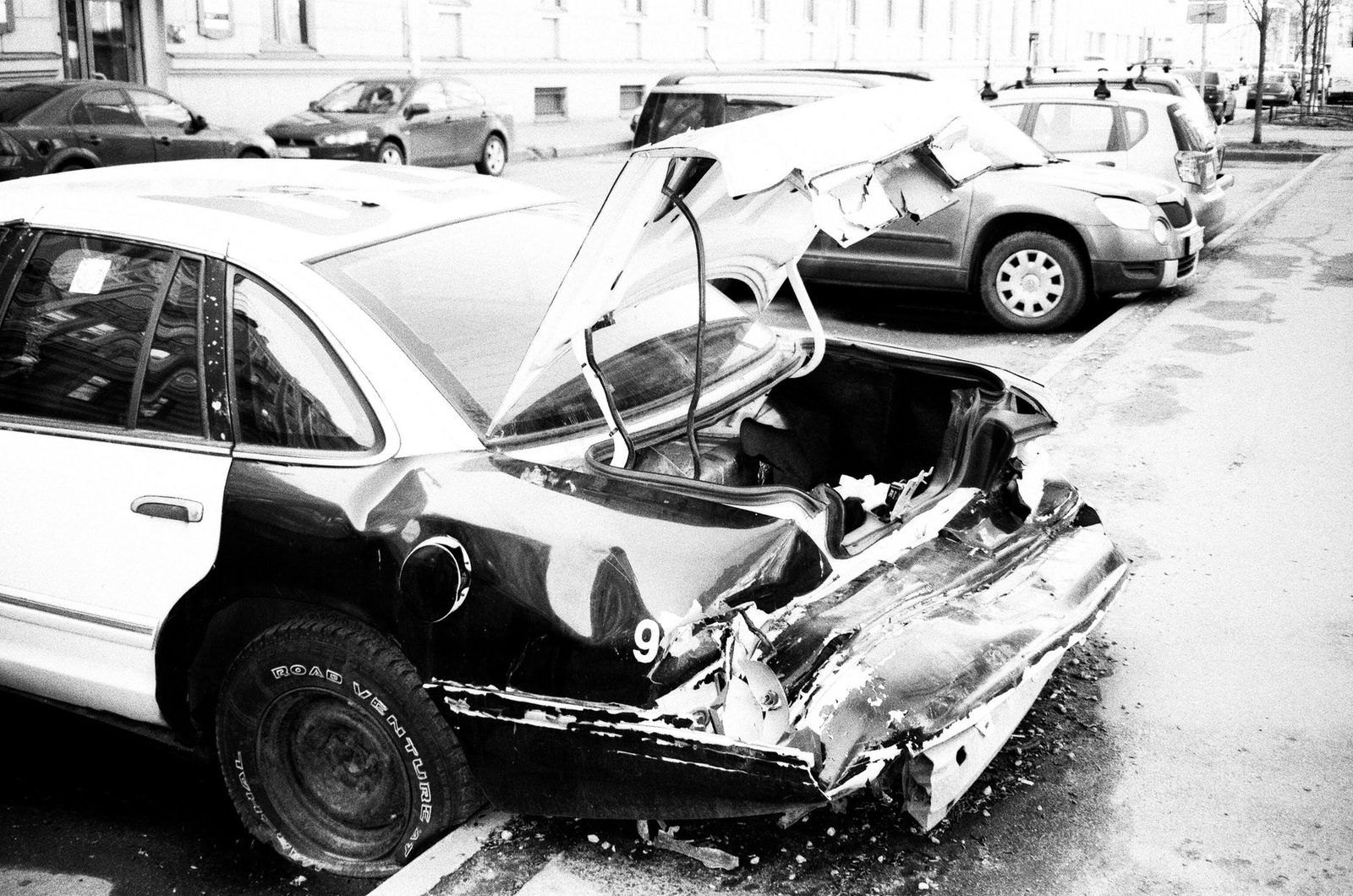
Vehicles matter too. Damage patterns, airbag deployment, and mechanical condition can all be important. Some vehicles store crash data in their airbag control module.
Ask the tow yard or storage facility in writing to hold the vehicles. Keep the storage receipts and the names and numbers of the people you spoke with. Do not repair, release, or sell the vehicle until you have talked with a lawyer.
Police photos and video can also be requested. Under La. R.S. 32:398, state police, local police departments, and sheriff’s offices must provide copies of crash photographs and video recordings to any interested person on request, and may charge a reasonable fee.
If a road condition may have played a role, write down what you saw. Note the location, the date, and any missing signs, construction, or defects. Dated notes help show when a condition existed.
Witness Information and Digital Records
Write down witness names and phone numbers as soon as you learn them. People move, and memories fade.
Digital records are often the easiest to lose. These include the deceased person’s phone, call and text logs, navigation and map history, app records, and any dashcam or nearby business video. If the crash involved a rideshare trip, the app’s trip records may matter. For a commercial vehicle, driver logs and company messages may be relevant.
Keep the phone powered off or in a safe place. Write down its passcode and the accounts it uses. Avoid deleting messages or scrolling through content in ways that could change it.
If anyone took a recorded or written statement from the injured person, that person’s personal representative may ask for a copy. Under La. R.S. 13:3732, the person who took the statement, or anyone having possession of it, must provide a true and complete copy within twenty days after written demand, and if a person having possession of the statement refuses, upon request, to furnish a copy, the statement cannot be admitted in evidence or otherwise used in any civil action relating to its subject matter.
Our team may associate with or refer a case to other law firms when that is appropriate. A family’s matter may therefore involve co-counsel.
Medical, Funeral, and Financial Records
Gather hospital, emergency medical services, and treating-provider records. Include records of any injuries or conditions the person had before the final event, because providers may need that history.
Keep funeral and burial invoices, receipts for medical care, and bills for other costs that followed the crash. Keep the death certificate with these papers.
Records of the deceased person’s income, employment, and benefits can show the financial support the family relied on. Pay stubs, tax returns, and benefit statements are common examples.
Insurance paperwork matters for medical bills. Under La. R.S. 9:2800.27, when a health insurer or Medicare paid a contracted provider, recovery of those medical expenses is limited to the amount actually paid and any cost sharing. It is not limited to the amount billed. Keep explanation-of-benefits statements and proof of payment.
Keep a simple log of calls with insurers, employers, and agencies. Record the date, the name of the person, what was said, and the claim number.
Injuries That Can Be Hard to Document
Some injuries do not show clearly at the scene. Brain injuries are one example. They may need careful medical records to document.
Ask each provider for complete records. These include imaging, test results, and the doctors’ notes. Ask for notes that describe symptoms, changes in behavior, or memory and thinking problems the person reported before death.
Family members who saw the crash or its aftermath may have useful observations. Write them down soon, while they are still clear. Include the time, what was said, and who else was present.
Not sure what your next step is?
Talk it through with our team — the first consultation is free, confidential, and carries no obligation.
How Long Investigations Take and What Is Public
The length of a fatal crash investigation varies. Do not assume findings or reports will come quickly.
Public access depends on the agency and the type of record. Photographs and video are available on request for a reasonable fee.
For insurance information on another vehicle, Louisiana keeps a record through the Department of Public Safety and Corrections. Under La. R.S. 32:871, an interested person may request that information in writing and pay a fifteen dollar fee.
Keep a request log. Record the date you asked for each record, the agency, and the person you spoke with. Keeping everything in one place makes the next steps easier.
Frequently Asked Questions
What happens to the body after a fatal car crash?
The Orleans Parish Coroner’s Office handles death investigations. Ask the office how to get information about the investigation and the person’s remains.
Are all fatal car accidents public record?
Not all records have the same access. Under La. R.S. 32:398, crash reports are confidential and limited to listed people, while photos and video can be requested for a reasonable fee.
How long does a fatal car crash investigation take?
The time varies by agency and by case. Keep a written log of every request and its date.
What injuries are hard to prove?
Injuries that do not show clearly at the scene, such as brain injuries, often depend on complete medical records and early written observations.

Talk With a New Orleans Lawyer About Your Family’s Next Steps
If you are holding a phone, a tow receipt, or a crash report number, you do not have to sort out the next steps alone. Przemek Lubecki, the responsible lawyer, can review these items with you in a free consultation.
Call 855-LUBECKI (Office in New Orleans) or request a free case evaluation. The first consultation is free, confidential, and without obligation to continue. The firm handles wrongful death cases and car, truck, commercial vehicle, motorcycle, and rideshare crash matters. It may associate with or refer a case to other law firms.
What Families Often Ask Us to Help Organize
Police and crash records
Gather the crash report, citations, and any supplemental reports, and note which agency responded.
Vehicle and roadway evidence
Ask that the vehicles, debris, skid marks, and road conditions be documented before they are moved or repaired.
Witness information
Write down names and contact details for anyone who saw the crash or arrived shortly after it.
Medical and coroner records
Keep copies of hospital, EMS, and autopsy-related records, and note who has been in contact with the family.
A Simple Checklist to Keep Together
At the scene or soon after
Photos of the vehicles, the road, traffic signals, and weather. Names of drivers, passengers, and witnesses.
In the first days
Keep a folder for all paperwork, including insurance letters, bills, and funeral receipts. Write down dates of phone calls.
Digital and vehicle data
Ask that phones, dash cameras, and vehicle event data be preserved. Digital evidence can change or be lost quickly.
Your family's account
Write down what your loved one was doing, where they were going, and what you know about the crash while memories are fresh.
Important Note
This checklist is general information, not legal advice. Every case is different. Our firm may associate or refer a case to other law firms when that is in a family's best interest.
Talk With Our New Orleans Team
Related practice areas
- How to File a Wrongful Death Lawsuit in Orleans Parish: A Family’s Step-by-Step Guide
- Louisiana Wrongful Death: Suing a Driver’s Estate