
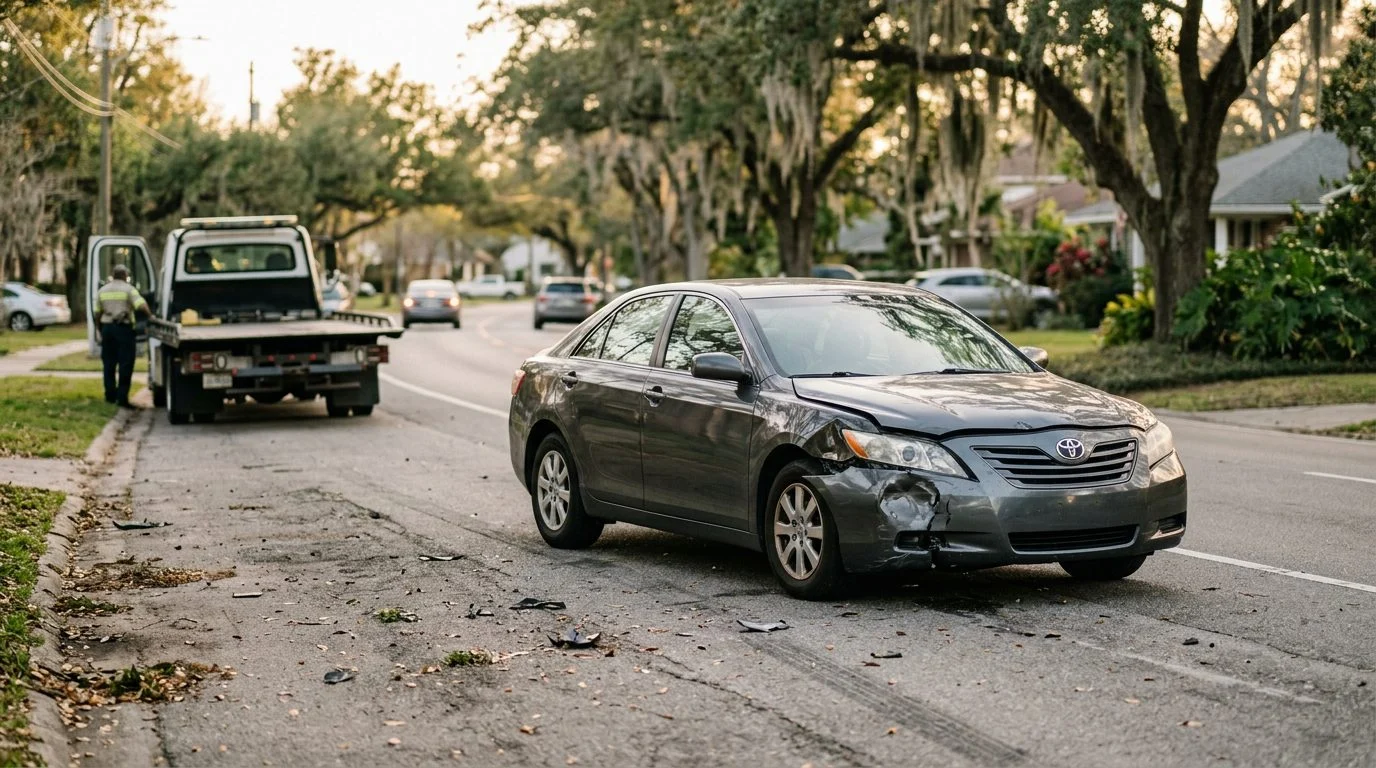
New Orleans Car Accident Guide
After a Car Accident in New Orleans, Know Your Next Steps
Plain-language guidance from New Orleans trial lawyer Przemek Lubecki on what to do after a crash, how crash reports work, and when to speak with a lawyer. Your first consultation is free, confidential and without obligation. You may be responsible for case costs and expenses in addition to the fee. Office in New Orleans.
What to Focus on First
Get medical care
Some injuries, including brain injuries, may not be obvious right away. A prompt medical evaluation protects your health and creates a record of your injuries.
Keep your records
Save photos, the other driver's information, repair estimates, medical bills and any notes about the crash while the details are still fresh.
Be careful with insurers
Insurance adjusters work for their companies. Think before giving recorded statements or signing papers until you understand your situation.
Talk with a lawyer
Przemek Lubecki can review the facts of your crash, explain the process in plain language and answer your questions.
By Przemek Lubecki · Published October 14, 2026
Car accidents in Louisiana can leave you hurt, worried about bills, and unsure who is to blame. The short answer is this: get medical care first, document the scene, and know the deadlines that apply to your claim. This guide explains those steps and the Louisiana rules behind them. It is general information, not legal advice about your case. Przemek Lubecki is the responsible lawyer for this page, and the firm’s office is in New Orleans. Whether you live in Orleans Parish, Jefferson Parish or somewhere else in the state, the same state laws generally apply, though the court and facts can differ.
What to do in the first hours after a New Orleans car crash
The first step is to check everyone for injuries and call 911 if anyone is hurt. A police response creates an official record of the crash, and that record can matter later. If you can move safely, get out of active traffic. Note the exact location, traffic conditions and nearby landmarks, such as a street sign or a business.
Next, exchange names, phone numbers and insurance details with the other driver. Write down the other vehicle’s license plate and a plain description of the car. Stick to facts. Don’t guess about who caused the crash, and don’t say you’re fine until you know.
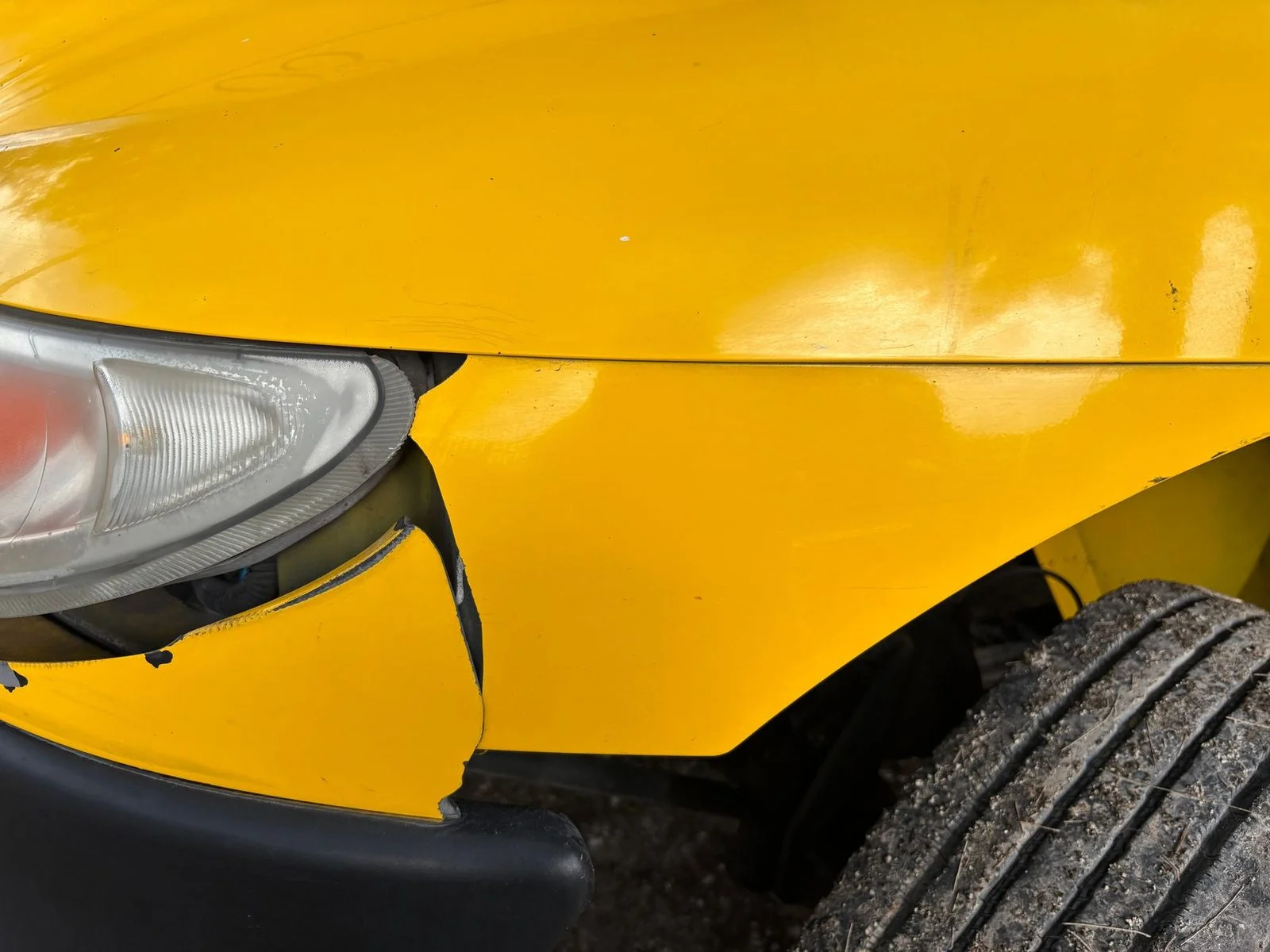
Take photos from several angles. Capture vehicle damage, the road surface, traffic signals, skid marks and any visible injuries. Get names and phone numbers of witnesses. A witness’s memory of the moment fades quickly, and it is hard to rebuild later.
If your injuries, an insurer's calls or a bill after a crash have you stuck, we can talk through what may apply to your situation.
Medical care and symptoms that appear later
See a doctor as soon as you can after a crash. A prompt visit gives your injuries a clear medical record from the start. Some symptoms take time to appear. Tell every provider about each change, even small ones, and say when it started.
Go to emergency care right away for a severe headache, confusion, vision changes, dizziness, weakness or numbness. Don’t wait to see whether these symptoms go away on their own.
Be specific with providers. Describe where it hurts, how the pain feels, and what makes it worse. Vague descriptions are harder to connect back to the crash. Don’t skip follow-up visits without telling your provider why.
Keep every bill, referral, prescription receipt and note about missed work. These records show what the crash has cost you day to day. A later section explains how medical bills are handled in Louisiana.
Getting the crash report and whether it is a public record
Crash reports in Louisiana are generally not open to the public. Under La. R.S. 32:398, crash reports and their information are confidential. Access is limited to people such as the parties to the crash, their insurers, their attorneys and certain healthcare providers.
The same statute says listed persons must be given the report within seven working days after the crash investigation is completed. Investigating agencies may charge a reasonable fee for copies of crash photographs, video and audio recordings.
When you get the report, read it closely. Reports can contain errors, such as wrong street names, vehicle details or witness names. Point out any mistakes to the agency in writing, and keep a copy of what you sent.
Remember that a police report is not a final ruling on fault. It is one piece of evidence. Photos, witness statements and medical records can add to it or explain it.
How fault is decided under Louisiana law
Louisiana decides fault by asking whether a person’s negligence caused the harm. Under La. Civ. Code art. 2316, every person is responsible for damage caused by negligence, imprudence or want of skill, not only by a deliberate act.
Fault is often shared. Under La. Civ. Code art. 2323, the fault of everyone who contributed to the injury is considered. That includes people who are not parties to the lawsuit. Under La. Civ. Code art. 2323, when a person suffers injury, death, or loss partly as the result of his own negligence and partly as a result of the fault of another person or persons, the amount of damages recoverable shall be reduced in proportion to the degree or percentage of negligence attributable to the person suffering the injury, death, or loss. Under La. Civ. Code art. 2323, if the degree or percentage of negligence attributable to the person suffering injury, death, or loss is equal to or greater than the percentage stated in that article, that person shall not be entitled to recover damages.
Common causes of crashes include distracted driving, speeding, running a red light, impaired driving and unsafe lane changes. Evidence such as photos, the crash report, witness statements and vehicle data helps show how the crash happened.
Partial fault does not automatically end a claim. It can still change how much is recoverable, which is why the facts matter so much.
Talking with insurance adjusters
The other driver’s insurance company is not on your side, so be careful what you say. An adjuster’s job is to handle the insurer’s side of the claim. A friendly tone doesn’t change that.
Take your time before giving any statement or signing anything. A first offer is often made before the full picture of your injuries is known. Ask for the offer in writing, and keep a record of every call.
Louisiana law gives you a right to a copy of your own statement. Under La. R.S. 13:3732, a person who takes a written, recorded or transcribed statement from an injured person must furnish a true and complete copy. The copy must be provided within twenty days after a written demand. A statement may not be used in a civil case if the holder refuses a copy request.
Your own policy may matter too. Louisiana uninsured motorist coverage is governed by La. R.S. 22:1295. Coverage can be rejected, reduced to lower limits or limited to economic-only on a prescribed form signed by the named insured. Check what your policy says before assuming you have or lack this protection.
Who pays medical bills after a Louisiana car accident
Several sources may pay for your care, and the amount actually paid can matter more than the amount billed. Under La. R.S. 9:2800.27, when a health insurer or Medicare pays a contracted provider, recovery of medical expenses is limited to the amount actually paid. Cost-sharing you paid or owe, such as copays, coinsurance and deductibles, is included.
That same statute does not apply to benefits received through an automobile policy that provides medical payments coverage. So medical payments coverage on an auto policy is a separate source to check.
Possible sources include your own health coverage, medical payments coverage on an auto policy, and liability coverage of the at-fault driver. Which ones apply depends on the policies involved and the facts of the crash.
Tell each provider that your injury came from a crash. This helps billing go to the right place. Keep statements and explanation-of-benefits letters from every insurer. Write down what each company says and when.
Not sure what your next step is?
Crashes involving trucks, commercial vehicles, rideshare, government vehicles or hit-and-run drivers
A crash with a truck or other commercial vehicle often involves more parties, more records and more rules than a typical car crash. Federal hours-of-service rules limit how long property-carrying drivers can work and drive. Logs and other records can show whether those rules were followed. The Insurance Institute for Highway Safety publishes research on large truck crashes.
Rideshare crashes can involve more than one insurance policy. The facts of the trip decide which policies apply, so keep every app screen, receipt and message.
If a government vehicle is involved, La. R.S. 13:5104 limits where a suit against a state agency or political subdivision may be filed. These claims can have their own rules, so the details matter.
If the other driver fled, report the crash to police right away. Then check your own uninsured motorist coverage under the policy terms described above.
This firm may associate or refer a case to other law firms when that is appropriate. If that happens, the firm will tell you.
Deadlines to act in Louisiana car accident cases
Most Louisiana injury claims must be filed within two years of the day the injury happened. Under La. Civ. Code art. 3493.1, delictual actions are subject to a two-year prescription that starts running the day injury or damage is sustained.
Wrongful death claims follow their own timing.
Claims against public entities also follow the court rules described above. Exceptions and changes in the law can apply, so confirm your own deadline as soon as possible.
Waiting can also make evidence harder to gather. Witnesses move, photos don’t capture the scene later, and vehicle data can be lost. Early action helps keep the facts clear.
How pain and suffering is calculated
Louisiana damages fall into two broad groups, and no formula decides every case. Your facts, your injuries and your evidence shape the outcome.
Economic damages are money losses you can document. These include medical bills, lost wages and property damage. Receipts, pay stubs and repair estimates usually support these numbers.
Non-economic damages cover harms like physical pain, emotional distress and loss of enjoyment of life. These are harder to measure, so they depend heavily on records and testimony about how the injury changed your daily life.
Useful records include medical notes, treatment history, a journal of limits you’ve noticed, and statements from people who know how the injury affected you. Keep them consistent and dated.
No honest source can give you a number for your case based on a few facts. A real answer depends on your own records, your injuries and the evidence that exists.
Wrongful death when a car crash is fatal
When a car crash causes a death, certain family members may bring a wrongful death claim under Louisiana law. Under La. Civ. Code art. 2315.2, the surviving spouse and children may sue. If there is no spouse or child, the parents may sue, followed by siblings and then grandparents, depending on who survived. Adoptive relationships count under the article.
A separate survival claim covers the injured person’s own damages from before death. Under La. Civ. Code art. 2315.1, those rights pass to listed family members. Where no such class of beneficiary exists, the succession representative may urge the claim.
The law sets out which losses a family can pursue. The details depend on the family’s relationship to the person who died and the facts of the crash.
Keep the crash report, medical records, bills, and any work or income records. These documents matter in every wrongful death case, and they are easier to gather while the facts are fresh.
Grief makes paperwork harder. It’s okay to take it one step at a time.
Car crash questions for New Orleans, Jefferson Parish and across Louisiana
The firm’s office is in New Orleans. It serves people across Orleans Parish, the New Orleans metro area and the rest of Louisiana.
People in Metairie, Jefferson Parish, Kenner, St. Bernard Parish and Slidell can also be served by the firm. The firm does not have offices in those communities. Its office is in New Orleans.
Where the crash happened affects which parish and court rules apply. Location is one of the first facts to check in any car accident question.
Przemek Lubecki is the responsible lawyer for the content on this page. He is a trial lawyer with the firm in New Orleans.
If your injuries, an insurer's calls or a bill after a crash have you stuck, we can talk through what may apply to your situation.
Deciding whether to talk with a lawyer about your car crash
Talking with a lawyer is a choice you can make when your situation calls for it. That may be an injury that hasn’t healed, an insurer pressing for a statement, a bill you can’t untangle, or a family facing a loss after a fatal crash.
No one can promise a result, a settlement amount or a timeline. Past outcomes do not predict what will happen in a new case.
If an injury, an insurer’s calls or a bill after a crash has you stuck, you don’t have to sort out your options alone. Request a free case evaluation through our contact page or call 855-LUBECKI. You may be responsible for case costs and expenses in addition to any fee.
Frequently asked questions
Are crash reports public records?
Generally no. Under Louisiana law, crash reports are confidential and available only to listed people, such as parties, insurers and attorneys.
How long do I have to file a car accident claim in Louisiana?
Most injury claims must be filed within two years of the day of injury (La. Civ. Code art. 3493.1). Confirm your own deadline as soon as you can.
Who is at fault in a car accident in Louisiana?
Fault is decided by comparing each person’s negligence. Under Louisiana law, a person whose degree or percentage of negligence is equal to or greater than the percentage stated in La. Civ. Code art. 2323 is not entitled to recover damages.
Do I need a lawyer after a car accident?
That depends on your injuries, your insurer contact and your paperwork. You may request a free case evaluation, and you may be responsible for case costs and expenses in addition to any fee.
Common Questions
Are crash reports public?
Under Louisiana law, crash reports are confidential and available only to people listed in them, such as parties, insurers and attorneys.
Which crashes can be complicated?
Crashes involving trucks, commercial vehicles, rideshare vehicles or motorcycles often involve more than one party and more paperwork. Those details are worth discussing early.
How does the firm handle case referrals?
Przemek Lubecki handles car accident matters from the New Orleans office.
Important: Move Carefully After a Crash
Avoid posting about the crash on social media, and do not agree to a settlement before you understand your injuries and your options. Speaking with a lawyer first can help you avoid mistakes that are hard to undo.
Talk With Przemek Lubecki About Your Crash
Related practice areas
- Louisiana Wrongful Death Statute of Limitations Explained
- Truck Crash Injury Claim in New Orleans: Key Steps
- Wrongful Death Suits in Louisiana: What Makes Them Hard