
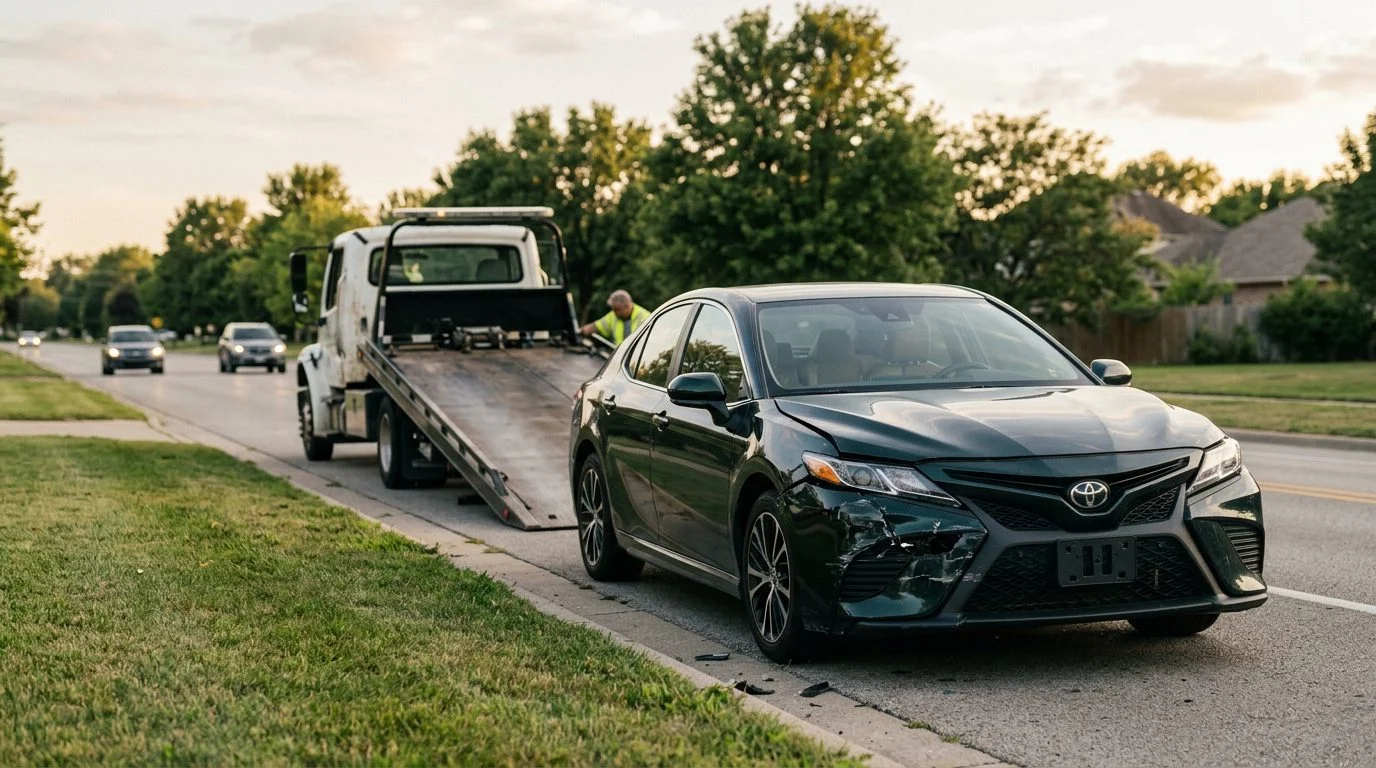
Car Accidents | Louisiana
Hurt in a Louisiana Car Accident? Start With the Facts.
Przemek Lubecki, trial lawyer with American Trial Lawyer, LLC, helps people injured in car crashes understand fault, crash reports and their next steps. Office in New Orleans, serving Orleans Parish, the New Orleans metro and Louisiana.
By Przemek Lubecki · Published October 16, 2026
Car Accidents in Louisiana: Where the Law Starts
Car accidents Louisiana drivers face often turn on two questions: who was at fault, and how much time is left to file. This page explains those basics for people who were recently hurt or are worried about a crash that just happened.
This is general information, not legal advice about your crash. Every crash turns on its own facts, and no one can promise or predict how a claim will end. Louisiana law governs these claims, so state rules matter. Deadlines, fault rules, and insurance requirements come from Louisiana law, and a rule from another state may not apply here.
Below, we cover fault, crash reports, first steps, deadlines, insurance, adjusters, and costs. Our team wrote this in plain words, so you can read it without a legal background.
If you were hurt in a Louisiana crash and aren't sure what comes next, our team is ready to talk through your situation with you.
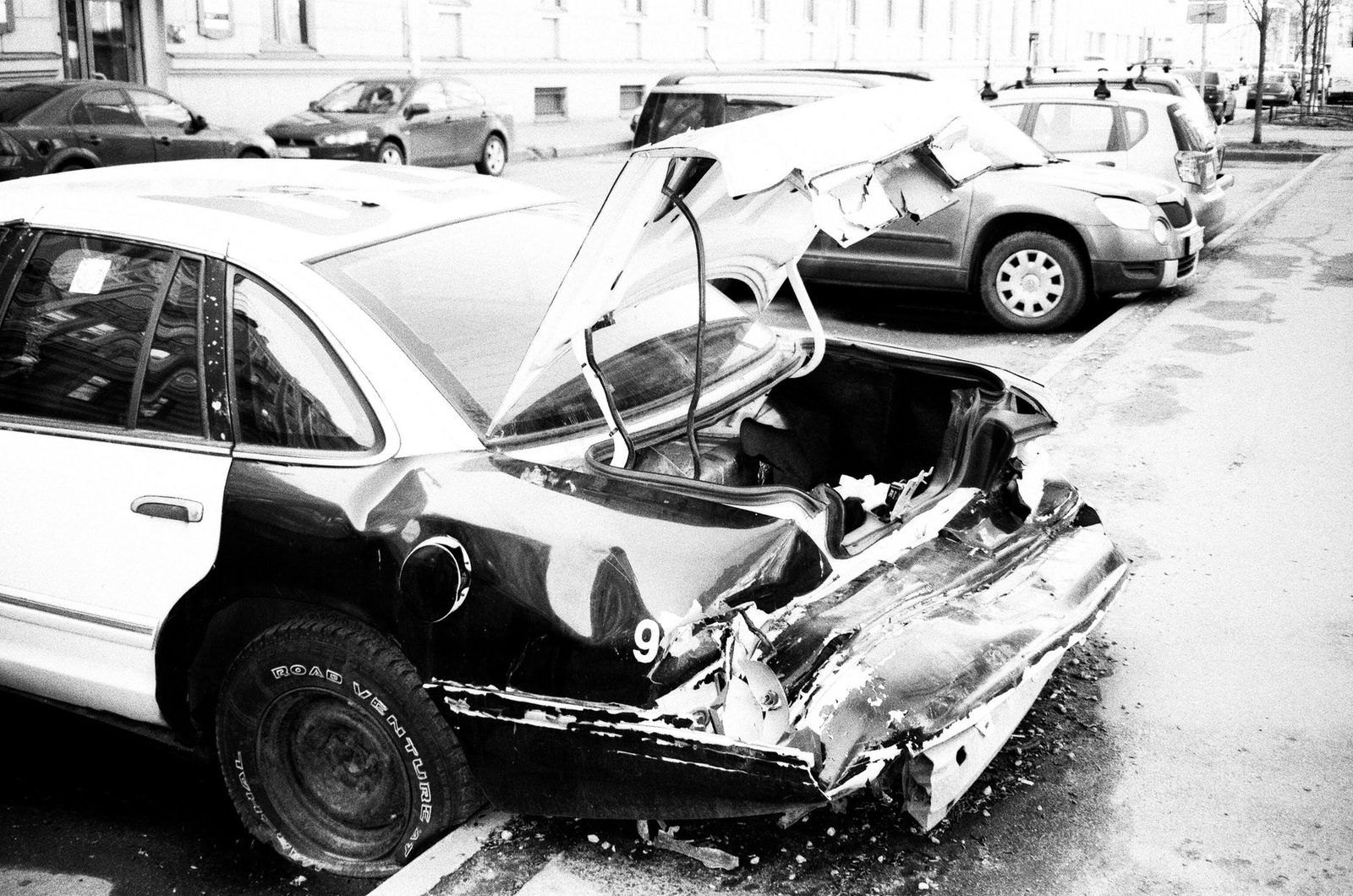
Current Car Accident Laws in Louisiana
Louisiana generally makes the person whose negligence caused a crash responsible for the harm. Negligence means carelessness. La. Civ. Code art. 2316 says every person is responsible for damage caused by negligence, imprudence, or want of skill.
Fault can be shared. For crashes on or after January 1, 2026, La. Civ. Code art. 2323 reduces damages by the injured person’s share of fault. This is called modified comparative fault (shared fault). If that share is fifty-one percent or more, the person cannot recover damages. The statute also counts the fault of everyone who contributed to the harm, even people who are not parties to the case.
Insurance sets a minimum, not a full measure of what a claim may be worth. A Louisiana motor vehicle liability policy must provide at least fifteen thousand dollars for bodily injury to one person in one accident, under La. R.S. 32:900. Serious injuries can cost more than that. Your own policy may include uninsured or underinsured motorist coverage under La. R.S. 22:1295. Coverage can be rejected or reduced, so your policy language decides what applies.
Crashes involving commercial vehicles or rideshare vehicles can involve more insurers and more than one party. Those claims often take longer to sort out. Under employer liability rules, a company may be responsible for a driver’s conduct while the driver is acting within the course and scope of work.
Police Report vs. Accident Report: What Each One Is
A police report is the official crash report from the investigating agency. An accident report is usually a driver’s own account of what happened. The official report matters because it records what officers saw and what people told them at the scene.
La. R.S. 32:398 requires a driver to report a crash that causes injury or death, or property damage over five hundred dollars. The police department investigates crashes inside city limits. State police or the sheriff’s office investigate crashes outside them. The Department of Public Safety and Corrections prepares the report forms and sets the format.
Crash reports are confidential. Only listed people can get them, including the parties to the crash, their insurers, healthcare providers who treated them, and their attorneys. On request, a report must be made available within seven working days after the investigation is complete.
Reports can contain errors or leave things out. Read yours carefully. If something looks wrong, write down the details and share them with the people handling your claim. A missing or incomplete report can make facts harder to prove, but it does not decide a claim on its own.
Crash Risks on Louisiana and Greater New Orleans Roads
Heavy traffic and fast interstate travel are part of daily driving across the New Orleans area. Interstate 10, Interstate 610, and Interstate 55 carry much of that traffic. Bridge and causeway travel adds its own challenges for drivers in Orleans, Jefferson, and St. Bernard Parishes, and in Metairie, Kenner, and Slidell.
Weather can make a bad situation worse. Heavy rain, fog, and flooding can reduce visibility and make stopping harder. Construction zones and lane closures can shift traffic suddenly. Commercial trucks, which are heavier than passenger cars, share these same roads.
Each crash depends on its own facts. A road condition is often one factor among several, such as speed, following distance, or driver attention. Investigators and insurers look at the whole record, not one detail.
What to Do in the First Days After a Crash
Get medical care first, even if you feel fine at the scene. Symptoms can appear hours or days later. Tell every provider about each ache, headache, or change you notice, and keep your follow-up visits.
If you can move safely, get out of traffic. Call 911 if anyone is hurt.
Document the scene while it is fresh. Take photos of the vehicles, the roadway, traffic signs or signals, and any visible injuries. Write down the names and phone numbers of witnesses.
Keep a simple written log of symptoms, appointments, missed work, and expenses. Dates and amounts are easy to forget later.
Insurance calls can start quickly. Under La. R.S. 13:3732, a person who takes a written, recorded, or transcribed statement from an injured person must give that person a true and complete copy. The copy is due within twenty days after a written demand. Read anything before you sign it, and ask questions first.
How Long You Have to File a Louisiana Car Accident Claim
Louisiana law sets a two-year time limit for most injury claims, and the clock generally starts on the day the injury happened. La. Civ. Code art. 3493.1 sets a two-year period for delictual actions, which are claims for damage caused by wrongful conduct. The article also includes some exceptions, so the facts of your case matter.
Uninsured motorist claims have their own rule. La. R.S. 9:5629 says those actions are subject to a two-year prescriptive period (a time limit) that runs from the date of the accident.
Insurance talks and ongoing treatment can take a long time. Mark the crash date on your calendar now, so the deadline does not catch you off guard.
Not sure what your next step is?
How Insurance, Medical Bills, and Settlements Fit Together
Several sources can pay parts of a Louisiana car accident claim. The main ones are the at-fault driver’s liability insurance, your own medical payments or uninsured motorist coverage, and your health insurance. Each has its own terms, and they do not always work together smoothly.
Medical bills raise a special issue. La. R.S. 9:2800.27 limits recovery of medical expenses paid by a health insurer or Medicare to a contracted provider. In that case, recovery is limited to the amount actually paid, plus cost-sharing amounts, not the full amount billed. Many people do not expect that difference.
Liens and reimbursement claims can also affect what you keep from any recovery. Ask questions about them early.
No settlement amount or outcome can be predicted from general information like this. Each claim depends on its facts, the insurance involved, and the proof available. You may owe case costs and expenses in addition to any attorney fee.
Talking to an Insurance Adjuster After a Louisiana Crash
An adjuster works for the insurance company and evaluates the claim for that company. The adjuster is not your advisor.
Early calls often ask for a recorded statement. What you say can be used in evaluating the claim, so take your time. Say “I don’t know” when that is true.
Three common mistakes can cause trouble:
- Guessing about speed, distance, or timing.
- Minimizing symptoms, such as saying you feel “fine” when you still hurt.
- Describing fault before the facts are clear.
Put important requests in writing when you can. Keep copies of letters, emails, and claim numbers. If you gave a recorded statement, you can ask for a copy in writing, and the statute above requires it to be provided.
Talk With Przemek Lubecki About Your Louisiana Car Accident
Przemek Lubecki, a trial lawyer, is the responsible lawyer for this page. The office is in New Orleans, Louisiana. Przemek Lubecki is licensed to practice law in Louisiana.
The firm may associate with or refer a car accident case to other law firms when that is appropriate. This page is general information. It does not predict or promise any outcome.
Quick Answers About Louisiana Car Accidents
How long do I have to file a car accident claim in Louisiana? Louisiana sets a two-year period for delictual actions, which generally starts on the day of the injury.
Does Louisiana use comparative fault? Yes. For crashes on or after January 1, 2026, a person found fifty-one percent or more at fault cannot recover damages.
Can I get a copy of my crash report? Listed people, including the parties to the crash, can request it, and it must be made available within seven working days after the investigation is complete.
If you were hurt in a Louisiana crash and are weighing whether to have your claim reviewed, request a free case evaluation or call 855-LUBECKI. The free initial consultation is confidential and carries no obligation to continue. You may owe case costs and expenses in addition to any attorney fee.
Why People Bring Their Car Accident Questions Here
A Trial Lawyer Responsible for Your Case
Przemek Lubecki is the lawyer responsible for this page and for the matters the office handles, with direct, plain-language communication from the start.
Office in New Orleans
Our office is in New Orleans. We represent people hurt in crashes throughout Orleans Parish, the New Orleans metro and Louisiana.
Organized Crash Records
Our team helps gather and organize the facts that matter most, including the crash report, photos, medical records and insurance correspondence.
Respect for Your Situation
A serious injury affects work, family and daily life. We take the time to listen before discussing any next step.
Before You Speak With an Insurance Adjuster
Adjusters for the other driver's insurer work for that insurer, not for you. Consider speaking with a lawyer before giving a recorded statement or signing any release. Please note that this firm may associate or refer a case to other law firms.
Common Questions After a Car Crash
Who Was at Fault?
Fault can depend on how the crash happened, what the drivers did, and what the evidence shows. Our team reviews the facts with you rather than guessing.
What About the Crash Report?
The police or crash report can contain useful details. We can help you request it and check it against your own notes and photos.
How Much Time Do We Have?
Deadlines depend on the facts of your case and on Louisiana law. Contact us early so the important dates can be reviewed for your situation.
What Should I Keep?
Save medical bills, treatment notes, repair estimates, photos, and any messages with insurers. Keeping these records organized helps every case.
Talk With Przemek Lubecki About Your Car Accident. Your first consultation is free, confidential and comes with no obligation to continue. You may be responsible for case costs and expenses in addition to the fee.
Related practice areas
- Car Accidents New Orleans: What to Do After a Crash