
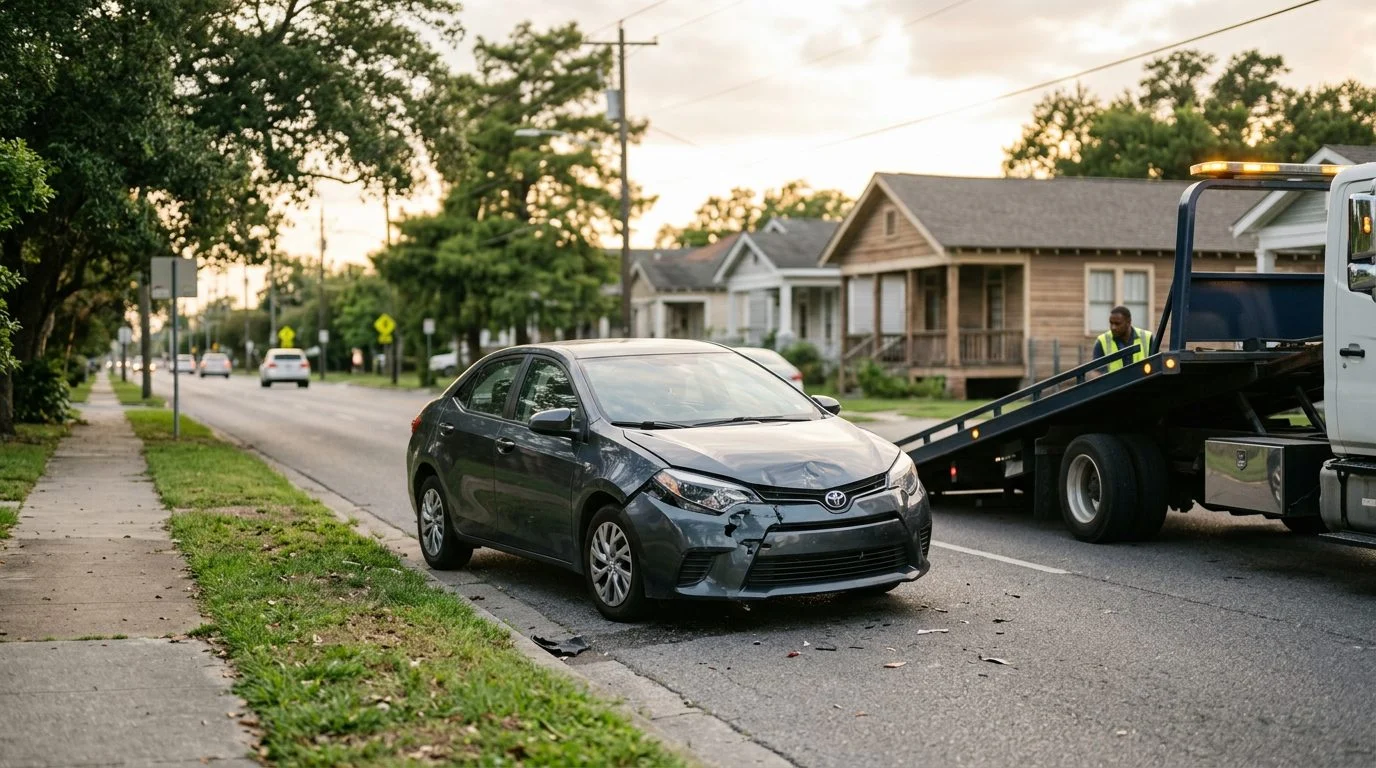
Car Accidents | New Orleans, Louisiana
After a Crash in New Orleans, Start With Safety and Clear Steps
A practical guide from Przemek Lubecki's New Orleans trial practice on what to do at the scene, what to record and when to ask for help.
By Przemek Lubecki · Published November 2, 2026
The short answer: what to do first after a car accident in New Orleans
Knowing what to do at the scene of a car accident in New Orleans starts with safety. Move out of danger if you can, check everyone for injuries, and call 911 right away.
Here is the order most people can follow:
- Get to safety and warn other traffic.
- Check everyone for injuries and call 911.
- Stay at the scene until police arrive.
- Exchange information with the other driver.
- Photograph the scene before it changes.
- Be careful what you say and sign.
This page covers the first minutes after a crash. The steps are the same whether you were in a car, a truck, or a commercial vehicle. Your mind may be racing, so take these one at a time.
If you were hurt in a crash, you don't have to sort out the rules alone. Talk it through with our team — the first consultation is free, confidential, and carries no obligation.
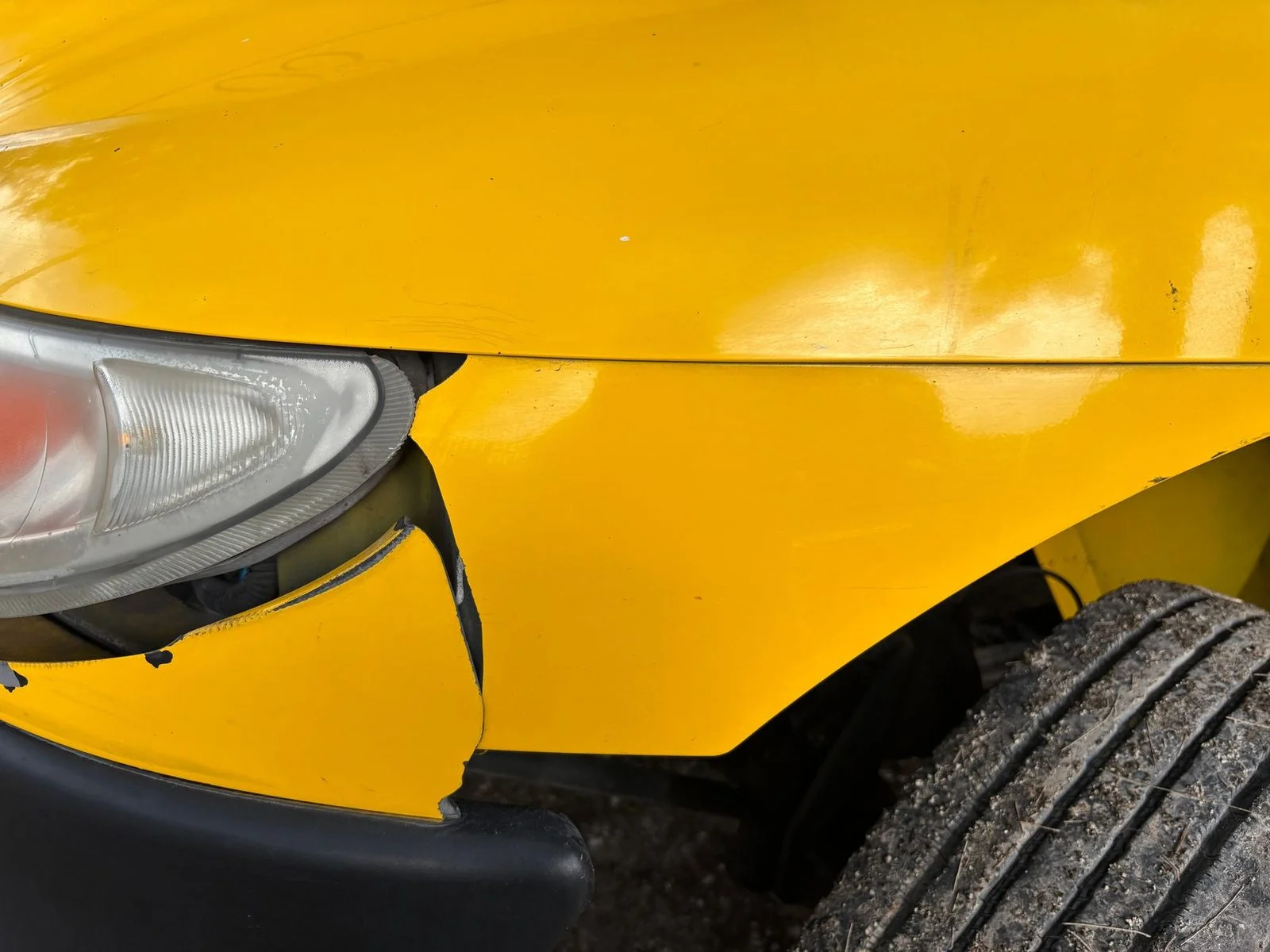
Get to safety and warn other traffic
Getting out of traffic comes first, when it’s safe to do so. If the vehicles can be moved safely and the crash is minor, move them out of active lanes. If they can’t be moved, or if someone is hurt, leave them where they are.
Turn on your hazard lights. Use flares or warning triangles only if you have them and it’s safe to set them out. Stay out of the traffic lanes yourself.
Keep away from downed power lines, fuel leaks, and smoke from the vehicles. Watch for other drivers, too. After a crash, drivers should stay alert around the scene, because sudden slowing or distraction can lead to a second collision. Stand behind a guardrail or on the shoulder, away from moving cars, while you wait.
Check for injuries and call 911
Check yourself, your passengers, and the other driver for injuries before anything else. Don’t wait for pain to show up. Some injuries, including some head and neck injuries, may not be felt right away.
Call 911. Ask for police and, if anyone is hurt, emergency medical services. Tell the dispatcher your location, how many vehicles are involved, and whether anyone looks injured.
Don’t move an injured person unless they are in immediate danger. Keep them still and comfortable until help arrives. Accept a medical check even if your injuries seem minor. Tell the crew about every area that hurts, including your back, neck, and head.
Stay at the scene and know Louisiana’s reporting duties
Staying at the scene is the safest choice for most drivers. Stay until police arrive, and don’t leave injured people alone. Louisiana law also sets duties for drivers in a crash that causes injury or death, or property damage over five hundred dollars.
Under La. R.S. 32:398, the driver of a vehicle involved in a crash resulting in injury to or death of any person or property damage in excess of five hundred dollars must give their name, address, and the vehicle’s registration number. Under La. R.S. 32:398(J), when an investigating officer has reason to believe a driver’s medical condition may be cause for revocation or suspension of a license, notice of that condition goes to the Department of Public Safety and Corrections only after the officer consults with a superior officer about his observations, and only if that superior officer concurs with the issuing officer’s belief. On request, and if available, the driver must also show a driver’s license or permit to anyone injured in the crash and to the driver or occupants of any damaged vehicle or person attending damaged property. On request, the driver must show it to any police officer at the scene or investigating the crash, with no ‘if available’ condition.
Under La. R.S. 32:871, the operator of a vehicle in an accident may report a claim in writing to the state commissioner. If the operator is physically incapable of making that report, the vehicle’s owner may make it.
Crash reports are confidential under La. R.S. 32:398(I), which also limits who may receive them. They are available to the parties, their attorneys, their insurers, and certain others. The state police, any local police department, or any sheriff’s office may charge a fee for copies not to exceed $5 per report that does not exceed two pages, and not to exceed $20, inclusive of all service fees and other charges, per report that exceeds two pages (see La. R.S. 32:398).
Exchange information with the other driver
Write down the other driver’s full name, phone number, and address. Record their driver’s license number, license plate, and insurance company with the policy number.
Note the make, model, and color of every vehicle involved. Write down the names and contact details of any passengers. Once the officer gives you the report number, write it down along with the officer’s name and badge number.
Collect contact information from any witnesses. Ask each one what they saw, then write their account down in their own words. Their memory can matter later, and it fades fast.
Keep the exchange brief and factual. Don’t argue about who caused the crash at the roadside. Arguments heat up quickly, and the real facts often get lost in them.
Photograph and document the scene before it changes
Start with wide photos of the intersection or roadway. Then take close-up photos of vehicle damage, skid marks, debris, traffic signals, and signs. Include the weather and lighting conditions too.
Photograph visible injuries as they appear. Take new photos if an injury changes, such as swelling or bruising that shows up later. Capture any hazards that played a role, like potholes, missing signs, or a blocked sight line.
Write a short note while the details are fresh. Include the time, each vehicle’s direction of travel, what each driver said, and what you remember happening. Keep notes in your own words.
Save your photos and notes in more than one place. Keep them even if you believe the crash was minor. Under La. R.S. 32:398(E), police agencies shall provide copies of crash photographs to any interested person upon request and may charge a reasonable fee for those copies.
Not sure what your next step is?
Talk it through with our team — the first consultation is free, confidential, and carries no obligation.
What not to say or sign at the scene
Avoid saying “I’m sorry” or “it was my fault.” Apologies and fault statements get repeated and misread, even when you meant them kindly. Describe only what you saw and heard. Don’t guess at speeds or distances.
Don’t sign papers from the other driver or an insurance representative until you have read them. You don’t have to accept or reject a settlement offer on the spot.
If you give a written, recorded, or transcribed statement after an injury, you can ask for a copy. Under La. R.S. 13:3732, the person who took the statement must give you a true and complete copy within twenty days after your written demand.
Fault matters too. Under the current text of La. Civ. Code art. 2323, effective January 1, 2026, if the degree or percentage of negligence attributable to the person suffering injury, death, or loss is equal to or greater than fifty-one percent, then that person shall not be entitled to recover damages, while paragraph (C) provides that, notwithstanding paragraphs (A) and (B), a claim for injury caused partly by the injured person’s own negligence and partly by an intentional tortfeasor shall not be reduced. Fault can be divided among everyone who contributed, so accurate facts matter more than quick conclusions.
Keep your social media quiet about the crash while your claim is open.
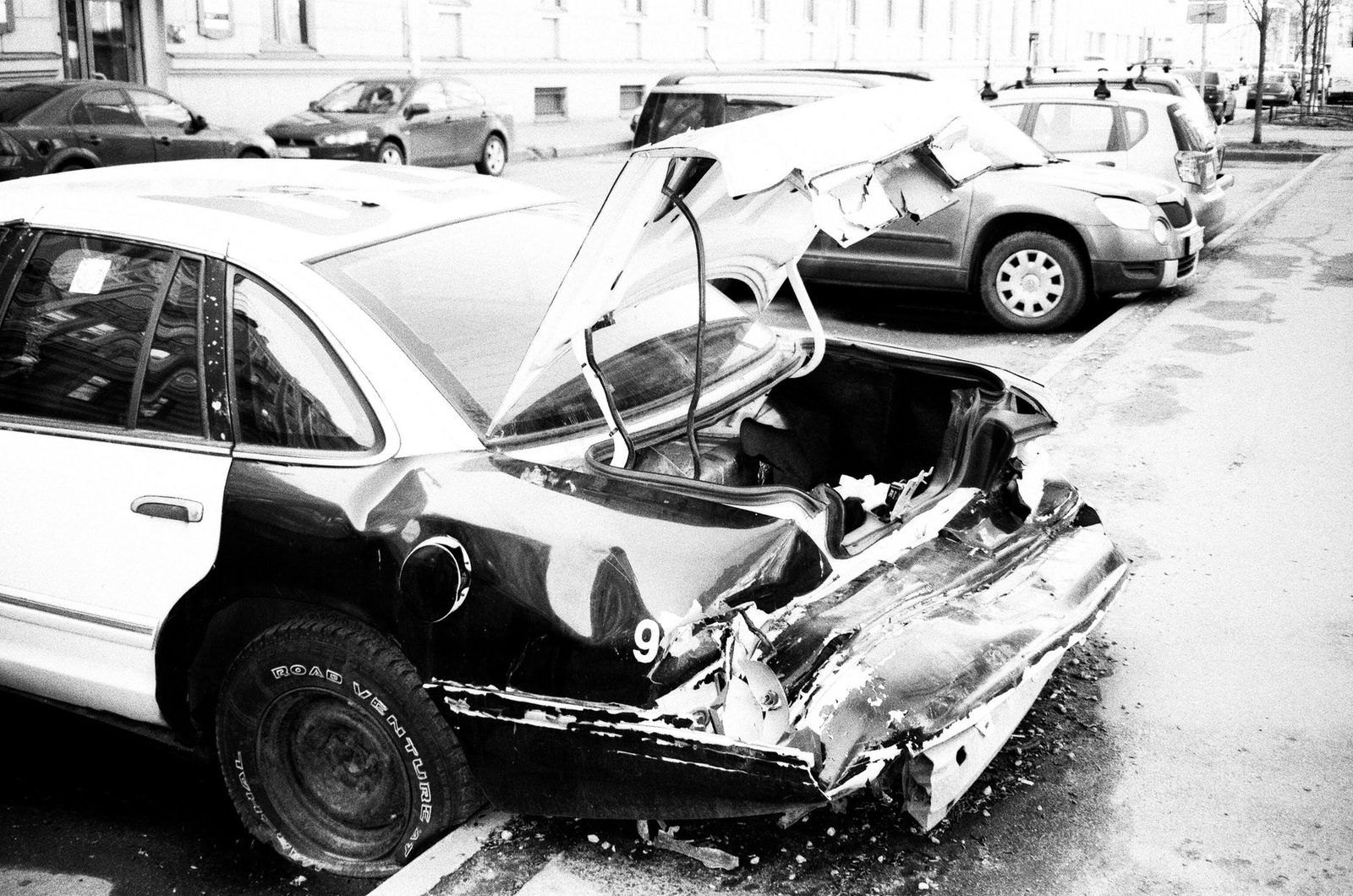
Talk with a New Orleans car accident lawyer about your crash
If you were hurt in a crash, you don’t have to sort out the rules alone. The firm’s New Orleans office handles car accident matters.
The firm may associate or refer a case to other law firms. Every case depends on its own facts.
Common questions
Do I have to stay at the scene of a car accident in Louisiana?
Most drivers should stay until police arrive, and never leave injured people alone. Louisiana law sets reporting duties for crashes involving injury to or death of any person, or property damage in excess of five hundred dollars.
Under La. R.S. 32:398(I), crash reports are confidential and are made available solely to the crash parties; the parents or guardians of a minor who is a party to the crash; insurers of any party, or an insurance support organization under contract to provide claims and underwriting; any healthcare provider, or their agent, that rendered healthcare services to any party; the succession representatives of those parties; the attorneys of the parties or succession representatives; and a news-gathering organization that requests documents related to a specific crash, and upon request the reports must be made available to these persons within seven working days following the completion of the crash investigation.
Can I recover damages if I share some of the blame for a crash?
Under the current text of La. Civ. Code art. 2323, effective January 1, 2026, a person whose share of negligence is equal to or greater than fifty-one percent shall not be entitled to recover damages, subject to paragraph (C) of the article, which provides that a claim is not reduced where the injury results partly from the person’s own negligence and partly from an intentional tortfeasor’s fault.
If you’re dealing with injuries, a damaged car, and an adjuster’s calls, Przemek Lubecki and our New Orleans office offer a free, confidential first consultation with no obligation to continue. Call 855-LUBECKI or request a free case evaluation.
If Anyone Is Hurt, Call 911 First
Your health comes before everything else. Call 911 right away if anyone is injured, if a vehicle is blocking traffic, or if you feel unsafe where you are. Do not leave an injured person alone.
Five Steps to Take at the Scene
1. Check for injuries
Check yourself, your passengers and the other drivers. Tell the 911 dispatcher about any injuries, even minor ones that may feel manageable right now.
2. Move to safety if you can
If the vehicles are drivable and it is safe to do so, move them out of active lanes. Turn on hazard lights and stay visible, especially at night or on busy roads.
3. Exchange information
Get names, phone numbers, insurance details and license plate numbers from the other drivers. Avoid discussing who was at fault while you are still at the scene.
4. Document everything
Photograph vehicle damage, the positions of the cars, road conditions, traffic signs and any visible injuries. Note the time, weather and names of any witnesses.
5. Seek medical care
Some injuries, including brain injuries, may not show symptoms right away. A prompt medical evaluation protects your health and creates an important record.
How the Firm Can Help After a Crash
Free, Confidential Consultation
The first consultation is free, confidential and without obligation to continue. Call 855-LUBECKI or request a free case evaluation to talk through what happened.
Led by Przemek Lubecki
Przemek Lubecki is the responsible lawyer for this content. Our office is in New Orleans, serving people injured in car, truck, commercial vehicle and rideshare crashes across Orleans Parish, the New Orleans metro and Louisiana.
Referrals to Other Firms
American Trial Lawyer, LLC may associate or refer a case to other law firms. Any co-counsel would be identified to you before any arrangement is made.
Talk With Our Team About Your Crash
Related practice areas
- Car Accident Claims in Orleans Parish: What Injured Drivers and Passengers Need to Know