
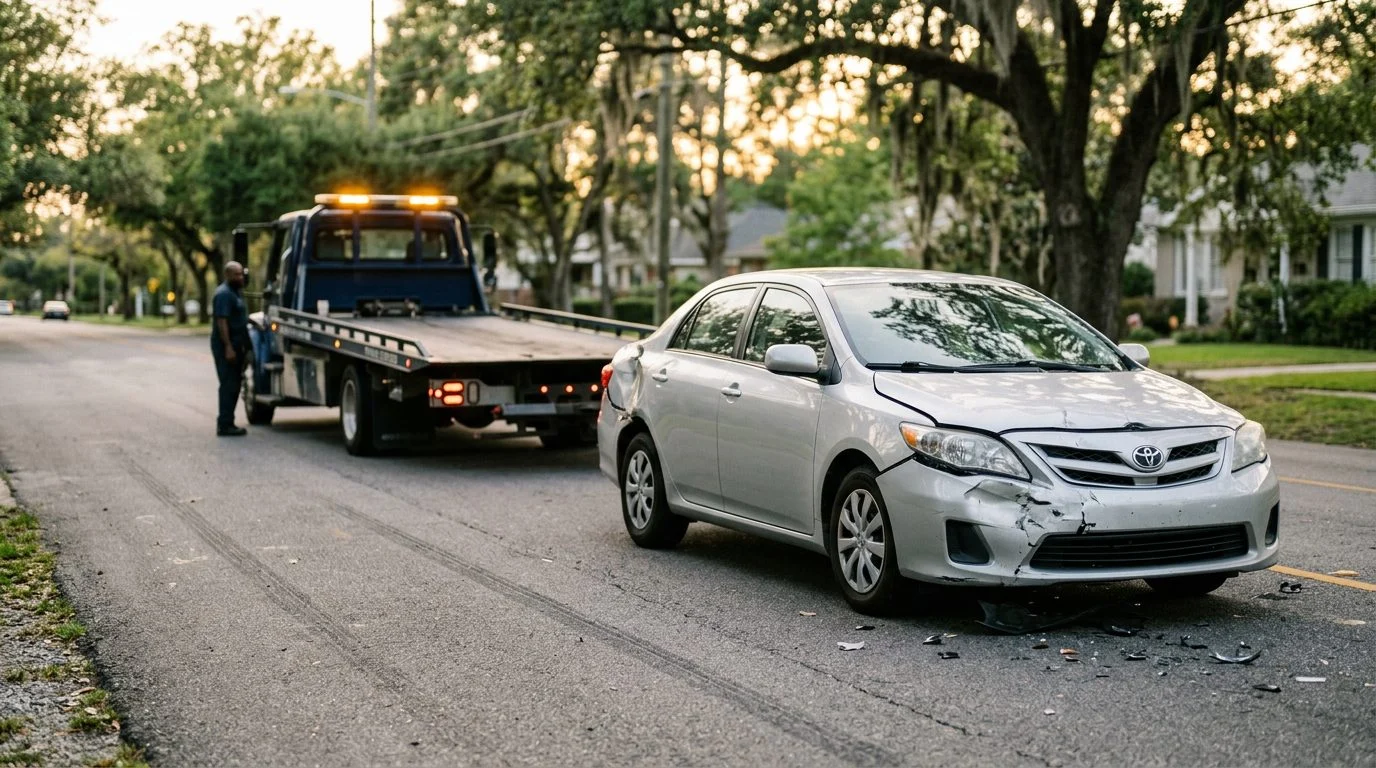
Rear-End Car Accident Lawyer in New Orleans
By Przemek Lubecki · Published October 22, 2026
A rear-end car accident lawyer in New Orleans can help when another vehicle hits you from behind and leaves you hurt. In many rear-end crashes, the driver who hit the car ahead is the first to be examined, because Louisiana law limits how closely drivers may follow. This page explains who may be responsible, what a claim can include, and what to expect. American Trial Lawyer is a trial law firm with an office in New Orleans. Przemek Lubecki is the responsible lawyer for this page.
What a rear-end car accident claim is and who it is for
A rear-end car accident claim is a request for payment from the driver who struck the back of another vehicle and caused injury.
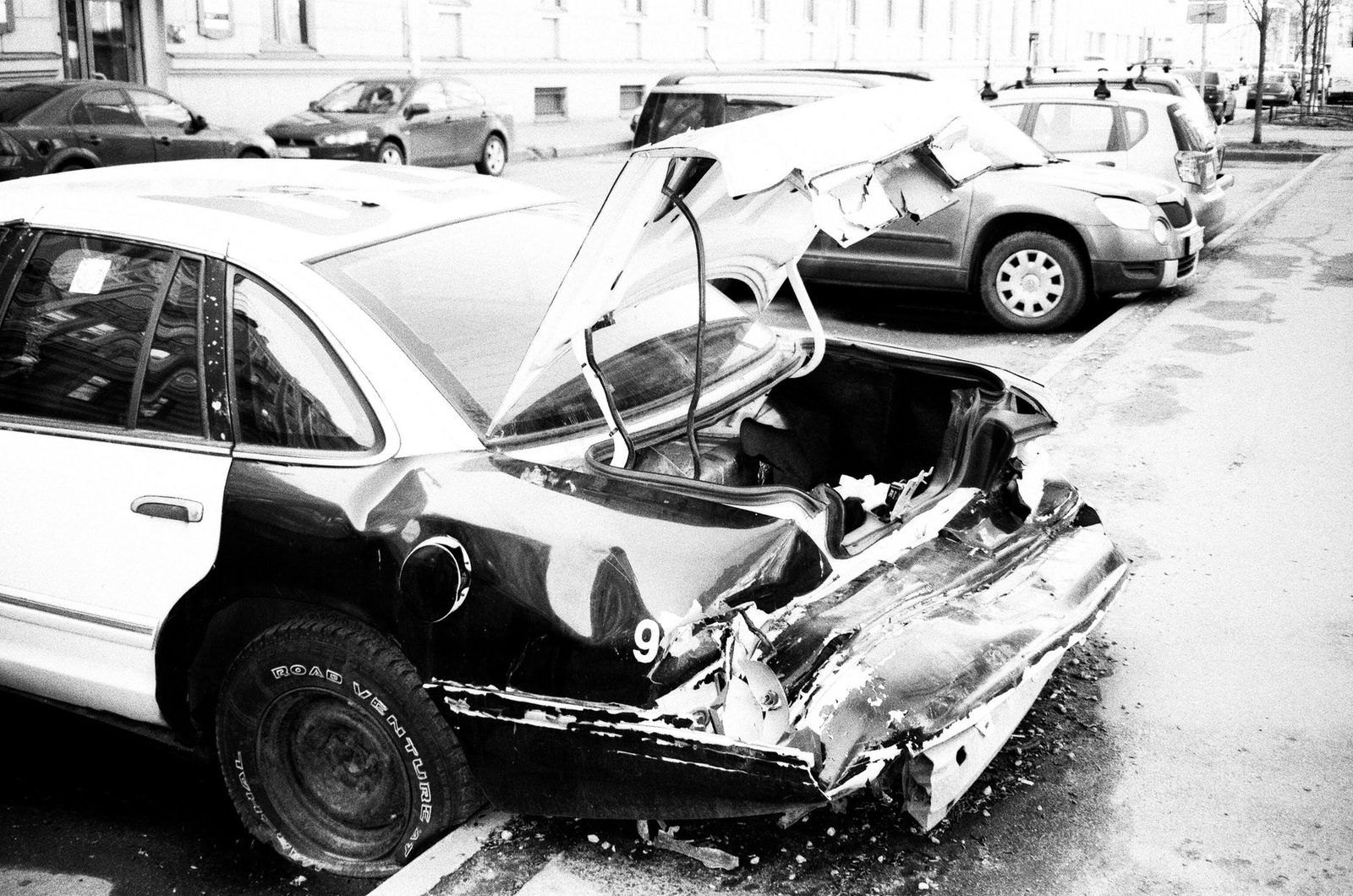
Rear-end crashes happen in stopped traffic, slowing traffic, at intersections, and in parking queues on New Orleans streets and highways. A driver or passenger hurt in the impact can bring this kind of claim. Some people notice neck or back pain hours or days after a crash.
That is why the rear driver is often the first place a claim looks. It does not mean fault is certain in every crash, because each crash has its own facts.
This page is for people who want to know whether the other driver can be held responsible and what to do next.
Not sure what your next step is?
Talk it through with our team — the first consultation is free, confidential, and carries no obligation.
What a rear-end injury claim can include
A rear-end injury claim can seek payment for medical care, lost income, vehicle damage, and other harm caused by the crash.
- Medical bills.
- Lost income. Missed work, reduced hours, and trouble doing your job can be part of the claim.
- Vehicle and property damage. This can cover repair or replacement of the car and personal items damaged in the crash.
- Pain and daily life. Headaches, poor sleep, and trouble lifting a child or doing chores can be part of the story your claim tells.
- Wrongful death. When a crash causes a death, certain family members may bring a claim. Louisiana Civil Code art. 2315.2 lists who may sue, in order.
Rear-end impacts often cause whiplash and soft-tissue neck and back injuries. Some crashes also cause concussions and other brain injuries, which can show up days later.
Who may be responsible after a rear-end crash
The driver who hit you is often the first party to examine, and that driver’s insurer is usually the first to respond.
Louisiana law holds a person responsible for damage caused by negligence, which means carelessness, imprudence, or lack of skill (Louisiana Civil Code art. 2316). If the driver was working, the employer may also be answerable. Under Louisiana Civil Code art. 2320, masters and employers are answerable for damage occasioned by their servants and overseers in the exercise of the functions in which they are employed, but only where the master or employer might have prevented the act that caused the damage and did not do so.
Your own fault matters too. Under Louisiana Civil Code art. 2323, when a person’s injury, death, or loss results partly from his own negligence and partly from the fault of others, and the share of negligence attributable to that injured person is fifty-one percent or more, he shall not be entitled to recover damages; if that share is below fifty-one percent, the damages recoverable are reduced in proportion to it. Notwithstanding Paragraphs A and B, if a person suffers injury, death, or loss as a result partly of his own negligence and partly as a result of the fault of an intentional tortfeasor, his claim for recovery of damages shall not be reduced (Paragraph C). Under Louisiana Civil Code art. 2323, where an injury results partly from the injured person’s own negligence and partly from the fault of others, and that person’s share of negligence is less than fifty-one percent, the damages recoverable shall be reduced in proportion to that share; however, if the injury results partly from the fault of an intentional tortfeasor, the claim shall not be reduced.
Your own insurance policy may matter as well. Uninsured motorist coverage can apply when the at-fault driver has no insurance. Louisiana lets any insured named in the policy reject uninsured motorist coverage, select lower limits, or select economic-only coverage, in the manner provided by law (La. R.S. 22:1295).
If you give a recorded statement, the person who took it must give you a true and complete copy. That copy is due within twenty days after written demand (La. R.S. 13:3732). Before you speak with an adjuster, consider talking with a lawyer first.
How the process works: step by step
A claim usually moves from a first conversation to evidence, medical records, a written demand, and then settlement talks or a lawsuit.
- First consultation. Your first consultation is free, confidential, and without obligation to continue. You may be responsible for case costs and expenses in addition to the fee.
- Evidence. Gather the police report, photos of both vehicles and the scene, witness names, and the other driver’s insurance details.
- Medical follow-through. Keep appointments, follow your treatment plan, and record symptoms and missed work. Consistent records help show how the crash affected you.
- Written demand. The claim is presented to the insurer in writing, describing your injuries, treatment, and losses.
- Negotiation or lawsuit. Settlement talks may follow. If the claim does not resolve, a lawsuit may be filed in the proper Louisiana court.
Time limits matter. Louisiana’s general deadline for delictual (tort) actions is two years from the day the injury or damage is sustained (La. Civ. Code art. 3493.1). Uninsured motorist claims are also prescribed by two years from the accident (La. R.S. 9:5629). Discuss deadlines early. How long a claim takes depends on the facts, including your injuries and the insurer’s response.
Why American Trial Lawyer and Przemek Lubecki
American Trial Lawyer is a trial law firm, and Przemek Lubecki is the responsible lawyer for the content on this page.
- Office. The firm’s office is in New Orleans, and the Louisiana matters described here are handled from that office.
- Trial focus. Cases are prepared with a possible trial in mind, including evidence gathering and courtroom presentation.
- Support staff. Assistants and office staff help with records requests, scheduling, and communication.
- Where we serve. People in Orleans Parish, Metairie, Jefferson Parish, Kenner, St. Bernard Parish, Slidell, and across Louisiana can contact the New Orleans office. Serving these areas does not mean an office is located there.
- Referrals. The firm may associate or refer a case to other law firms.
Questions and objections people raise before calling
Louisiana Civil Code art. 2323 sets out how an injured person’s share of fault affects recovery: at fifty-one percent or more, that person shall not be entitled to recover damages, while below that level the damages recoverable are reduced proportionally to the share, and a claim that results partly from an intentional tortfeasor’s fault may not be reduced.
“I was partly at fault. Louisiana Civil Code art. 2323 provides that an injured person whose own share of fault is fifty-one percent or more shall not be entitled to recover damages, but that a claim is not reduced where the injury results partly from the fault of an intentional tortfeasor. A smaller share reduces damages in proportion.
“The other insurer called. Must I talk now?” You can ask for a copy of any recorded statement. Louisiana law requires a copy within twenty days of written demand. Consider talking with a lawyer before giving a statement.
“My pain started days later.” Pain that starts later is still worth reporting to a doctor. Records of when symptoms began help explain the timeline.
“I was a passenger.” Passengers can have claims too. The facts of each vehicle’s movements decide who may be responsible.
“The at-fault driver has no insurance.” Check your own policy for uninsured motorist coverage. Louisiana’s form rules matter, so review what was signed.
“Will I have to go to court?” Some claims settle, and some go to court. The firm prepares each case with a possible trial in mind.
Have questions about what happened?
Ask our team directly. The first conversation is free, confidential, and there is no obligation to continue.
Frequently asked questions
How long do I have to file a rear-end claim in Louisiana?
Louisiana’s general deadline for injury claims is two years from the day of the injury (La. Civ. Code art. 3493.1). Deadlines are worth discussing early.
Do I need a police report?
A police report can help, but it is not the only evidence. Photos, witness names, and medical records also matter.
Can a passenger make a claim?
Yes, a passenger may have a claim. The facts of each crash decide who may be responsible.
What happens on the first call?
We review how the crash happened, your injuries, and your insurance information with you.
Does the firm handle cases in Metairie, Kenner, or Slidell?
The New Orleans office serves people across the metro and Louisiana. The firm may associate or refer a case to other law firms.

Talk with a New Orleans rear-end accident lawyer
If another driver hit you from behind and you’re dealing with neck pain, missed work, or an insurer asking for a recorded statement, our team can talk through your options. You can request a case evaluation or call 855-LUBECKI to reach our New Orleans office.