

Car Accidents | New Orleans, Louisiana
Keeping Your Medical Records After a Car Crash in New Orleans
Przemek Lubecki and the team at American Trial Lawyer in New Orleans explain which records to hold on to and why they matter.
By Przemek Lubecki · Published November 17, 2026
After a car crash in New Orleans, the paperwork can feel endless: hospital forms, bills, insurance letters, and a police report. You may not know which pieces matter most.
Short answer: keep every medical record, bill, payment record, and crash document from the start, in one organized file. Together they show what happened, what treatment followed, and what it cost. This page is general information, not advice about your own situation.
Why Medical Records Matter After a New Orleans Car Accident
Medical records connect the crash to your injuries and to the care that followed. Some injuries show up hours or days later. Neck pain, headaches, and dizziness often start slowly.
A record made on the day you were seen shows what you reported, what the provider found, and when. That timing is hard to rebuild from memory months later.
Gaps in care can also raise questions. Keep every visit on file, even the small ones, so the timeline stays complete. A short urgent care note may matter as much as a hospital chart.
If you’re gathering records for a parent, spouse, or friend, the same steps apply. Ask the injured person for permission before you request their records. Then keep the copies in one organized place. Think of the file as a timeline, where each record shows a date, a provider, and what was done.
If you're gathering records while you recover from a crash, we're glad to talk through your next steps with you, at no cost and with no obligation. Talk it through with our team — the first consultation is free, confidential, and carries no obligation.
Records From the Scene and the First Medical Visit
Keep the crash report and every record from your first visit, starting with ambulance, emergency room, and urgent care paperwork.
Subject to the section’s exceptions and conditions, La. R.S. 32:398 provides that the driver of a vehicle involved in a crash resulting in injury to or death of any person, or property damage in excess of five hundred dollars, shall give his name, address, and the registration number of the vehicle he was driving and, upon request and if available, exhibit his license or permit to drive to any person injured in the crash or to the driver or occupant of, or person attending, any vehicle or other property damaged in the crash. The city police department investigates crashes inside city limits. State police or the sheriff’s office investigates crashes outside them.
Under the same statute, crash reports are confidential, but they are made available to the parties to the crash, their insurers, and their attorneys, among others.
Ask the investigating agency for your copy. Write down the report number and the date of the crash.
From your first medical visit, keep intake forms, triage notes, and discharge instructions. Keep imaging reports, such as X-ray, CT, and MRI results, not only the images. Save the medication list and every prescription.
Ongoing Treatment, Therapy, and Referral Records
Keep every follow-up note, referral letter, and therapy record, because together they show how your injury changed over time.
Visit notes from primary care, orthopedic, and neurology appointments matter. So do referral letters that explain why you were sent to another doctor. Keep physical therapy, chiropractic, and rehabilitation session notes and discharge summaries too.
If you had surgery, a procedure, or a hospital stay, keep the operative reports and discharge papers. These are the records people most often lose track of.
The common mistake is skipping a follow-up because you feel better, or dropping a provider from your list. A short note that says a symptom came back can be as useful as a long one.
Keep one running list of every provider’s name, address, and phone number. Update it as you go, so you can request records from each one without digging through old papers.
Bills, Receipts, and Payment Records
Keep itemized bills, explanation of benefits forms, and proof of payment, because Louisiana law looks at amounts actually paid for some medical expenses.
Under La. R.S. 9:2800.27, when a health insurer or Medicare paid a contracted medical provider, recovery of medical expenses is limited to the amount actually paid. It also includes any cost sharing paid or owed. Cost sharing means copayments, coinsurance, deductibles, and any other amounts which have been paid or are owed by the claimant to a medical provider. That is why explanation of benefits forms belong in your file next to the bill.
If Medicare paid for your care, keep every notice. Medicare.gov coordination of benefits says that if an insurer doesn’t pay promptly, usually within 120 days, the provider may bill Medicare. CMS on Medicare conditional payments explains that a conditional payment must be repaid when a settlement, judgment, award, or other payment is made.
Also keep out-of-pocket receipts. These include pharmacy purchases, medical equipment, mileage to appointments, and child care or home help. Keep any records of a medical payments coverage claim under your own auto policy.
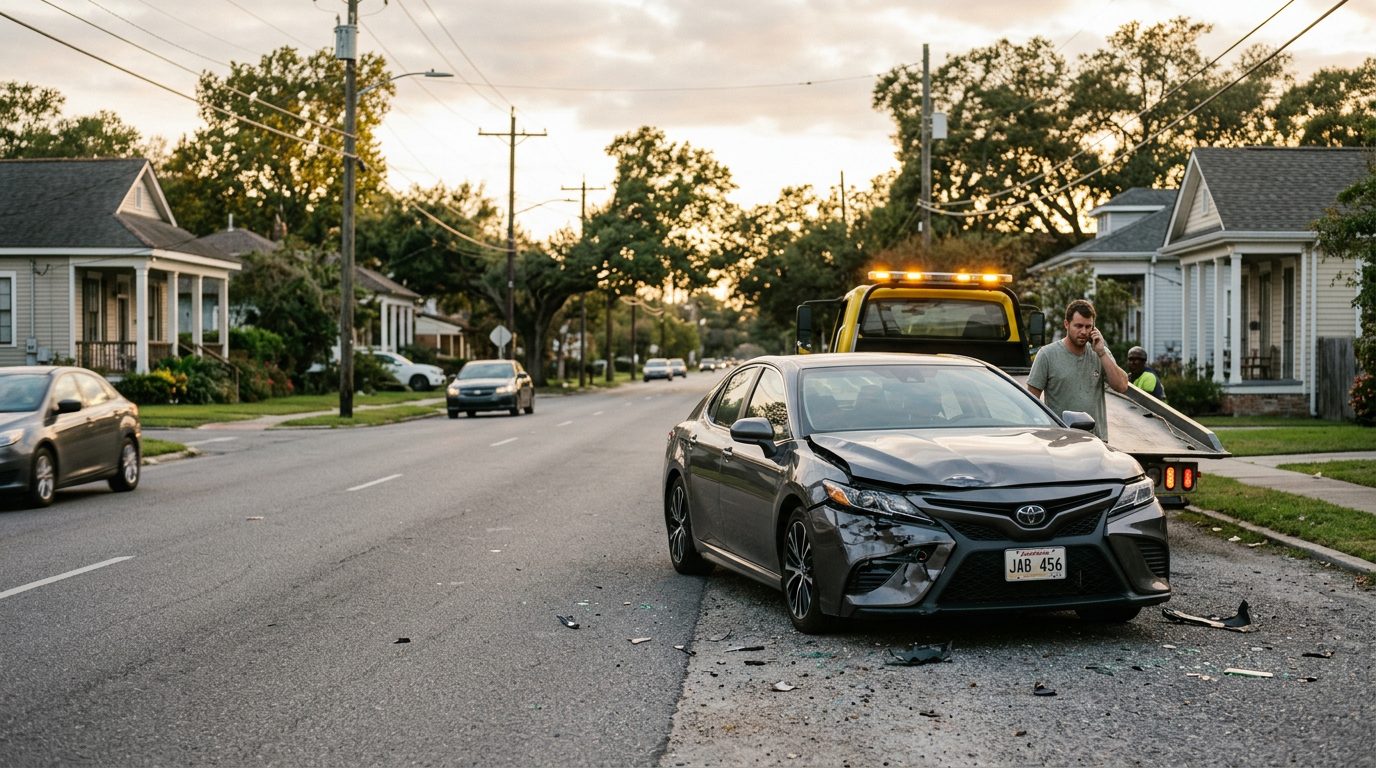
Records That Show How the Crash Changed Daily Life
Keep work and daily-life records, because they show what the injury stopped you from doing.
Keep work absence records, pay stubs, and letters from your employer about missed time or changed duties. Store them with the medical file, not in a separate pile.
Write a short daily journal. Note your pain level, your sleep, activities that became hard, and appointments attended. Date every entry. Don’t rewrite old entries to make them neater. A plain note from that day is more useful than a polished one written later.
Photograph injuries, bruising, and damaged vehicles, and keep the dates. Keep the original files from your phone, not only the copies you sent to friends.
If you gave a written, recorded, or transcribed statement about the crash, the person who took it must give you a copy. Under La. R.S. 13:3732, that copy is due within twenty days after you make a written demand.
Be honest about prior injuries too. Complete records of earlier treatment help show what changed after the crash.
How to Organize and Request Your Medical Records
Keep one organized file, sorted by date, provider, and type of record, and start requesting copies early.
Use one folder, paper or digital, and keep a backup copy. Name each file with its date, provider, and visit type, so you can find it quickly.
Records requests take time. Track each one: the date you asked, the provider, what you requested, and the date you received it. Ask each provider for complete copies of your own records. Most use a signed release form, so keep a copy of what you signed.
The common mistake is waiting until records are needed. Records get harder to find as time passes, so start now.
Quick Answers
Do I need to keep my medical bills and explanation of benefits forms?
Yes. In some cases, Louisiana law limits recovery to the amount actually paid, so keep both the bill and the payment record.
Can I get a copy of the crash report?
Yes, the parties to the crash can request it, and under Louisiana law it’s available within seven working days after the investigation is complete.
Should I keep the photos on my phone?
Yes. Keep the original files with their dates, not only the copies you shared with others.
Not sure what your next step is?
Talk it through with our team — the first consultation is free, confidential, and carries no obligation.
Talking With Przemek Lubecki About Your Records
If you’re collecting these records while you recover, you don’t have to sort through every form alone.
Pain, bills, and calls from insurance adjusters can make it hard to keep up. Some readers are doing this for someone they love, which adds another layer to carry.
Przemek Lubecki, a trial lawyer, is the responsible lawyer for this page. Our office is in New Orleans. Our team handles car accidents, truck accidents, commercial vehicle accidents, rideshare accidents, motorcycle accidents, wrongful death, brain injury, and negligent security matters. We may associate or refer a case to other law firms. Every claim depends on its own facts.
If you’d like to talk, request a free case evaluation or call 855-LUBECKI. The first consultation is free, confidential, and carries no obligation to continue.
Records worth keeping
Bills and payment records
Keep every itemized bill, along with proof of what was actually paid, so the full picture of your costs is clear.
Insurance and benefits paperwork
Explanation of benefits forms, claim letters and correspondence from insurers all show how your care was handled.
Treatment notes and imaging
Doctor visit summaries, discharge papers, test results and imaging reports document your injuries and recovery.
Your own symptom journal
A simple written log of pain, sleep, daily limits and appointments can help show how the crash affected your life.
Keep your own copies
Providers can be slow to release records, so ask for copies early and keep your originals safe. Do not alter or discard any paperwork, even items that seem unimportant. This page is general information, not legal advice. American Trial Lawyer may associate or refer a case to other law firms.
Where to start
Ask for records early
Request copies from each provider as soon as you can, so nothing is lost while your care continues.
Organize by date
Sort bills, reports and letters in one folder, digital or paper, so each document is easy to find later.
Share them with your lawyer
Bring your records to a consultation so the lawyer can review what you have and explain what else may be needed.
Talk with Przemek Lubecki about your crash in New Orleans
Related practice areas
- Car Accident Claims in Orleans Parish
- Why Did the Insurance Company Offer Me Money So Quickly After a Car Accident in New Orleans?
- Do I Have to Go to Court for a Car Accident Claim in Louisiana?
- How Much Compensation for Car Crash Injuries in Louisiana?