

Car Accidents | New Orleans, Louisiana
When a Crash Changes Your Marriage, You Deserve Answers
Loss of consortium claims let a spouse seek recovery for the loss of companionship, affection and daily partnership after a car accident. Przemek Lubecki and our team in New Orleans can talk with you about your situation.
By Przemek Lubecki · Published November 1, 2026
A spouse can bring a loss of consortium car accident claim in Louisiana when another party’s fault caused the injury. This claim is separate from the injured spouse’s own claim. This page explains what it is, what it can cover, and what usually happens next. It’s written for spouses and family members who are caring for someone hurt in a crash and trying to understand their own rights.
What Loss of Consortium Means in Louisiana
In legal terms, loss of consortium refers to the damage a spouse experiences when an injury changes the marriage. The word sounds financial, but the claim is about the relationship and everyday family life.
Under Louisiana Civil Code article 2315, damages may include loss of consortium, service, and society. La. Civ. Code art. 2315 reads: “Damages do not include costs for future medical treatment, services, surveillance, or procedures of any kind unless such treatment, services, surveillance, or procedures are directly related to a manifest physical or mental injury or disease.” Loss of consortium, service, and society are recoverable by the same respective categories of persons who could bring a wrongful death claim. For a spouse, that means the spouse can pursue a claim of their own.
The spouse’s claim is separate. Both claims start from the same question: did another party’s fault cause the harm? Under article 2315(A), a person whose fault causes damage to another must repair it.
If your spouse was hurt in a crash and you're sorting out your own rights, you don't have to do it alone. We're glad to talk. Talk it through with our team — the first consultation is free, confidential, and carries no obligation.
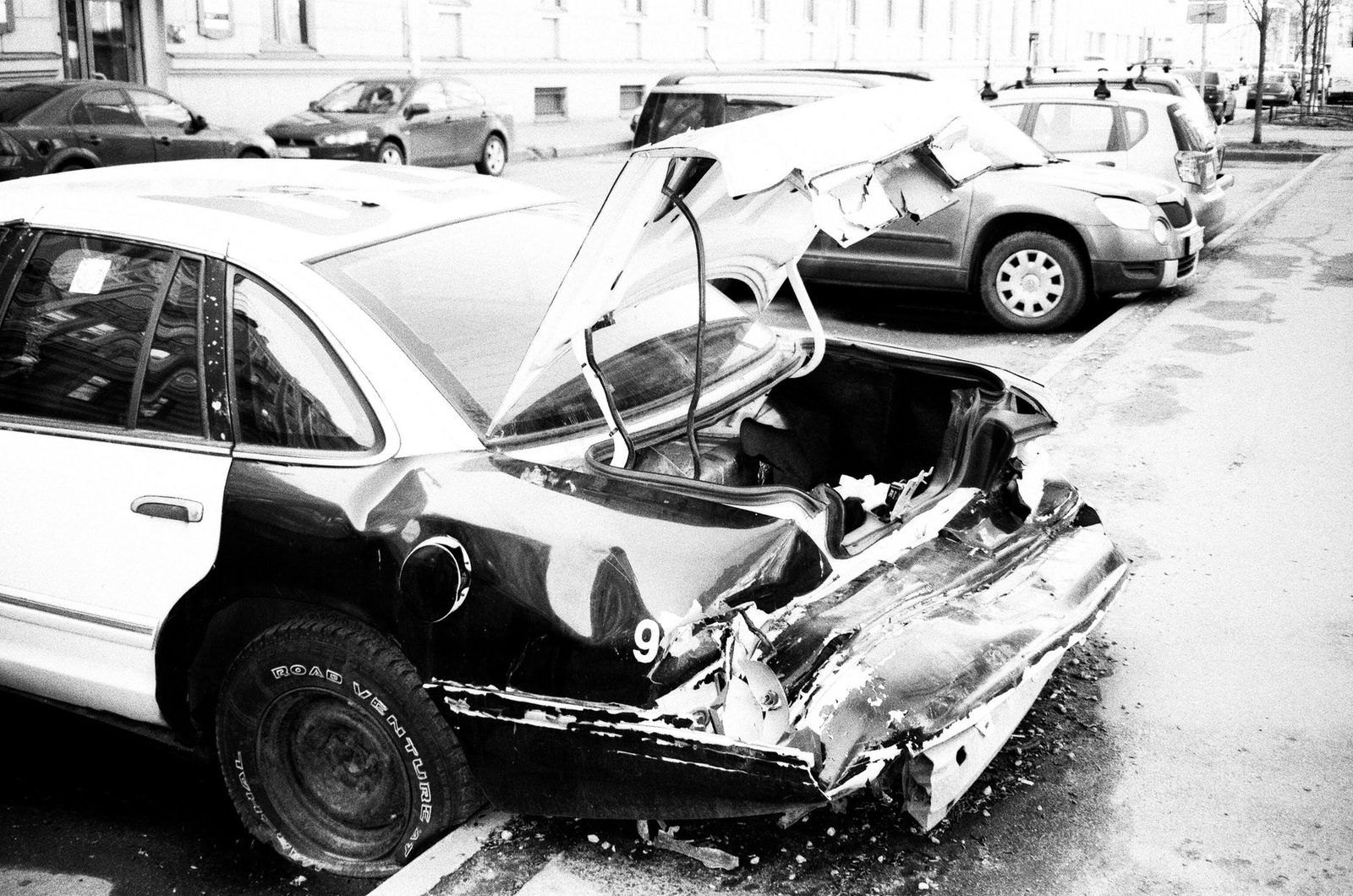
Can a Spouse Make a Loss of Consortium Claim After a Car Crash?
Yes, a spouse may bring this claim after a car crash in Louisiana when another driver or party was at fault.
Several points usually need to be checked:
- Another driver or party caused the crash through fault.
Trucks, commercial vehicles, rideshare vehicles, and motorcycles can be involved in crashes with more parties. The parties involved may include the vehicle’s owner, a company, or an insurer. Each party’s role matters to the analysis.
A spouse who saw the crash or arrived soon after may also have a claim for emotional distress under article 2315.6. The law sets a high bar. To recover for mental anguish or emotional distress under La. Civ. Code art. 2315.6, the injured person must suffer such harm that one can reasonably expect a person in the claimant’s position to suffer serious mental anguish or emotional distress from the experience, and the claimant’s mental anguish or emotional distress must be severe, debilitating, and foreseeable. A lawyer can review these points with you during a free consultation.
What a Loss of Consortium Claim Can Include
A loss of consortium claim covers the changes in family life that the injury caused. Common examples include:
- Companionship and emotional support the spouse no longer gets in the same way.
- Changes in affection and marital life.
- Household work and caregiving the injured spouse used to provide, such as childcare, errands, cooking, and home repairs.
- Shared trips, routines, and activities that have ended or changed.
Proof often comes from the spouse and family members who see these changes every day. Medical records that describe the injury and its limits are also important. Photos and simple notes about daily life before and after the crash can help show the difference.
Louisiana law also limits some future costs. Under article 2315(B), future medical costs are not included unless they are directly related to a manifest physical or mental injury or disease.
Every claim turns on its own facts. General information cannot predict what any one claim is worth, and no outcome can be promised.
How the Spouse’s Claim Fits With the Injured Spouse’s Claim
The spouse’s claim and the injured person’s claim often move forward together. They still belong to different people.
Louisiana uses comparative fault (shared fault). La. Civ. Code art. 2323 provides that when someone is hurt, killed, or suffers a loss partly because of their own negligence and partly because of another person’s fault, they cannot recover damages if their share of the negligence is fifty-one percent or more. If their share is less than fifty-one percent, the damages they can recover are reduced in proportion to it. Under the same article, if the degree or percentage of negligence attributable to the person suffering injury, death, or loss is less than fifty-one percent, the amount of damages recoverable is reduced in proportion to that degree or percentage. Under Article 2323, the comparative fault rule covers damages claims under any legal theory, except that a claim is not reduced when the injury results partly from the claimant’s own negligence and partly from the fault of an intentional tortfeasor.
When more than one party contributed to the harm, the degree or percentage of fault attributable to all persons causing or contributing to the injury, death, or loss is determined, whether or not each is a party to the action or a nonparty. Under article 2324, if liability is not solidary pursuant to Paragraph A (for example, where there was no conspiracy to commit an intentional or willful act), then liability for damages caused by two or more persons is a joint and divisible obligation, and a joint tortfeasor (a party whose fault contributed to the harm) is not liable for more than its own degree of fault. That is why the crash facts and the police report matter early.
Louisiana also sets filing deadlines. Under article 3493.1, delictual (fault-based) actions are subject to a two-year prescription (filing deadline) that runs from the day the injury is sustained. Raise the timing question at your first conversation.
If the injured person died due to the fault of another, the surviving spouse may bring a wrongful death claim under article 2315.2. That right prescribes one year from the death or two years from the injury, whichever is longer.
What to Expect: Steps and Timeline
The process usually starts with a free consultation. It then moves through investigation, presenting the claim, and, if needed, a lawsuit. Each stage can take a different amount of time, and the spouse decides whether to continue at each step.
- Free consultation. The first consultation is free, confidential, and without obligation to continue. You share the basic crash facts and your spouse’s condition.
- Investigation. The firm gathers the crash report, medical records, photos, witness names, and records of daily limits.
- Family impact. Family members describe the changes they see, and those changes are written down with care.
- Claim presentation. The claim goes to the responsible parties and their insurers. Negotiation follows where it makes sense.
- Lawsuit, if needed. If the claim cannot be resolved, a lawsuit may be filed and prepared for trial. This usually takes longer than negotiation.
Why Work With American Trial Lawyer in New Orleans
American Trial Lawyer handles serious car, truck, commercial vehicle, rideshare, and motorcycle crashes. It also handles wrongful death, brain injury, and negligent security matters.
Przemek Lubecki is the responsible lawyer for this page. The firm’s office is in New Orleans, Louisiana. It serves Orleans Parish, the New Orleans metro, and the state, including Jefferson Parish, Metairie, Kenner, St. Bernard Parish, and Slidell.
Przemek Lubecki is a trial lawyer.
The firm may associate or refer a case to other law firms. Other lawyers who work on a case are not part of American Trial Lawyer, LLC.
Not sure what your next step is?
Talk it through with our team — the first consultation is free, confidential, and carries no obligation.

Frequently Asked Questions
Can a spouse file a claim while the injured person is still recovering?
A spouse can talk with a lawyer while the injured person is still recovering. Filing deadlines still apply, so raise timing early.
Do both spouses have to be in the same lawsuit?
They can be pursued together, but each claim belongs to its own person. The approach depends on the details of the case.
Is the first consultation really free?
Yes. The first consultation is free, confidential, and without obligation to continue.
Can a loss of consortium car accident claim involve a rideshare or truck?
Yes, these crashes can involve more parties, such as a vehicle owner, a company, or an insurer. The firm may associate or refer a case to other law firms.
If your spouse was hurt in a crash, you don’t have to work out your rights alone. Request a free case evaluation or call 855-LUBECKI for a free consultation.
Why Families Talk With Our Team
Free first consultation
Your first consultation is free, confidential and without obligation to continue.
Spouse-focused attention
We take time to understand how the crash has affected your marriage, your household and your family's daily life.
Office in New Orleans
Our office is in New Orleans, and we serve people across Orleans Parish, the New Orleans metro area and Louisiana.
Clear, plain-language guidance
We explain the claim process in straightforward terms so you know what to expect at each step.
Questions Spouses Often Ask
Can I speak with a lawyer while my spouse is still recovering?
Yes. You can talk with a lawyer while your spouse is still recovering. Timing matters in injury claims, so raising questions early can help.
Do both spouses have to be in the same lawsuit?
The right approach depends on the details of your situation, which we can review with you during a free consultation.
What can a loss of consortium claim involve?
These claims focus on the impact the injury has had on the relationship, such as companionship, affection, intimacy and shared household support. Every family's experience is different.
Important: Timing and Referrals
Timing matters in car accident claims, so it helps to speak with a lawyer early. This firm may associate or refer a case to other law firms when that serves the client's interests. Your first consultation is free, confidential and without obligation.