
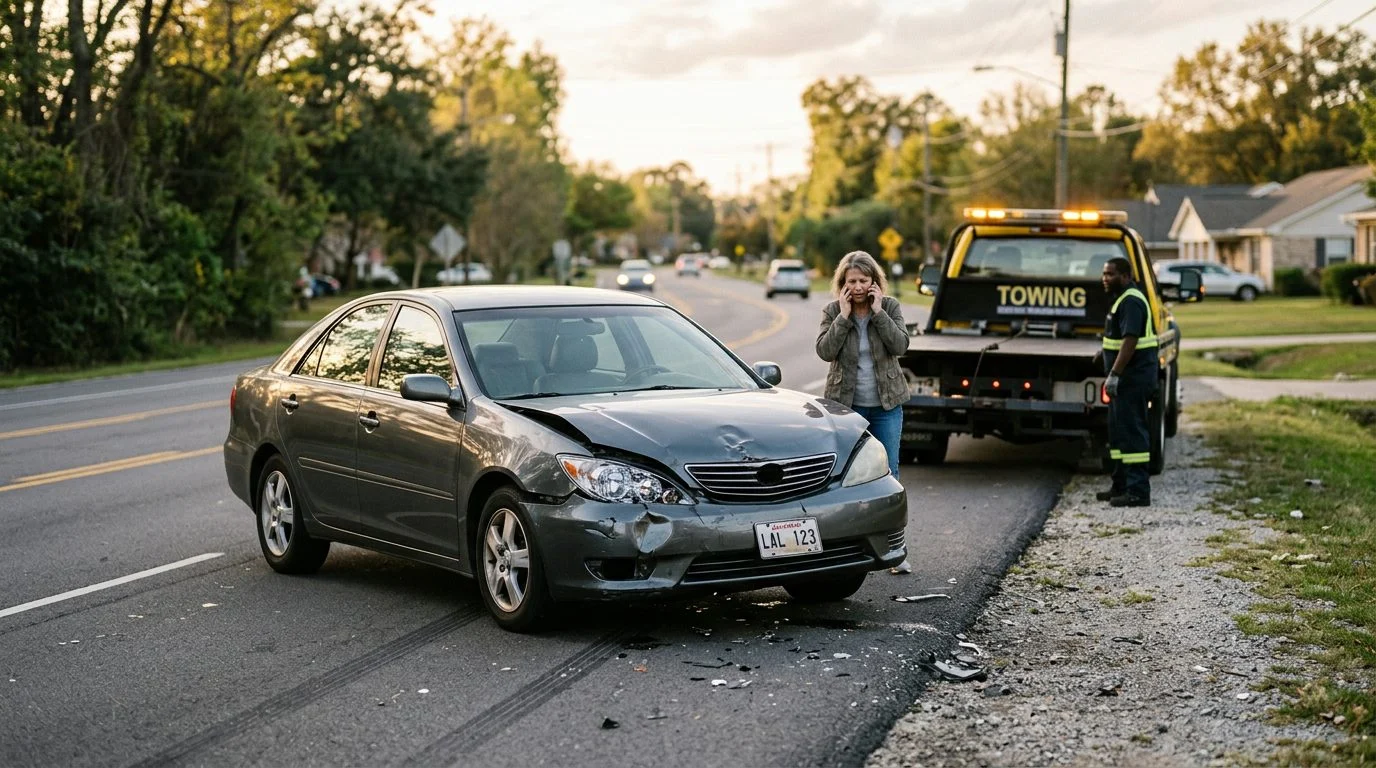
Car Accidents | New Orleans, Louisiana
Received a Low Settlement Offer After a Car Accident?
A first offer from an insurance company is not always the final word. Przemek Lubecki and the team at American Trial Lawyer, LLC, with an office in New Orleans, help people in Orleans Parish, the New Orleans metro and across Louisiana understand their options.
By Przemek Lubecki · Published October 27, 2026
An insurance low settlement offer after a car accident is usually an opening position, not a final answer. Louisiana law shapes how fault and damages are figured, and that affects what a fair number looks like. This page explains why early offers are often low, what Louisiana law says, and what to do before you respond.
What a Low Settlement Offer Means After a Louisiana Car Accident
A settlement offer is a number an insurer proposes to end your claim. It usually comes from the at-fault driver’s insurance company, often soon after the crash. It is a starting point. It is not a final measure of what your claim is worth.
This page is for injured drivers and passengers. It is also for family members acting for someone hurt in a crash. Readers in Orleans Parish, the New Orleans metro, and across Louisiana often receive the same kind of letter.
A low offer does not mean your claim has no value. It also does not mean you did something wrong. Insurers often open low, sometimes before the full injury picture is clear.
If an insurer's low offer has you worried about medical bills and time, we can talk it through with you in a free consultation. Talk it through with our team — the first consultation is free, confidential, and carries no obligation.
Why Insurance Companies Often Make Low Early Offers
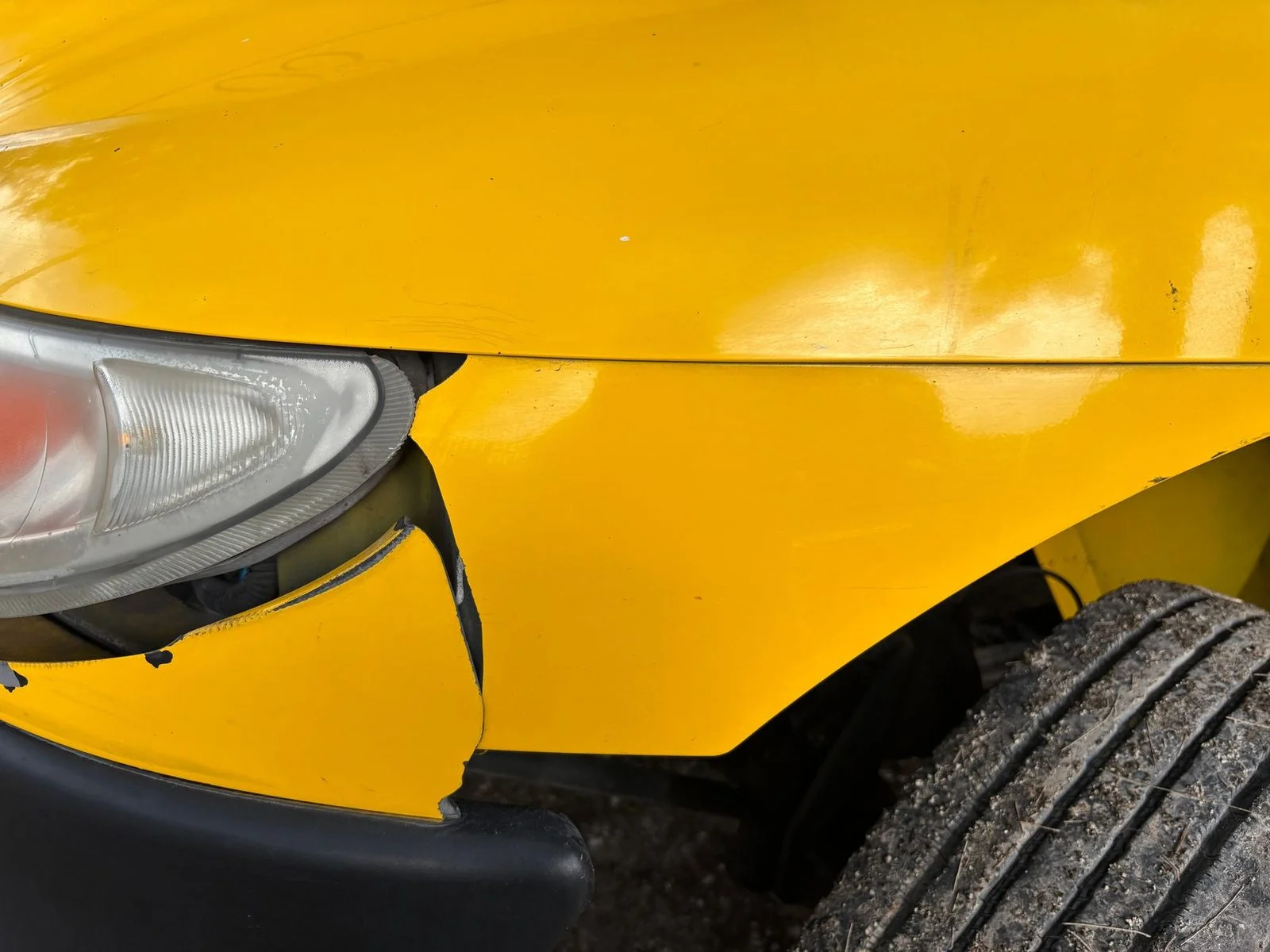
Early offers often come before anyone knows how serious an injury is. You may still be in treatment, and recovery may be far from over.
Insurers need time to gather facts. They usually collect the police report, photos, medical records, wage information, and statements. An adjuster may ask for more records before making a final number. That can make the process feel slow.
Early offers often cover only what has already been billed. They may leave out future medical care, lost earning ability, and pain and suffering. An offer that covers only current bills may fall short of the full claim.
How Louisiana Law Affects What Your Claim Is Worth
Louisiana law separates economic damages from non-economic damages. Economic damages include medical bills, lost wages, and property damage. Non-economic damages include physical pain, emotional distress, and loss of enjoyment of life. Under La. Civ. Code art. 2324.1, much discretion must be left to the judge or jury in assessing damages.
Fault is the next factor. Under La. Civ. Code art. 2323, a person who suffers injury, death, or loss is not entitled to recover damages if the degree or percentage of negligence attributable to that person is equal to or greater than fifty-one percent. Where the degree or percentage of negligence attributable to the person suffering injury, death, or loss is less than fifty-one percent, La. Civ. Code art. 2323 provides that the amount of damages recoverable is reduced in proportion to that degree or percentage of negligence, but if the person suffered injury partly from his own negligence and partly from the fault of an intentional tortfeasor, his claim for recovery of damages shall not be reduced.
Coverage limits matter too. Louisiana sets minimum auto liability coverage by statute in La. R.S. 32:900. If the at-fault driver’s limits are low, the offer may be capped by them. Your own uninsured or underinsured motorist coverage may then become important. Under La. R.S. 22:1295, uninsured motorist coverage must be provided unless an insured named in the policy rejects it, selects lower limits, or selects economic-only coverage.
Louisiana’s “No Pay, No Play” rule is also relevant. La. R.S. 32:866 provides that there shall be no recovery for the first one hundred thousand dollars of bodily injury occasioned by an owner or operator of a motor vehicle involved in an accident who fails to own or maintain compulsory motor vehicle liability security. That limit has exceptions. It does not apply if the other driver is cited for and convicted of (or pleads no contest to) DWI under R.S. 14:98 from the crash, intentionally causes the accident, flees the scene, or is committing a felony at the time. It also does not apply if the other vehicle was not being operated and was not violating the chapter, or if the uninsured vehicle was legally parked. A passenger may still bring a claim for harm caused by another driver’s negligence.
Medical bills can also change the number. Under La. R.S. 9:2800.27, when a health insurer or Medicare paid a contracted provider, recovery of those expenses is limited to the amount actually paid, plus cost sharing you owe. It is not the amount billed.
What to Do Before You Respond to an Insurance Offer
Keep up with recommended medical care. Gaps in treatment can lead an insurer to question whether injuries were serious or caused by the crash.
Gather your records. Keep the police report, medical bills, visit notes, and pay stubs or employer letters showing missed work. Save photos of the vehicles and scene. Keep a written log of symptoms and the daily tasks you cannot do.
Get the crash report. Under La. R.S. 32:398, crash reports are available to the parties and their attorneys. Upon request, reports must be made available only to the persons listed in the statute, such as the parties and their attorneys, within seven working days after the crash investigation is complete.
Ask for your own statement. If you gave a recorded or written statement, La. R.S. 13:3732 requires the person who took it to give you a true and complete copy within twenty days after written demand.
Do not sign a release until you understand your full medical picture. A release generally ends the claim. Respond in writing. Ask the insurer to explain its math in writing. A counter-offer backed by your records is stronger than a quick reply.
How the Settlement Process and Timeline Typically Works
Most claims follow the same general path. The claim is opened, the insurer investigates, and a demand with supporting records goes to the insurer. The insurer responds, and negotiation and counter-offers follow. If a fair resolution is not reached, a lawsuit may be filed.
Deadlines matter. Louisiana’s delictual (tort) actions are subject to a two-year liberative prescription under La. Civ. Code art. 3493.1. Prescription begins to run on the day the injury or damage is sustained. It does not run against minors or interdicts in actions involving permanent disability that are brought under the Louisiana Products Liability Act or other state law governing product liability. It runs from the day the injury or damage is sustained. Claims brought under uninsured motorist provisions are prescribed by two years from the accident date under La. R.S. 9:5629. Under La. Civ. Code art. 3462, filing in a court of competent jurisdiction and venue interrupts prescription. Because the deadline depends on the facts, have it reviewed early.
After a suit is filed, the case moves into discovery. That is the exchange of records and sworn testimony. Settlement talks, mediation, or trial may follow. Some claims settle before trial, and some do not.
Timelines vary. Severity of injury, whether treatment is finished, and how the insurer responds all matter. Simpler claims may resolve faster than complex injury claims.
Why Work With American Trial Lawyer on Your Claim
American Trial Lawyer is a personal injury trial law firm in New Orleans, Louisiana. Przemek Lubecki is the responsible lawyer for this page. The firm’s New Orleans office handles car accident claims for people in Orleans Parish, the New Orleans metro, and elsewhere in Louisiana. The metro includes Metairie, Jefferson Parish, Kenner, St. Bernard Parish, and Slidell.
Because the firm is a trial firm, it handles claims that may need to go to court.
The firm may associate or refer a case to other law firms. If that happens, the arrangement will be explained to you.
The first consultation is free, confidential, and without obligation to continue.
Not sure what your next step is?
Talk it through with our team — the first consultation is free, confidential, and carries no obligation.
Frequently Asked Questions
Do I have to accept the first offer?
No. You can respond in writing, ask for an explanation, send more records, or make a counter-offer.
Why is the insurer taking so long to respond?
Investigations often wait on medical records and treatment progress. The insurer may need more information first.
What are Louisiana’s minimum liability limits?
Louisiana sets them by statute in La. R.S. 32:900. Those limits can cap what an at-fault driver’s policy pays.
Can I talk to the adjuster myself?
You may. Anything you say can affect the claim, so understand the questions before you answer.
Is the consultation obligated?
No. The first consultation is free, confidential, and without obligation to continue.
Talk to a New Orleans Lawyer About the Offer You Received
A settlement letter can arrive while you are still healing, paying bills, or worrying about someone you love. That pressure can make a number feel final when it is not. Bring the offer letter, the police report, and your medical records to a free consultation with Przemek Lubecki at the New Orleans office. Request a free case evaluation or call 855-LUBECKI.
Steps to Take When an Offer Arrives
Understand why offers can be low
Insurers often make an early offer before the full extent of an injury, treatment and recovery is known. A low number at the start does not mean the claim has no value.
Read before you respond
Review the letter carefully. Check what the offer covers, whether it asks you to sign a release, and whether it addresses future medical care.
Keep your records organized
Medical bills, treatment notes, repair estimates, photos and records of missed work help show how the crash has affected your life.
Talk it over with a trial lawyer
Our team can review the offer with you in a confidential conversation. The firm may associate or refer a case to other law firms when that is in the client's interest, and we will explain any such arrangement.
Do Not Sign in a Hurry
Before you sign a release or accept any payment, make sure you understand what you would be giving up.
Why Bring the Offer to Our Firm
Careful review
We look at the offer against the medical picture, the crash facts and the losses you have actually suffered.
Trial-focused representation
Przemek Lubecki is the responsible lawyer for this page. He focuses on cases involving truck, commercial vehicle and car crashes, and wrongful death.
Plain-language answers
We explain the insurer's position, your options and what each choice could mean, so you can decide with clear information.
Respect for your situation
Serious injuries and the loss of a loved one are hard. We treat every client with patience and care.